Weak legs don’t have to be an inevitable part of aging. For seniors, leg strength is the foundation of independence, enabling everything from standing up from a chair to walking safely and avoiding dangerous falls. As muscle mass naturally declines after age 60, targeted leg exercises become essential to preserve mobility, balance, and long-term health. The good news? Research shows even those in their 70s and 80s can build significant strength with safe, consistent training.
This guide delivers a complete, science-backed plan to strengthen legs for seniors. You’ll discover the most effective exercises, from seated movements to standing routines, plus how to progress safely, prevent injury, support recovery with proper nutrition, and track your real progress. Whether you’re just starting out or looking to level up, these strategies will help you move with confidence, reduce fall risk, and stay active for years to come.
Best Leg Exercises for Seniors
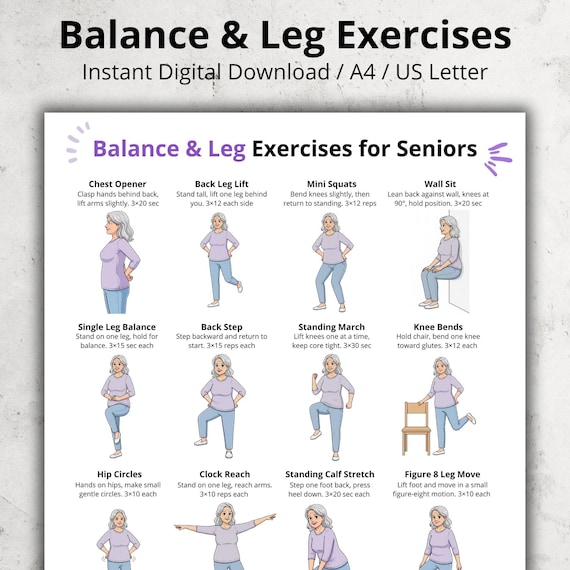
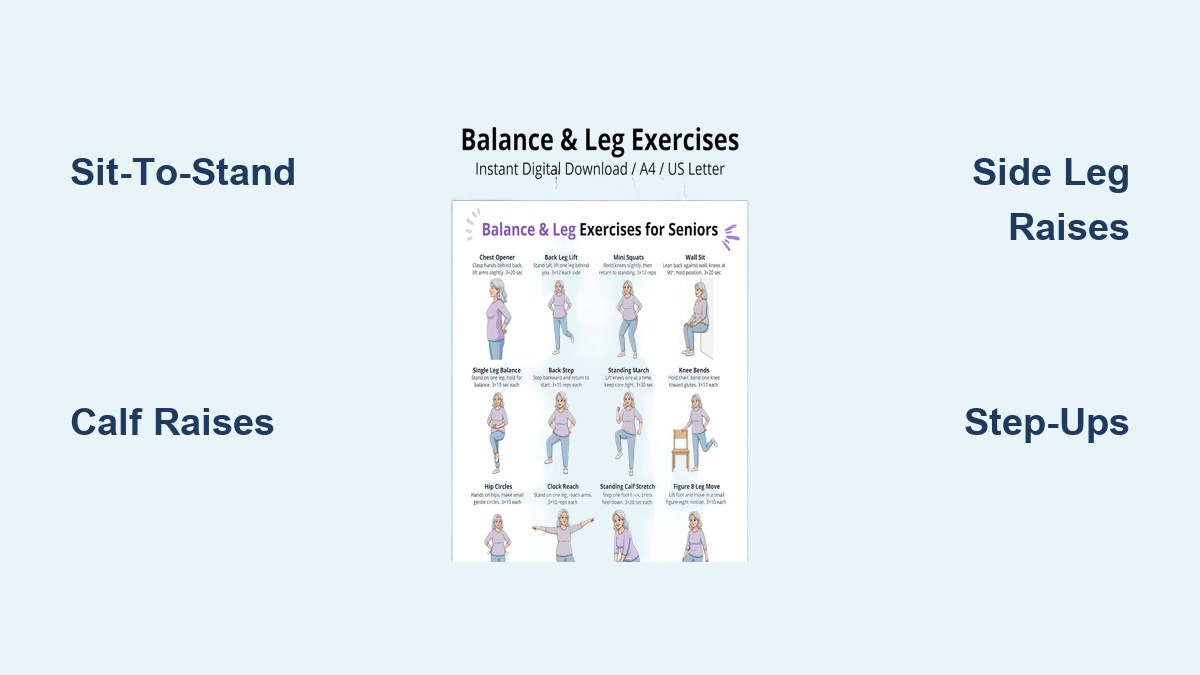
Sit-to-Stand for Functional Strength
Sit-to-stand, also known as chair squats, is the gold standard for building real-world leg strength. This exercise directly trains the muscles used to rise from a chair, toilet, or car seat, which are movements critical to daily independence.
How to perform:
- Sit on a sturdy chair with feet flat and hip-width apart.
- Cross your arms over your chest or place hands on your thighs.
- Push through your heels to stand, keeping your chest lifted.
- Lower back down slowly and with control.
Reps and sets: 8 to 12 repetitions, 2 to 3 sets
Pro tip: Start with a higher chair, then progress to lower seats as your strength improves. Focus on slow lowering (3 seconds down) to maximize muscle engagement. Avoid using your hands to push yourself up, as this forces your legs to do the work. Over time, this exercise builds quadriceps, glutes, and core strength while improving balance.
Calf Raises to Improve Balance
Strong calves enhance stability, prevent tripping, and support confident walking and stair climbing. Calf raises are simple yet powerful for building lower leg strength and reducing fall risk.
How to perform (standing):
- Stand behind a chair, feet hip-width apart.
- Hold the chair for support.
- Press through the balls of your feet to lift your heels off the floor.
- Rise onto your toes, pause briefly, then lower slowly.
Reps and sets: 10 to 15 per set, 2 to 3 sets
Modification: Perform seated calf raises if standing feels unstable. Simply sit with feet flat and lift your heels while keeping your toes on the floor.
Why it works: Strong calves improve ankle control and push-off power during walking. Performing the lowering phase slowly (3 to 5 seconds) increases muscle time under tension, which boosts strength gains significantly.
Knee Extensions for Thigh Strength
Seated knee extensions target the quadriceps, the large muscles on the front of your thighs. These muscles are essential for walking, standing, and stopping safely.
How to perform:
- Sit tall in a chair with your back supported.
- Extend one leg straight out, squeezing the front thigh muscle.
- Hold for 1 to 2 seconds, then lower slowly.
- Repeat on the other leg.
Reps and sets: 10 per leg, 1 to 3 sets
Key cue: Keep your lower back against the chair to avoid straining your spine. This low-impact movement is ideal for beginners or those with knee pain, as it builds strength without putting stress on joints. Add ankle weights (1 to 2 pounds) later to increase difficulty when ready.
Step-Ups for Stair Climbing Power
Step-ups mimic real-life movements like climbing stairs or curbs. They build leg strength, coordination, and confidence in navigating uneven terrain.
How to perform:
- Use a secure step or bottom stair (4 to 8 inches high).
- Step up with your right foot, then bring the left foot up.
- Step down in reverse, leading with the same leg.
- Alternate leading leg each set.
Reps and sets: 8 to 10 per leg, 2 to 3 sets
Safety tip: Use a handrail or wall for balance. Start with a low step and focus on pushing through the heel of your leading leg. As you get stronger, increase the step height or add light dumbbells (2 to 3 pounds).
Build Hip and Glute Strength

Side Leg Raises for Pelvic Stability
Weak hip abductors (gluteus medius) lead to wobbly walking and sideways falls, one of the most dangerous types of falls for seniors. Side leg raises strengthen these muscles to improve balance and gait stability.
How to perform:
- Stand behind a chair with hands lightly resting on it.
- Lift one leg straight out to the side, keeping toes facing forward.
- Keep your torso upright without leaning.
- Lower slowly.
Reps and sets: 10 to 12 per side, 2 to 3 sets
Common mistake: Leaning away from the working leg. Keep your hips level throughout the movement. Do this exercise daily to build lateral stability. Over time, you’ll notice better control when turning, stepping sideways, or standing on one leg.
Single-Leg Dips to Protect Knees
Single-leg dips train hip and glute strength while improving knee alignment, which is critical for preventing joint pain and injury.
Phase 1: Stability Hold
- Stand on one leg with arms on a chair for support.
- Slightly lift the other foot off the ground.
- Keep your pelvis level.
- Hold for 20 to 30 seconds.
Phase 2: Controlled Dip
- From standing on one leg, lower your body 4 to 6 inches over 3 seconds.
- Push back up quickly.
- Keep your knee aligned over your toes.
Reps: 6 to 10 per leg, 3 sets
Important: Progress only when pain-free. Skip this exercise if you have active knee pain. This movement corrects muscle imbalances and builds the control needed for navigating stairs and uneven ground.
Safe Exercises for Limited Mobility
Seated Leg Extensions and Heel Slides
For seniors with limited mobility or recovering from surgery, seated exercises maintain muscle activation without strain.
Seated leg extensions: Perform as described earlier. This exercise is ideal for building quad strength safely.
Heel slides:
- Lie on your back or sit in a chair.
- Slide one heel toward your buttocks, bending your knee.
- Slide back slowly.
- Repeat 10 to 12 times per leg.
These movements preserve knee range of motion and prevent stiffness, especially helpful for those with arthritis or recovering from hip or knee replacement surgery.
Water Aerobics and Recumbent Cycling
Low-impact options are perfect for joint pain, balance issues, or when walking isn’t possible.
Water aerobics: Buoyancy reduces joint stress while providing resistance. This builds strength, improves balance, and boosts confidence. Look for senior-focused classes at local pools.
Recumbent stationary bike: This supports your back and reduces fall risk while engaging leg muscles without weight-bearing. Aim for 10 to 20 minutes, 3 times per week.
Both options improve circulation, joint mobility, and cardiovascular health, making them excellent substitutes or complements to land-based exercise.
Strengthen Hamstrings and Ankles
Standing Leg Curls for Knee Support
Hamstrings stabilize the knee and support smooth walking. Weak hamstrings increase strain on the joint and can lead to balance problems.
How to perform:
- Stand behind a chair, holding it for support.
- Bend one knee, bringing your heel toward your buttocks.
- Lower slowly.
- Keep your hips facing forward throughout.
Reps: 10 to 12 per leg, 2 to 3 sets
Progression: Add ankle weights (1 to 2 pounds) when comfortable with the movement. This exercise improves walking mechanics and reduces the risk of imbalance during gait.
Ankle Circles for Mobility and Fall Prevention
Poor ankle flexibility increases tripping risk and impairs balance. Daily ankle circles improve joint range of motion and circulation.
How to perform:
- Sit or lie down with one leg extended.
- Rotate your ankle clockwise for 10 seconds.
- Reverse direction.
- Repeat 10 times each way.
Do this daily, especially if you sit for long periods. It prevents stiffness and enhances foot control during walking.
Exercise Programming Made Simple
How Often to Train Legs
Aim for 2 to 3 strength sessions per week with rest days in between. Muscles need time to recover and grow stronger.
Daily activities: Ankle circles, toe taps, and seated marches are safe and beneficial every day.
Every other day: Full leg routines including sit-to-stands, step-ups, and other standing exercises.
Consistency matters more than intensity. Even 10 minutes daily builds significant results over time.
How to Progress Safely
Use the “two-for-two” rule: If you can do 2 extra reps for 2 sessions in a row, increase the challenge.
Ways to progress:
- Add reps: Go from 10 to 12, then to 15.
- Add sets: From 1 to 2, then to 3.
- Add resistance: Use ankle weights or resistance bands.
- Reduce support: Use one hand instead of two, then progress to no hands.
- Slow down: Take 3 seconds to lower during squats or step-ups.
Never rush progression. Building a strong foundation first prevents injury and ensures long-term success.
Prevent Falls and Injuries
Key Safety Rules for Seniors
Falls are preventable. Follow these rules to exercise safely:
- Always use support: a sturdy chair, wall, or countertop.
- Wear non-slip shoes with good arch support.
- Exercise on a flat, non-slip surface. Avoid rugs or uneven floors.
- Stop immediately if you feel pain, dizziness, or sharp discomfort.
Knee safety: Keep your knee aligned over your toes. Never let it cave inward. This protects the joint and maximizes glute activation.
Breathing: Exhale when standing up or lifting; inhale when lowering. Holding your breath raises blood pressure and is dangerous.
Consult Your Doctor First
If you have any of the following conditions, talk to your doctor or physical therapist before starting:
- Arthritis
- Osteoporosis
- Heart disease
- Joint replacements
- Balance disorders
They can recommend safe modifications and rule out any risks specific to your situation.
Fuel Your Strength Gains
Protein and Hydration for Muscle Repair
Exercise builds strength, but nutrition fuels recovery. Without enough protein, your muscles cannot repair and grow.
Protein goal: 1.0 to 1.2 grams per kilogram of body weight daily. For example, a 150-pound senior needs about 68 to 82 grams of protein per day.
Good protein sources:
- Greek yogurt (20 grams per cup)
- Eggs (6 grams each)
- Chicken breast (31 grams per 4 ounces)
- Cottage cheese (28 grams per cup)
- Tofu (10 grams per half cup)
- Lentils (9 grams per cup)
Hydration: Drink 6 to 8 glasses of water daily. Dehydration causes cramps, fatigue, and dizziness, especially during exercise.
Track Progress and Stay Motivated
Measure Real Improvements
Strength gains are not always visible, but they are measurable.
Track these milestones:
- Number of sit-to-stands you can do without using your hands.
- Wall sit duration (start at 10 seconds and build to 60).
- Single-leg balance time (aim for 30 seconds).
- Ability to climb stairs without holding the rail.
- How far you can walk without fatigue.
Take a baseline test and recheck every 4 weeks. Progress fuels motivation, so tracking your improvements keeps you engaged.
Stay Consistent with These Tips
- Pair exercise with something enjoyable, like watching TV.
- Use a calendar to mark off days you complete your routine.
- Exercise with a friend for social accountability.
- Join a senior fitness class for structure and support.
Even 10 minutes counts. The key is showing up consistently. Consistency beats intensity every time.
Special Considerations
For Seniors with Knee or Hip Pain
Avoid deep squats or lunges if they cause pain. Instead, focus on glute activation exercises like side leg raises and single-leg dips. Use seated exercises to build strength pain-free. Try water workouts, which reduce joint load by up to 50 percent.
Never push through pain. Modify, reduce range of motion, or skip exercises that cause discomfort.
For Balance-Challenged Seniors
Safety first. Always use a sturdy chair or wall for support. Start with double-leg stance, then progress to tandem stand (one foot in front), then single-leg stance. Practice near a wall or with a spotter nearby. Balance improves with practice, but build confidence gradually.
Frequently Asked Questions About Strengthening Legs for Seniors
How often should seniors do leg exercises?
Seniors should aim for 2 to 3 full leg strength sessions per week with rest days in between. Daily mobility work like ankle circles and seated marches is encouraged every day.
Can seniors build leg muscle at any age?
Yes. Research shows that seniors in their 70s and 80s can build significant muscle strength through consistent, safe resistance training. The key is starting appropriately and progressing gradually.
What is the best exercise for seniors to strengthen legs?
Sit-to-stand (chair squats) is often considered the best overall exercise because it builds functional strength used in daily activities like rising from a chair.
Are leg exercises safe for seniors with arthritis?
Yes, low-impact exercises like seated leg extensions, calf raises, and water aerobics are generally safe and can actually reduce joint pain by strengthening muscles that support the joints.
How long does it take to see results from leg exercises?
Most seniors notice improvements in strength and balance within 4 to 6 weeks of consistent training. Functional changes like easier stair climbing may appear within 2 to 3 months.
Should seniors use weights for leg exercises?
Light weights like ankle weights (1 to 3 pounds) can be added as strength improves. Start with body weight exercises and only add resistance when you can perform 12+ reps easily.
Key Takeaways for Strengthening Legs as a Senior
Strong legs mean more than muscle. They mean independence, confidence, and a safer, more active life. The most effective approach combines targeted exercises like sit-to-stands, calf raises, and side leg raises with consistent practice (2 to 3 sessions per week), proper nutrition (adequate protein and hydration), and gradual progression using the two-for-two rule. Always prioritize safety by using support, wearing proper footwear, and consulting your doctor if you have underlying health conditions. Start where you are, progress mindfully, and make movement a daily habit. Your future self will thank you for the investment in your mobility and independence today.