Memory lapses in older adults are common, often dismissed as “senior moments,” but the real reasons behind why elderly forget things go far beyond simple aging. While at least 50% of people over 65 report increased forgetfulness, not all memory decline is inevitable or dangerous. Some is a normal part of aging, some signals early cognitive issues, and some stems from treatable medical conditions. Understanding the difference is key to protecting brain health and maintaining independence.
This guide breaks down the science behind memory changes in seniors, separates normal aging from warning signs, identifies reversible causes, and outlines proven strategies to support long-term brain function. Whether you’re concerned about yourself or a loved one, knowing what’s typical and what’s not can help you take action before problems worsen.
Normal Aging vs. Serious Memory Loss: How to Tell the Difference

Not all forgetfulness means trouble. The aging brain changes gradually, but these shifts don’t have to lead to disability. Understanding what constitutes normal aging versus concerning cognitive decline helps you know when to seek help.
What Happens to Memory with Normal Aging
As we age, neuronal transmission slows, making it harder to quickly absorb, process, and retrieve information. This isn’t a loss of intelligence. It’s a slowdown in mental speed. You may take longer to recall a name or solve a problem, but your knowledge and reasoning remain intact.
Other common changes include shorter attention span, especially during multitasking, mild decline in working memory like remembering a phone number briefly, and increased reliance on calendars, lists, and reminders. These shifts are stable, self-aware, and non-disruptive. You know when you’ve forgotten something and can often recall it later with a cue.
Physical Changes Behind Normal Forgetfulness
Two key physical changes underlie normal memory lapses. First, hippocampal volume decreases. The hippocampus, vital for forming new memories, shrinks with age. Second, myelin degradation occurs. The fatty sheath around nerve fibers breaks down, slowing neural communication.
These changes reduce efficiency but not overall function. Think of it like an older computer. It still works but takes longer to boot up.
The Seven Types of Normal Memory Lapses
Harvard Medical School identifies seven harmless memory errors common in healthy aging. Transience means forgetting over time, especially soon after learning. Absentmindedness involves missing details due to divided attention like forgetting why you entered a room. Blocking is the “tip-of-the-tongue” phenomenon where a word won’t come. Misattribution means remembering an event but assigning it to the wrong source. Suggestibility involves incorporating false details from others into your memory. Bias lets current emotions color how you recall past events. Persistence is the unwanted recall of traumatic memories.
Mild Cognitive Impairment: The Warning Zone
When memory issues go beyond everyday lapses, mild cognitive impairment may be present. This is a gray area between normal aging and dementia that deserves attention.
Recognizing MCI Symptoms
MCI involves noticeable cognitive decline that exceeds normal aging but doesn’t yet impair daily life. Objective testing confirms deficits, yet individuals still manage finances, medications, and household tasks independently.
Key signs include repeating questions or stories, forgetting recent conversations or appointments, taking longer to complete complex tasks, mild word-finding difficulty, and increased use of memory aids. Unlike normal aging, these changes are persistent and concerning to the individual or family.
Types of MCI and Dementia Risk
Amnestic MCI affects memory, like forgetting recent events, and carries high risk of Alzheimer’s. Non-amnestic MCI affects attention, language, or decision-making and may lead to vascular or frontotemporal dementia. Amnestic MCI is most common and most likely to progress.
Not everyone with MCI develops dementia. Some stabilize or even improve with lifestyle changes or treatment of underlying issues. However, 10 to 15% of MCI cases progress to dementia each year, compared to just 1 to 2% in the general elderly population.
When Forgetfulness Signals Dementia

Memory loss that disrupts daily life may signal dementia, a group of brain disorders causing progressive cognitive decline. Unlike normal aging, dementia severely impacts independence and functioning.
Core Features of Dementia
Dementia is defined by significant memory impairment especially for recent events, poor judgment and reasoning, language problems like trouble finding words, disorientation to time, place, or people, behavioral and personality changes, and loss of ability to perform routine tasks. Crucially, it includes functional decline. The person can no longer live independently.
Major Types of Dementia
Alzheimer’s disease accounts for 60 to 80% of cases. It’s caused by amyloid plaques and tau tangles in the brain, starting in the hippocampus and spreading outward. Early signs include forgetting recent conversations, misplacing items in odd places like keys in the fridge, and repeating questions.
Vascular dementia results from reduced blood flow due to stroke or small vessel disease. Symptoms may appear suddenly or worsen stepwise, featuring slowed thinking and poor concentration.
Lewy body dementia is marked by alpha-synuclein protein deposits. Hallmarks include fluctuating alertness, visual hallucinations, and Parkinson-like symptoms.
Frontotemporal dementia affects frontal and temporal lobes, often starting earlier around ages 45 to 65. Behavior, personality, and language change before memory.
Mixed dementia, a combination of types most often Alzheimer’s plus vascular, is found in up to 45% of dementia autopsies.
Early Warning Signs You Shouldn’t Ignore
Watch for forgetting recent events or important dates, repeating the same question multiple times, getting lost in familiar places, misplacing items in illogical locations like wallet in the oven, difficulty following conversations or recipes, poor financial decisions or falling for scams, withdrawing from hobbies or social activities, and lack of awareness about memory problems.
Family members often notice these changes before the person does.
Reversible Causes of Memory Loss
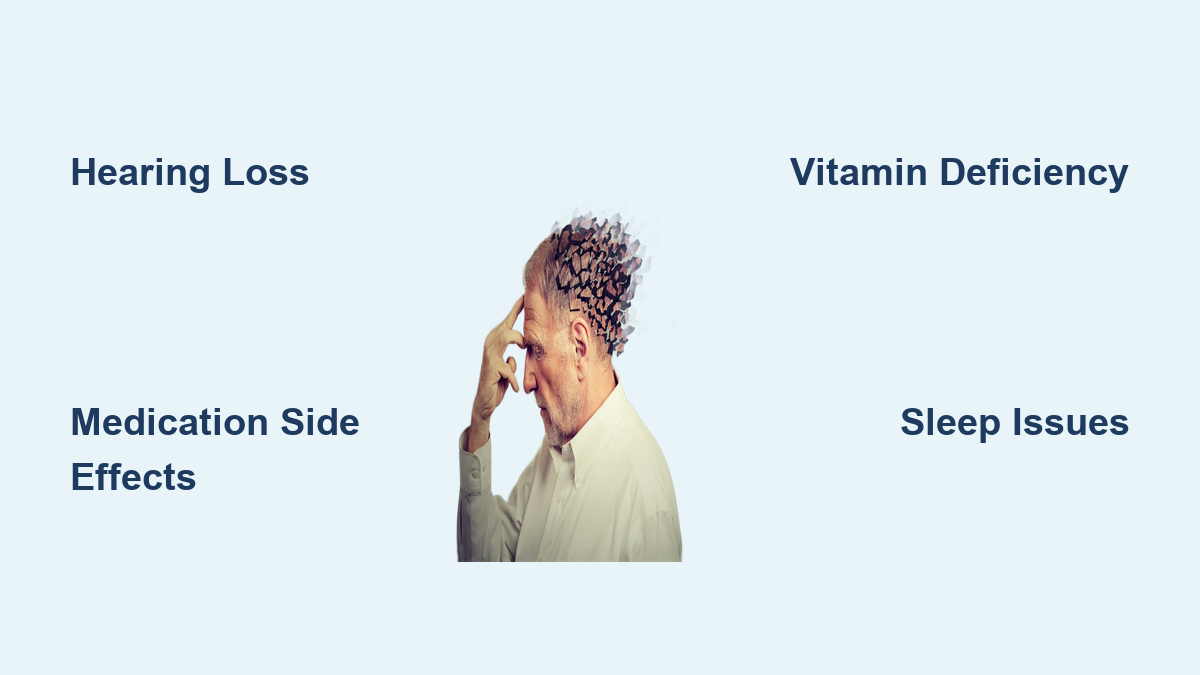
Many memory problems in seniors are not permanent. They stem from treatable conditions that mimic dementia. Addressing these underlying issues can restore cognitive function.
Medication Side Effects That Impair Memory
Certain drugs impair cognition, especially when combined. High-risk medications include benzodiazepines like diazepam that cause confusion and memory gaps, anticholinergics like diphenhydramine strongly linked to cognitive decline, opioids leading to mental clouding, tricyclic antidepressants reducing alertness, and first-generation antipsychotics blunting thinking.
Review all medications with a doctor. Even over-the-counter drugs like allergy meds can impair memory.
Nutritional Deficiencies Damaging Brain Function
Lack of key nutrients damages brain function. Critical deficiencies include vitamin B12 causing confusion, memory loss, and nerve damage common in seniors due to poor absorption, thiamine leading to Wernicke-Korsakoff syndrome with severe amnesia, folate linked to cognitive slowing, vitamin D correlating with higher dementia risk, and omega-3s supporting neuron health and synaptic function.
Supplements or dietary changes can reverse these issues.
How Depression and Anxiety Mimic Dementia
Depression in seniors often presents as pseudodementia. Symptoms look like dementia but improve with treatment. Signs include mental sluggishness, poor concentration, forgetfulness, and apathy. Anxiety increases distractibility and impairs focus. Treating mood disorders frequently restores cognitive clarity.
Sleep Disorders Sabotaging Memory
Poor sleep sabotages memory consolidation. Key culprits include sleep apnea interrupting oxygen flow and harming the hippocampus, insomnia reducing restorative deep sleep, and REM sleep behavior disorder linked to Lewy body dementia.
Treating sleep problems improves alertness, mood, and recall.
Medical Conditions That Look Like Dementia
Hypothyroidism slows thinking and causes fatigue and forgetfulness. Diabetes damages blood vessels in the brain through high blood sugar. Heart disease reduces blood flow to the brain. Urinary tract infections can trigger sudden confusion called delirium in seniors. Even mild dehydration impairs attention and short-term memory.
These conditions are diagnosable and treatable, often leading to dramatic cognitive improvement.
How Hearing Loss and Vision Problems Affect Memory
Memory isn’t just about the brain. It’s shaped by how we interact with the world. Sensory impairments create additional cognitive burdens that affect memory function.
The Hidden Connection Between Hearing Loss and Cognitive Decline
Untreated hearing loss forces the brain to work harder to process sound, draining resources from memory and attention. Research shows hearing loss increases dementia risk by up to 50% and accelerates brain atrophy in areas linked to memory. Hearing aids may slow cognitive decline by improving input and social engagement.
Why Vision Problems Increase Memory Strain
Poor eyesight increases risk of falls, confusion, and isolation. Difficulty reading or recognizing faces can mimic memory issues. Regular eye exams and updated prescriptions are essential for maintaining cognitive clarity.
Loneliness Speeds Cognitive Decline
Social isolation is a major risk factor for dementia. Less mental stimulation, reduced emotional support, lower motivation to stay active, and higher inflammation and stress hormones all contribute. Seniors with strong social ties perform better on memory tests and decline more slowly.
Getting a Proper Memory Evaluation
A proper evaluation can distinguish normal aging from MCI, dementia, or reversible causes. Understanding the diagnostic process helps you know what to expect.
What Happens During a Memory Assessment
Doctors start with a clinical interview asking about when memory issues started, impact on daily tasks, mood and behavior changes, medication use, and family history. Input from a family member is often crucial, especially if the patient lacks awareness.
Cognitive testing follows using tools like the MMSE scoring 0 to 30 where under 24 suggests possible dementia, or the MoCA more sensitive to MCI where under 26 is concerning.
Physical and neurological exams check for signs of stroke or Parkinsonism, gait and balance issues, vision and hearing problems, and general health status.
Lab tests may check vitamin B12 and folate, thyroid function, blood sugar, kidney and liver function, and inflammation markers.
Brain imaging through MRI or CT scan detects atrophy, strokes, tumors, or vascular damage. PET scans reveal amyloid plaques or metabolic changes in specialized cases.
Why Early Diagnosis Matters
Catching memory issues early opens doors to treatment, planning, and support. Don’t wait until problems become severe.
Benefits of Acting Quickly
Treat reversible causes like B12 deficiency or medication side effects. Start cognitive therapies like cholinesterase inhibitors sooner. Adopt brain-healthy habits that may slow progression. Create legal and care plans while still capable. Join clinical trials for emerging treatments like anti-amyloid drugs.
Many seniors hide symptoms while families unknowingly compensate. Early diagnosis reduces anxiety through clarity and control.
Protecting Your Brain: Evidence-Based Prevention Strategies
You cannot stop aging, but you can protect your brain with lifestyle choices. These strategies help maintain cognitive function and delay decline.
Exercise: The Most Powerful Brain Protection
Aim for 30 minutes of activity most days through brisk walking, swimming, strength training, or tai chi. Exercise boosts blood flow to the brain, increases hippocampal volume, and reduces risk of stroke and diabetes. Any kind of exercise is better than sitting around.
Brain-Boosting Foods to Include
Follow a Mediterranean or MIND diet emphasizing leafy greens like kale and spinach, berries including blueberries and strawberries, nuts and seeds, fatty fish like salmon and sardines, whole grains, and olive oil. Avoid processed foods, excess sugar, and trans fats.
Mental Activities That Preserve Memory
Engage in cognitively stimulating activities like reading, crosswords and Sudoku, learning a language or instrument, playing strategy games like chess and bridge, and using brain-training apps combined with real-world puzzles. Keep it enjoyable because frustration reduces benefits.
Sleep and Stress Management
Sleep 7 to 9 hours nightly in a cool, dark room and avoid screens before bed. Treat sleep apnea if diagnosed. Practice mindfulness, meditation, or deep breathing to lower cortisol. Chronic stress damages the hippocampus over time.
Staying Socially Connected
Join clubs or volunteer groups, faith communities, exercise classes like pickleball or dance, or book or game nights. Social interaction combines mental, physical, and emotional benefits.
Frequently Asked Questions About Elderly Memory Loss
Can dehydration cause memory problems in seniors?
Yes. Even mild dehydration can impair concentration, alertness, and short-term memory. Older adults are more vulnerable due to reduced thirst sensation. Daily fluid intake should include water, herbal teas, and electrolyte-rich beverages.
Does hearing loss directly cause memory problems?
Untreated hearing loss forces the brain to work harder to process sound, increasing cognitive load and reducing resources for memory. It is also linked to social isolation and faster cognitive decline. Hearing aids can mitigate these effects and support cognitive health.
What’s the difference between normal aging and dementia?
Normal aging involves mild, stable forgetfulness with intact awareness and no interference with independence. Dementia involves progressive, disruptive symptoms, lack of self-awareness, and impaired daily functioning. The key differences are severity, progression, and functional impact.
Can medications cause memory loss in elderly?
Yes. Many common medications impair cognition, especially when combined. Benzodiazepines, anticholinergics, opioids, tricyclic antidepressants, and first-generation antipsychotics are known to cause memory problems. A thorough medication review with a doctor can identify problematic drugs.
Is memory loss reversible in seniors?
Many causes of memory loss are reversible. Vitamin B12 deficiency, thyroid problems, depression, sleep disorders, medication side effects, and urinary tract infections can all cause memory problems that improve with treatment. Even some cases of mild cognitive impairment stabilize or improve.
How can I help a senior with memory loss?
Encourage open conversations about memory concerns. Help them see a doctor for proper evaluation. Support lifestyle changes including exercise, healthy eating, social engagement, and mental stimulation. Use memory aids like calendars and notes. Be patient and provide reassurance.
Key Takeaways for Understanding Elderly Forgetfulness
Memory changes are part of aging, but severe or worsening forgetfulness is not inevitable. Understanding the causes helps you take appropriate action.
Normal aging brings slower recall and mild lapses but no functional loss. Mild cognitive impairment shows noticeable decline with increased dementia risk. Dementia is progressive and disabling, affecting independence. Many reversible causes exist, including medications, B12 deficiency, depression, and sleep apnea. Lifestyle factors like exercise, diet, sleep, and mental activity protect the brain. Sensory health matters because hearing and vision loss strain cognition. Social connections reduce isolation and support mental sharpness.
Subjective memory complaints increase dementia risk by 4.5 times, so do not ignore them. But also do not assume the worst. Many causes are treatable.
Take action by talking to your doctor about memory concerns, reviewing medications and lab work, staying active, eating well, sleeping deeply, and connecting with others. It’s never too late or too early to start taking care of your body and your brain.