
Unintentional weight loss in the elderly is not a normal part of aging, yet many families overlook it assuming that losing a few pounds is just what happens as people get older. In reality, sudden unexplained weight loss in seniors is linked to higher risks of frailty, falls, infections, hospitalization, and even death. Studies show that up to 20% of older adults experience unexpected weight loss, often due to a mix of medical, physical, and social factors. The good news? Most cases can be prevented or reversed with early action and the right strategies.
This guide delivers evidence-based methods to maintain healthy weight in older adults, covering everything from boosting calorie intake and enhancing meal appeal to addressing medical causes and leveraging community resources. You will learn practical steps, warning signs to watch for, and how to create a supportive eating environment that encourages consistent nutrition.
Track Weight Changes Consistently
Weigh Seniors Twice Weekly
Early detection is your best defense against dangerous weight loss. Seniors should be weighed at least twice weekly, ideally at the same time of day and in similar clothing. Use a reliable scale and log results to spot trends over time. A loss of 5% of body weight in one month or 10% over six months demands immediate medical attention.
For example, a 150-pound person losing 7.5 pounds in a single month requires urgent evaluation. Caregivers should assist with weighing if balance or mobility is a concern. Digital scales with voice output or large displays can help those with vision or cognitive challenges.
Recognize Subtle Warning Signs
Weight loss often starts quietly before the scale moves significantly. Watch for these early indicators:
- Looser-fitting clothes or belts
- Reduced energy or increased fatigue
- Complaints of being cold
- Frequent skipped meals or smaller portions
- Dentures fitting differently
Combine regular weight tracking with observation for the full picture. Do not wait for dramatic loss before acting.
Rule Out Medical Causes First
Get a Comprehensive Medical Evaluation
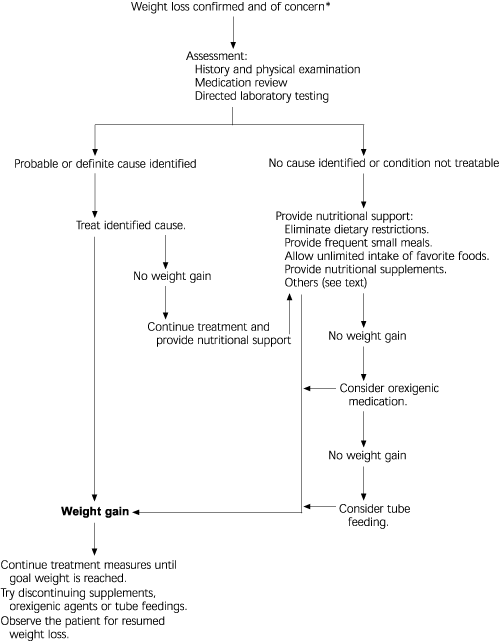
Unintentional weight loss can be the first sign of serious disease. Common medical causes include cancer, hyperthyroidism, chronic infections, uncontrolled diabetes, heart failure, COPD, and neurological conditions like Alzheimer or Parkinson disease. A doctor should evaluate any significant weight loss with a full history, physical exam, and laboratory tests including CBC, thyroid panel, albumin, prealbumin, B12, and iron studies.
Review All Medications
Many drugs reduce appetite or alter taste. Common culprits include opioids, some SSRIs, statins, diuretics, and NSAIDs. Seniors taking five or more medications face higher risk. Work with a physician to review all prescriptions and over-the-counter drugs. Adjust or switch medications when possible to minimize appetite suppression.
Address Dental and Swallowing Problems
Painful teeth, ill-fitting dentures, or dry mouth make eating difficult. Ask directly whether chewing causes pain, dentures slip, or swallowing is difficult. Fix dental issues promptly. For dry mouth, try sugar-free gum, oral moisturizers, or sip water frequently. For dysphagia, a speech therapist can recommend safe food textures.
Boost Calorie and Protein Intake
Add High-Calorie Boosters to Meals
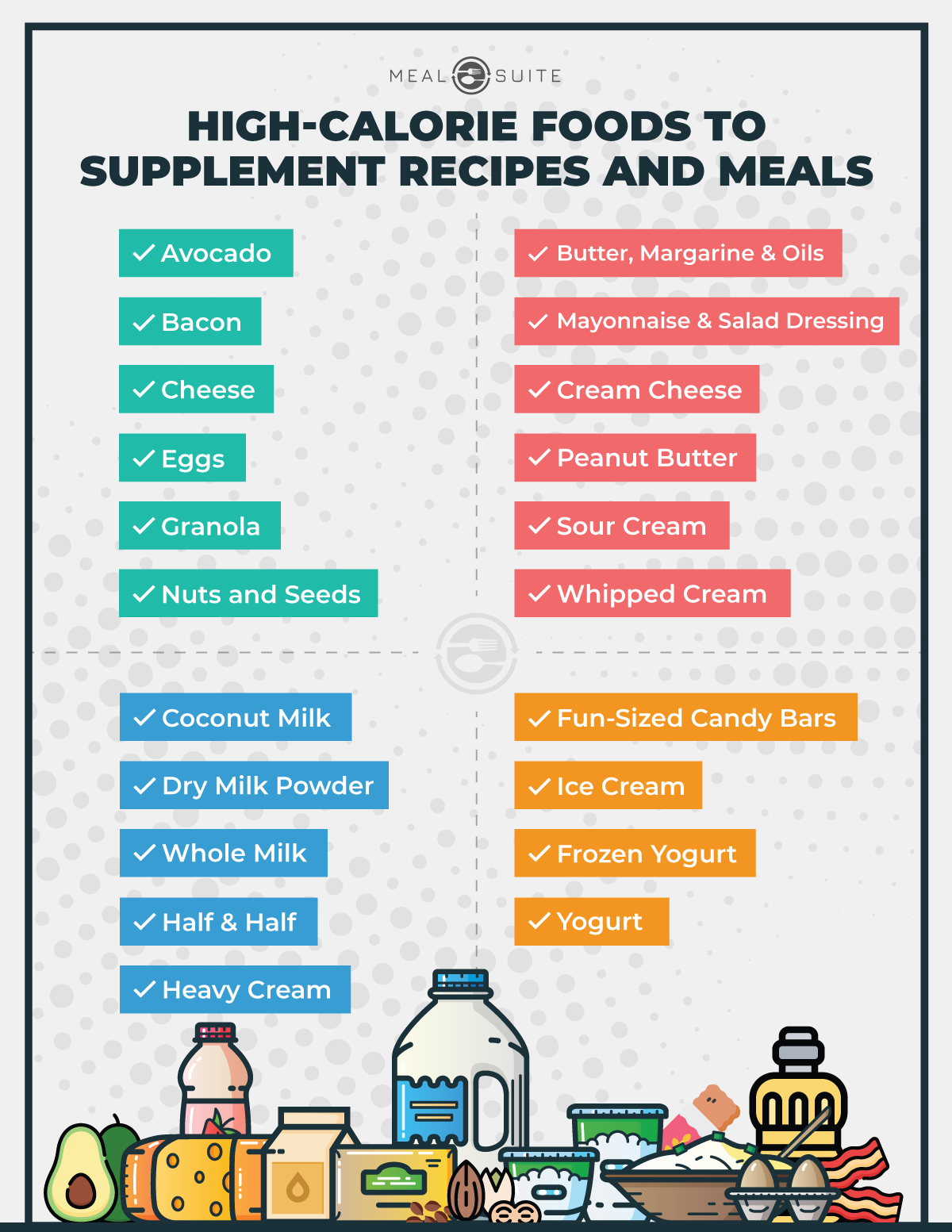
Older adults often eat less due to smaller appetites. The solution is to increase energy density without increasing portion size. Use these simple additions throughout the day:
- Butter or margarine added to potatoes, rice, pasta, and vegetables
- Cream cheese spread on toast, apples, or crackers
- Whipped cream topping desserts, fruit, or hot cocoa
- Mayonnaise mixed into tuna, egg, or chicken salad
- Cheese melted over eggs, vegetables, or casseroles
- Peanut butter spread on toast, bananas, or celery
- Powdered milk added to soups, mashed potatoes, or milkshakes
- Honey or jam glazed on meats or sweetening oatmeal
- Extra eggs beaten into casseroles or scrambled dishes
- Gravies and sauces poured over meats, noodles, or rice
A single tablespoon of butter adds about 100 calories with minimal effort.
Use Oral Nutritional Supplements
When food alone is not enough, liquid supplements like Ensure, Boost, or Glucerna help bridge the gap. Choose high-protein, high-calorie formulas. Serve supplements between meals rather than with food to avoid early fullness. Many prefer them chilled or at room temperature. For diabetics, use glucose-control formulas. Aim for one to two supplements daily unless advised otherwise by a healthcare provider.
Optimize Meal Timing and Frequency
Offer Small, Frequent Meals
Three large meals can overwhelm older adults with diminished appetites. Instead, offer five to six small meals or snacks every two to three hours. This keeps energy intake steady without taxing digestion. Space food throughout the day rather than concentrating calories in a single sitting.
Stock High-Calorie Snacks
Keep easy, calorie-dense options visible and within reach. Effective snacks include trail mix with nuts and dried fruit, cheese sticks, full-fat yogurt, nut butter packets, instant breakfast drinks, pudding or custard, and granola bars with more than 200 calories each. For those with memory issues, keep snacks in plain sight to encourage grazing.
Enhance Food Appeal and Flavor
Make Meals More Flavorful
As people age, their sense of taste and smell fades. Food can seem bland, reducing appetite. Combat this with herbs and spices like basil, oregano, garlic, and cinnamon. Add lemon juice or vinegar for brightness. Use soy sauce or Worcestershire for umami. Focus on aromatic, warm foods rather than cold dishes, as they stimulate appetite better.
Improve Food Presentation
Presentation matters significantly. Use color-contrasted plates to help those with vision loss. Serve smaller portions on smaller plates to make meals look more substantial. Include familiar favorites and rotate menus weekly to avoid meal monotony. A visually appealing meal encourages eating.
Promote Social and Supported Eating
Make Mealtimes Social
Eating alone reduces motivation. Seniors consume up to 50% more food when dining with others. Encourage family meals, even virtual ones via tablet. Community dining at senior centers provides both nutrition and companionship. If cooking is difficult, use Meals on Wheels or local meal delivery programs that offer human connection along with food.
Support Cognitive and Physical Limitations
For those with dementia or arthritis, offer finger foods like sandwiches, meatballs, and cheese cubes. Use adaptive utensils with large grips or weighted designs. Provide non-slip mats and plate guards. Serve one dish at a time to reduce confusion. Stick to a consistent routine since confusion drops when meals happen at the same time each day.
Improve Food Access and Independence
Simplify Meal Preparation
Mobility, vision, or cognitive issues can make cooking dangerous or overwhelming. Help by pre-cutting fruits and vegetables. Keep ready-to-eat meals like frozen entrees and canned soup on hand. Use electric can openers, microwaves, or slow cookers. Consider grocery delivery services to reduce physical strain.
Address Food Insecurity
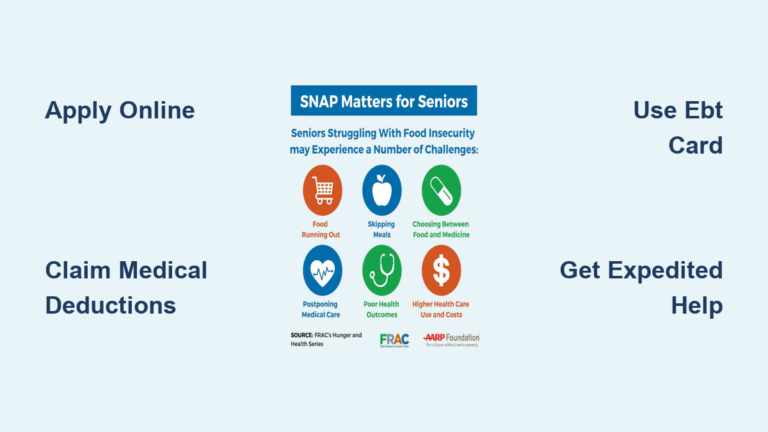
Low-income seniors may skip meals to save money. Connect them with SNAP benefits, the Senior Farmers Market Nutrition Program, local food banks, and congregate meal sites at churches or community centers. Many programs offer free or low-cost meals specifically tailored to seniors.
Consider Professional Support
Consult a Registered Dietitian
A registered dietitian creates personalized plans based on health status, food preferences, and budget. They can calculate daily calorie and protein needs, recommend supplements, suggest texture modifications, and review medication-nutrient interactions. Professional guidance ensures nutritional needs are met safely.
Explore Senior Living Options When Needed
Assisted living and memory care communities offer daily monitored meals, nutritionist-designed menus, social dining rooms, and medication management. These environments provide structured support for seniors struggling to maintain weight independently.
Key Takeaways for Preventing Weight Loss in Seniors

Preventing weight loss in elderly adults requires a proactive, multifactorial approach. First, monitor weight consistently and act quickly when loss exceeds 5% in one month. Second, always rule out medical causes including cancer, thyroid disorders, medication effects, and dental problems before focusing solely on dietary changes. Third, boost calorie intake through frequent small meals, calorie-dense boosters like butter and cheese, and nutritional supplements when needed.
With consistent monitoring, proper medical evaluation, and practical food strategies, most cases of unwanted weight loss can be stabilized or reversed. The goal is preserving strength, independence, and quality of life. If you are concerned about weight loss in an older adult, contact a healthcare provider or registered dietitian today to develop a personalized plan.
Frequently Asked Questions About Preventing Weight Loss in Elderly
What is considered unhealthy weight loss in seniors?
Weight loss is medically concerning when a senior loses 5% of body weight within one month or 10% over six months. For example, a 150-pound person losing 7.5 pounds in a month warrants immediate evaluation.
Why do elderly people lose weight without trying?
Common causes include medical conditions like cancer, thyroid disorders, or diabetes. Medications may suppress appetite. Sensory changes reduce food enjoyment. Psychological factors like depression or isolation also play significant roles. A thorough medical evaluation is essential.
How can I help an elderly person gain weight?
Focus on increasing calorie density rather than portion size. Add butter, cheese, peanut butter, and cream to foods. Offer five to six small meals daily. Use high-calorie snacks like trail mix and full-fat yogurt. Consider nutritional supplements between meals.
When should I worry about an elderly person not eating?
Worry if weight loss exceeds 5% in one month, if they refuse favorite foods, show signs of depression, have difficulty swallowing, or appear increasingly weak or fatigued. Contact a healthcare provider promptly.
What foods are best for elderly weight gain?
Calorie-dense foods work best including butter, olive oil, cheese, nuts, nut butters, whole milk, cream-based soups, eggs, avocados, and high-protein supplements. Focus on protein-rich foods to preserve muscle mass while adding calories.
How can I get an elderly person to eat more?
Make meals social by eating together. Enhance flavors with herbs and spices. Use attractive presentation with color-contrasted plates. Offer finger foods for those with utensil difficulties. Maintain consistent meal times and reduce distractions during eating.