

When a parent or loved one begins to slow down, missing appointments or struggling with stairs, it often signals that independent living may no longer be sustainable. For millions of Americans, the question becomes: What comes next? The answer lies in senior housing, a diverse system designed to support older adults as their needs change. But how does senior housing work, exactly?
Senior housing isn’t a single solution. It spans a spectrum of living arrangements tailored to different independence levels, health needs, and budgets. From subsidized apartments for low-income seniors to luxury campuses offering lifelong care, these options help older adults age safely, maintain dignity, and stay socially connected. This guide breaks down every major model, explaining funding, eligibility, and what to expect.
HUD Subsidized Senior Housing
For low-income seniors seeking affordable, stable housing, government-backed options provide essential support without compromising dignity.
Who Qualifies for HUD Housing
Seniors aged 62 or older with limited income, typically below 50% of the Area Median Income, can apply for HUD Section 202 supportive housing. Eligibility depends on household size and regional income limits, with priority given to those most in need.
How Rent Is Calculated
Residents pay 30% of their adjusted gross income, minus approved medical expenses. This ensures housing costs remain proportional to income, reducing financial strain. There is no entry fee, and residents can stay indefinitely as long as they meet program rules.
What Services Are Included
While not a medical care setting, HUD 202 properties offer case management, transportation coordination, wellness checks, social activities, and emergency call systems. Buildings feature universal accessibility with grab bars, walk-in showers, non-slip flooring, and lever-style door handles.
Key Limitations
HUD housing has important constraints. No personal care or nursing services are provided, so residents must live independently. Long waiting lists exist due to high demand and limited availability. Not all buildings have elevators or ground-floor units, which can limit access for those with mobility challenges.
Continuing Care Retirement Communities
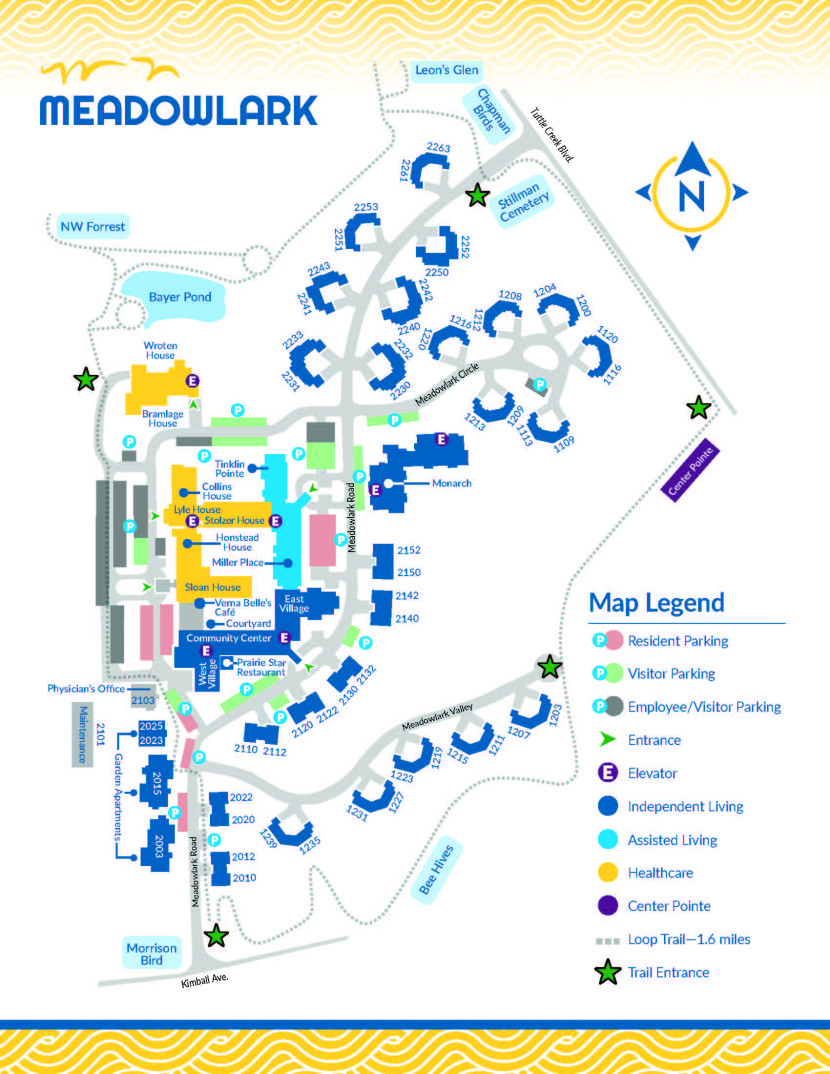
CCRCs offer a complete aging-in-place solution with seamless transitions across care levels, all on one campus.
How CCRCs Support Aging in Place
Residents begin in independent living units such as apartments, cottages, or townhomes. They can move to assisted living, memory care, or skilled nursing as health declines without leaving the community. This eliminates the stress of repeated relocations.
Entry Fees and Monthly Costs
Entry fees range from $50,000 to over $500,000, with an average of $402,000. Monthly fees typically range from $3,000 to $6,000 or more, covering housing, meals, amenities, and services. Most seniors fund the entry fee by selling their primary home.
Three Types of CCRC Contracts
| Contract Type | Future Care Coverage | Refund Policy |
|---|---|---|
| Life Care (Extensive) | Full coverage at little to no extra cost | Often partial refund |
| Modified | Partial coverage, extra fees after threshold | Varies |
| Fee-for-Service | Pay market rates for higher care | Full or partial refund |
Legal and financial counseling is strongly recommended before signing any CCRC contract.
Why Families Choose CCRCs
Couples can stay together even if one partner needs skilled nursing. These communities offer resort-style amenities including fitness centers, pools, salons, and libraries. The peace of mind knowing future care is secured makes CCRCs attractive to many families.
Village Aging-in-Place Networks
Villages are community-driven organizations that help seniors stay in their homes with coordinated support.
How Village Memberships Work
Annual dues typically range from $300 to $1,000 per year. Services include transportation to medical visits, home repairs and maintenance, social events and educational programs, and technology help with emergency response coordination. Most services rely on volunteers, with specialized tasks handled by vetted contractors.
Benefits of the Village Model
The Village model enables true aging in place without isolation. Costs are significantly lower than facility-based care. Seniors maintain strong social connections and neighborhood ties, which supports overall well-being.
Limitations to Consider
Villages are available only in select urban and suburban areas. Members must be able to live independently. Service availability depends on volunteer capacity, which varies by community.
Senior Cohousing Communities
Cohousing combines private living with shared responsibilities and deep community engagement.
Design and Daily Life
Private single-story homes face a central courtyard. Shared spaces include a community kitchen, dining hall, garden, and guest rooms. Weekly communal meals and regular meetings are common. Residents co-manage the community through a resident-run HOA.
How Care Is Handled
No formal medical care is provided. Neighbors help each other with errands, transportation, and light support. As needs grow, residents coordinate private aides or therapy services independently.
Financial Structure
Homes are purchased like traditional real estate. HOA fees cover shared maintenance, utilities, and some care coordination. There is no large entry fee, though relocation may be required to join an existing community.
Senior Apartments and Independent Living
These communities offer active seniors a maintenance-free lifestyle with social and safety benefits.
What Makes Them Different
Age-restricted communities typically require residents to be 62 or older. Private apartments feature universal design elements. Amenities include fitness centers, pools, salons, dining venues, and scheduled activities. Security and emergency call systems operate 24/7.
Cost and Payment
Monthly rent ranges from $2,500 to $5,000. No entry fee exists, making this ideal for those avoiding large upfront costs. Payments come from private funds, though some subsidized variants exist.
Ideal Candidates
Senior apartments suit active seniors downsizing from family homes. Those wanting safety, convenience, and social engagement without medical care find these communities well-matched to their needs.
Assisted Living Facilities
ALFs serve seniors who need help with daily tasks but don’t require 24/7 nursing care.
When Is Assisted Living Needed
Assisted living becomes appropriate when a senior needs help with two or more activities of daily living, including bathing, dressing, toileting, eating, and mobility.
Services Provided
Facilities offer personal care assistance, medication management, meal preparation and dining, housekeeping and laundry, social programming, and 24/7 supervision. Many include secured memory care units with trained staff and structured routines.
Cost and Funding
The median cost is approximately $4,500 per month. Funding sources include private funds, long-term care insurance, Veterans Aid and Attendance benefits, and Medicaid waivers in some states.
Nursing Homes
For seniors with serious medical conditions requiring round-the-clock nursing, skilled nursing facilities provide comprehensive care.
Who Needs Skilled Nursing
Post-hospital rehabilitation after stroke or surgery, advanced dementia, and chronic conditions requiring IV therapy, wound care, or feeding tubes all indicate a need for skilled nursing care.
Services Offered
Services include 24/7 care by RNs and LPNs, physical, occupational, and speech therapy, full ADL assistance, dietary planning, and end-of-life hospice care.
Cost and Payment Options
Private rooms cost approximately $10,965 per month, while semi-private rooms average $9,555 per month. Medicare covers short-term rehab up to 100 days. Medicaid serves as the primary payer for long-term stays for those who qualify. Private pay and long-term care insurance are also options.
Memory Care and Specialized Programs
Dedicated care for cognitive decline ensures safety and dignity for seniors with dementia.
Features of Memory Care
Secure, enclosed environments prevent wandering. Staff members are trained in dementia care techniques. Cognitive stimulation programs are provided. Assistance with meals, hygiene, and medication is available.
Cost Considerations
Memory care adds $1,000 to $3,000 per month on top of base housing fees.
In-Home Care and Support Services
Many seniors prefer remaining in their own homes with varying levels of support.
Levels of In-Home Support
Minimal support includes daily check-ins and light housekeeping. Moderate support covers medication reminders, meals, and shopping. High-level care provides 24/7 aides, skilled nursing, and therapy services.
When to Consider Transitioning
If care needs exceed what is safe at home, transitioning to assisted living or a CCRC becomes necessary. Caregiver burnout, social isolation, and fall risks are all indicators that a move should be considered.
Cost Comparison at a Glance

| Housing Type | Monthly Cost | Entry Fee | Medical Care |
|---|---|---|---|
| HUD Section 202 | 30% of income | None | No |
| Independent Living | $2,500–$5,000 | None | No |
| CCRC | $3,000–$6,000+ | $50K–$500K+ | Yes |
| Assisted Living | ~$4,500 | $0–$10K | Yes |
| Nursing Home | ~$9,555 | None | Yes |
| Village | $300–$1,000/year | None | No |
Choosing the Right Option
Matching specific needs to housing solutions produces the best outcomes. Low-income seniors needing affordable housing should explore HUD Section 202. Active seniors wanting social engagement thrive in senior apartments, Villages, or cohousing. Those wishing to stay home benefit from in-home care combined with Village support. Seniors needing help with ADLs are well-suited for assisted living. Individuals with chronic illness may need CCRCs or nursing homes. Those worried about future care needs benefit from CCRCs for seamless transitions.
Frequently Asked Questions About Senior Housing
What is the cheapest senior housing option?
HUD Section 202 subsidized housing is typically the cheapest option. Rent equals only 30% of adjusted income, and there is no entry fee. Eligibility requires being 62 or older with income below area median limits.
Can I bring my pet to senior housing?
Most senior housing options allow pets. HUD properties typically permit indoor cats and small to medium dogs. Senior apartments and CCRCs often have pet-friendly policies with dog parks. Cohousing communities are particularly pet-friendly, with some allowing chickens, goats, and horses.
What happens if I run out of money in a CCRC?
Financial situations can change. Some CCRCs offer financial assistance or have reserves for residents who exhaust their resources. However, policies vary significantly. Review contract terms carefully and consider consulting an elder law attorney before signing.
Does Medicare cover senior housing costs?
Medicare covers short-term skilled nursing facility stays, up to 100 days per benefit period, but does not cover long-term senior housing. It does not pay for assisted living, independent living, or CCRCs. Medicaid may cover some costs for eligible low-income seniors.
How do I know when it’s time to move from independent living?
Warning signs include difficulty managing daily tasks, frequent falls, missed medications, isolation or depression, and caregiver burnout for family members. A geriatric care manager can help assess whether a transition to higher care levels is appropriate.
What is the difference between assisted living and nursing home care?
Assisted living helps with ADLs like bathing and dressing but does not provide skilled nursing care. Nursing homes provide 24/7 skilled nursing for serious medical conditions. Assisted living costs average $4,500 monthly, while nursing homes average $9,555 for semi-private rooms.
Key Takeaways for Understanding How Senior Housing Works
Senior housing works by matching older adults with living arrangements that match their independence level, health needs, and budget. The system spans from government-subsidized apartments for low-income seniors to luxury continuing care communities offering a full continuum of services. Understanding how each option functions, who qualifies, and what each costs empowers families to make informed decisions. Starting the search early, visiting communities in person, and consulting financial advisors or geriatric care managers leads to better outcomes. With proper planning, aging can be a time of comfort, connection, and peace of mind.