
Losing weight unintentionally after age 65 is more common than many realize, impacting up to 13% of seniors each year, but it is never something to ignore. When an older adult starts shedding pounds without trying, it can signal underlying health issues or lead to serious consequences like muscle loss, weakened immunity, and increased fall risk. The good news is that healthy weight gain in the elderly is absolutely achievable with the right approach. This guide focuses on practical, science-backed ways to increase weight in older adults through nutrient-rich foods, smart eating habits, physical activity, and support systems. You will learn how to add calories the right way, boost appetite, modify meals for chewing or taste challenges, and know when to involve healthcare professionals.
Identify Unintended Weight Loss Early
Catching weight loss early improves outcomes dramatically. Many seniors do not realize they have lost weight until clothes become loose or energy levels drop significantly.
Know the Warning Signs
A loss of 4% to 5% of body weight within 12 months without dieting is a red flag that warrants attention. A decline of 10% or more of body weight over 5 to 10 years needs medical review. Sudden fatigue, weakness, or changes in clothing fit may be early clues that weight is dropping unintentionally.
Example: A 150-pound senior losing just 6 pounds (4%) unintentionally in a year should seek evaluation from a healthcare provider.
Rule Out Medical Causes First
Before focusing on weight gain strategies, consult a doctor to exclude conditions such as cancer, hyperthyroidism, digestive disorders like celiac disease or malabsorption, depression or dementia, diabetes complications, and medication side effects from drugs like diuretics or antidepressants. Only after medical causes are addressed should nutritional strategies take full focus.
Choose Nutrient-Dense, High-Calorie Foods
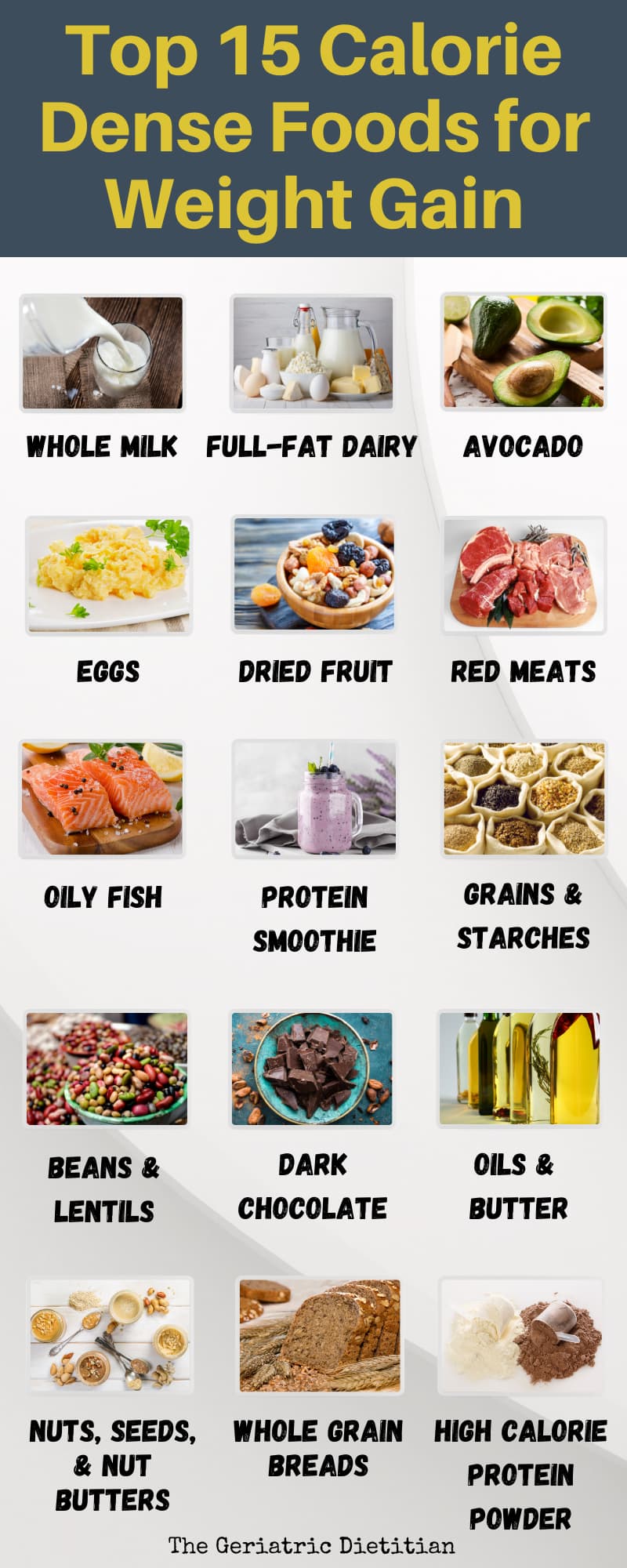
The goal is not just more calories but better ones. Empty calories from sugar and processed fats increase disease risk without improving strength or energy levels.
Prioritize These Food Groups
High-protein options should be the foundation of every meal. Eggs (aim for 7 to 8 per week), chicken, turkey, lean beef, pork, and fatty fish like salmon (2 to 3 servings weekly) provide essential amino acids. Greek yogurt, cottage cheese, and full-fat cheese offer protein alongside healthy fats. Plant proteins including lentils, beans, tofu, and edamame round out the options.
Healthy fats add calories without adding volume. Avocados and guacamole, nuts and seeds like almonds, walnuts, chia, and flax, nut butters such as peanut and almond (no added sugar), and oils like olive oil and canola oil are excellent choices.
Full-fat dairy choices pack significant calories. Whole milk (3% or homo), full-fat yogurt (20% M.F. or higher), ice cream, custard, and cream-based soups help meet daily calorie goals.
Pro Tip: Replace skim milk with whole milk to add 50 extra calories per cup without increasing volume.
Avoid Low-Nutrient Junk Foods
Steer clear of sugary sodas, packaged cakes and cookies, fried fast food, and candy. These offer calories but worsen inflammation, blood sugar levels, and heart health, which is especially risky for older adults.
Eat More Frequently, Not Just More
Many seniors feel full quickly due to slower digestion or smaller stomach capacity. Eating the same amount spread across fewer meals becomes difficult.
Switch to 5 to 6 Small Meals Daily
Instead of three large meals, try a schedule that includes breakfast, mid-morning snack, lunch, afternoon snack, dinner, and bedtime supper. This spreads calorie intake throughout the day and reduces discomfort from overfilling.
Limit Fluids During Meals
Drinking too much water or tea with meals fills the stomach fast. Instead, sip fluids between meals and save high-calorie drinks like milkshakes for snack times. Use a smaller glass during meals to naturally reduce fluid intake.
Modify Food Texture for Easier Eating
Dental pain, ill-fitting dentures, or swallowing difficulties can make meals painful or impossible. Adapting texture opens up nutritional options.
Soft and Easy-to-Chew Options
Include scrambled eggs, omelets, and souffles, mashed potatoes or sweet potato mash, ground meatballs or meatloaf, pureed soups like lentil or chicken vegetable, smoothies, yogurt, custards, and puddings. Ripe bananas, canned fruit in syrup, and well-cooked grains and vegetables work well too.
Adapt Tough Foods Safely
Use a blender or food processor to turn stews, soups, or cooked meats into smooth textures. Slow-cook meats in a crockpot to tenderize chicken, beef, or pork. Add moisture with gravy, broth, olive oil, or sauces to prevent dryness.
Example: Stir 1 tablespoon of olive oil into mashed potatoes to add 120 calories with no change in volume.
Boost Flavor Without Salt
As taste and smell decline with age, food becomes less appealing, especially when medications dull flavors.
Use Herbs and Spices Creatively
Enhance taste without raising blood pressure using garlic, onion, rosemary, thyme, turmeric, cumin, paprika, and cinnamon. Lemon or lime zest and vinegar (balsamic or apple cider) add brightness.
Add Natural Umami
Foods rich in umami (savory flavor) stimulate appetite. Tomato sauce, low-sodium soy sauce, mushrooms, and aged cheeses like cheddar and parmesan deliver that satisfying savory taste.
Pro Tip: Sprinkle grated cheese on eggs, soups, or pasta to add 50 to 100 extra calories per serving.
Add Calories Strategically to Meals
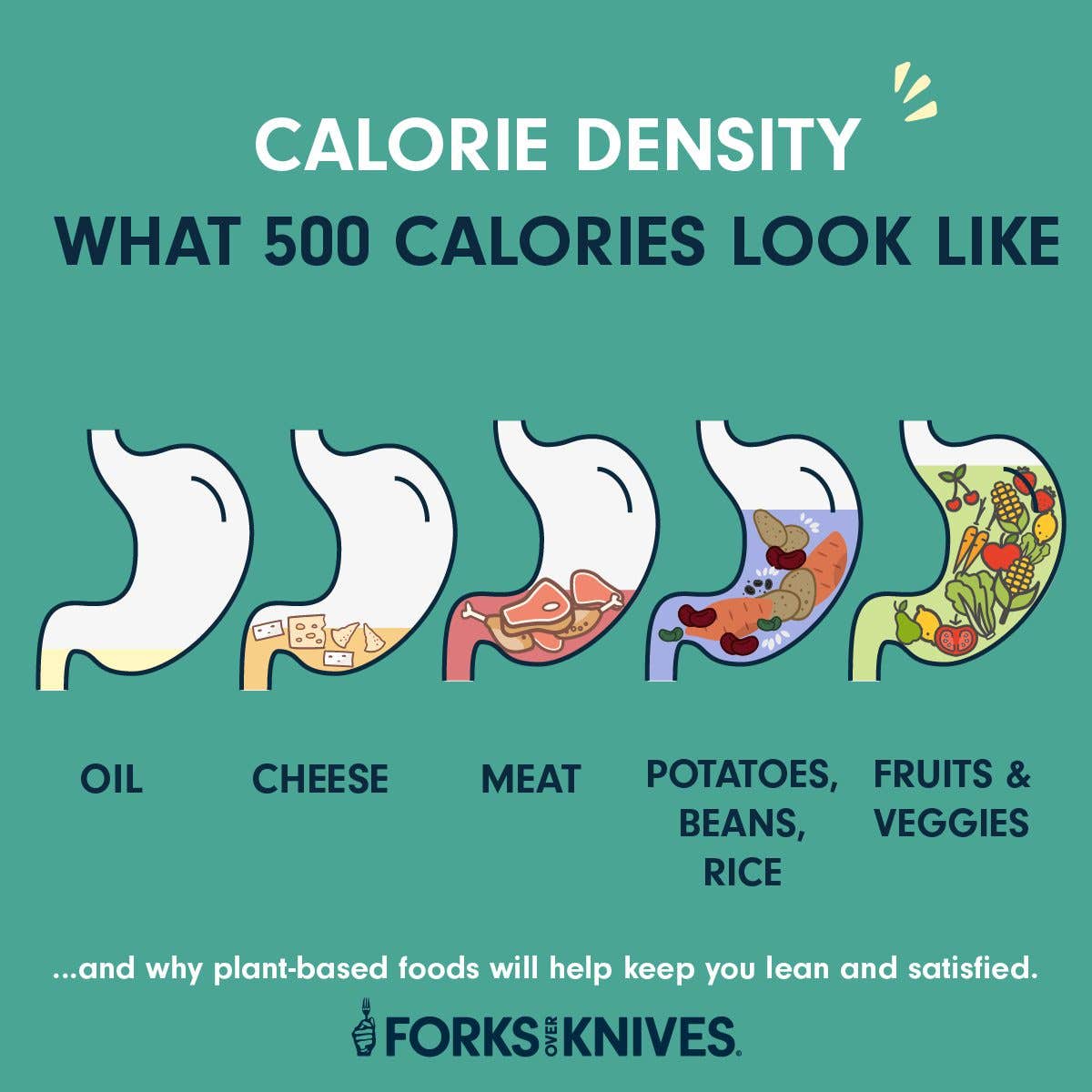
You do not need bigger portions, just smarter ones. Small additions make a big difference over time.
Simple Calorie Boosters
Olive oil adds 120 calories per tablespoon when drizzled on vegetables, rice, or pasta. Butter contributes 100 calories per tablespoon mixed into mashed potatoes or toast. Nut butter provides 90 to 100 calories per tablespoon stirred into oatmeal or smoothies. Dry milk powder adds 70 calories per quarter cup when mixed into milk or soups. Grated cheese contributes 50 to 100 calories per quarter cup sprinkled on casseroles, eggs, or salads.
Example: Adding 1 tablespoon of peanut butter to a banana turns a 105-calorie snack into a 200-plus calorie one.
Include High-Calorie Drinks Between Meals
Liquids are easier to consume than solids, especially for those with poor appetite or dental issues.
Best Nutrient-Rich Drinks
Whole milk (3.25% fat) provides 150 calories per cup. Milkshakes made with milk, banana, ice cream, and nut butter deliver significant calories. Smoothies using milk, yogurt, fruit, oats, and chia seeds offer balanced nutrition. Fortified nutritional shakes like Ensure or Boost (choose high-protein versions) work well. The homemade Sunny Orange Shake combines orange juice, milk, yogurt, banana, and honey.
Rule: Drink these between meals, not before or during, to avoid reducing solid food intake.
Make Your Own Supplement Shake
Try this easy recipe: 1 cup whole milk, half a banana, 2 tablespoons peanut butter, half a cup Greek yogurt, and 1 teaspoon honey. This blends to approximately 500 calories and 20 grams of protein, ideal as a mid-afternoon snack.
Use Supplements Wisely
When food alone is not enough, supplements can help, but only under professional guidance.
Types of Nutritional Supplements
Liquid shakes like Ensure or Boost (aim for 15 grams or more protein per serving) are convenient. Protein powders, whether whey or plant-based, mix into drinks or oatmeal. Pudding-style options like Boost Breeze work well for texture-sensitive seniors.
Guidelines for Safe Use
Take supplements as snacks, not meal replacements. Choose low-sugar options when possible. Consult a doctor or dietitian first, especially if kidney issues exist. Monitor for digestive side effects like bloating or diarrhea.
Warning: Never rely solely on supplements. Real food provides fiber, antioxidants, and texture variety that supplements cannot match.
Stay Active to Build Muscle, Not Just Fat
Exercise does not burn away gains. It supports them by increasing appetite and building lean mass.
Why Strength Training Matters
Resistance training prevents sarcopenia (muscle loss with aging), improves balance and reduces fall risk, and boosts metabolism and hunger signals.
Recommended Exercises
Light dumbbells or resistance bands used 2 to 3 times per week build strength. Bodyweight moves like sit-to-stands, wall push-ups, and step-ups are effective. Balance work through tai chi, yoga, or heel-to-toe walking reduces injury risk. Low-impact cardio like walking, swimming, or stationary cycling maintains cardiovascular health.
Safety First: Get medical clearance before starting any new program, especially with heart or joint conditions.
Overcome Social and Practical Barriers
Even with the best plan, real-life obstacles can block progress.
Common Challenges and Solutions
Living alone and eating alone can be addressed by joining senior center meals or Meals on Wheels. Inability to shop or cook can be managed through grocery delivery or home care services. Depression or loneliness may improve with counseling or inviting family for shared meals. Limited income can be supported through food banks, SNAP, or subsidized meal programs.
Leverage Support Systems
Caregivers help prepare calorie-boosted meals and encourage eating. Family members can schedule regular meal visits, even video calls during dinner. Community programs like Meals on Wheels deliver hot, balanced meals and check on well-being daily.
Follow a Sample 7-Day Weight Gain Plan
A structured plan makes it easier to hit calorie and protein goals consistently.
Key Features of This Plan
This plan includes at least 3.5 dairy servings per day, 7 to 8 eggs per week, 3 fish meals weekly, daily leafy greens and colorful vegetables, calorie-dense snacks, and all meals adaptable for soft textures.
Sample Day One
Breakfast: Porridge made with 1.5 cups milk plus a banana. Mid-morning snack: Glass of milk plus toast with baked beans. Lunch: Egg and chicken salad bowl plus yogurt. Afternoon snack: Apple with peanut butter. Dinner: Chicken and cashew noodle stir-fry cooked in peanut oil. Bedtime supper: Fruit salad with ice cream.
Sample Day Two
Breakfast: Peanut butter on toast plus milk plus orange. Lunch: Grilled fish with steamed vegetables plus buttered roll plus yogurt. Afternoon snack: Avocado on rye toast. Dinner: Greek-style egg lemon soup with chicken plus mixed salad. Bedtime supper: Fresh fruit and cheese platter.
Sample Day Three
Breakfast: Mushroom souffle omelette plus milk plus pear. Lunch: Lentil, vegetable, and barley soup plus berries. Afternoon snack: Yogurt. Dinner: Spaghetti bolognese with olive oil and cheese plus side salad. Bedtime supper: Ricotta cheese with berries, honey, and almond meal.
Sample Day Four
Breakfast: Wholegrain cereal with linseeds plus 1.5 cups milk plus dried apricots. Lunch: Curried egg sandwich plus yogurt. Afternoon snack: Banana. Dinner: Grilled chicken, roasted vegetables, corn on the cob, plus sweet potato mash. Bedtime supper: Banana souffle plus milk.
Sample Day Five
Breakfast: Fruit toast plus milk plus apple. Lunch: Chicken and pasta salad with avocado plus pear. Afternoon snack: Walnuts. Dinner: Baked salmon plus potato wedges plus steamed vegetables. Bedtime supper: Smoothie with milk, walnuts, and mango.
Sample Day Six
Breakfast: Wholewheat cereal biscuits plus 1.5 cups milk plus crushed almonds plus berries. Lunch: Tuna, cheese, avocado wrap plus milk. Afternoon snack: Mixed nuts. Dinner: Lamb chops plus sweet potato plus roasted vegetables. Bedtime supper: Yogurt parfait with muesli and crushed nuts.
Sample Day Seven
Breakfast: Scrambled eggs on sourdough plus milk plus banana. Lunch: Chicken and vegetable soup plus avocado bread roll plus yogurt. Afternoon snack: Cheese and crackers. Dinner: Roast pork plus baked potato plus roasted vegetables. Bedtime supper: Baked custard.
Customize the plan by pureeing soups, softening meats, or adding extra oil based on individual needs.
Know When to Seek Professional Help
Some cases require expert intervention beyond home strategies.
See a Doctor If
Weight loss exceeds 4% to 5% in one year despite efforts. Appetite stays low despite trying multiple approaches. Fatigue, weakness, or mood changes persist. Swallowing becomes difficult or painful.
Consult a Registered Dietitian For
Personalized meal plans tailored to specific health conditions. Supplement recommendations based on individual needs. Texture-modified diet design for chewing or swallowing difficulties. Ongoing monitoring and adjustments to the plan.
Many insurance plans cover dietitian visits. Ask your provider about eligibility.
Support Long-Term Success
Healthy weight gain is not a quick fix. It is a sustainable shift in habits and support systems.
Prevent Relapse
Weigh weekly on the same day at the same time. Keep a simple food diary to track intake. Continue strength training to maintain muscle. Maintain social meal routines for accountability.
Monitor Progress
Track weight trends over weeks and months. Note changes in energy levels and appetite. Measure muscle strength improvements like the ability to stand from a chair without assistance.
Goal: Gain 0.5 to 1 pound per week. Slow and steady is safest and more sustainable.
Consider Long-Term Care When Needed
For seniors with severe weight loss, dementia, or physical limitations, assisted living or long-term care facilities offer structured nutritious meals, medical supervision, help with eating and swallowing, and social dining environments. These settings often improve intake and quality of life significantly.
Frequently Asked Questions About Increasing Weight in Elderly
What is the fastest way for an elderly person to gain weight?
The fastest safe approach combines eating 5 to 6 small meals daily, adding calorie-dense foods like nut butters, olive oil, and full-fat dairy to every meal, drinking high-calorie smoothies between meals, and incorporating strength training to build muscle rather than just fat. Aim for 300 to 500 extra calories daily and expect gains of 0.5 to 1 pound per week.
Why do elderly people lose weight without trying?
Unintended weight loss in seniors stems from multiple factors including decreased appetite due to age-related metabolism changes, dental or oral health issues making chewing difficult, reduced sense of taste and smell, medication side effects, chronic medical conditions, social isolation, and cognitive or mobility limitations affecting meal preparation.
What foods should seniors eat to gain weight?
Seniors should focus on nutrient-dense foods including eggs, fatty fish, lean meats, Greek yogurt, cottage cheese, full-fat dairy, avocados, nuts and nut butters, olive oil, beans, and whole grains. These provide calories along with protein, vitamins, and minerals essential for strength and health.
How can I help an elderly person who refuses to eat?
Address potential causes by consulting a doctor to rule out medical issues. Modify food textures to make eating easier. Enhance flavors with herbs, spices, and umami-rich foods. Offer small, frequent meals rather than large plates. Consider meal delivery services or caregiver support. Discuss depression or loneliness that may affect appetite.
Are nutritional supplements safe for elderly weight gain?
Nutritional supplements like Ensure or Boost are safe when used appropriately under healthcare guidance. They should supplement, not replace, meals. Choose high-protein options with low sugar. Consult a doctor or dietitian before starting, especially for those with kidney disease or other health conditions.
How much weight loss is dangerous for seniors?
A loss of 4% to 5% of body weight within 12 months without trying is concerning. A decline of 10% or more over 5 to 10 years is a significant red flag. Either situation warrants immediate medical evaluation to identify underlying causes.
Key Takeaways for Healthy Weight Gain in Seniors
Increasing weight in the elderly is about more than numbers on a scale. It is about restoring strength, energy, and independence through proper nutrition and support. Focus on adding 300 to 500 calories daily using healthy fats, proteins, and full-fat dairy rather than empty calories from junk food. Eat 5 to 6 small meals per day to overcome early satiety and make every bite count. Modify food textures as needed to ensure comfortable eating, and use herbs, spices, and umami-rich foods to boost flavor without salt. Combine these dietary changes with strength training 2 to 3 times weekly to build muscle rather than just fat. Utilize support systems including meal delivery programs, caregivers, and healthcare providers to overcome social and practical barriers. For best results, involve a registered dietitian to tailor the plan to individual needs and medical conditions. Start small today by adding olive oil to dinner, serving an extra snack, or taking a short walk before meals to stimulate appetite.