
Every year, nearly 75% of all strokes occur in people over 65, making stroke a leading cause of disability and death in the elderly. Yet research shows that up to 80% of strokes are preventable with the right strategies. As aging increases vulnerability to high blood pressure, atrial fibrillation, and other vascular risks, proactive prevention becomes critical. This guide delivers actionable, evidence-based steps to help seniors and caregivers prevent stroke through medical management, lifestyle changes, and early warning recognition.
Control High Blood Pressure
Hypertension is the top cause of stroke, responsible for up to 70% of all cases. Over time, high pressure damages blood vessels in the brain, increasing the risk of both blockages and bleeds. Keeping blood pressure under control is the single most effective way to prevent stroke in elderly adults.
Set the Right Blood Pressure Target
Most older adults should aim for less than 130/80 mm Hg. This target, recommended by the American Heart Association, significantly lowers stroke risk. However, for frail seniors or those with conditions like orthostatic hypotension, doctors may set a slightly higher goal to prevent dizziness or falls.
Monitor at Home Regularly
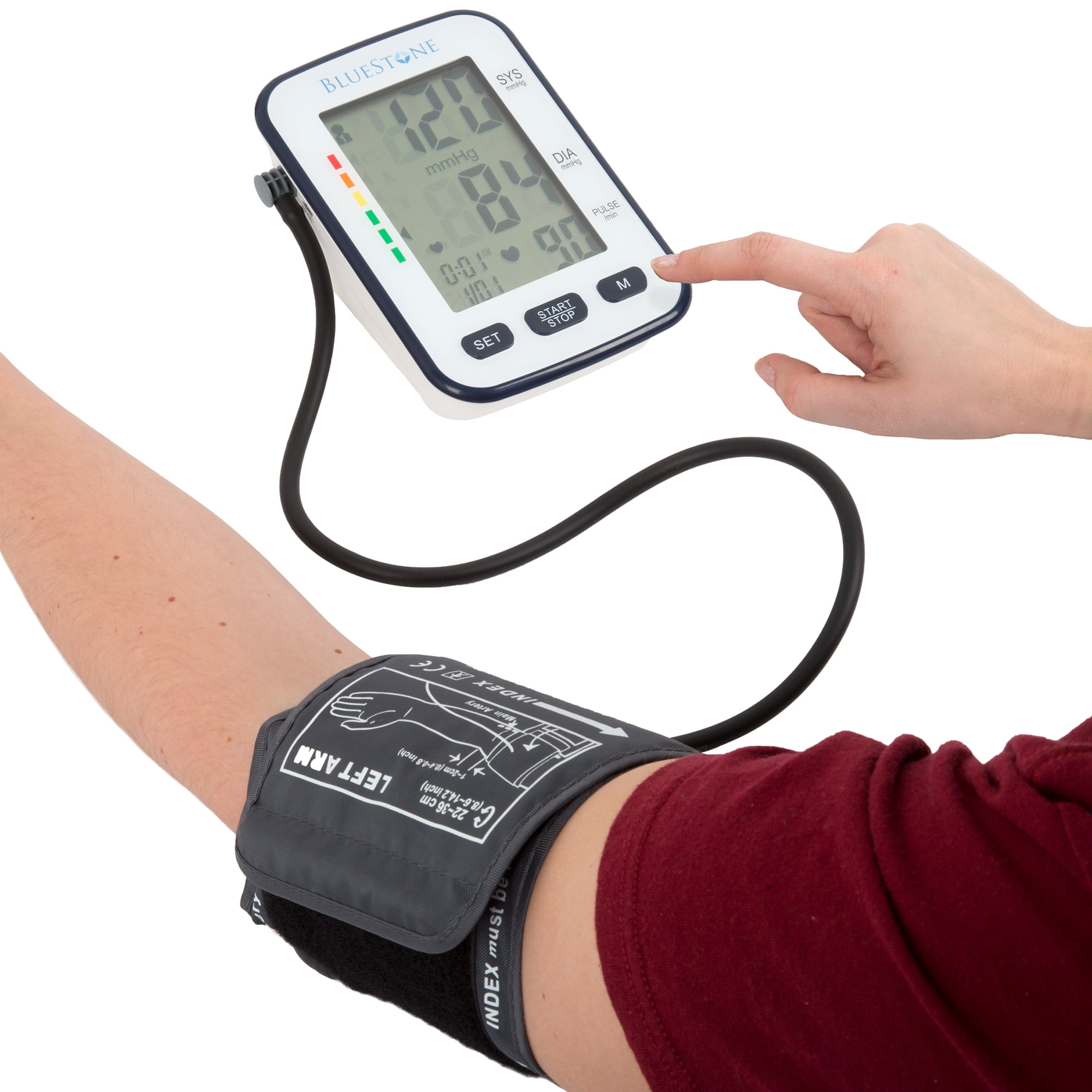
Home blood pressure monitoring helps catch hidden issues like white-coat hypertension or masked hypertension. Use a validated upper-arm cuff device and check twice daily, morning and evening, for best accuracy. Bring these readings to your doctor appointments to guide treatment decisions.
Use Effective Medications
Many seniors need medication to reach their target. Common and effective options include:
- Thiazide diuretics such as chlorthalidone
- ACE inhibitors such as lisinopril
- Angiotensin receptor blockers such as losartan
- Calcium channel blockers such as amlodipine
Often, a combination of two drugs works better than one. Never stop or adjust medication without consulting your doctor.
Avoid Common Mistakes
Skipping doses due to side effects or cost, relying only on clinic readings, and ignoring symptoms like headaches or dizziness are common errors that undermine stroke prevention. Pair medication with daily routines like brushing teeth to build consistency.
Manage Atrial Fibrillation
Atrial fibrillation raises stroke risk by five times. In this irregular heartbeat, blood can pool in the heart and form clots that travel to the brain. Because AFib often has no symptoms, many older adults do not know they have it.
Check for Irregular Pulse
A quick pulse check can reveal AFib. If the rhythm feels uneven or skips beats for 30 seconds or more, see a doctor. An ECG or Holter monitor can confirm the diagnosis.
Use Anticoagulants When Needed
If you have AFib, anticoagulants are often essential. The CHA₂DS₂-VASc score helps determine if you need them.
Choose the Right Blood Thinner
Direct oral anticoagulants like apixaban, rivaroxaban, dabigatran, and edoxaban are preferred because they do not require frequent blood tests, have fewer food interactions, and carry a lower risk of brain bleeding than warfarin. Warfarin may still be used for certain conditions like mechanical heart valves.
Debunk the Fall Myth
Many families avoid blood thinners due to fall fears. But stroke risk outweighs bleeding risk in most elderly patients. With proper supervision and home safety, anticoagulants can be used safely.
Control Blood Sugar in Diabetes
Diabetes increases stroke risk by 50%. High blood sugar damages blood vessels and accelerates atherosclerosis. The key is balanced control, not too high and not too low.
Aim for a Safe HbA1c Level
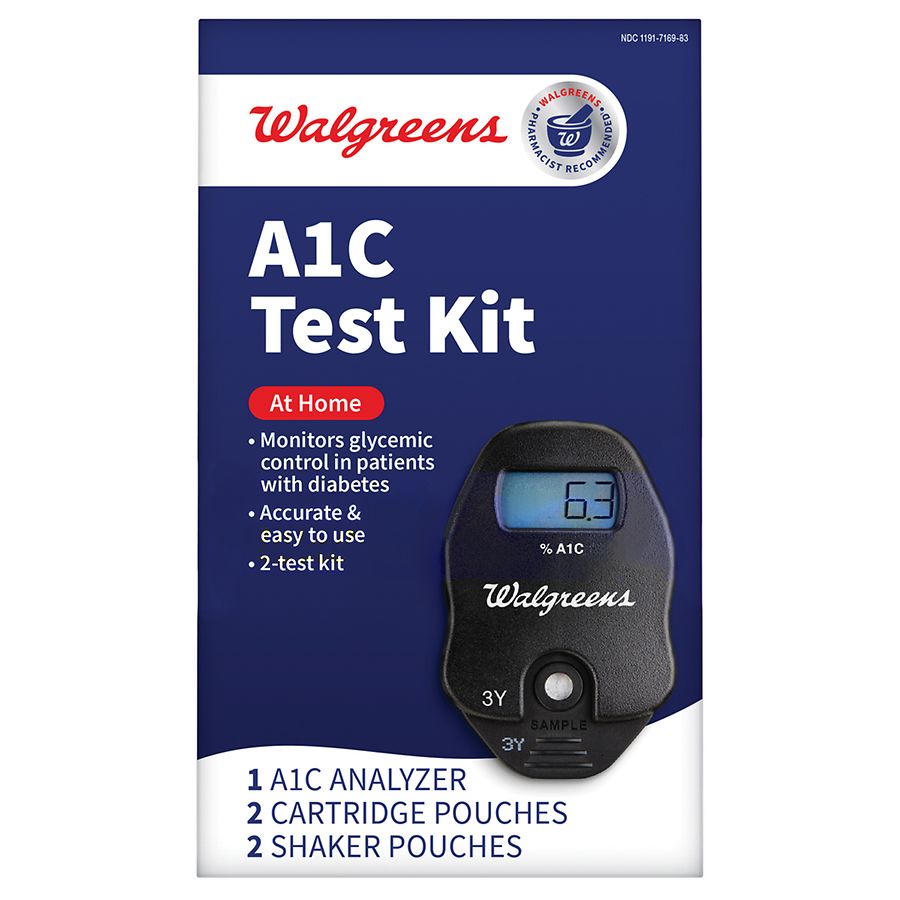
For most older adults with diabetes, the target is HbA1c between 7% and 8%. Tight control below 7% may increase dangerous hypoglycemia in frail seniors.
Use Heart-Protective Medications
Some diabetes drugs also protect the brain and heart. Metformin is the first-line treatment and improves insulin sensitivity. GLP-1 receptor agonists like semaglutide reduce stroke and heart attack risk. SGLT2 inhibitors like empagliflozin lower risk of heart failure and stroke.
Screen for Complications
Annual checks for eye, kidney, and nerve damage help identify those at highest vascular risk. These conditions often go hand-in-hand with increased stroke likelihood.
Lower Cholesterol with Statins
High LDL cholesterol builds plaque in arteries, which can break off and block blood flow to the brain. Statins are the most effective tool to prevent this.
Know Your LDL Goal
Most high-risk seniors should keep LDL under 100 mg/dL. After stroke or heart disease, target LDL under 70 mg/dL. Achieving these levels stabilizes plaque and reduces future stroke risk.
Take Statins as Directed
Drugs like atorvastatin and rosuvastatin are proven to prevent strokes even in adults over 75. Benefits outweigh risks for most, especially those with existing heart or vascular disease.
Watch for Side Effects
Common issues include muscle aches or elevated liver enzymes. Report any pain or weakness to your doctor. Do not stop statins on your own, as many side effects can be managed with dose adjustments.
Consider Add-On Therapies
If statins are not enough, ezetimibe blocks cholesterol absorption. PCSK9 inhibitors like evolocumab are options for very high-risk cases.
Quit Smoking Completely
Smoking doubles stroke risk by damaging blood vessels, raising blood pressure, and making blood more likely to clot. The good news is your body starts healing right away.
Understand the Timeline
Two years after quitting, stroke risk begins to drop. Within 5 to 10 years, risk approaches that of a non-smoker.
Use a Multi-Pronged Approach
Quitting is hard, and most people try several times. Combine nicotine replacement like patches or gum, prescription medications like varenicline or bupropion, and behavioral support like counseling or support groups.
Call 1-800-QUIT-NOW
This free U.S. service offers coaching, text support, and resources in multiple languages. It is a proven way to increase success.
Stay Physically Active
Inactivity increases stroke risk by 20%. Regular movement improves blood pressure, weight, and blood sugar, all key stroke defenses.
Meet Weekly Exercise Goals
Aim for 150 minutes of moderate activity like brisk walking, or 75 minutes of vigorous activity like cycling. Spread activity across most days of the week.
Add Strength and Balance Training
Twice a week, include resistance bands or light weights, chair squats or wall push-ups, and tai chi or yoga to improve balance and reduce fall risk.
Adapt for Mobility Limits
If walking is hard, try water aerobics, seated exercises, or arm circles and ankle pumps. Breaking activity into 10-minute chunks three times a day counts toward your goal.
Talk to Your Doctor First
Especially with heart, lung, or joint conditions, get medical clearance before starting a new routine.
Eat a Brain-Healthy Diet
What you eat directly affects stroke risk. Diets high in salt, saturated fat, and processed foods raise blood pressure and cholesterol.
Choose DASH or Mediterranean Diet
Both reduce stroke risk by up to 30%. The DASH diet is rich in fruits, vegetables, whole grains, and low-fat dairy while being low in sodium, red meat, and sweets. The Mediterranean diet emphasizes olive oil, nuts, fish, legumes, and fresh produce.
Limit Sodium to 1,500 to 2,300 mg Daily
Excess salt raises blood pressure. Avoid canned soups, processed meats, frozen meals, and fast food. Read labels, as many healthy-looking foods are high in hidden sodium.
Eat More Potassium
Potassium helps balance sodium. Top sources include bananas, spinach, sweet potatoes, avocados, and beans.
Pick Healthy Fats
Use olive oil, avocado, nuts, and seeds. Avoid butter, lard, fried foods, and trans fats.
Cook Smart
Bake, steam, or grill instead of frying. Flavor with herbs and spices, not salt. Make meals at home to control ingredients.
Maintain a Healthy Weight
Obesity, especially belly fat, increases stroke risk through high blood pressure, insulin resistance, and sleep apnea. Even modest weight loss helps.
Focus on Waist Size
Waist circumference is a better predictor than BMI. Men should keep under 40 inches. Women should keep under 35 inches.
Aim for 5 to 10% Weight Loss
Losing just 10 pounds can lower blood pressure and improve cholesterol. Focus on gradual loss of 1 to 2 pounds per week through diet and exercise.
Avoid Crash Diets
Extreme diets are hard to sustain and may cause nutrient deficiencies. Instead, make small lasting changes like eating smaller portions, swapping sugary drinks for water, and adding vegetables to every meal.
Limit Alcohol Intake
Even moderate drinking can raise blood pressure. Heavy use sharply increases stroke risk.
Follow Safe Limits
Women should have no more than 1 drink per day. Men should have no more than 2 drinks per day. One drink equals 5 ounces of wine, 12 ounces of regular beer, or 1.5 ounces of hard liquor.
Avoid Binge Drinking
Having 4 to 5 drinks in one sitting can trigger holiday heart syndrome, a sudden episode of atrial fibrillation that can lead to stroke.
Consider Quitting If High-Risk
Seniors with history of stroke or TIA, uncontrolled hypertension, liver disease, or medication interactions may benefit from complete abstinence.
Treat Sleep Apnea
Up to 70% of stroke survivors have obstructive sleep apnea, a condition that causes breathing to stop and start during sleep.
Recognize the Signs
Watch for loud snoring, gasping or choking at night, daytime sleepiness, and morning headaches.
Get a Sleep Study
Diagnosis requires a polysomnogram, either in a lab or at home. It measures breathing, oxygen levels, and brain activity.
Use CPAP Therapy
Continuous Positive Airway Pressure is the gold standard. It keeps airways open, stabilizes blood pressure, and reduces stroke recurrence. Most users see improvement in energy and cognition within weeks.
Try Alternatives If Needed
Oral appliances work for mild cases. Positional therapy helps avoid back sleeping. Weight loss reduces airway pressure.
Reduce Chronic Stress
Long-term stress raises cortisol and adrenaline, which increase blood pressure and inflammation, both stroke risks.
Practice Daily Relaxation
Effective techniques include mindfulness meditation for 10 minutes per day, deep breathing with 4-second inhale and 6-second exhale, yoga or tai chi, and spending time in nature.
Stay Socially Connected
Loneliness and isolation increase stroke risk. Stay engaged through family visits, phone calls with friends, senior centers or clubs, and volunteer work.
Seek Therapy if Needed
Cognitive-behavioral therapy helps manage anxiety and depression, which can interfere with medication use and healthy habits.
Avoid Illicit Drugs
Substances like cocaine and methamphetamine cause sudden spikes in blood pressure and can trigger stroke even in first-time users. Amphetamines and ecstasy also increase risk. Avoid all recreational drugs.
Recognize Stroke Symptoms Fast
Even with prevention, strokes can happen. Time is brain. Every minute delays treatment and increases damage.
Use the BE-FAST Rule
Balance loss means sudden dizziness or trouble walking. Eyesight changes mean blurred or double vision. Face drooping means one side of face is numb or smile is uneven. Arm weakness means one arm is weak or cannot be raised. Speech difficulty means slurred or strange speech. Time to call 911 means act immediately even if symptoms fade.
Know the Window for Treatment
The clot-busting drug tPA must be given within 3 to 4.5 hours. Mechanical thrombectomy can work up to 24 hours in select cases. Never wait. Call 911 at the first sign.
Support Medication Adherence
Taking pills consistently is crucial. Missed doses increase stroke risk.
Use Pill Organizers
Weekly or daily pill boxes help track what has been taken. Choose ones with alarms or timers for added help.
Set Phone Reminders
Use smartphone alarms or medication apps to prompt doses.
Involve Caregivers
Family or home health aides can assist with sorting and administering medications.
Review Meds Regularly
Ask your doctor to reconcile medications every 6 to 12 months to avoid polypharmacy and dangerous interactions.
Frequently Asked Questions About Preventing Strokes in Elderly
What is the most important factor in preventing strokes in seniors?
High blood pressure control is the single most important factor. It is responsible for up to 70% of all strokes, and keeping it below 130/80 mm Hg dramatically reduces risk.
Can seniors over 80 still benefit from stroke prevention?
Yes. Even adults over 75 benefit from blood pressure treatment, statins, and lifestyle changes. Prevention is effective at any age.
How quickly do lifestyle changes impact stroke risk?
Some benefits start quickly. Quitting smoking begins reducing risk within 2 years. Blood pressure and cholesterol improvements take a few months. Full benefits from diet and exercise typically appear within 1 to 2 years.
Should elderly with fall risk avoid blood thinners?
No. Stroke risk from atrial fibrillation usually outweighs bleeding risk from falls. With proper precautions like removing fall hazards and using assistive devices, blood thinners are generally safe.
What is the best diet for stroke prevention in the elderly?
Both DASH and Mediterranean diets reduce stroke risk by up to 30%. Both emphasize fruits, vegetables, whole grains, lean protein, and healthy fats while limiting sodium and processed foods.
How often should seniors see the doctor for stroke risk monitoring?
At least twice yearly for blood pressure and medication review. Annual visits should include cholesterol checks, diabetes monitoring, and discussion of any new symptoms.
Key Takeaways for Preventing Strokes in Elderly
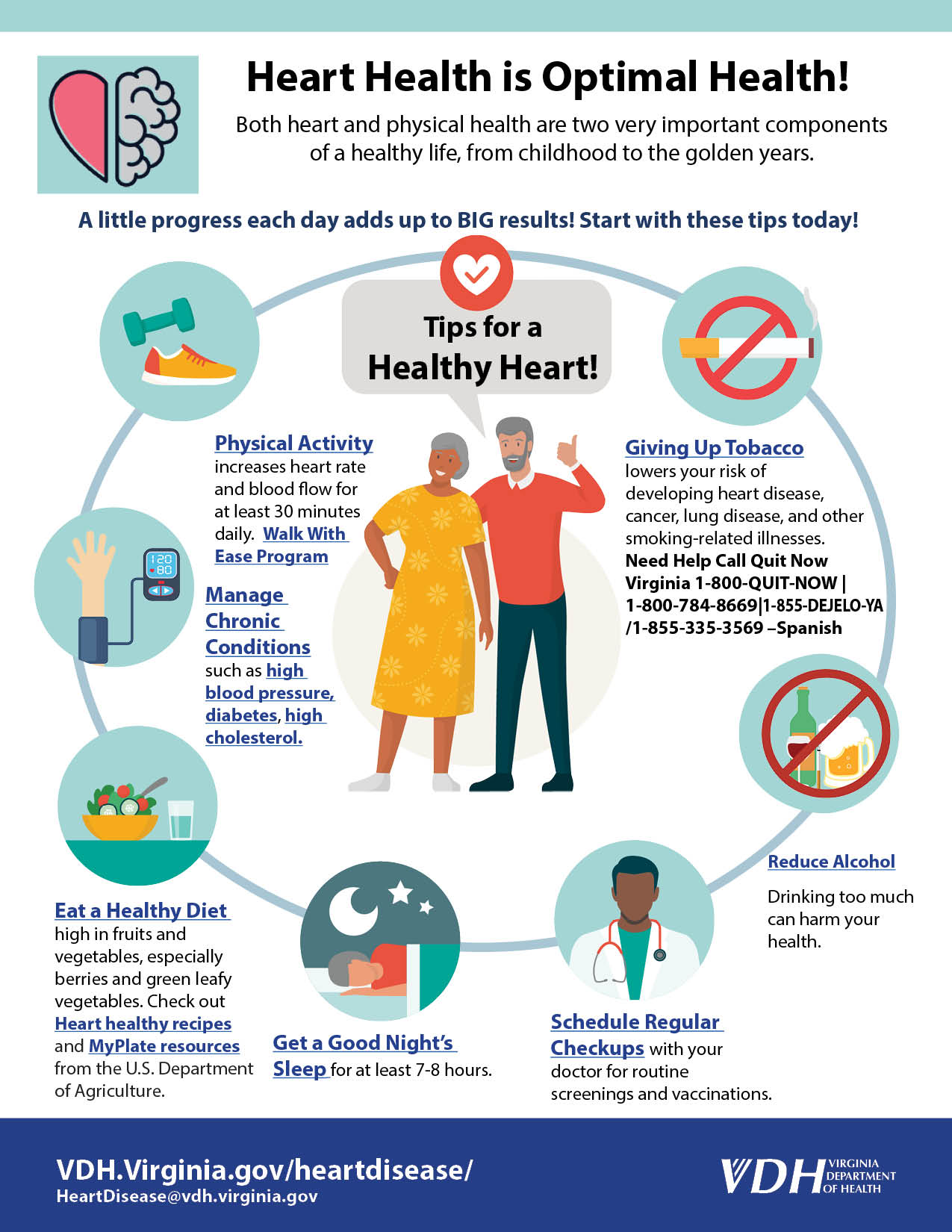
Stroke prevention in the elderly is within reach. By managing blood pressure, treating atrial fibrillation, staying active, eating well, and recognizing warning signs, older adults can cut their risk by up to 80%. The most critical steps are keeping blood pressure below 130/80 mm Hg, using anticoagulants for AFib when prescribed, taking statins for cholesterol management, exercising for at least 150 minutes weekly, and following a heart-healthy diet like DASH or Mediterranean. It is not about perfection. Small, consistent steps lead to big protection. Start today, stay committed, and protect your independence and quality of life.