
Loneliness affects nearly half of all seniors, increasing their risk of dementia, heart disease, and stroke. As more older adults choose to age in place, the need for compassionate support has never been greater. That’s where senior companions come in. A senior companion provides non-medical, hands-off care focused on emotional well-being, social connection, and light daily assistance. Unlike personal caregivers or home health aides, senior companions don’t perform medical tasks or help with bathing and dressing. Instead, they bring joy, conversation, and stability into seniors’ lives, often becoming like family.
If you’re wondering how to become a senior companion, the good news is that formal education isn’t required, and multiple entry paths exist. Whether you want paid work, flexible side income, or meaningful volunteer experience, this role offers accessible opportunities. In this guide, you’ll learn the key responsibilities, essential skills, training options, and real-world pathways to start making a difference fast.
Core Duties of a Senior Companion
A senior companion’s role blends emotional support with practical help. The goal is to enrich life, not manage medical needs. Tasks are tailored to each senior’s abilities and preferences, ensuring dignity and independence.
Social Engagement and Emotional Support
Companions combat isolation by building trust through consistent presence. Simple conversations about past experiences or current events can spark joy. Playing cards, solving puzzles, or listening to music together stimulates the mind and lifts mood. Reminiscing with photo albums helps seniors feel seen and valued. For those with dementia, gentle interaction using sensory cues like familiar songs or scents can reconnect them to memories.
“My goal is to be helpful without being intrusive. Sometimes that means sitting quietly while she does things her way.”
Light Daily Assistance
Companions assist with everyday tasks that keep homes running smoothly. These small acts restore routine and safety, giving families peace of mind.
Cognitive and Recreational Activities
Staying mentally active supports long-term brain health. Companions encourage hobbies like gardening, painting, or knitting. They may accompany seniors to community centers or religious services. Intergenerational programs pairing youth with elders also foster connection and purpose.
Senior Companion vs. Other Care Roles
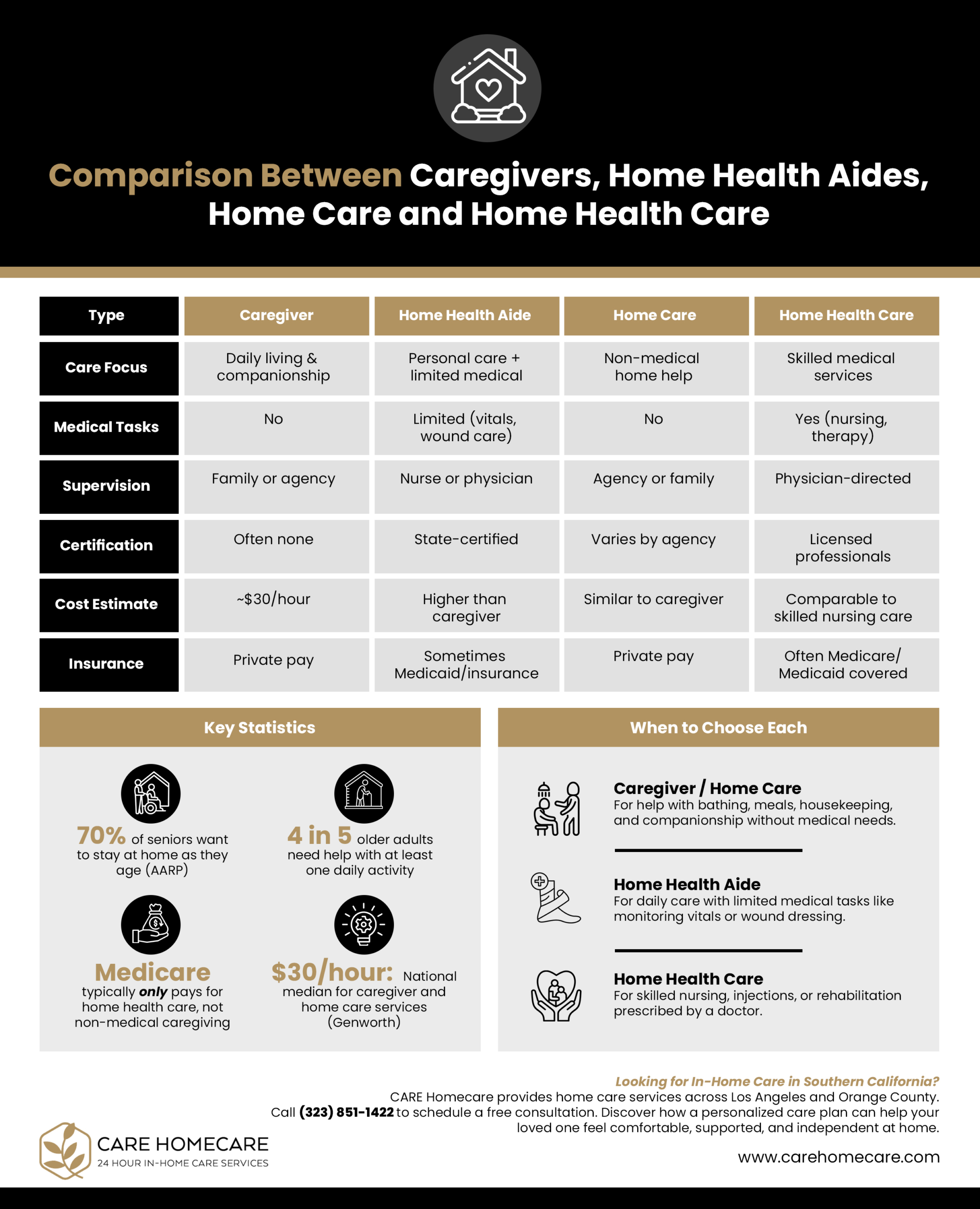
The terms companion, personal caregiver, and home health aide are often confused. Knowing the differences ensures you enter the right role.
| Role Type | Focus | Tasks | Medical Involvement |
|---|---|---|---|
| Senior Companion | Social support, light help | Conversation, errands, meal prep, transport | None |
| Personal Care Aide | Daily living help | Bathing, dressing, toileting, feeding | Limited (non-skilled) |
| Home Health Aide | Medical recovery | Wound care, vitals, therapy, meds | Skilled nursing required |
“Companion care is hands-off. It’s about connection, not clinical care,” explains gerontologist Sherri Snelling.
This distinction matters for job expectations, training, and pay. If you’re uncomfortable with physical care, companion work is ideal.
Essential Skills and Personal Traits
No degree is required, but success depends on character and emotional intelligence.
Must-Have Qualities
You need specific traits to thrive in this role. The most important qualities include compassion, patience, reliability, flexibility, strong communication, keen observation, and positivity. Families rely on companions to be eyes and ears. You’re the person who sees your loved one regularly, says AARP expert Amy Goyer. That consistency builds trust for both the senior and their family.
Problem-Solving in Action
One companion noticed a senior skipping meals. Instead of pushing food, she started cooking together. The shared activity made eating enjoyable again. Creative solutions like this define great companions.
How to Qualify as a Senior Companion
Requirements vary, but most roles share basic standards.
Basic Eligibility Criteria
Most positions require you to be at least 21 years old. A high school diploma or equivalent is typically needed, though some roles accept basic literacy. You’ll need a valid driver’s license if transportation duties are part of the job. Vehicle insurance is required for driving roles. Smartphone access is mandatory for apps like Papa. Fluent English communication is essential.
Background Checks and Safety
All paid and volunteer roles require thorough screening. You must pass a criminal background check. A Vulnerable Sector Check is required in Canada and some U.S. states. Your driving record will be reviewed if applicable. Reference verification is also standard.
“You must have a police check,” confirms a caregiver from a Facebook support group. These steps protect vulnerable adults and ensure trust.
Training and Certification Options
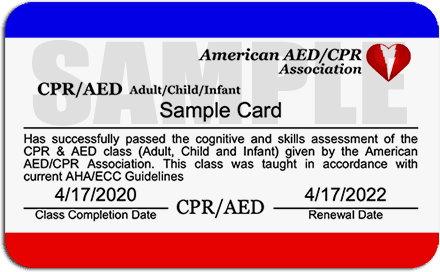
While not mandatory, certifications boost credibility and open doors.
Key Certifications to Pursue
Several certifications can strengthen your application. CPR and First Aid training is required by many agencies and prepares you for emergencies. Mandated Reporter Training teaches how to spot and report elder abuse. A Dementia Care Certificate improves communication with cognitively impaired seniors. Mental Health First Aid helps you recognize depression or anxiety. Basic Life Support is useful for higher-responsibility roles.
“It can’t just be a warm body going in the door,” emphasizes Anne Sansevero of the Aging Life Care Association.
Recommended Training Programs
Several organizations offer excellent training. CareAcademy provides free and paid online courses in communication, safety, and dementia care. Relias Learning offers industry-standard training modules used by agencies. The Canadian Red Cross provides infection control, opioid harm reduction, and psychological first aid. St. John Ambulance delivers CPR and emergency response training. Community colleges like Conestoga College offer Personal Support Worker programs that take about five months to complete.
Pathways to Start Working
Four main routes lead to becoming a senior companion, each with pros and cons.
Join a Home Care Agency
Agencies handle hiring, training, scheduling, and insurance, making this ideal for first-timers. Benefits include matched clients, provided training, processed background checks, insurance coverage, and steady hours with support. Top agencies hiring companions include Fayer Family Homecare, Homewatch CareGivers, Seniors Helping Seniors, Extended Family Services, and Caring Hearts. Most pay $20 to $30 per hour.
“Before hiring a companion, define what the role means to you,” advises PeggySue2020. Agencies help clarify scope and expectations.
Sign Up with Tech Platforms
Papa connects companions directly with seniors via an app, perfect for flexible gig-style work. To get started, submit your ID, provide auto insurance if driving, pass a background check covered by Papa, wait one to two weeks for approval, and schedule shifts through the app. Average pay is $20 per hour plus bonuses, with payment within two business days. Mileage is reimbursed for transportation. You set your availability, but taxes and insurance are your responsibility.
Work as an Independent Companion
For full autonomy, go freelance. You can set your own rates, choose your schedule, and keep all earnings while building direct relationships. However, you must find clients, handle contracts and payments, obtain liability insurance, and manage taxes and marketing. Get CPR certified, obtain liability insurance, create a professional caregiver profile, and leverage word-of-mouth and referrals.
Volunteer as a Senior Companion
Ideal for retirees or those seeking purpose over pay. Organizations include AmeriCorps Seniors, Friendly Visitor Programs, Faith-Based Groups, Senior Center Buddy Systems, Area Agency on Aging, Meals on Wheels, and College Programs. AmeriCorps reports that 88 percent of volunteers experience reduced isolation.
What Senior Companions Earn

Pay varies by location, employer, and experience.
U.S. Pay Rates
| Rate Type | Average Pay |
|---|---|
| Hourly | $20 to $30 |
| Daily (8 hours) | About $125 |
| Monthly (Full-Time) | About $3,813 |
Regional Differences
Louisiana pays as low as $96 per day, while North Dakota reaches up to $175 per day. Urban areas like NYC, LA, and Chicago offer higher demand and pay.
Payment Sources for Clients
Clients typically pay through private funds, long-term care insurance, Medicaid HCBS waivers, veterans benefits, or Medicare Advantage plans. Traditional Medicare does not cover companion care.
What You Shouldn’t Do as a Companion
Clear boundaries protect everyone.
Allowed Responsibilities
Your role includes talking and listening, light cleaning, cooking meals, running errands, driving, technology help, medication reminders (not administration), safety checks, activity planning, pet care, and logging observations for families.
Tasks Outside the Scope
Avoid medical procedures like injections or wound care. Don’t provide personal care such as bathing, dressing, or toileting. Refuse heavy lifting or moving immobile seniors. Skip deep cleaning or home repairs. Never make financial decisions or access client money. Respect privacy by not entering rooms unannounced or sharing personal details.
“Companion care doesn’t fit traditional home care models,” says Christina Irving of the Family Caregiver Alliance. Staying in your lane ensures safety and professionalism.
Strategies for Success
Long-term impact comes from consistency, care, and continuous growth.
Build Trust Through Routine
Arrive on time without fail. Respect routines and preferences. Celebrate birthdays and milestones. Maintain a care log for families. Communicate openly with relatives.
Invest in Professional Growth
Take free or low-cost courses from CareAcademy or the Red Cross. Collect testimonials from satisfied clients. Track feedback to improve continuously. Stay updated on dementia and aging trends.
Use Technology Wisely
Sync schedules via apps like Papa or Google Calendar. Share updates through texts or emails. Use digital logs to track meals, moods, and activities. Even small tech habits increase professionalism and trust.
Key Takeaways for Starting Your Senior Companion Journey
Becoming a senior companion is one of the most rewarding ways to make a difference. With aging populations growing, demand is rising fast, and the barrier to entry is low. Whether you join an agency, sign up with Papa, go independent, or volunteer, your presence can reduce loneliness, improve mental health, and bring joy to someone’s later years.
To get started, assess which pathway matches your goals. If you want structure and support, agencies are ideal. If you need flexibility, platforms like Papa offer gig-style work. For complete autonomy, freelance independently. If pay isn’t your priority, volunteering provides meaningful connection. All it takes is empathy, reliability, and a willingness to connect. Start today, because someone’s quality of life may depend on it.
Frequently Asked Questions About Becoming a Senior Companion
What qualifications do I need to become a senior companion?
Most roles require you to be at least 21 years old with a high school diploma or equivalent. You need a valid driver’s license if transportation is part of the job, vehicle insurance, and smartphone access for scheduling apps. A clean criminal background check is mandatory. No prior experience is typically needed, as agencies provide training.
Do senior companions need medical training?
No, senior companions provide non-medical care only. Medical tasks like administering medication, wound care, or checking vital signs are performed by home health aides. However, getting CPR and First Aid certified is recommended and required by many agencies.
How much do senior companions get paid?
In the U.S., senior companions earn an average of $20 to $30 per hour. Daily rates average around $125 for eight hours, and full-time monthly pay averages about $3,813. Pay varies by location, with urban areas typically offering higher rates.
What’s the difference between a senior companion and a caregiver?
A senior companion focuses on social engagement, conversation, light assistance, and emotional support. Caregivers (personal care aides) help with bathing, dressing, toileting, and other activities of daily living. Home health aides perform medical tasks. Companion care is hands-off and non-medical.
Can I work as a senior companion without going through an agency?
Yes, you can work independently as a freelance companion. You’ll need to find your own clients through networking, community connections, or marketing. You’ll also need to handle your own insurance, contracts, and taxes. Alternatively, you can sign up with platforms like Papa that connect companions directly with seniors.
Is previous experience required to become a senior companion?
Most paid positions do not require prior experience. Agencies and platforms provide training and onboarding. However, having certifications like CPR, First Aid, or dementia care training can improve your chances and increase your pay rate.