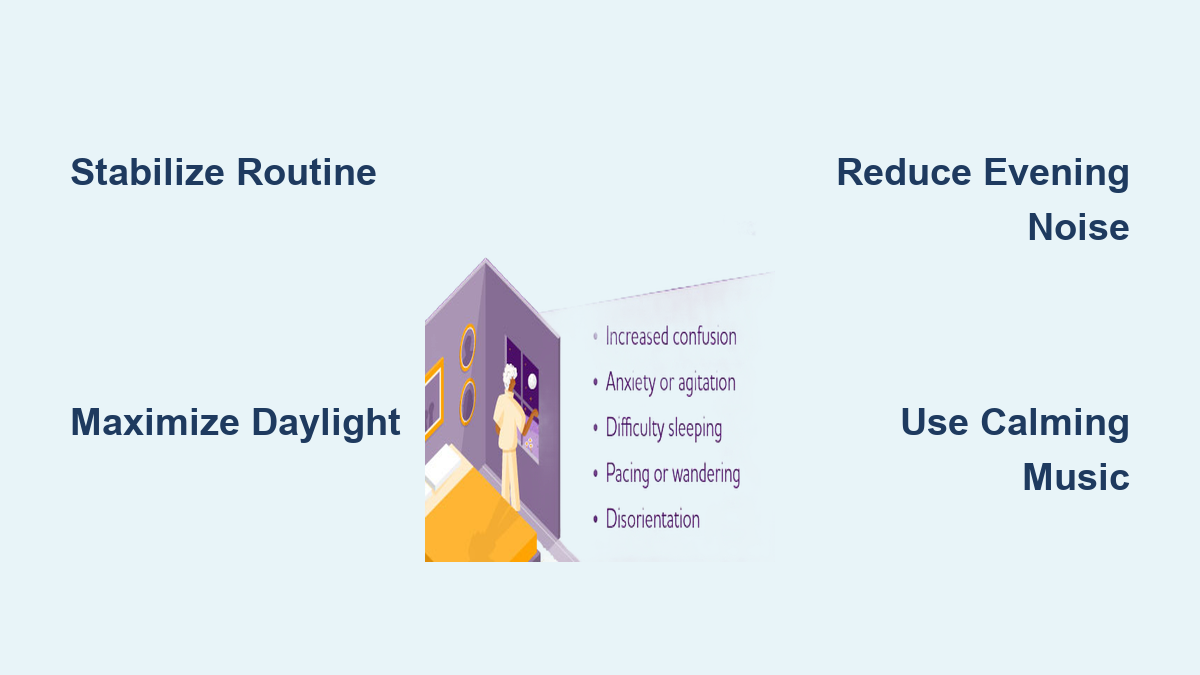
Sundowning in elderly individuals with dementia can turn peaceful evenings into exhausting battles. Characterized by increased confusion, agitation, and restlessness that emerge in the late afternoon or evening, sundowners syndrome affects 20% to 50% of people with dementia. This guide provides proven strategies to treat and manage sundowning, focusing on non-drug approaches, environmental adjustments, and caregiver support—all grounded in current clinical understanding.
Identify Sundowning Symptoms Early
Recognizing the signs of sundowners is the first step toward effective treatment. Symptoms typically begin around 5 to 6 p.m. and may persist into the night, fluctuating in intensity.
Common Behavioral and Cognitive Signs
Increased confusion marks the earliest indicator. Forgetting names, the current time, or familiar locations becomes more frequent. Verbal outbursts often follow, including yelling, repeating questions, or crying without apparent cause. Restlessness manifests as pacing, rocking, or an inability to sit still. Wandering behavior intensifies, with many individuals attempting to go home even when already there. Paranoia and delusions may emerge, with the person believing caregivers are stealing or plotting harm. Hallucinations, particularly visual or auditory, occur more commonly in Lewy body dementia.
Emotional and Sleep-Related Changes
Anxiety and fearfulness appear without clear cause. Mood swings shift rapidly from calm to angry or sad. Resistance to care increases, with refusal of help for bathing, dressing, or eating. Nighttime awakenings become frequent, and day-night reversal often develops.
Early detection allows caregivers to intervene before symptoms escalate. Keep a daily log of behaviors, noting timing, activities, lighting, and possible triggers. This helps pinpoint patterns and personalize treatment.
Stabilize Daily Routines and Schedules
A consistent daily routine is one of the most powerful tools to reduce sundowning. The brain with dementia struggles with unpredictability, and a predictable rhythm reduces anxiety while supporting the weakened internal clock.
Key Actions for Routine Stability
Set fixed times for waking, meals, activities, and bedtime. Schedule engaging tasks like walks, puzzles, or visits in the morning or early afternoon. Avoid introducing new routines or visitors in the evening. Minimize disruptions such as furniture rearrangement or caregiver changes.
Complete demanding activities like bathing or doctor appointments before 3 p.m. when cognitive function is typically strongest.
Maximize Daylight and Light Therapy

Light is a key regulator of the circadian rhythm, which is often disrupted in dementia. Strategic light exposure helps reset the internal clock.
Use Natural and Artificial Light Strategically
Open curtains during the day to allow sunlight into living areas. Take short walks outside in the morning or midday. Use bright light therapy boxes at 10,000 lux for 30 to 60 minutes in the morning to reset the internal clock.
Adjust Evening Lighting
Gradually dim lights as sunset approaches to signal bedtime. Install soft, warm-colored nightlights in hallways, bathrooms, and bedrooms. Use motion-activated lights to prevent disorientation at night. Avoid flickering or harsh fluorescent lighting, which can trigger agitation.
Shadows from dimming light can look like people or animals. Closing blinds helps reduce visual misperceptions that cause fear.
Reduce Evening Overstimulation
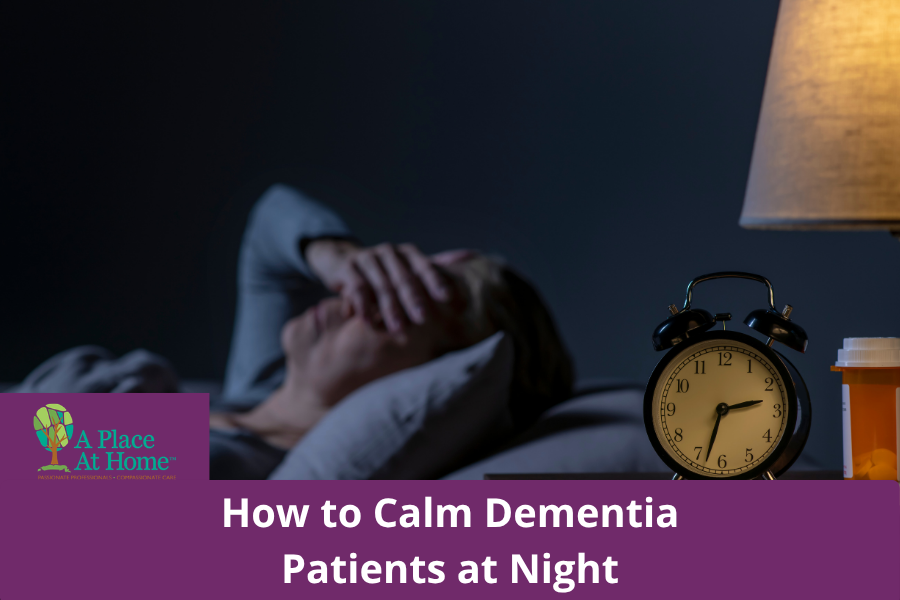
Evening environments can unintentionally trigger sundowning through noise, clutter, or excessive activity.
Calm the Environment
Minimize noise by turning off loud TVs, radios, or kitchen appliances. Limit visitors during high-risk hours. Play calming music or nature sounds like ocean waves or birdsong. Avoid crime shows, news, or violent content on television.
Create a Soothing Atmosphere
Use soft lighting instead of bright overhead bulbs. Keep rooms organized and clutter-free. Maintain a quiet, peaceful tone in conversations. Use familiar scents like lavender or vanilla via diffusers.
Caregiver stress can be mirrored by the person with dementia. Stay calm even when behavior is challenging.
Manage Daytime Activity and Napping
Poor sleep habits directly contribute to sundowning. Daytime fatigue increases vulnerability to evening confusion.
Promote Healthy Sleep-Wake Cycles
Encourage light physical activity each day including walking, stretching, or chair exercises. Limit naps to 20 to 30 minutes and avoid them after 2 p.m. Avoid excessive daytime rest, which fragments nighttime sleep.
Support Nighttime Sleep
Establish a bedtime routine including warm bath, soft music, and a light snack. Avoid large meals, caffeine, or sugar after lunch. Ensure the bedroom is quiet, cool, and dark.
It may take 1 to 2 weeks to see improvements after adjusting sleep habits.
Address Unmet Physical Needs
Many sundowning behaviors stem from discomfort the person cannot clearly communicate.
Check for Common Issues
Offer a light, non-caffeinated snack like crackers or warm milk when hunger or thirst strikes. Look for signs of pain including arthritis, pressure sores, or urinary retention. Watch for infections since urinary tract infections often cause sudden confusion. Ensure regular toileting, especially before bed, to address constipation or full bladder. Monitor eating patterns closely for diabetics to catch low blood sugar.
Sensory and Comfort Checks
Ensure glasses and hearing aids are clean and functioning. Confirm clothing and dentures are comfortable. Provide familiar objects like photos, blankets, or keepsakes for reassurance.
Sudden worsening of symptoms may indicate delirium, a medical emergency requiring immediate evaluation.
Use Distraction and Redirection Techniques
When agitation begins, redirecting attention can prevent escalation.
Effective Strategies
Offer a favorite drink or snack. Suggest a calming activity like folding laundry or looking at old photos. Play familiar music from the person’s youth like hymns or big band hits. Change the environment by moving to a different room or going for a short walk. Use gentle touch including hand-holding, back rub, or scalp massage.
What to Avoid
Never argue or correct the person during episodes. Reasoning or explaining often does not register during sundowning episodes. Step back if safety is at risk when confronting aggression.
Keep a sundowning kit ready with favorite music playlist, photo album, soft blanket, and calming tea.
Apply Music and Aromatherapy
Sensory therapies can calm the nervous system and reduce agitation.
Music Therapy
Play calming genres including classical, solo piano, or nature sounds. Create personalized playlists of music from the 1940s to 1960s. Use apps like Spotify or Amazon Music for easy access. Encourage singing or humming along.
Studies show music therapy reduces agitation in up to 60% of cases.
Aromatherapy with Essential Oils
Lavender and chamomile are most effective for relaxation. Ylang-ylang, frankincense, or bergamot support mood and sleep. Use via diffuser, scented cotton ball, or diluted topical application.
Always consult a doctor first since some oils interact with medications or cause skin irritation.
Consider Melatonin and Medications (If Needed)
Medications should be a last resort, used only when non-drug methods fail and safety is at risk.
Melatonin: First-Line Supplement
Start with 2 to 3 mg at bedtime, increasing to 5 to 10 mg if needed. Benefits include regulating the sleep-wake cycle and reducing nighttime awakenings. Lower risk than sedatives makes it suitable for long-term use. Combine with bright light therapy during the day for best results.
Prescription Options (Use with Caution)
Antipsychotic medications like quetiapine or risperidone may be prescribed for severe aggression or hallucinations, but the FDA black box warning notes increased stroke and death risk in elderly patients with dementia. Acetylcholinesterase inhibitors like donepezil may reduce behavioral symptoms but can worsen insomnia if taken at night. Always conduct a full medication review since some drugs like anticholinergics and diuretics worsen confusion.
Prevent Sundowning with Proactive Habits
Prevention focuses on optimizing daily life to reduce triggers before they occur.
Daily Prevention Checklist
Prioritize 7 to 8 hours of nighttime sleep. Get morning sunlight exposure. Engage in regular physical activity. Limit daytime napping. Maintain balanced meals and hydration. Include structured, engaging daytime activities. Establish a calm bedtime routine. Manage caregiver stress.
Prevention is not about perfection. Small, consistent changes add up over time.
Recognize When to Seek Medical Help
Not all confusion is sundowning. Sudden or severe changes require medical evaluation.
Seek Immediate Evaluation If
Symptoms are new or rapidly worsening. There is fever, incontinence, or signs of infection. The person shows aggression or unsafe behaviors. Sudden disorientation suggests delirium. Non-drug methods are not working.
What a Doctor May Do
Order blood tests including CBC, electrolytes, glucose, and kidney or liver function. Perform urinalysis to rule out UTI. Review current medications. Recommend sleep studies for sleep apnea. Consider brain imaging if dementia diagnosis is unclear.
Delirium is reversible. Early treatment prevents complications.
Support the Caregiver: Burnout Prevention
Caring for someone with sundowning is physically and emotionally draining. Caregiver well-being is essential.
Essential Self-Care Strategies
Keep a behavior journal to identify triggers. Practice empathy by remembering behaviors are symptoms, not choices. Ask for help from family, friends, or home health aides. Schedule respite care to rest and recharge. Join a support group through the Alzheimer’s Association or online forums. Talk to a counselor or dementia specialist.
Caregiver burnout increases risk of errors, neglect, and institutionalization.
Key Takeaways for Managing Sundowners in Elderly
Treating sundowners in the elderly is not about eliminating every symptom. It is about reducing distress, ensuring safety, and preserving dignity. The most effective approach combines routine and structure with light and sleep optimization. Environmental calming and unmet needs assessment matter greatly. Sensory and behavioral techniques provide relief, while timely medical input addresses underlying issues. Caregiver support remains essential throughout.
Success often comes from small, consistent changes. Even reducing agitation by 30 minutes each evening can improve quality of life for both the person with dementia and their caregiver. With patience, observation, and personalized care, sundowning can be managed, not cured, but controlled. The goal is peace in the evening hours, not perfection.
Frequently Asked Questions About Treating Sundowners in Elderly
What is sundowning and why does it happen in elderly?
Sundowning is a cluster of behavioral and cognitive symptoms that worsen in the late afternoon and evening. It occurs in 20% to 50% of people with dementia, primarily due to circadian rhythm disruption, brain changes, and environmental factors. The exact cause remains unclear, but damage to the suprachiasmatic nucleus and melatonin dysregulation play significant roles.
How can I reduce sundowning without medication?
Non-drug approaches work best. Establish a consistent daily routine. Maximize morning sunlight and use light therapy boxes. Dim lights in the evening. Reduce evening noise and overstimulation. Limit daytime naps to 20 minutes. Address physical needs like hunger, thirst, and pain. Use music therapy and aromatherapy. These strategies often reduce symptoms significantly within 1 to 2 weeks.
What time of day does sundowning typically start?
Sundowning usually begins around 5 to 6 p.m. and may continue through the night. Symptoms often improve by morning. The timing correlates with decreasing natural light and accumulated brain fatigue from the day.
When should I call a doctor about sundowning symptoms?
Seek medical help if symptoms are new or rapidly worsening, accompanied by fever or signs of infection, causing aggressive or unsafe behavior, or not responding to environmental changes. Sudden onset may indicate delirium, a medical emergency that requires immediate evaluation.
Can sundowning be prevented entirely?
Sundowning cannot always be prevented, but consistent use of preventive strategies reduces frequency and severity. Focus on good sleep hygiene, morning light exposure, regular activity, limited napping, and stable routines. Small, daily improvements add up over time.
How long does sundowning last in dementia progression?
Sundowning most commonly appears during middle to later stages of dementia and may persist for months or years. Some individuals experience reduced symptoms in advanced dementia due to decreased mobility or environmental engagement. Symptoms often fluctuate based on overall health and environmental factors.