
Many older adults struggle with boredom, not because they lack time, but because they have lost structure, purpose, or social connection. Knowing how to keep elderly busy in meaningful ways can transform isolation into engagement, listlessness into joy. Whether your loved one lives at home, in assisted living, or has mobility or cognitive challenges, there are countless ways to spark interest and restore a sense of fulfillment.
This guide offers actionable activities that support physical health, mental sharpness, emotional well-being, and social connection. You will discover how simple daily tasks can become sources of pride, how music can unlock forgotten memories, and how learning new skills can reignite curiosity.
Boost Physical Well-Being with Gentle Movement

Staying active helps seniors maintain independence, reduce fall risk, and improve mood. The key is choosing low-impact exercises that match mobility levels.
Try Chair-Based Exercises
Seniors with limited mobility can still build strength and flexibility. Seated leg lifts, arm circles, ankle rolls, shoulder shrugs, and gentle torso twists improve circulation, joint health, and balance.
Join a Senior Fitness Class
Group classes offer motivation and social interaction. Chair yoga enhances flexibility and breathing. Tai chi boosts coordination and reduces anxiety. Pilates strengthens core muscles and posture. Many community centers and senior living facilities offer free or low-cost sessions.
Pro Tip: Use a pedometer or fitness tracker to set step goals. Even indoor walking counts toward daily activity targets.
Stimulate the Brain with Daily Challenges

Mental engagement slows cognitive decline and supports long-term brain health. The best brain activities feel like fun, not work.
Solve Puzzles and Play Games
Crosswords boost vocabulary and recall. Sudoku develops logical thinking. Jigsaw puzzles, especially large-piece versions, improve visual perception. Card games like solitaire, bridge, or UNO enhance memory and focus. Digital apps like Lumosity or Peak offer structured brain training with progress tracking.
Read Regularly
Reading protects against dementia and reduces stress. Large-print books work well for those with vision changes. Audiobooks are excellent alternatives for visual impairments. Weekly book club discussions combine mental stimulation with social interaction.
Spark Creativity with Art and Craft Projects
Creative expression boosts mood, builds confidence, and provides a sense of accomplishment, even for beginners.
Start Simple with Coloring or Drawing
Adult coloring books with bold lines and calming patterns reduce anxiety and improve focus. Watercolor painting or sketching from photos offers creative expression. Display finished artwork on the fridge or wall to celebrate achievement.
Explore Hands-On Crafts
Knitting or crocheting improves hand-eye coordination. Scrapbooking preserves life memories and family history. Card making creates personalized gifts for birthdays and holidays. Group crafting circles foster storytelling and connection.
Connect Through Music and Singing
Music reaches deep into memory and emotion, often unlocking responses when words fail.
Create a Personal Playlist
Curate songs from the senior’s youth, typically the 1940s through 1960s. Big band, jazz, gospel, or classic rock tracks work well. Play during meals, walks, or quiet time for ambient enjoyment.
Fact: Music from early adulthood can trigger emotional recall in people with Alzheimer’s, even years after diagnosis.
Sing Together
Group singing lifts spirits and strengthens breathing. Host family sing-alongs with old favorites. Join a senior choir or virtual music group. Simple instruments like tambourines or harmonicas add rhythmic engagement.
Restore Purpose with Volunteering and Mentorship
Feeling useful combats depression and gives daily life meaning. Seniors have decades of wisdom to share.
Explore Volunteer Opportunities
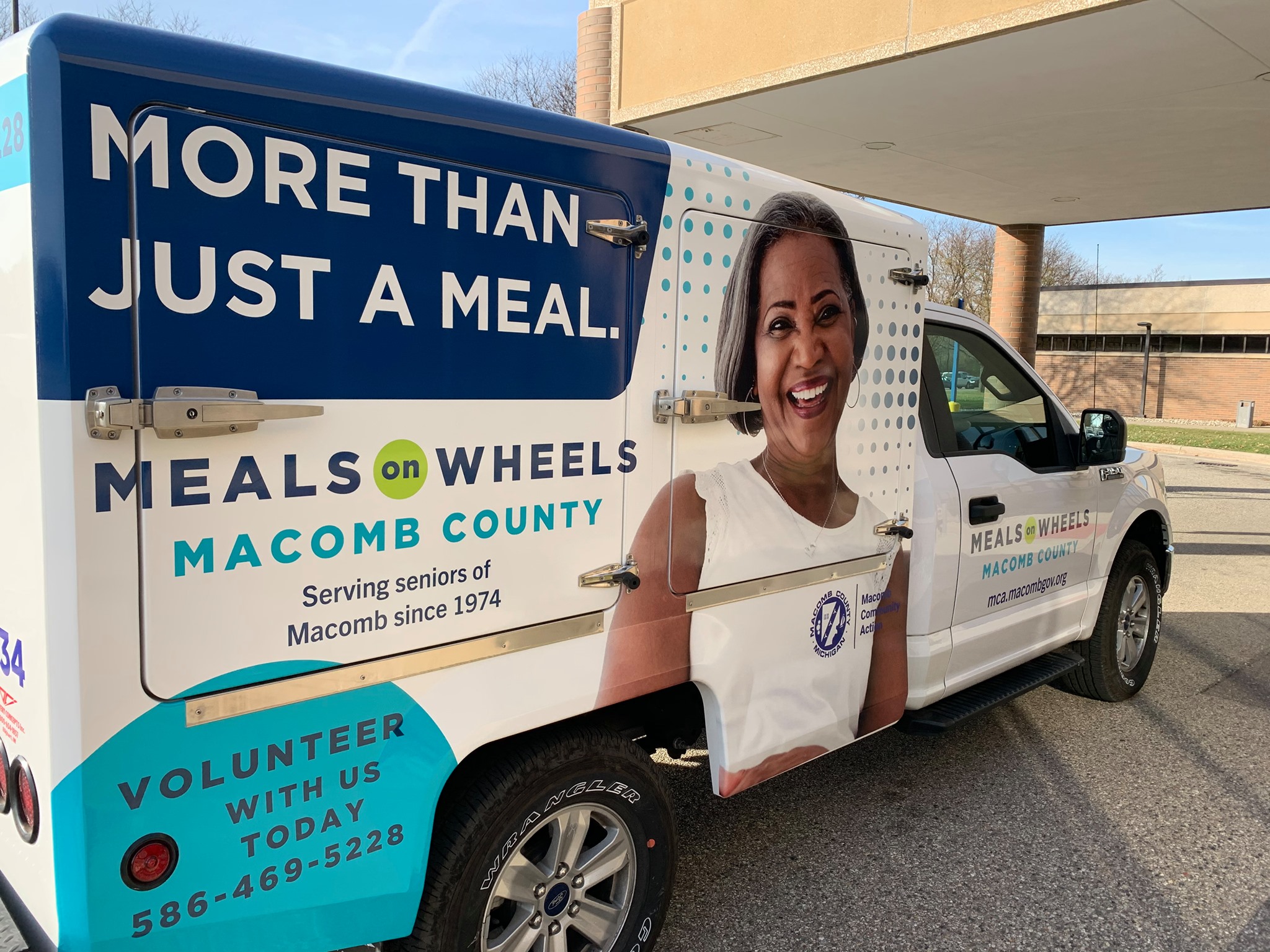
RSVP connects elders with local needs like tutoring children, delivering Meals on Wheels, or helping at food banks. SCORE offers retired professionals a chance to advise small business owners. Hospice volunteering provides companionship to terminally ill patients and their families.
“Most hospice volunteers say they receive more than they give.”
Encourage Daily Structure with Purposeful Tasks
Simple routines restore dignity and provide a sense of contribution.
Involve in Cooking and Baking
Choose safe, manageable tasks like stirring ingredients, measuring dry goods, or decorating cookies. Adapt with large-print recipes, easy-grip utensils, and automatic timers. Cooking with grandchildren creates lasting memories.
Assign Light Household Duties
Folding laundry, sorting mail, watering indoor plants, or organizing drawers builds confidence. Even small tasks feel meaningful for someone who feels they have lost purpose.
Foster Social Connection at Any Distance
Loneliness increases risks for depression, heart disease, and dementia. Staying connected matters.
Schedule Video Calls
Use FaceTime, Zoom, or Google Meet for weekly family check-ins. Virtual game nights with trivia or online card games add fun. Print a photo guide with big buttons to help tech-shy seniors join calls independently.
Write Letters or Emails
Pen pals offer emotional rewards. Exchange letters with grandchildren. Join a letter-writing club. Handwriting feels more personal than texting and encourages thoughtful communication.
Bring Nature Indoors and Outdoors
Exposure to nature reduces stress and improves mood, even in small doses.
Take Short Nature Walks
Walk around a backyard garden, local park, or botanical trail. Add interest with birdwatching, photography, or collecting leaves. Use a walker or wheelchair if needed.
Try Container Gardening
Raised beds or pots make gardening accessible. Grow herbs like mint, basil, or thyme. Plant flowers like marigolds or pansies. Indoor gardening with succulents or pothos works well for homebound seniors.
Support Emotional Health with Mind-Body Practices
Calm the mind, ease anxiety, and improve sleep with gentle daily rituals.
Practice Meditation or Breathing
Even five minutes helps. Focus on slow inhales and exhales. Use guided meditation apps like Calm or Insight Timer. Pair with soft music or nature sounds.
Enjoy Hand Massages or Nail Care
Simple touch provides comfort. Use scented lotion like lavender or citrus. Play relaxing music during care. Make it a weekly ritual for consistent comfort.
Adapt Activities for Dementia and Cognitive Decline
Engagement is still possible, even with memory loss. Focus on sensory, emotional, and familiar experiences.
Use Reminiscence Therapy
Look at old photos together. Listen to music from their youth. Talk about favorite jobs, hobbies, or travels. Create a memory book with labeled pictures and captions.
Offer Sensory Stimulation
Engage the senses to reduce agitation. Textured fabrics and soft blankets provide touch. Essential oils like peppermint, lemon, or rose offer smell. Calming music or nature recordings engage hearing.
Promote Lifelong Learning and Curiosity
Learning keeps the brain active and introduces joy through discovery.
Take Online Courses
Coursera and edX offer university-level lectures. Udemy and Skillshare provide practical skills like cooking, art, or technology. YouTube hosts tutorials on virtually any topic. Libraries often provide free tech tutoring.
Explore Virtually
Tour world-famous sites from home. Google Arts and Culture features The Louvre, The Met, and British Museum. Virtual zoo tours include San Diego Zoo and Monterey Bay Aquarium. Watch together over video call for shared experience.
Overcome Resistance in Senior Living Settings
Some elders refuse activities, not out of disinterest, but as a form of protest or adjustment.
Review the Activity Calendar Together
Sit down and highlight appealing events. Attend one as a guest. Give feedback to staff. Going through the calendar together can break the ice.
Suggest New Ideas to Staff
Propose themed parties, pet therapy visits, or intergenerational programs with local schools. Care teams welcome family input and creative suggestions.
Engage Homebound Seniors with Simple Ideas
Even without mobility, engagement is possible.
Try These Free or Low-Cost Activities
Online trivia games, virtual museum tours, phone calls with friends, listening to podcasts or audiobooks, indoor gardening, coloring or puzzles, and emailing grandchildren all work well. During the pandemic, structured home routines prevented severe loneliness and depression.
Create a Daily Activity Plan
Use a large-print calendar with color-coded blocks. Blue for physical activity, green for mental stimulation, red for social connection, and yellow for creative pursuits. Include one new activity per week.
Respect Autonomy: When to Step Back
Not every senior will want to participate, and that is okay.
Recognize Passive Resistance
Some express dissatisfaction through complaining, refusing invitations, or withdrawing socially. This may be their way of saying they are not ready yet.
Avoid Guilt
Their choice is what they want. They are actually fine. Caregivers are the ones who often suffer from self-induced guilt. Focus on offering choices rather than forcing outcomes.
Key Takeaways for Keeping Elderly Engaged
Success is not measured by constant activity, but by consistent, meaningful engagement. Assess interests and abilities before suggesting activities. Offer choices, not commands, to honor autonomy. Start small with one new activity per week and be patient as acceptance takes time.
Join in when possible because shared joy deepens bonds. Respect refusal when it happens and create a routine to reduce anxiety. Celebrate every effort, whether it is finishing a puzzle or joining a video call.
The goal is not to eliminate boredom but to enrich life with meaningful ways to connect, contribute, and create.
Frequently Asked Questions About Keeping Elderly Busy
What are the best activities for seniors with limited mobility?
Chair-based exercises, seated leg lifts, arm circles, and gentle stretches improve circulation and balance. Chair yoga, tai chi, and pilates offer low-impact movement. Reading, puzzles, coloring, and crafts work well from a seated position.
How can I encourage a senior to try new activities?
Start with their existing interests. Offer choices rather than commands. Join them for the first session to provide support. Keep sessions short and positive. Celebrate any participation, no matter how small.
What activities help seniors with dementia stay engaged?
Reminiscence therapy using old photos and music from their youth works powerfully. Sensory activities like textured fabrics, essential oils, and calming music reduce agitation. Simple sorting tasks, large-piece puzzles, and coloring provide structure without frustration.
How do I help a homebound senior avoid loneliness?
Schedule regular video calls with family. Create a weekly activity plan with varied pursuits. Encourage phone calls or letter writing with friends. Virtual museum tours and online games provide connection. In-home companions can help if isolation persists.
Is it normal for seniors to refuse activities?
Yes. Some seniors may resist participation as a form of protest or adjustment to new life circumstances. Respect their autonomy while gently offering options. Their choice to decline is valid, and caregivers must balance encouragement with acceptance.
How often should seniors engage in activities?
Quality matters more than quantity. A mix of daily physical movement, mental stimulation, social connection, and creative pursuits creates balance. Even brief activities of 15 to 30 minutes provide benefit. Consistency matters more than duration.