

Every year, thousands of seniors suffer serious injuries from falls on stairs. For aging adults, even a single misstep can lead to fractures, hospitalization, or loss of independence. As mobility declines with age, navigating stairs becomes increasingly risky, especially in homes not designed with senior safety in mind. The good news is that most stair-related accidents are preventable. By modifying stairs for the elderly, you can dramatically reduce fall risk and support safe aging in place.
This guide covers proven, actionable ways to make stairs safer for older adults, from low-cost fixes like non-slip treads and improved lighting to major upgrades like stairlifts and structural redesigns. Whether you are helping a loved one or planning ahead for your own future, these modifications prioritize safety, accessibility, and dignity.
Install Dual Handrails for Balance Support
Handrails are the first line of defense against stair falls. For seniors, having sturdy, easy-to-grip handrails on both sides of the staircase is essential.
Choose ADA-Compliant Rail Height and Grip
The ideal handrail should be mounted between 34 inches and 38 inches above the stair nosing to match natural arm height. Use rails with a diameter of 1.25 inches to 1.5 inches so they can be comfortably grasped, even with arthritic hands. Round or oval profiles work best. Avoid flat or square rails that are hard to hold. Materials like wood, metal, or textured composite offer better grip than slippery plastic.
Extend Rails Beyond Top and Bottom Steps
A handrail that starts and stops flush with the first and last steps forces seniors to let go too early or reach too far. Extend the rail at least 12 inches past both the top and bottom landings. This allows users to get stable before stepping onto the stairs and maintain support after stepping off. Ensure rails are anchored directly into wall studs or floor framing, not just drywall, to handle body weight during slips or stumbles.
Add Wall-Mounted Grab Bars if Needed
In narrow stairwells where full handrails are not feasible, install wall-mounted grab bars at hip and shoulder height. These provide intermittent support and help correct balance mid-ascent. Position them strategically at turns or where lighting changes.
Improve Lighting and Step Visibility

Poor lighting is a top cause of stair accidents, especially at night. Making stairs more visible dramatically reduces fall risk.
Add Motion-Sensor Lights at Both Ends
Install motion-activated LED lights at the top and bottom of stairs so illumination turns on automatically when someone approaches. This eliminates fumbling for switches in the dark. Use warm-white LEDs for better visibility without glare. Avoid cool blue tones that can disrupt sleep patterns. Place lights high enough on walls or ceilings to avoid casting shadows on steps.
Install Under-Step or Edge Lighting
LED strip lights mounted under handrails or along the front edge of treads create subtle, continuous guidance. These edge lights highlight the depth and position of each step, making it easier to judge distance, especially for those with depth perception issues. Choose low-profile, hardwired strips with a diffuser lens to prevent glare.
Use Contrast Strips on Step Edges
Seniors with low vision or cognitive decline may struggle to see where one step ends and the next begins. Apply high-contrast tape or paint to the leading edge of each tread, such as white or yellow tape on dark stairs. Glow-in-the-dark or reflective strips enhance visibility in power outages or dim conditions. Avoid patterned carpets or finishes that mimic depth, as they can confuse the eye.
Apply Non-Slip Treads and Surfaces
Bare wood, tile, or laminate stairs are dangerously slick. Adding traction is one of the most effective safety upgrades.
Install Rubber or Carpeted Treads
Cover each tread with rubber or carpeted stair treads that stay firmly in place. Look for models with anti-slip backing and raised edges to prevent curling. Prefabricated treads snap over existing steps without permanent alteration. Full-coverage carpeting also works but must be professionally secured to avoid bunching.
Add Adhesive Anti-Slip Strips
For a budget-friendly option, apply adhesive anti-slip strips to the front third of each tread. These contain abrasive granules that increase traction underfoot. Reapply every one to two years as they wear down. Avoid liquid coatings or sprays that degrade over time and become sticky or uneven.
Clean Treads Regularly to Maintain Grip
Dirt, wax buildup, and moisture reduce traction. Wipe steps weekly with a damp cloth and mild cleaner. Never use polish or oil-based products that make surfaces slicker. Check for loose treads or worn edges and repair immediately.
Adjust Stair Dimensions for Easier Climbing
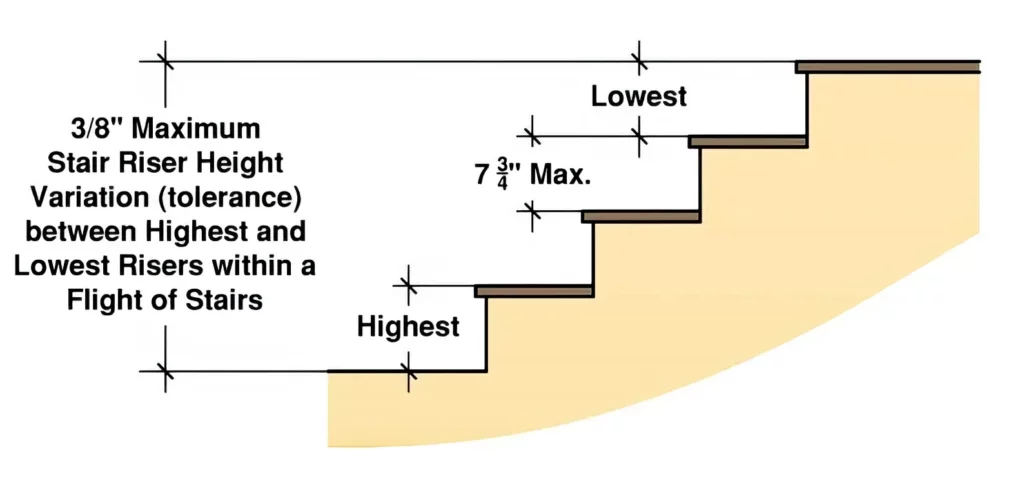
Many older homes were built with stair designs that do not meet current safety standards. Modifying dimensions can significantly improve safety.
Lower Riser Height to Reduce Leg Strain
Standard risers in older homes often exceed 8 inches, but ideal height for aging adults is 4 to 7 inches. High risers force seniors to lift their legs too far, increasing fatigue and misstep risk. If possible, reduce riser height by adding new treads or reconstructing the staircase.
Widen Treads for Better Foot Placement
Narrow treads leave little room for full foot support. Modern safety standards recommend at least 11 inches of tread depth. Wider treads allow the entire foot to land flat, reducing toe-overhang and tripping. Retrofit deeper treads by installing over-the-step nosing extensions that bolt directly onto existing treads.
Ensure Uniform Step Height and Depth
Inconsistent steps are invisible trip hazards. All steps should vary by no more than 3/8 inch in height or depth. Use a carpenter’s level and measuring tape to test each step. Hire a professional if adjustments are needed.
Install a Stairlift for Limited Mobility
When climbing stairs becomes painful or impossible, a stairlift restores independence. These motorized chairs glide along a rail attached to the stairs.
Choose Between Straight and Curved Models
Straight stairlifts cost $2,500 to $5,000 and fit standard, unbroken staircases. Curved stairlifts cost $8,000 to $15,000 and are custom-built for L-shaped, U-shaped, or spiral stairs. Both types operate via remote control or toggle switch. Foldable seats, armrests, and footrests save space when not in use.
Confirm Proper Installation and Safety Features
Stairlifts must be installed by certified technicians. Rails attach directly to stair treads, not walls. Look for models with obstruction sensors that stop the lift if something blocks the path. Seat belts, battery backup for power outages, and swivel seats for safe entry and exit are essential features.
Consider Alternatives
For wheelchair users, inclined platform lifts carry the entire mobility device up the stairs. Vertical platform lifts move straight up and down, bypassing stairs entirely. Residential elevators start around $20,000 and are ideal for whole-home accessibility.
Create Resting Landings and Seating
Long staircases without breaks can be exhausting. Adding resting points improves safety and comfort.
Add Intermediate Landings on Long Flights
Staircases with more than 12 consecutive steps should include a mid-flight landing. This allows seniors to pause, catch their breath, and regain balance. Landings should be at least 36 inches deep, wide enough to stand safely without blocking the path.
Install a Secure Bench with Armrests
Place a wall-mounted or freestanding bench at the landing for seated rest. Choose models with a sturdy frame, back support, and armrests for leverage when standing. Ensure the bench does not protrude into the stairwell or create a tripping hazard.
Relocate Daily Living Spaces to One Floor
Reducing stair use is often safer than modifying stairs. Moving daily activities to one floor eliminates many risks.
Convert a First-Floor Room into a Bedroom
Move the primary bedroom downstairs, whether it is a den, office, or guest room. Add blackout curtains and soundproofing for comfort. Keep essential items like medications, phone, and flashlight within easy reach.
Add a First-Floor Bathroom or Shower
Nighttime bathroom trips are high-risk moments. Installing a half-bath or full bathroom on the main level eliminates late-night climbs. Even a simple toilet-and-sink setup can make a big difference. Use walk-in showers with grab bars and non-slip flooring.
Build a Kitchenette for Convenience
A mini-kitchen with a sink, microwave, refrigerator, and storage cabinets allows seniors to prepare meals without going upstairs. Place it near the living area or bedroom for easy access.
Hire a Stair Specialist for Custom Solutions
General contractors may not understand the nuances of senior mobility. Working with stair specialists ensures precision and expertise.
Work with Experts in Senior Stair Design
Companies specializing in senior stair design can widen treads and lower risers without full reconstruction. They install ADA-compliant handrails and lighting, integrate non-slip surfaces and visual cues, and plan for future assistive devices. Think of it like seeing a specialist doctor.
Get a Personalized Assessment and Quote
Schedule a home evaluation to identify specific risks and prioritize upgrades. A professional will measure step dimensions, assess lighting, and recommend cost-effective improvements. Ask for 3D renderings to visualize changes before work begins.
Maintain Safety with Regular Checks
Safety modifications require ongoing maintenance to remain effective.
Inspect Handrails and Treads Monthly
Loose handrails or worn treads can fail when needed most. Shake each handrail to test for wobble. Press down on treads to ensure they do not flex or creak. Look for cracks, splinters, or lifting edges.
Test Lighting and Sensors Weekly
Turn off lights and walk up and down the stairs to confirm motion sensors activate promptly. Replace burnt-out bulbs right away. Clean sensor lenses monthly to prevent dust buildup.
Replace Worn Treads and Strips Annually
Non-slip materials degrade over time. Inspect treads and strips for smoothness, peeling, or fading. Reapply or replace as needed, especially in high-traffic homes. For stairlifts, check battery charge and remote function every six months.
Frequently Asked Questions About Modifying Stairs for Elderly Safety
What is the most important modification to make stairs safer for seniors?
Installing dual handrails on both sides of the staircase is the most critical modification. Handrails provide essential support and balance assistance, reducing fall risk significantly. They should be ADA-compliant, extending at least 12 inches past the top and bottom steps.
How much does it cost to modify stairs for elderly safety?
Costs vary widely. Non-slip treads cost $50 to $200. Handrail installation runs $200 to $600 per rail. A straight stairlift costs $2,500 to $5,000, while curved models cost $8,000 to $15,000. Full stair renovation ranges from $3,000 to $10,000 or more.
Can I install a stairlift in any home?
Stairlifts can be installed on most straight staircases. Curved or irregular stairs require custom-built models. A professional assessment determines feasibility. Some homes may not accommodate stairlifts due to narrow stairs or structural limitations.
What lighting improvements help seniors navigate stairs safely?
Motion-sensor lights at the top and bottom of stairs provide automatic illumination. LED strip lighting along step edges highlights tread depth and position. High-contrast tape on step edges improves visibility for those with vision problems.
Should I modify stairs or relocate living spaces to the ground floor?
Both approaches have merit. Simple stair modifications like handrails and non-slip treads are cost-effective. However, relocating the bedroom and bathroom to the ground floor eliminates stair use entirely, which may be the safest option for those with significant mobility limitations.
Key Takeaways for Making Stairs Safe for Seniors

Modifying stairs for the elderly is not a one-size-fits-all solution. The best approach combines environmental adjustments, assistive technology, and lifestyle planning. Start with simple, high-impact changes like dual handrails, better lighting, and non-slip treads. These upgrades cost less than $500 but dramatically reduce fall risk.
Consider long-term strategies like stairlifts or single-floor living when mobility declines significantly. Investing in professional assessments ensures modifications meet individual needs and home layouts. Regular maintenance keeps safety features effective for years to come.
Every step you take today can help your loved one stay safe and at home for years to come.