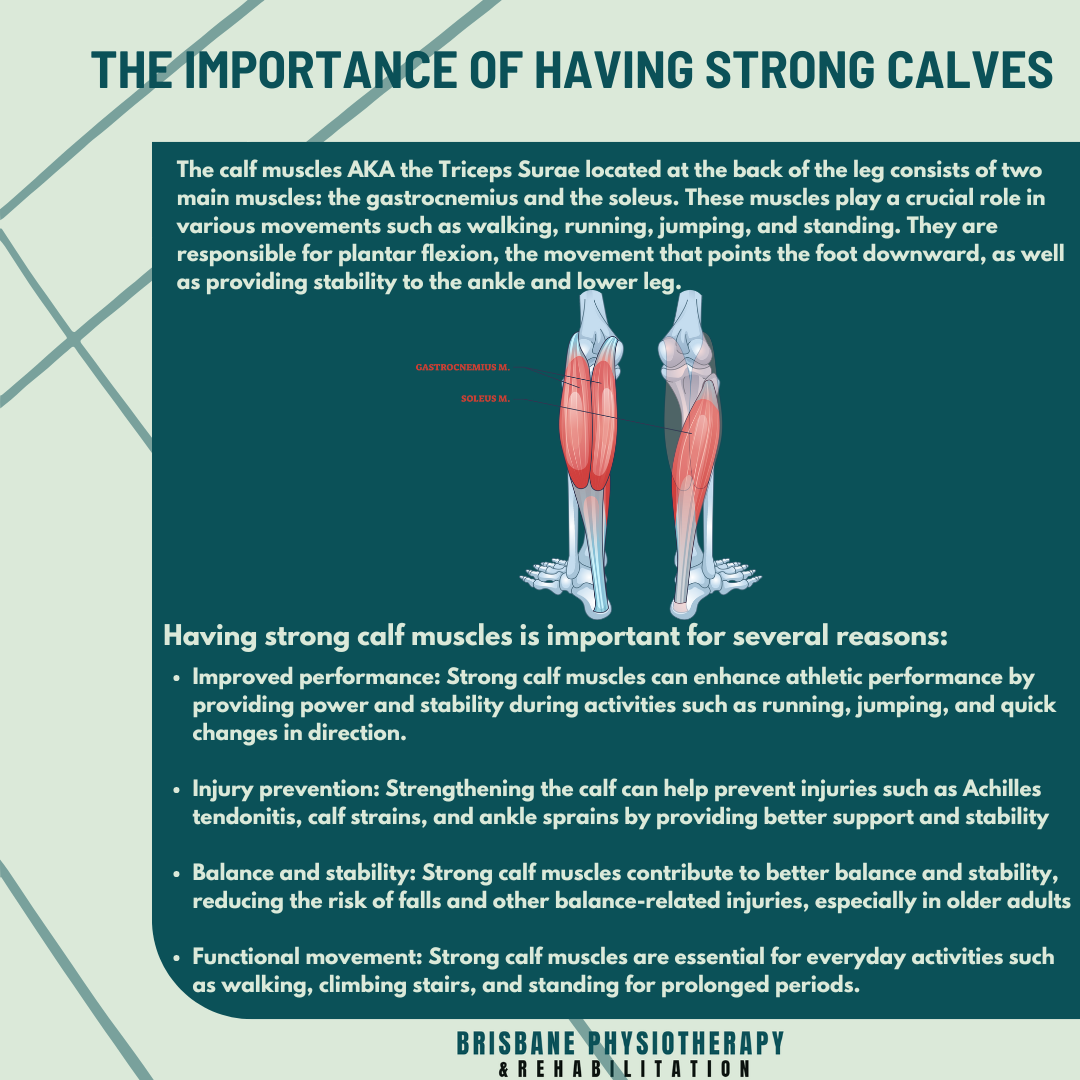
Weak calf muscles can silently undermine mobility, balance, and independence as we age. For seniors, how to strengthen calf muscles isn’t just about fitness, it’s about staying safe, walking confidently, and maintaining circulation. As muscle mass declines after 50, a condition known as sarcopenia, the calves home to key muscles like the gastrocnemius and soleus are often among the first to weaken. This loss impacts everything from stair climbing to fall prevention. The good news? Evidence shows that even small, consistent exercises can restore strength, boost balance, and improve daily function. In this guide, you will learn safe, effective, and research-backed ways to strengthen your calves starting today, with no equipment needed.
Why Strong Calves Matter for Seniors
Your calf muscles do far more than help you walk. They are foundational to your stability, circulation, and overall mobility as you age. Understanding why these muscles matter motivates consistent practice.
Prevent Falls and Improve Balance
Your calf muscles are critical for ankle stability and postural control. Weakness here increases sway during standing and walking, raising fall risk. Studies show that seniors who strengthen their calves experience better dynamic balance, especially when stepping onto uneven ground or turning quickly. The push-off power generated by strong calves helps maintain stride length and coordination, essential for avoiding trips.
Boost Walking and Stair-Climbing Ability
Calf strength directly affects how easily you rise from a chair, climb stairs, or walk longer distances. Without adequate power in the lower legs, steps become shorter and more labored. Research confirms that calf raise exercises improve walking endurance, even in those with circulation issues like intermittent claudication.
Support Circulation and Reduce Swelling
The calf acts as a second heart by squeezing veins during contraction, helping blood return to the heart. When calves weaken, blood can pool in the legs, leading to swelling, varicose veins, or dizziness when standing. Regular calf activation, especially seated movement snacks, enhances venous return and reduces orthostatic hypotension.
Protect Joints and Prevent Injuries
Strong calves stabilize the ankle and knee, reducing strain on the Achilles tendon and lowering the risk of sprains, strains, and plantar fasciitis. They also promote proper foot mechanics, improving gait efficiency and reducing wear on joints.
Best Calf Exercises for Seniors

These exercises progress from easiest to most challenging. Start with seated options if you have balance concerns, then advance to standing variations as strength builds.
Seated Calf Raises
Seated calf raises are ideal for beginners or those with balance concerns, building strength without joint stress.
How to do it:
- Sit upright in a sturdy chair, feet flat and hip-width apart.
- Slowly lift heels, pressing through the balls of your feet.
- Hold at the top for 2 to 3 seconds and squeeze your calves.
- Lower slowly without dropping.
- Do 10 to 15 reps, 2 to 3 sets.
Tips:
- Keep your back straight and do not lean forward.
- Breathe out as you lift and in as you lower.
- Perform barefoot or in non-slip shoes.
Progressions:
- Add light weights like water bottles on your thighs.
- Try single-leg raises, one foot at a time.
- Increase hold time to 5 seconds.
Standing Calf Raises
This weight-bearing version targets the gastrocnemius more intensely and improves balance.
How to do it:
- Stand with feet hip-width apart.
- Hold a wall, counter, or chair for support.
- Push up onto the balls of your feet.
- Squeeze at the top, then lower slowly.
- Do 10 to 15 reps per leg, 2 to 3 sets.
Tips:
- Keep knees slightly bent to protect joints.
- Avoid swaying or leaning forward.
- Point toes straight ahead.
Progressions:
- Reduce hand support, one finger at a time, then no hands.
- Perform single-leg raises.
- Stand on a step for greater range of motion.
Deficit Soleus Raises
This targets the deep soleus muscle, vital for walking endurance and circulation.
How to do it:
- Stand on a step or platform with heels hanging off.
- Bend knees slightly, about 20 to 30 degrees.
- Rise onto your toes, then lower heels below the step.
- Move slowly without bouncing.
- Do 10 to 15 reps, 2 to 3 sets.
Why it works:
- The bent-knee position isolates the soleus.
- Increased range of motion builds strength through full movement.
Single-Leg Calf Raises
This builds unilateral strength and sharpens balance.
How to do it:
- Hold a support with one hand.
- Lift one foot slightly off the floor.
- Raise the heel of the standing leg as high as possible.
- Lower with control.
- Do 8 to 12 reps per leg, 2 sets.
Pro tip: Use a mirror to ensure your ankle stays aligned without wobbling.
Banded Ankle Pumps
Perfect for limited mobility or early rehabilitation, this non-weight-bearing move activates calves gently.
How to do it:
- Sit with a resistance band looped around one foot.
- Straighten your leg, then press toes away.
- Feel the calf contract.
- Return slowly.
- Do 10 to 15 reps per foot.
Tip: Use light to moderate bands and focus on control, not resistance.
Stretching and Mobility Work
Tight calves limit movement and increase injury risk. Stretch regularly to maintain flexibility.
Standing Calf Stretch
How to do it:
- Face a wall with hands at shoulder height.
- Step one foot back, keeping heel down and leg straight.
- Bend the front knee and shift hips forward.
- Feel the stretch in the back calf.
- Hold 20 to 30 seconds, 2 to 3 times per leg.
For soleus stretch: Slightly bend the back knee while keeping the heel down.
Downward Dog
A dynamic way to stretch both calves and improve ankle mobility.
How to do it:
- Start on hands and knees.
- Tuck toes and lift hips into an inverted V.
- Press heels toward the floor.
- Keep spine long and shoulders relaxed.
- Hold 20 to 30 seconds.
Modification: Bend knees slightly if calves are tight.
Ankle Circles
Improves joint fluidity and circulation, great for stiff mornings.
How to do it:
- Sit with one leg extended.
- Draw 5 to 10 circles in the air with your foot.
- Switch directions.
- Repeat on the other foot.
Do this hourly if sedentary.
Foot and Ankle Support Exercises
Arch Raises
Strengthens intrinsic foot muscles for better push-off and arch support.
How to do it:
- Sit with feet flat.
- Slide the ball of your foot toward your heel and lift the arch.
- Hold 3 to 5 seconds, then release.
- Do 10 to 15 reps per foot.
Why it helps: Prevents flat feet and improves gait mechanics.
Single-Leg Romanian Deadlift
Challenges balance and engages calves for stabilization.
How to do it:
- Stand tall and hinge forward at hips.
- Lift one leg behind you.
- Keep back straight and core tight.
- Return to start.
- Do 6 to 10 reps per leg.
Tip: Use a chair for balance if needed.
Exercise Plans by Fitness Level

Beginner Routine
Best for those new to exercise, with balance issues, or recovering from injury.
Exercises:
- Seated calf raises: 2 sets of 10
- Banded ankle pumps: 1 set of 10 per foot
- Ankle circles: 5 each direction per foot
Frequency: 2 to 3 times daily. Perfect while watching TV, on the phone, or after sitting.
Key: Focus on form and consistency with no pain.
Intermediate Routine
Best for those with some strength and balance established.
Exercises:
- Standing calf raises: 2 to 3 sets of 12
- Single-leg seated raises: 1 to 2 sets of 8 per leg
- Standing calf stretch: 30 seconds per leg
Frequency: Daily. Add light dumbbells or resistance bands for progression.
Advanced Routine
Best for active seniors with good balance and stability.
Exercises:
- Deficit soleus raises: 3 sets of 12
- Single-leg standing calf raises: 2 sets of 10 per leg
- Downward dog: 2 to 3 holds of 30 seconds
- Step-ups: 2 sets of 8 per leg
Frequency: Every other day. Rest if sore more than 48 hours.
Safety First: Guidelines for Seniors
When to See a Doctor
Consult a healthcare provider before starting if you have arthritis or joint pain, diabetic neuropathy, peripheral artery disease, history of falls or fractures, or swelling or circulation issues.
Safe Exercise Practices
- Stop if it hurts. Pain, cramping, or swelling means stop immediately.
- Use non-slip surfaces like carpet or rubber mats.
- Wear supportive shoes or go barefoot on safe surfaces.
- Use stable support like a wall, counter, or sturdy chair.
- Warm up first with 1 to 2 minutes of ankle circles or seated marches.
Watch for Warning Signs
Seek medical help if you experience persistent calf pain or swelling, redness or warmth in the calf which could indicate DVT, difficulty bearing weight, or sudden weakness.
Note: Never ignore calf pain. It can signal deep vein thrombosis or other serious conditions.
How to Progress Safely
Strength builds best when you advance gradually over time.
- Increase reps first, going from 10 to 15 before adding weight.
- Add resistance using dumbbells, resistance bands, or a weighted backpack.
- Reduce support gradually, moving from two hands to one hand to fingers to no hands.
- Increase hold time, squeezing at the top for 3 to 5 seconds.
- Expand range by using a step to lower heels below foot level.
- Add functional moves like step-ups, heel-to-toe walks, or stair climbing.
Golden rule: If balance wobbles, scale back. Stability comes with time.
Make It a Habit: Daily Integration
Movement Snacks for Seniors
Turn everyday moments into strength-building opportunities.
- Do seated calf raises while watching TV.
- Perform standing calf raises while brushing teeth.
- Practice ankle circles every hour if sitting a lot.
These micro-sessions boost circulation and muscle activation all day.
Sample 5-Minute Daily Plan
| Time | Activity |
|---|---|
| Morning | Seated calf raises 2×10, ankle circles 5 each way |
| Midday | Standing calf raises 1×10 per leg |
| Evening | Calf stretch 30 sec per leg, banded pumps 10 reps |
Consistency beats intensity. Small efforts compound over time.
Beyond Calves: Full-Leg Benefits
Strengthening your legs delivers wide-ranging rewards.
- Joint health eases arthritis pain and improves mobility.
- Bone density improves with weight-bearing moves, helping prevent osteoporosis.
- Metabolism increases as more muscle raises calorie burn at rest.
- Mood and sleep improve as exercise reduces anxiety.
- Social connection through group classes boosts motivation and reduces isolation.
Home and Community Options
At-Home No Equipment Needed
- Seated and standing calf raises
- Ankle circles and stretches
- Step-ups using stairs
- Chair yoga or balance drills
Group Programs
- Senior centers like those in Palos Verdes or Torrance.
- Aquatic exercise classes, ideal for joint pain.
- Chair-based fitness for limited mobility.
- Fall prevention workshops.
These offer structure, accountability, and social support.
Key Takeaways for Strengthening Calf Muscles
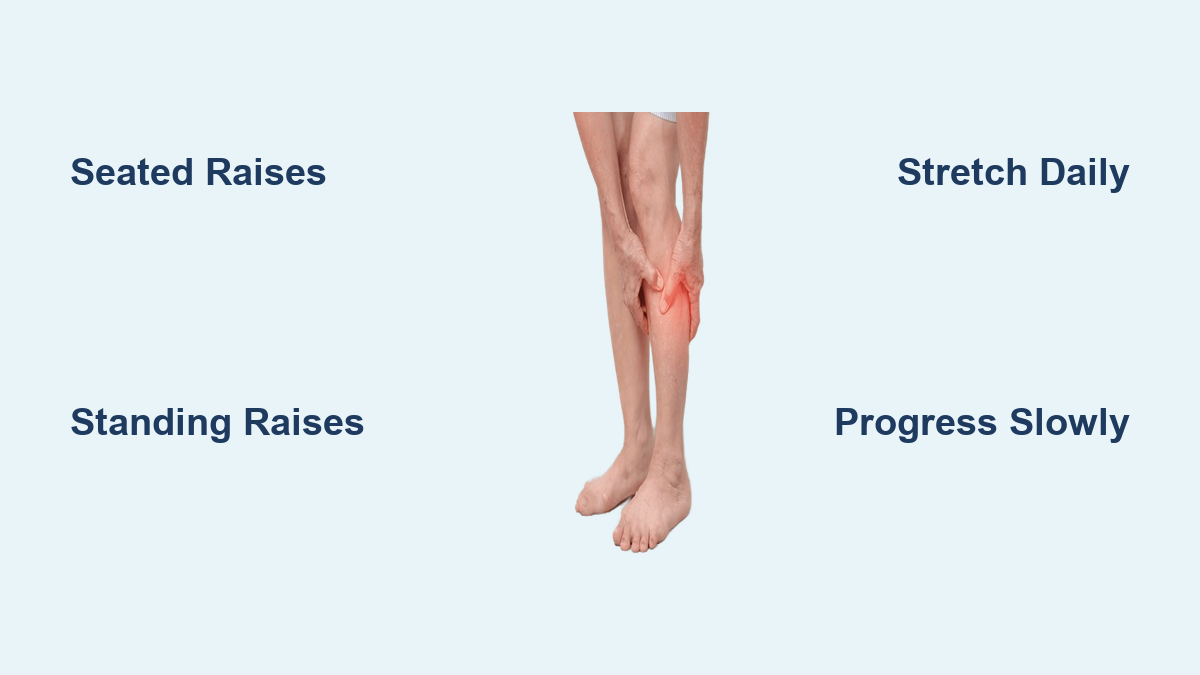
- Calf strength is foundational for balance, walking, and circulation in seniors.
- Start seated for safety and effectiveness.
- Stretch daily to maintain flexibility and prevent injury.
- Do calf raises multiple times a day, even 1 to 2 minutes helps.
- Progress slowly, adding more reps before resistance before balance challenges.
- Pain is a stop sign. Listen to your body.
- Consistency wins. Small daily efforts build long-term strength.
“Building strength helps you build tolerance to activity. If you feel strain, it is your body asking for preparation. Strengthen before you load and keep up with it.”
— Dr. Bullis
With patience and regular practice, seniors can regain calf strength, walk with confidence, and reduce fall risk no matter their starting point. Start today. Your legs will thank you tomorrow.
Frequently Asked Questions About Calf Exercises for Seniors
How often should seniors do calf exercises?
Seniors should aim to do calf exercises daily, either as one session or split throughout the day. Beginners may start with 2 to 3 sessions daily, while more advanced individuals can perform exercises every other day. Consistency matters more than intensity, so even brief sessions provide benefits.
Can seniors with arthritis still do calf raises?
Yes, seated calf raises are particularly suitable for seniors with arthritis because they strengthen muscles without stressing joints. Start with seated exercises and progress gradually. Always consult a healthcare provider before beginning any exercise program if you have arthritis or joint pain.
What if my calves cramp during exercise?
Stop immediately if you experience cramping. Stretch the muscle gently, stay hydrated, and ensure you are not overexerting yourself. Cramping may indicate fatigue or electrolyte imbalance. Rest before continuing, and consider reducing intensity.
Are calf exercises safe after knee replacement?
Seated calf raises are generally safe after knee replacement, but you should follow your surgeon’s specific guidelines. Avoid weight-bearing calf raises until cleared by your physical therapist. Always start with non-weight-bearing exercises and progress only with professional guidance.
How long does it take to see results from calf exercises?
Most seniors notice improved strength within 4 to 6 weeks of consistent practice. Balance improvements may take longer, typically 8 to 12 weeks. The key is daily practice, even if brief. Small efforts compound into meaningful strength gains over time.
Should seniors stretch before or after calf exercises?
Both are important. Stretching before exercise warms up muscles and improves range of motion. Stretching after helps maintain flexibility and reduces stiffness. A brief warm-up like ankle circles before exercising and static stretches like the standing calf stretch after provides the best results.