Watching a parent or aging family member struggle with daily tasks can be deeply emotional. You want to help, but knowing how to assist elderly individuals without overstepping or causing resistance is a delicate balance. Many signs of declining independence are subtle: missed bills, unclean dishes, skipped doctor’s appointments, or sudden withdrawal from social life. These are not just inconveniences, they are red flags that support is needed.
This guide provides actionable, evidence-based steps to help you recognize when intervention is necessary, start compassionate conversations, improve home safety, manage health needs, explore care options, and protect your own well-being as a caregiver. Whether you are considering home modifications, hiring aides, or evaluating assisted living, this roadmap gives you the tools to act early, wisely, and with dignity.
Recognize Warning Signs Early
Catching changes in function or behavior before a crisis allows for smoother transitions and better outcomes. Use these indicators to assess whether your loved one needs support.
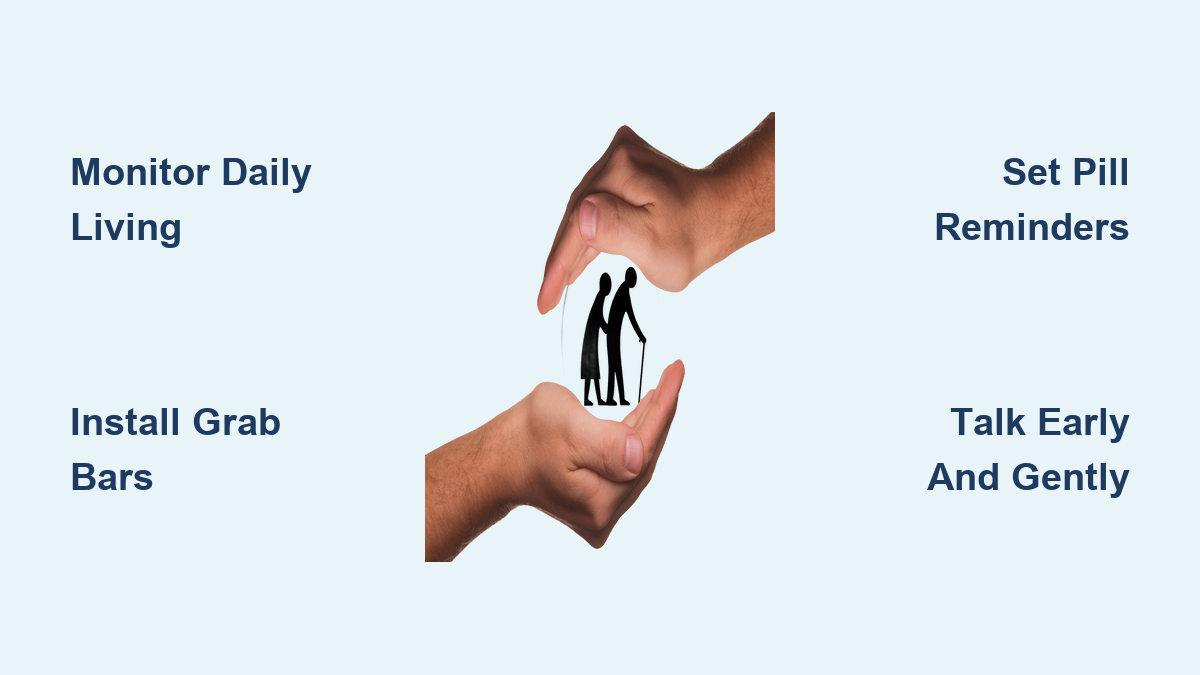
Monitor Daily Living Skills
Decline in Instrumental Activities of Daily Living often signals the need for assistance. These tasks reflect independence:
- Managing money: late payments, unopened bills, or falling for scams
- Shopping and errands: no longer going to the grocery store or post office
- Cooking meals: living on frozen dinners despite having food, or spoiled food in the fridge
- Housekeeping: accumulated trash, unwashed dishes, or cluttered walkways
- Transportation: avoiding driving due to confusion, poor vision, or fear of accidents
If they are struggling with three or more of these areas, it is time to intervene.
Watch for Hygiene Changes
Neglecting personal care can stem from physical pain, fear of falling, or cognitive issues:
- Avoiding showers due to slippery floors
- Wearing the same clothes repeatedly
- Poor dental care or matted hair
These are not laziness, they are signs of real limitations that need addressing.
Spot Medication Mismanagement
Medication errors are a leading cause of hospitalization in seniors:
- Pill bottles left unorganized
- Double dosing or skipping doses
- Confusion about which pills to take and when
If they are missing heart or diabetes medications, the risk becomes urgent and medical follow-up is essential.
Track Weight and Nutrition
Unexplained weight loss may point to several underlying issues:
- Arthritis making cooking painful
- Cognitive decline causing forgotten meals
- Mobility issues preventing grocery trips
A drop of five percent body weight in six months warrants medical evaluation.
Assess Mobility and Fall Risk
Difficulty walking, climbing stairs, or using a walker increases isolation and danger:
- Refusing to leave the house
- Needing help to stand from a chair
- Using furniture for support while moving
Mobility decline often accelerates after hospitalization, making post-discharge monitoring critical.
Identify Cognitive Shifts
Forgetfulness beyond normal aging should be evaluated:
- Repeating questions in the same conversation
- Getting lost in familiar places
- Forgetting to turn off the stove
- Withdrawing from hobbies or family events
These could indicate early dementia or depression and deserve professional assessment.
Heed Input from Others
Friends, neighbors, or clergy may notice changes first:
- “I have not seen them at church in weeks.”
- “Their lawn has not been mowed in months.”
Outside perspectives add clarity when emotions cloud judgment.
Start the Conversation with Care
Talking about aging and help needs requires tact. Done poorly, it sparks defensiveness. Done right, it builds trust and opens doors to cooperation.
Begin Early, Not in Crisis
Delaying the talk until a fall or missed medication leads to rushed decisions. Start while your loved one is still independent:
- Bring up topics casually: “I read about fall-proofing homes. What do you think?”
- Plant seeds over time rather than demanding change
This approach reduces resistance and allows for thoughtful planning.
Use Observations, Not Accusations
Frame concerns as care, not criticism:
- Instead of: “You are not taking your pills.”
- Try: “I noticed some pills are left over. Can we go over your schedule together?”
This reduces resistance and opens dialogue.
Ask Open-Ended Questions
Encourage sharing with gentle prompts:
- “How is driving feeling these days?”
- “What would make cooking easier for you?”
- “Would having someone help with cleaning feel useful?”
Let them voice their struggles in their own words.
Involve Trusted Third Parties
If your parent resists, bring in neutral professionals:
- Their doctor: “The doctor suggested we review your medications.”
- A social worker: provides an objective assessment
- A case manager from an Area Agency on Aging
They can validate concerns without family tension.
Include Them in Decisions
Autonomy matters. Offer genuine choices:
- “Would you prefer help at home or moving somewhere with support?”
- “Should we look at grab bars or a walk-in shower?”
Control reduces fear of losing independence.
Be Patient and Repeat Conversations
Accept that this is not a one-time talk. Revisit topics gently over weeks or months. Emotions run high, so give space when needed and return to discussions when both parties are calmer.
Make the Home Safer Now

Over one in four seniors falls each year. Most injuries happen at home. Simple changes reduce risk and extend independence.
Prevent Falls Immediately
Target the most dangerous areas: bathroom, stairs, and bedroom.
Install Grab Bars and Non-Slip Surfaces
- Place grab bars inside showers, next to toilets, and in tubs
- Replace throw rugs with non-slip mats
- Use rubber guards on sharp countertop edges
Tip: Suction cup bars are not reliable. Use wall-mounted ones that are properly secured.
Improve Lighting and Clear Pathways
- Add bright LED lights in hallways, stairwells, and bathrooms
- Install motion-sensor nightlights in bedrooms and bathrooms
- Remove clutter, cords, and low furniture that can trip
Secure Stairs and Railings
- Ensure handrails are on both sides of stairs
- Check that railings are firmly attached and extend beyond top and bottom steps
Keep Essentials Within Reach
- Store dishes, food, and toiletries at waist level
- Avoid step stools. Install pull-down shelves instead
Optimize Health Management

Proper medical care prevents hospitalizations and maintains quality of life.
Organize Medications
Medication errors cause one in five emergency visits in seniors.
Use a Pill Organizer
- Choose a weekly or daily planner from a pharmacy
- Label clearly with time and dose
Set Reminders
- Use smartphone alarms, dedicated pill timers, or voice assistants
- Sync with family via shared apps if allowed
Review Prescriptions Regularly
- Ask the doctor to deprescribe unnecessary medications
- Check for dangerous interactions during each visit
Never Adjust Doses Alone
Even if symptoms improve, always consult the physician first before making any changes.
Support Doctor Visits
Accompany your loved one when possible.
Prepare Questions in Advance
- “What is the goal of this medication?”
- “Are there side effects we should watch for?”
- “Is this condition reversible?”
Request Portal Access
With legal authorization, get access to online health records. Track test results, appointments, and prescriptions.
Appoint a Care Coordinator
Some health systems assign a nurse care manager to coordinate specialists and follow-ups.
Promote Independence and Joy
Helping does not mean doing everything for them. Support self-care and social connection whenever possible.
Encourage Daily Participation
Let them do what they can, even if slower:
- Dressing with Velcro shoes or button hooks
- Feeding themselves with weighted utensils
- Bathing with long-handled sponges or shower chairs
This preserves dignity and delays decline.
Boost Social Engagement
Isolation increases depression and cognitive decline.
Visit and Connect Regularly
- Play cards, watch old movies, or go for short walks
- Involve grandchildren in visits or letter-writing
Suggest Group Activities
- Senior centers, book clubs, or religious groups
- Look for low-cost or free local programs through Area Agencies on Aging
Use Technology
- Set up video calls with family
- Use voice-activated devices for music or news
Explore Care Options That Fit
No single solution works for all. Match support to needs, budget, and preferences.
Hire In-Home Help
Ideal when your loved one wants to stay home.
Personal Care Aides
- Assist with bathing, dressing, grooming
- Help with meal prep and light cleaning
- Accompany to appointments
- Cost: thirty-six to forty-five dollars per hour, usually four-hour minimum
- Use agencies that provide backup caregivers and references
Skilled Nursing at Home
For medical needs like wound care, injections, or vital sign monitoring. Often covered by Medicare after hospitalization.
Therapy Services
- Physical therapy: regain strength after injury
- Occupational therapy: adapt to limitations
- Speech therapy: help with swallowing or communication
Try Adult Day Care
Great for socialization and caregiver breaks.
Benefits
- Structured activities and meals
- Health monitoring
- Transportation often included
- Cost: sixty-five to ninety dollars per day
Use during work hours or for respite.
Consider Assisted Living
When home care is not enough but twenty-four-hour nursing is not needed.
Features
- Private apartments
- Meals, housekeeping, and transportation
- Staff assist with medications and personal care
- Social events and activities
Ideal for those who need help but value independence.
Know When a Nursing Home Is Necessary
Reserved for advanced medical needs:
- Incontinence or inability to reach the bathroom
- Feeding tubes or IV therapy
- Severe dementia with wandering or aggression
- No safe way to provide care at home
Often follows hospitalization or rapid decline.
Tour Facilities Wisely
See options in person:
- Look for cleanliness, staff responsiveness, and pleasant odors
- Ask about waitlists, language or religious accommodations, and payment options
Use long-term placement agencies to narrow choices.
Protect the Caregiver’s Health
You cannot pour from an empty cup. Caregiver burnout is real and dangerous.
Recognize Stress Signals
Watch for:
- Constant irritability
- Trouble sleeping
- Weight changes
- Feelings of hopelessness
- Thoughts of harming yourself or your loved one
These require immediate attention.
Practice Self-Care Daily
Prioritize Your Health
- Eat balanced meals
- Exercise twenty to thirty minutes most days
- Get seven to eight hours of sleep
Manage Stress
- Try deep breathing, meditation, or journaling
- Keep up with hobbies or interests
Set Realistic Expectations
- Accept you cannot do everything
- Focus on progress, not perfection
Share the Load
Delegate Family Tasks
- Split duties: one sibling handles finances, another handles appointments
- Rotate visits or check-ins
Hire Help When Needed
- Use aides for a few hours a week
- Try respite care: short-term facility stays or in-home aides for weekend relief
Seek Emotional Support
Join a Caregiver Group
In-person or online groups help share struggles and solutions.
Talk to a Counselor
Therapy helps process grief, anger, or guilt. Many accept insurance or offer sliding scales.
Plan for Legal and Financial Needs
Act early to avoid crises.
Set Up Legal Documents
- Medical Durable Power of Attorney: lets you make healthcare decisions
- Financial Power of Attorney: allows bill paying and bank access
- Living Will or Advance Directive: states preferences for end-of-life care
Complete these while your loved one can participate.
Explore Financial Aid
Medicaid
Covers nursing homes and some home care. Eligibility depends on income and assets.
VA Benefits
Available to veterans and spouses. Can help pay for home care or assisted living.
Long-Term Care Insurance
Reimburses for aides, adult day care, or facility stays. Must be purchased before health declines.
Connect with Local Help
Area Agencies on Aging offer free counseling, referrals, and benefit assistance. Call one to investigate available programs.
Handle Special Situations
Some challenges need extra planning.
Support Dementia Care
- Use simple, clear language
- Stick to daily routines to reduce confusion
- Lock away cleaning supplies, knives, or car keys
- Use GPS trackers if wandering is a risk
Prepare for Emergencies
- Check during storms or heatwaves
- Have a generator if they rely on oxygen or electric beds
- Keep a seven-day medication supply and flashlight ready
Use Smart Technology
- Voice-activated lights or thermostats
- Medical alert systems with fall detection
- Indoor or outdoor cameras for remote check-ins with consent
Final Checklist: 10 Steps to Start Today
- Observe for changes in hygiene, eating, or behavior.
- Talk. Start the conversation gently and often.
- Visit the doctor together and ask questions.
- Install grab bars and nightlights in key areas.
- Set up a pill organizer and daily reminders.
- Call an in-home care agency for a consultation.
- Tour an adult day care center for respite options.
- Research assisted living, even if not ready yet.
- Join a caregiver support group or talk to a therapist.
- Contact your Area Agency on Aging for local resources.
Frequently Asked Questions About How to Assist Elderly
How do I know when my elderly parent needs help?
Look for changes in daily activities like managing finances, cooking, housekeeping, or transportation. Signs include missed bills, weight loss, poor hygiene, medication errors, or withdrawal from social activities. If three or more Instrumental Activities of Daily Living are affected, it is time to consider assistance.
What is the best way to talk to an elderly parent about needing help?
Start early and use observations rather than accusations. Ask open-ended questions like “How is driving feeling?” or “What would make cooking easier?” Include them in decisions to preserve autonomy. Be patient, as multiple conversations may be needed.
What home modifications prevent falls in elderly individuals?
Install grab bars in bathrooms and showers. Use non-slip mats instead of throw rugs. Improve lighting throughout the home, especially in hallways and stairways. Add motion-sensor nightlights. Ensure handrails are on both sides of stairs and that everyday items are within easy reach.
How much does in-home care cost for elderly individuals?
Personal care aides typically cost thirty-six to forty-five dollars per hour with a four-hour minimum. Adult day care runs sixty-five to ninety dollars per day. Skilled nursing at home is often covered by Medicare after hospitalization.
What are signs of caregiver burnout?
Common signs include constant irritability, trouble sleeping, weight changes, feelings of hopelessness, and thoughts of harming yourself or your loved one. Caregivers must prioritize self-care and seek support when these symptoms appear.
When should I consider moving my elderly loved one to assisted living?
Consider assisted living when home care is no longer sufficient but twenty-four-hour nursing care is not yet needed. Signs include frequent falls, medication mismanagement, inability to perform basic daily activities, or significant cognitive decline that puts safety at risk.
Key Takeaways for Assisting Elderly Loved Ones

Helping an elderly loved one is not about taking over, it is about supporting their dignity, safety, and joy. Start by observing for warning signs like changes in hygiene, medication management, or daily functioning. Have compassionate conversations early and include your loved one in all decisions. Make immediate home safety modifications like installing grab bars and improving lighting. Explore care options that fit your budget and their needs, whether in-home help, adult day care, or assisted living.
Remember to protect your own well-being as a caregiver. Join support groups, delegate family tasks, and seek professional help when needed. Contact your local Area Agency on Aging for free resources and guidance. Start small, act early, and know that you are not alone on this journey.