

As the days grow shorter and temperatures drop, many seniors begin to feel a shift in their mood and energy. The “winter blues” affect up to 20% of older adults, bringing fatigue, low energy, sadness, and social withdrawal. While often dismissed as part of aging, these symptoms can signal Seasonal Affective Disorder (SAD), a real and treatable condition. Left unaddressed, winter mood changes can impact physical health and quality of life.
The good news: you do not have to wait for spring to feel better. This guide provides evidence-based strategies from geriatric specialists and mental health professionals. You will learn how to maximize sunlight exposure, build healthy routines, stay active, eat for mood support, maintain social connections, and find joy in daily moments.
Maximize Natural Sunlight Exposure
Natural light is one of the most powerful tools for regulating mood and energy. Reduced daylight in winter disrupts the body internal clock, lowering serotonin and increasing melatonin, which leads to fatigue and low mood.
Sit Near Sunny Windows Each Morning
Position seating areas near south- or west-facing windows where sunlight is strongest. Open blinds and curtains every morning to flood rooms with natural light. Even on cloudy days, ambient daylight helps regulate circadian rhythms. Aim to spend at least 30 minutes near a bright window each morning, ideally between 10 a.m. and 3 p.m.
Pro tip: Combine light exposure with a morning routine. Enjoy breakfast, read the paper, or knit while basking in daylight.
Take Short Outdoor Walks
A brief walk outside delivers triple benefits: sunlight, movement, and fresh air. Just 10 to 15 minutes of midday walking can significantly improve energy and mood. Dress in layers, wear non-slip footwear, and avoid icy paths. Even a stroll around the driveway or porch counts.
Visual cue: Look for shadows. If you cast one, there is enough daylight to help.
Rearrange Indoor Spaces for Light
Trim tree branches or bushes blocking windows. Move furniture so favorite chairs face the sun. Use mirrors to reflect light and brighten dim corners. These small changes increase daylight penetration and create a more uplifting environment.
Use Light Therapy Correctly
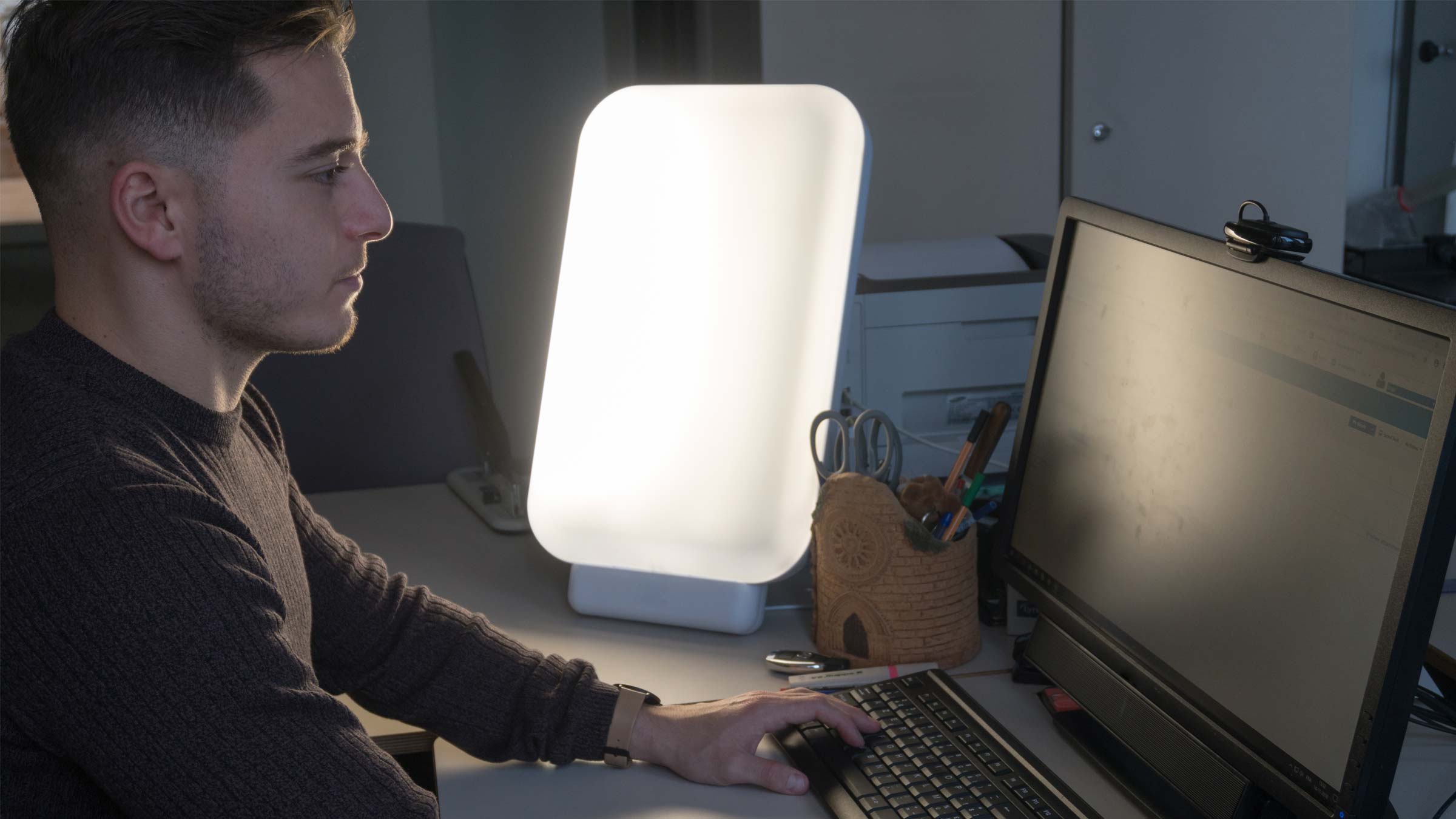
When natural sunlight is not enough, light therapy offers a proven solution. Clinical studies show 50 to 80% of users experience symptom relief within one to two weeks.
Choose the Right Light Box
Use a 10,000 lux full-spectrum lamp with minimal UV emission. Look for models labeled for SAD treatment and certified by the FDA. Avoid cheap alternatives that may lack intensity or safety features.
Follow Proper Usage Guidelines
Place the lamp 16 to 24 inches from your face, slightly above eye level. Use it for 20 to 30 minutes each morning, within an hour of waking. Keep eyes open but do not stare directly at the light. Read, eat, or knit while using it. Use daily from fall through winter, stopping in spring as daylight increases.
Warning: Do not use light therapy late in the day. It can disrupt sleep and worsen insomnia.
Know When to Consult a Doctor
Light therapy is not safe for everyone. Consult a physician if the senior has bipolar disorder, eye conditions like macular degeneration, or photosensitivity due to medications.
Optimize Indoor Lighting
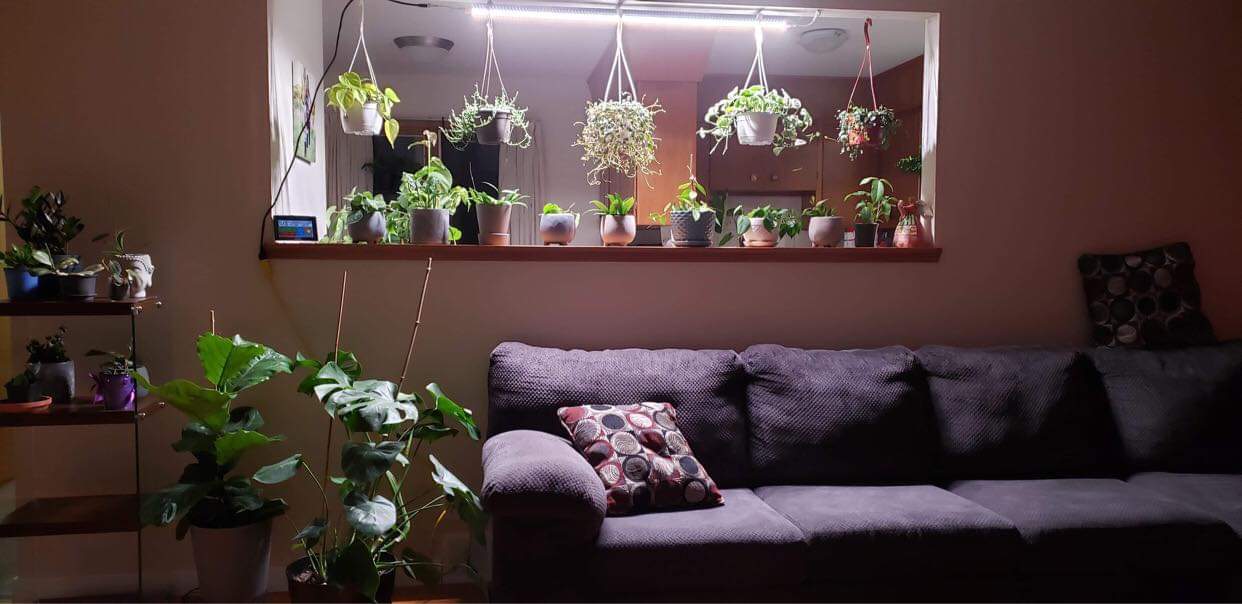
Your home environment plays a key role in emotional well-being. A dark, cluttered space can deepen feelings of isolation.
Install Daylight-Mimicking Bulbs
Replace standard bulbs with full-spectrum LEDs at 5000 to 6500K in living areas, kitchens, and bathrooms. These simulate natural daylight and help maintain alertness during the day.
Layer Your Lighting
Use a mix of overhead lights, floor lamps, and table lamps to eliminate shadows. Avoid relying on a single ceiling fixture. Warm-toned lights in bedrooms support relaxation, while bright white lights in common areas promote wakefulness.
Decorate for Mood
Add bright colors like yellow, light blue, or orange to walls, throw pillows, or artwork. Introduce indoor plants or fresh flowers to bring life indoors. Seasonal decorations like string lights can spark joy and create a cheerful atmosphere.
Sensory boost: Play gentle background music or nature sounds during the day to enhance stimulation.
Stick to a Consistent Daily Routine
Disrupted sleep-wake cycles worsen winter blues. A predictable daily schedule stabilizes mood and energy throughout the day.
Wake and Sleep at Fixed Times
Go to bed and rise at the same time every day, even on weekends. This reinforces circadian rhythms and improves sleep quality. Avoid napping after 3 p.m. to prevent nighttime insomnia.
Tip: Use an alarm clock or smart speaker to prompt morning wake-up and maintain consistency.
Eat Meals on Schedule
Regular meals stabilize blood sugar and energy levels. Prioritize a nutritious breakfast within an hour of waking. Include complex carbs and protein to support serotonin production throughout the day.
Build a Daily Structure
Create a simple routine that includes morning hygiene, light chores like making the bed or watering plants, and scheduled activities like reading or calling a friend.
Warning: Staying in pajamas all day signals the brain to hibernate, which worsens low mood and fatigue.
Move Your Body Every Day
Physical activity is a natural antidepressant. It boosts endorphins, improves sleep, and enhances cognitive function in seniors.
Try Chair Exercises
For limited mobility, seated workouts are effective and safe. Include arm circles, leg lifts, shoulder rolls, and neck stretches. Do 5 to 10 minutes, two to three times daily. Follow free YouTube videos from SilverSneakers or Gentle Yoga for Seniors.
Walk Indoors or Outdoors
Indoor walking options include mall walking programs, hallway laps, or stepping in place during TV commercials. Outdoor walking means short neighborhood walks when weather permits. Even brief movement makes a difference.
Goal: Aim for 150 minutes of moderate activity weekly, broken into 10 to 15 minute sessions.
Join a Group Fitness Program
Structured classes provide motivation and social connection. SilverSneakers is free with many Medicare plans. EnhanceFitness and senior center tai chi or yoga are also excellent options. Combine movement with light by exercising near a sunny window.
Eat Mood-Boosting Foods
What you eat directly affects brain chemistry and energy levels. Strategic nutrition can significantly improve winter mood.
Prioritize Key Nutrients
Focus on these mood-supporting nutrients. Omega-3s from salmon, walnuts, and flaxseeds reduce depression risk. Complex carbs from oats, sweet potatoes, and beans boost serotonin. Vitamin D from fatty fish and fortified milk regulates mood. B vitamins from eggs, spinach, and whole grains support nerve function.
Prepare Balanced Meals
Try these winter-friendly options. Baked salmon with roasted vegetables provides omega-3s and protein. Lentil stew with kale and brown rice offers fiber and complex carbs. Oatmeal with blueberries, walnuts, and cinnamon starts the day with sustained energy. A smoothie with spinach, banana, Greek yogurt, and flaxseed delivers nutrients in an easy-to-digest form.
Limit Mood-Disrupting Foods
Avoid sugary snacks that cause energy crashes. Limit excessive caffeine that disrupts sleep. Reduce alcohol intake, which is a depressant. Skip high-sodium frozen meals that lack nutrient density.
Hydration tip: Drink water, herbal teas, or warm lemon water even in cold weather. Dehydration mimics fatigue and confusion.
Stay Socially Connected
Loneliness is a major trigger for winter depression. Regular interaction, even brief, can lift mood significantly.
Make Daily Contact
Talk to at least one person every day. Phone a family member. Video chat with grandchildren. Call a friend for a 10-minute check-in.
Tech help: Use Alexa to set reminders like “Call daughter at 10 a.m.” to build consistent connection habits.
Join Group Activities
Senior center events like Bingo, book clubs, and crafts provide structure and companionship. Church and faith-based groups offer spiritual support and community. Library programs host lectures and tech classes. Virtual game nights and online worship expand options for those with transportation challenges.
Real-world impact: At Trinity Health PACE Alexandria, seniors who once refused to leave home now eagerly attend daily activities. Recreation Coordinator Veronica Guidry observes, “They come alive. It is a blessing to see their mental health improve.”
Try Pet or Intergenerational Therapy
Pet visits and therapy animals reduce stress and provide unconditional companionship. Reading to children or mentoring youth fosters purpose and connection.
Engage in Creative Activities
Mental stimulation protects cognitive health and improves emotional resilience during winter months.
Explore Art and Music
Adult coloring books provide calming creative expression. Painting or drawing sparks creativity. Singing holiday songs lifts spirits. Playing an instrument engages the mind and brings joy.
Journal or Write
Keep a daily gratitude list focusing on three good things each day. Write letters or holiday cards to stay connected. Record life stories or memoirs to preserve meaningful experiences.
Solve Puzzles and Play Games
Crosswords, Sudoku, and jigsaw puzzles keep the mind sharp. Trivia and card games with friends combine mental engagement with social connection. Brain-training apps like Lumosity or Peak offer digital cognitive exercises.
Expert note: Veronica Guidry observes that gardening, dancing, and crafts have a measurable positive effect on seniors mental health.
Support Emotional Health
It is normal to feel sad or nostalgic in winter, especially during holidays. The key is healthy emotional processing.
Practice Mindfulness
Use apps like Calm or Insight Timer for guided meditation. Try the 4-7-8 breathing technique: inhale for 4 seconds, hold for 7 seconds, exhale for 8 seconds. Eat mindfully by focusing on taste, texture, and smell.
Seek Professional Help When Needed
See a doctor if sadness lasts more than two weeks. Seek help if basic self-care like bathing and eating is neglected. Immediate intervention is required if there are thoughts of self-harm or suicide. Call 988 or go to the emergency room.
Available supports include primary care screening, cognitive-behavioral therapy, geriatric psychiatrists, and support groups for grief or depression.
Integrated care: Programs like PACE offer psychologists, social workers, and therapists all in one team.
Celebrate Small Wins Daily
Joy does not require big events. Micro-moments build emotional resilience over time.
Find Daily Delight
Sip hot cocoa while watching snowfall. Listen to favorite music. Wrap a small gift for yourself or someone else. Compliment a neighbor or caregiver.
Track Achievements
Use a whiteboard or journal to list daily wins. Write down accomplishments like making the bed, walking around the living room, or calling a sister. Recognizing small successes builds self-worth and motivation.
Leverage Community Support
You are not alone. Many programs exist to help seniors thrive year-round.
Enroll in PACE
The Program of All-Inclusive Care for the Elderly provides medical care, transportation, meals, therapy, and social activities. Teams include nurses, dietitians, and mental health counselors, all focused on keeping seniors active and connected.
Access Senior Services
Senior centers offer fitness classes, meals, and social events. Area Agencies on Aging provide transportation and in-home care referrals. Faith organizations host support groups and volunteer roles. Home care agencies like Visiting Angels offer companionship, meal prep, and light housekeeping.
Frequently Asked Questions About Winter Blues in Seniors
What is the difference between the winter blues and Seasonal Affective Disorder?
The winter blues refers to mild mood changes that occur during colder months, including low energy and temporary sadness. Seasonal Affective Disorder is a clinical condition with more severe symptoms that meet specific diagnostic criteria. SAD symptoms must last for at least two consecutive years and significantly interfere with daily functioning to qualify for a diagnosis.
How long do winter blues typically last?
Winter blues symptoms usually begin in October or November, peak between December and February, and resolve by March or April. The duration varies based on geographic location, individual health, and how actively someone implements coping strategies.
Can seniors safely use light therapy?
Most seniors can safely use light therapy with proper guidance. However, consult a physician first if the senior has bipolar disorder, eye conditions like macular degeneration, or photosensitivity from medications. Use a 10,000 lux lamp positioned 16 to 24 inches from the face for 20 to 30 minutes each morning.
What are the best exercises for seniors with limited mobility?
Chair exercises are ideal for seniors with limited mobility. These include arm circles, leg lifts, shoulder rolls, and neck stretches. Even five to ten minutes, two to three times daily, can improve mood and maintain strength. SilverSneakers offers free online videos specifically designed for older adults.
How can seniors stay socially connected during winter?
Seniors can stay connected through daily phone calls or video chats with family and friends. Joining senior center activities, faith-based groups, or virtual events provides regular interaction. Programs like PACE offer structured social activities. Technology like Alexa can set reminders to make daily check-ins automatic.
When should a senior seek professional help for winter depression?
Seek professional help when sadness lasts more than two weeks. Also seek help when basic self-care like bathing, eating, or dressing becomes difficult. Immediate attention is required if the senior expresses thoughts of self-harm or suicide. Primary care physicians can screen for depression and recommend appropriate treatment.
Key Takeaways for Overcoming Winter Blues

Winter does not have to mean sadness. With intentional effort, seniors can navigate darker months with strength and joy. The most effective strategies combine multiple approaches: maximizing natural and artificial light, maintaining consistent daily routines, engaging in regular physical activity, eating mood-supporting foods, staying socially connected, and finding creative outlets.
The winter blues are real, but so is the power to beat them. Start with one change today, whether it is opening curtains each morning, taking a short walk, or calling a friend. Small consistent actions build momentum and create lasting improvement in mood and quality of life.