Joint stiffness. Thin, dry skin. Brittle nails. Slow healing. These common signs of aging leave many seniors wondering whether collagen supplements can help. With collagen making up about 30% of the body’s protein, its steady decline after age 30 plays a major role in age-related wear and tear. Natural production drops by 1-2% per year, accelerating significantly after 60, making supplementation an increasingly popular strategy.
This guide cuts through the marketing hype using clinical evidence and expert opinions. You will learn what collagen can and cannot do, which types work best, how to choose a safe product, and how it fits into a broader healthy aging plan.
Understanding Collagen Decline After 50
After age 30, the body naturally produces less collagen each year. By the 60s and 70s, loss exceeds 30% per decade, particularly in postmenopausal women due to falling estrogen levels. This decline stems from multiple factors including hormonal changes, UV exposure from sun damage, poor nutrition, smoking, chronic stress, and sedentary lifestyle. The result is weaker skin, stiffer joints, thinner bones, and slower tissue repair, all connected to collagen depletion.
Signs of Low Collagen in Seniors
While collagen levels cannot be directly tested, visible indicators include wrinkles and sagging skin, joint pain or stiffness, brittle nails and thinning hair, slow wound healing, and frequent tendon or ligament injuries. Autoimmune conditions like lupus or rheumatoid arthritis and genetic disorders such as Ehlers-Danlos syndrome can worsen collagen damage.
What Science Says About Oral Collagen Supplements

Why Oral Form Beats Topical Products
Hydrolyzed collagen peptides, broken down into small absorbable chains, represent the most effective form of supplementation. Studies show these peptides are absorbed through the gut and delivered to skin, joints, and bones. A 2019 review found that 2.5 to 10 grams daily for up to 6 months improved skin hydration, elasticity, and dermal collagen density. A 2021 meta-analysis of 19 randomized controlled trials confirmed modest but measurable improvements in skin health, especially after 8-12 weeks of use.
Topical collagen creams perform poorly despite bold marketing claims. As Dr. Dawn Davis from Mayo Clinic explains, collagen molecules are too large to penetrate skin. Most topical products act as moisturizers rather than true collagen boosters. The bottom line is that oral collagen is far more effective than creams, serums, or lotions.
Key Benefits for Senior Skin Health
Hydration and Elasticity Improvements
Clinical trials demonstrate collagen can reduce wrinkle depth and improve skin smoothness, though results are modest and gradual rather than dramatic. Improvements typically appear after 8-12 weeks of daily use. Best outcomes come from combining collagen with vitamin C, sun protection, and a nutrient-rich diet. Multiple studies confirm collagen increases skin moisture and firmness. One meta-analysis found significant improvements in elasticity across trials.
However, as Dr. Don Davis from Mayo Clinic cautions, strong evidence that any over-the-counter collagen supplement is effective for anti-aging is lacking. While data is not conclusive, many seniors report subjectively better skin texture and hydration.
Joint and Bone Support: What Works
Easing Joint Stiffness
A 2019 meta-analysis found collagen supplementation linked to reduced stiffness and mild improvement in joint function, though no significant pain reduction was observed. For seniors with early osteoarthritis, this can mean better mobility, but not necessarily pain relief. The evidence suggests collagen helps with stiffness rather than pain management.
Targeted Support with UC-II
Undenatured type II collagen, known as UC-II at 40 mg daily, outperforms other forms in joint trials. One study found it reduced pain, stiffness, and functional decline better than glucosamine and chondroitin after six months. This form works through oral tolerance, a unique immune mechanism that helps calm joint inflammation.
Cartilage and Tendon Protection
Collagen provides building blocks for cartilage repair. Research by Katie Vasenina from the University of Tampa found collagen may prevent tendons from wearing down, though it did not boost muscle recovery. This is valuable for seniors recovering from surgery or managing joint instability.
Best Collagen Types for Older Adults

Understanding Collagen Types
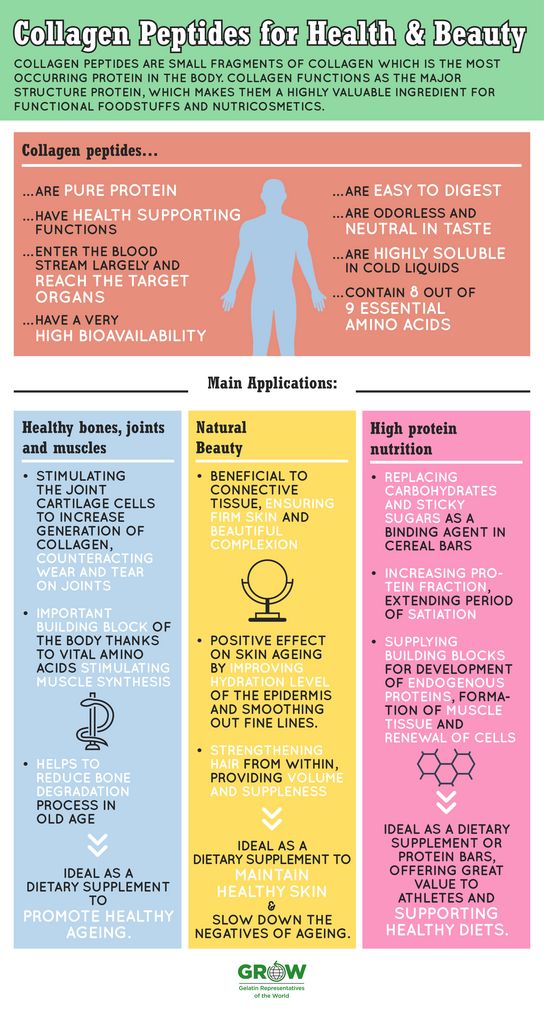
Type I and III collagen, typically from bovine sources, support skin firmness, bone matrix, and hair and nail strength. Marine or fish collagen is rich in Type I with smaller peptides for better absorption, ideal for pescatarians. Type II from chicken, found in undenatured form as UC-II, supports cartilage and may reduce joint inflammation via oral tolerance. Eggshell membrane contains Types I, V, and X, ideal for joint health and connective tissue repair.
Recommended Form for Seniors
Hydrolyzed collagen peptides offer the best overall choice because they are pre-digested for rapid absorption and dissolve easily in drinks, soups, or smoothies. Experts recommend multi-collagen blends containing Types I, II, III, V, and X for full-body support across skin, joints, bones, and gut.
How to Choose a Safe, Effective Product
Quality Markers to Look For
Always choose products with third-party certification from NSF, USP, ConsumerLab, or Informed Choice. Look for GMP-certified manufacturing and transparent sourcing from grass-fed, wild-caught, or cage-free sources. The label should clearly state “hydrolyzed collagen” or “collagen peptides.”
Red Flags to Avoid
Avoid proprietary blends that hide ingredient amounts, artificial sweeteners or fillers, and products without third-party testing. Many products are not absorbable and contain synthetic chemicals that do more harm than good.
Heavy Metal Contamination Risks
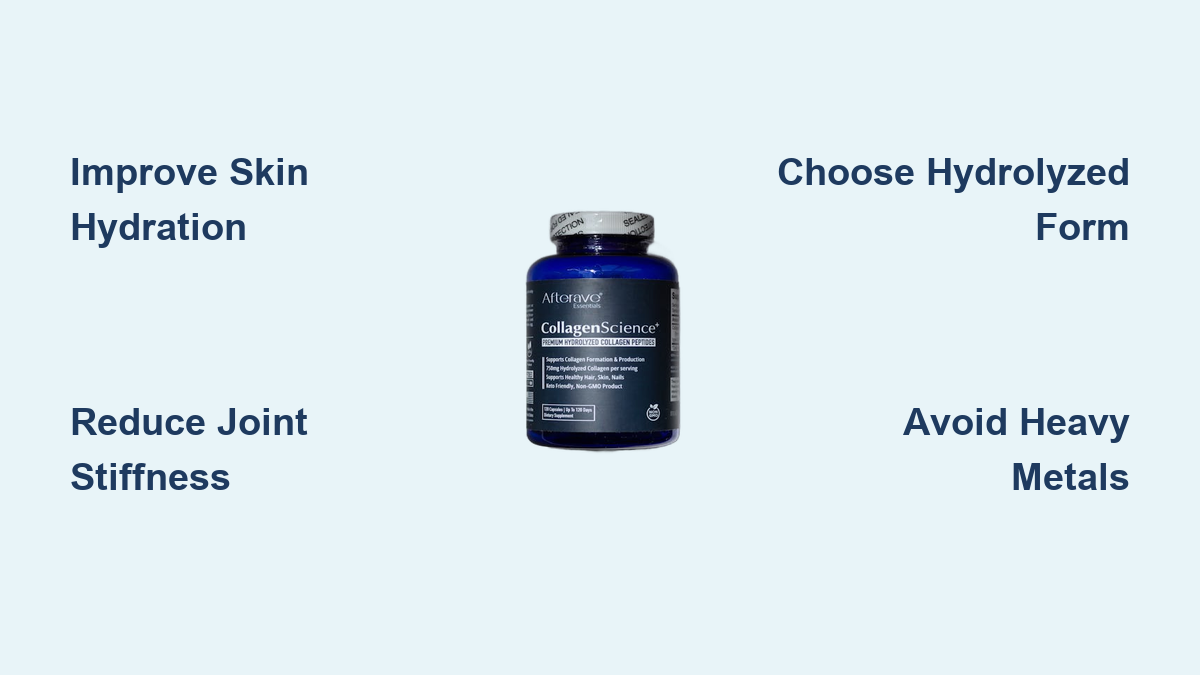
A 2020 study found 64% of popular collagen brands tested positive for arsenic, and over one-third contained detectable lead. These toxins accumulate over time, posing risks for older adults. Stick with brands that test for heavy metals and verify their sourcing and manufacturing practices.
Recommended Dosage for Seniors
How Much Should You Take
For skin health, 2.5-10 grams daily is recommended. For joint and bone support, 5-15 grams daily works better. For UC-II specifically for joints, only 40 mg daily is needed due to its different mechanism of action. No official RDA exists for collagen, but most studies use 5-10 grams daily.
Best Practices for Taking Collagen
Collagen can be taken anytime, morning, afternoon, or night. Mix it into coffee, tea, smoothies, or soups. Pair it with vitamin C to boost collagen synthesis. If protein intake is already low, collagen will not help much, so ensure adequate total protein first.
Natural Ways to Support Collagen Production
Collagen-Boosting Foods
Focus on a whole-foods diet rich in vitamin C from citrus, bell peppers, and broccoli. Include zinc from oysters, beef, and pumpkin seeds. Add copper from shellfish, nuts, and liver. Include manganese from spinach, whole grains, and pineapple. Eat proline and glycine sources like bone broth, egg whites, cabbage, and mushrooms.
Protecting Existing Collagen
Wear sunscreen daily with SPF 30 or higher. Avoid smoking and secondhand smoke. Limit alcohol intake. Get quality sleep and manage stress effectively. UV rays and smoking directly destroy collagen fibers, so protection is essential.
Stay Active for Collagen Production
Weight-bearing and resistance exercises stimulate collagen production in tendons, ligaments, and bones. This is key for mobility and fall prevention in seniors.
Potential Risks and Side Effects
Generally Safe for Seniors
Collagen is well-tolerated at 2.5-15 grams daily. Derived from food sources like bone broth, it poses low risk for most older adults.
Possible Side Effects
Some users experience digestive discomfort including bloating, nausea, and heartburn, especially at high doses. Allergic reactions may occur if sourced from fish, eggs, or shellfish. Some powders have a fishy or earthy aftertaste.
Drug Interactions to Consider
High protein intake may affect blood pressure medications, blood thinners, immunosuppressants, and diabetes drugs. Always consult your doctor before starting collagen, especially if you have chronic conditions or take medications.
Final Verdict: Is Collagen Right for Seniors
Evidence-Based Summary
Skin hydration shows moderate evidence with possibly effective results. Wrinkle reduction has weak evidence and is not strongly supported. Joint stiffness shows moderate evidence and is likely beneficial. Joint pain shows minimal evidence and is unlikely to help. Bone health has theoretical support but insufficient proof. Tendon repair shows emerging evidence and is plausible. Muscle recovery shows no evidence and is ineffective. Nail strength shows low evidence and may be possibly helpful. Hair growth shows preclinical evidence only and remains unproven.
Who Should Try It
Seniors most likely to benefit include those with dry, aging skin, individuals with joint stiffness or early osteoarthritis, people with low protein intake, postmenopausal women at risk for bone loss, and anyone with slow healing or fragile skin.
Who Should Be Cautious
Avoid or consult a doctor first if you have kidney disease, are allergic to animal products, take medications affected by protein intake, or expect quick, dramatic results.
Frequently Asked Questions About Seniors and Collagen
How long does it take for collagen to work for seniors?
Most studies show improvements appear after 8-12 weeks of daily use. Skin hydration and joint stiffness typically show results first. Consistency matters more than taking high doses.
Can collagen help with arthritis pain in older adults?
Collagen may reduce joint stiffness and improve mild function, but research shows no significant pain reduction. For targeted joint support, UC-II at 40 mg daily shows better results than standard collagen peptides.
Is collagen safe for seniors with kidney disease?
High protein intake may stress compromised kidneys. Seniors with kidney disease should consult their doctor before taking collagen supplements. Medical supervision is essential.
Which collagen type is best for aging skin?
Type I collagen from bovine or marine sources works best for skin health. Hydrolyzed collagen peptides offer the best absorption. Combining with vitamin C enhances results.
Does collagen interact with common senior medications?
Collagen may interact with blood pressure medications, blood thinners, immunosuppressants, and diabetes drugs. Always discuss supplementation with your healthcare provider before starting.
Can seniors get enough collagen from food instead of supplements?
Bone broth, egg whites, and meat provide some collagen-building amino acids. However, amounts are much lower than supplement doses. Food alone rarely provides therapeutic amounts for aging-related concerns.
Key Takeaways for Seniors Considering Collagen
Collagen supplementation can be a helpful tool for seniors when approached realistically. The evidence supports modest benefits for skin hydration, joint stiffness, and nail strength, though it is not a miracle cure. Choose high-quality, third-party tested products from reputable brands. Hydrolyzed collagen peptides at 5-10 grams daily represent the best starting point for most seniors. Combine supplementation with proven lifestyle habits including sun protection, healthy eating, and regular exercise for optimal results. Always consult your healthcare provider before starting any new supplement regimen, particularly if you take medications or have chronic health conditions.