Fatigue, weakness, and low energy are common complaints among older adults. Many turn to supplements, especially iron, hoping for a quick energy boost. But should seniors take iron supplements? The answer is not straightforward. While iron is essential for oxygen transport, immune function, and brain health, most seniors do not need iron supplements, and taking them unnecessarily can be harmful.
Iron requirements actually drop after age 50, especially in women after menopause. Yet, iron deficiency anemia still affects up to 17% of adults over 65, often signaling a serious underlying condition like gastrointestinal bleeding or cancer. At the same time, iron overload from unmonitored supplementation can damage the liver, heart, and pancreas. This guide cuts through the confusion and provides evidence-based guidance.
Iron Needs After 50: What the Research Shows
After age 50, both men and women need only 8 mg of iron per day, a significant drop from the 18 mg required by premenopausal women. This change occurs because menstrual blood loss stops, eliminating the primary route of iron loss.
As Dr. Suzanne Salamon of Harvard Medical School explains, after menopause, women are just like men and should not be losing iron. Men over 50 have no increased iron needs and are at equal or greater risk of iron accumulation due to lifelong dietary intake and lack of natural loss mechanisms. The National Academy of Sciences confirms that 8 mg per day is sufficient for all adults over 50, whether male or female.
Yet, many seniors consume more than this, sometimes unknowingly through multivitamins or fortified foods, raising the risk of iron overload. This is why testing before supplementing is critical.
Why Most Anemia in Seniors Is Not Iron-Related
While 10 to 17% of older adults have anemia, iron deficiency causes only about 15% of cases. The majority are due to other conditions, often chronic diseases.
Common Causes of Anemia in Older Adults
Anemia of chronic disease accounts for up to 85% of non-iron-deficiency cases. It is triggered by inflammation from arthritis, heart failure, kidney disease, or cancer. Vitamin B12 or folate deficiency affects roughly 15% of seniors, caused by poor absorption due to atrophic gastritis or PPI use. Bone marrow decline is common with age, reducing red blood cell production even with adequate nutrients. Medication effects are often underdiagnosed, as NSAIDs, anticoagulants, and PPIs can cause bleeding or impair absorption.
Critical Point: Fatigue in seniors is rarely due to low iron. Dr. Richard M. Dupee, a geriatrician at Tufts, warns that most fatigue in older adults is caused by deconditioning, medication side effects, or lack of physical activity, not low iron. Self-treating fatigue with iron supplements can mask serious illness, delay diagnosis, and lead to iron toxicity.
What Causes Iron Deficiency in Older Adults

When iron deficiency does occur in older adults, it is almost never because of poor diet. Instead, it is a red flag for something more serious.
Top Causes of Iron Loss or Poor Absorption
Gastrointestinal bleeding is the leading cause. Peptic ulcers, colon polyps, colorectal cancer, and angiodysplasia can cause slow, invisible blood loss. Drugs like NSAIDs, aspirin, or anticoagulants increase this risk. Chronic kidney disease reduces erythropoietin and causes functional iron deficiency. Malabsorption from celiac disease, IBD, gastric bypass surgery, or atrophic gastritis impairs iron uptake. Low stomach acid, whether age-related or drug-induced from PPIs and H2 blockers, dramatically reduces non-heme iron absorption. Plant-based diets without careful planning can also contribute, since non-heme iron from plants is less absorbable, especially without vitamin C.
Dr. Salamon warns that when she sees someone with iron deficiency, there is usually something wrong, often blood loss. Iron deficiency in seniors should never be dismissed as a minor nutritional gap. It can be an early sign of colorectal or gastric cancer and requires full medical evaluation.
Signs You Need Testing, Not Self-Treatment
Many seniors assume fatigue or weakness means low iron. But symptoms of iron deficiency overlap with normal aging, and so do symptoms of iron overload.
Iron Deficiency Symptoms
Persistent fatigue, pale skin, shortness of breath, brittle nails, dizziness, restless legs, and pica (craving ice or dirt) are common signs. Iron overload symptoms include joint pain especially in hands, abdominal discomfort, chronic fatigue, bronze or gray skin tone, elevated liver enzymes, and heart rhythm issues. Because both conditions cause fatigue, you cannot tell which you have without testing. Guessing could mean treating the wrong problem or making a hidden one worse.
How Iron Affects Aging Bodies
Iron supports multiple systems essential for healthy aging, but balance is crucial.
Energy and Oxygen Delivery
Iron is part of hemoglobin and myoglobin, which carry and store oxygen. Low levels reduce stamina and increase breathlessness during activity. But absorption declines with age. Only 10 to 30% of dietary iron is absorbed, and less if stomach acid is low.
Brain Health and Dementia Risk
Iron is needed for neurotransmitters and brain cell function. A 2013 Neurology study found that anemia doubles dementia risk in older adults. Yet, excess iron in the brain is linked to Parkinson and Alzheimer diseases, showing that both too little and too much are dangerous.
Immune Function and Bone Strength
Iron-deficient seniors have weaker immune responses and higher infection risk. But pathogens also need iron, so the body restricts availability during infection, complicating diagnosis. Iron helps build collagen and bone-forming cells. Deficiency is tied to low bone density and higher fracture risk.
Getting Accurate Iron Test Results
Self-diagnosis is risky. A full blood panel is needed to distinguish true deficiency from other anemias.
Essential Blood Tests
A complete blood count measures hemoglobin and red cell size. Low MCV suggests iron deficiency. Serum ferritin is the best measure of iron stores, with levels below 15 to 30 ng/mL indicating deficiency. However, ferritin is an acute-phase reactant and can be falsely normal during inflammation. TIBC and transferrin saturation help differentiate iron deficiency from anemia of chronic disease. C-reactive protein checks for inflammation. Soluble transferrin receptor is more reliable than ferritin in chronic illness. Reticulocyte hemoglobin shows iron availability for new red cells.
In seniors with arthritis, cancer, or heart disease, ferritin alone is unreliable. Use sTfR or CHr to confirm true deficiency. Dr. Salamon recommends annual blood work for all seniors, even without symptoms, to catch imbalances early.
Best Food Sources for Seniors
Most seniors can meet their 8 mg per day iron need through food. Dietary iron is less likely to cause overload and is better absorbed when paired with enhancers.
Heme vs. Non-Heme Iron
Heme iron from meat, poultry, fish, and eggs absorbs at 15 to 35% rates. Non-heme iron from beans, spinach, fortified cereals, and nuts absorbs at 2 to 20% rates and is affected by other foods.
Top iron-rich foods include beef liver (6.5 mg per 3 oz), lean red meat (2 to 3 mg per 3 oz), spinach (3 mg per cooked cup), lentils (3.3 mg per cup), fortified breakfast cereals (up to 18 mg per serving), pumpkin seeds (2.5 mg per oz), and dark chocolate (3.3 mg per oz, 70% plus cocoa).
Boost Absorption Naturally
Eat vitamin C-rich foods such as oranges, bell peppers, and strawberries with meals. Cook in cast iron pans, especially with acidic foods like tomato sauce. Avoid tea, coffee, dairy, and calcium supplements with iron-rich meals, as they block absorption.
When Iron Supplements Are Actually Needed
Iron supplements should never be taken without a diagnosis. They are powerful interventions, not general wellness aids.
Who Might Need Supplements
Lab-confirmed iron deficiency anemia, low ferritin below 30 ng/mL with symptoms, GI blood loss from ulcers or cancer, malabsorption from celiac or gastric bypass, chronic kidney disease with iron deficiency, or inability to meet needs through diet may warrant supplementation. If you fall into one of these categories, work with your doctor to determine dose and duration.
Understanding Iron Supplement Options

Not all iron supplements are the same. Some are more effective, while others are easier on the stomach.
Common Supplement Forms
Ferrous sulfate provides 65 mg per 325 mg tablet and is the standard choice but may cause constipation. Ferrous gluconate provides 35 mg per tablet and is gentler with lower doses. Ferrous fumarate provides 106 mg per tablet with higher iron content and more side effects. Iron polysaccharide has fewer GI issues but is less absorbed. Liquid iron allows for adjustable dosing. Nano-iron products are marketed as highly absorbable and less constipating.
Best Practices for Use
Take on an empty stomach with water or vitamin C juice. If nausea or constipation occurs, take with small food but avoid dairy or tea. Every-other-day dosing may improve absorption by syncing with hepcidin cycles. Continue for 3 to 6 months after hemoglobin normalizes to rebuild stores, then recheck ferritin to confirm repletion. IV iron is used for severe cases when oral iron is not tolerated, malabsorption is present, or rapid repletion is needed before surgery.
Why Check Your Senior Multivitamin
Despite medical advice, some multivitamins for seniors still contain iron, often 18 mg per dose, far exceeding needs. This trend may stem from the Women Health Initiative, which found some postmenopausal women at risk for anemia. But experts like Dr. Jacqueline Thielen of Mayo Clinic stress that no research shows that iron supplements reduce anemia risk in postmenopausal women. Dietary improvement is safer and more effective.
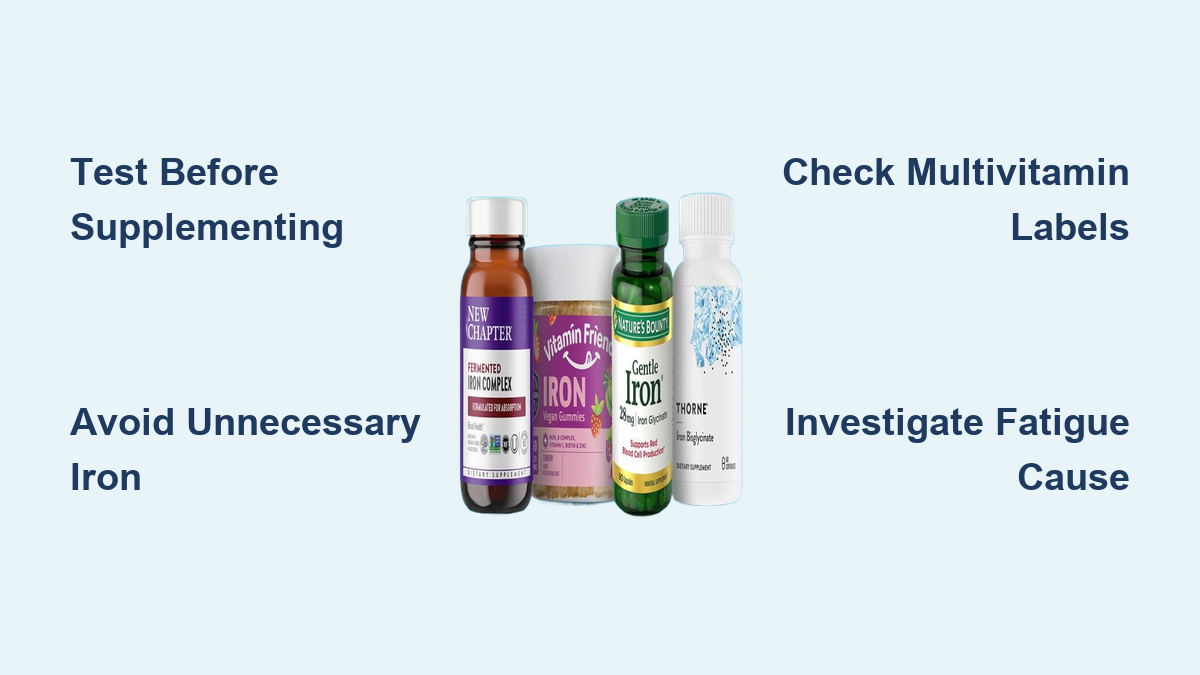
Always check the label. If your multivitamin contains iron, ask your doctor if you really need it.
Special Cases: Who Needs Extra Caution
Men Over 50
Iron deficiency is always a red flag, usually due to GI bleeding. This requires urgent colonoscopy or endoscopy. Never supplement without diagnosis.
Adults Over 80
The same principles apply with higher risk of poor intake or malabsorption. But lab proof is still required before treatment.
Vegetarians and Vegans
They rely on non-heme iron, which is less absorbable. They must pair plant iron with vitamin C and avoid inhibitors. They may need supplements only if deficiency is confirmed.
Risks of Unnecessary Iron Supplements
Unsupervised iron use carries real dangers.
Common Side Effects
Constipation, nausea, bloating, abdominal pain, and dark stools that can hide GI bleeding are frequent issues.
Medication Interactions
Iron reduces absorption of thyroid medications, antibiotics, and osteoporosis drugs. Take iron 2 hours apart from these medications.
Serious Long-Term Risks
Iron overload damages the liver, heart, and pancreas. Oxidative stress from free iron promotes cell aging and inflammation. Masked bleeding from symptom relief and dark stools may delay cancer diagnosis. Individuals with hereditary hemochromatosis are at highest risk, but acquired overload from supplements is increasingly common.
Key Takeaways for Seniors and Caregivers

Never self-prescribe iron because fatigue is rarely due to deficiency. Get tested first with CBC, ferritin, TSAT, and CRP. Investigate the cause because iron deficiency in seniors often means GI bleeding or cancer. Eat iron-rich foods and prioritize heme iron while pairing with vitamin C. Use supplements only under medical supervision, follow dosing, and retest regularly. Avoid iron in multivitamins unless prescribed. Monitor for side effects such as constipation, joint pain, or dark stools. Schedule annual blood work because early detection saves lives.
Frequently Asked Questions About Senior Iron Supplements
Can seniors get enough iron from diet alone?
Yes, most seniors can meet their 8 mg daily need through food. Lean red meat, poultry, fish, legumes, spinach, and fortified cereals provide adequate iron when paired with vitamin C to enhance absorption.
What are the first signs of iron deficiency in seniors?
Persistent fatigue, pale skin, shortness of breath, brittle nails, dizziness, and restless legs may indicate iron deficiency. However, these symptoms overlap with many other conditions, so testing is essential before treatment.
Are senior multivitamins with iron safe?
Not necessarily. Many senior multivitamins contain 18 mg of iron, far exceeding the 8 mg daily need for older adults. This can lead to iron overload. Check labels and consult your doctor before taking any multivitamin containing iron.
How do doctors test for iron deficiency in seniors?
Doctors use multiple blood tests including CBC, serum ferritin, TIBC, transferrin saturation, and CRP. In seniors with chronic inflammation, soluble transferrin receptor or reticulocyte hemoglobin provides more accurate results than ferritin alone.
Can iron supplements mask serious conditions?
Yes. Iron supplements can relieve fatigue symptoms while hiding gastrointestinal bleeding. Dark stools may be mistaken for a normal side effect, delaying diagnosis of colorectal cancer or ulcers.
Who should avoid iron supplements without medical approval?
Men over 50, anyone with normal iron stores, seniors with chronic inflammatory conditions, and those taking certain medications should avoid unsupervised iron supplementation. Only take iron if lab tests confirm deficiency and a doctor has identified the cause.
Final Thoughts on Senior Iron Supplementation
Only take iron if lab tests confirm deficiency and a doctor has identified the cause. Iron is essential, but more is not better. For most seniors, iron supplements are unnecessary and potentially dangerous. The safest path to better energy is not a supplement bottle but a blood test, a balanced diet, and a conversation with your doctor. Diet first, test before treat, and treat the cause, not just the number.