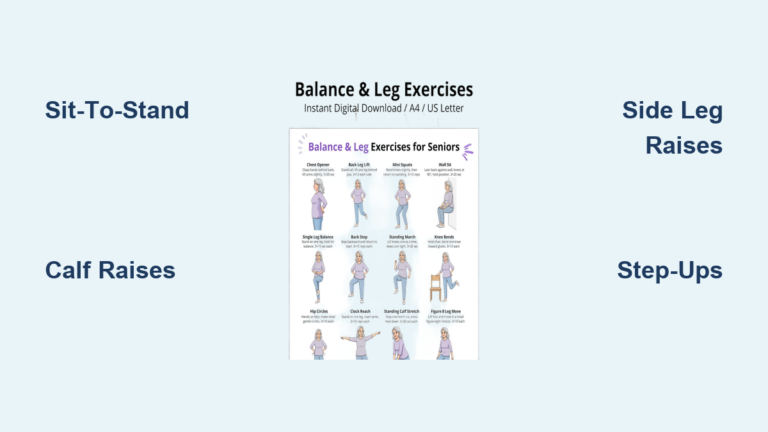

Dizziness in older adults is more than just a passing discomfort. It is a red flag that something may be off-balance in the body’s complex system of balance control. Affecting up to 50% of people over 85, dizziness increases fall risk, limits mobility, and can lead to serious injury. But it is not an inevitable part of aging. Most cases are treatable when the root cause is properly identified.
The key to effective treatment lies in understanding that dizziness is not a disease. It is a symptom that can stem from inner ear disorders like BPPV, blood pressure drops when standing, medication side effects, neurological conditions like stroke or Parkinson, or even anxiety. Because causes are often multifactorial in seniors, a one-size-fits-all approach fails. This guide breaks down how to treat dizziness in elderly individuals with evidence-based strategies.
Diagnosing the Root Cause of Dizziness
Treating dizziness starts with accurate diagnosis. Without knowing the source, treatments like the Epley maneuver may do nothing or worse, delay care for a serious condition like stroke.
Distinguishing Central from Peripheral Vertigo
Not all vertigo is equal. Distinguishing between central (brain-related) and peripheral (inner ear) causes is critical for proper treatment.
Peripheral vertigo typically stems from inner ear disorders like BPPV or labyrinthitis. These cases involve brief, intense spinning triggered by head movement with no neurological symptoms. They often respond quickly to repositioning maneuvers.
Central vertigo arises from brainstem or cerebellar issues like stroke or TIA. These cases present with persistent dizziness without positional triggers. They are accompanied by slurred speech, double vision, limb weakness, or imbalance. Crucially, central vertigo does not respond to Epley maneuver.
Red flag symptoms requiring immediate medical evaluation include sudden vertigo with any neurological sign. Posterior strokes can mimic inner ear issues but need urgent imaging like MRI.
Common Causes in Seniors
Dizziness in older adults rarely has a single cause. The most frequent contributors include:
| Cause | Key Features |
|---|---|
| BPPV | Brief spinning with head turns, diagnosed via Dix-Hallpike test |
| Orthostatic hypotension | Lightheadedness upon standing, confirmed by BP drop |
| Medication side effects | Linked to antihypertensives, sedatives, antidepressants |
| Labyrinthitis/vestibular neuritis | Acute vertigo lasting days, viral origin |
| Meniere disease | Vertigo plus hearing loss plus tinnitus |
| Neurological disorders | Stroke, Parkinson, MS affecting balance pathways |
Misdiagnosis is common. Up to 80% of dizziness cases in seniors are wrongly assumed to be BPPV when cardiovascular or central causes are responsible.
Treating BPPV With Canalith Repositioning
Benign Paroxysmal Positional Vertigo (BPPV) is the most common cause of vertigo in older adults and is highly treatable with the right techniques.
Performing the Epley Maneuver
The first-line treatment for posterior canal BPPV repositioning dislodged crystals in the inner ear. This maneuver has an 80-90% success rate after one or two sessions with symptoms often improving within 24 hours.
Step-by-step guide for affected right ear:
- Sit upright on a bed
- Turn head 45 degrees to the right
- Lie back quickly with head hanging slightly off the edge
- Wait 30 seconds until dizziness stops
- Turn head 90 degrees to the left without lifting
- Rotate body and head another 90 degrees so you are facing left
- Sit up slowly on the left side
Post-maneuver instructions are essential for success. Avoid lying flat for 48 hours. Sleep with head elevated on two pillows. Do not tilt head down like when checking phone or up like in a barber chair. Limit rapid head movements for one week.
Recurrence rates reach 30-50% within five years but repeat maneuvers remain effective.
Brandt-Daroff Exercises for Home Use
When professional treatment is not available, these self-administered exercises help habituate the brain to motion.
Instructions:
- Sit on edge of bed
- Lie down on right side with head turned 45 degrees upward
- Stay for 30 seconds or until dizziness fades
- Return to center position
- Repeat on left side
- One full cycle equals one set
Dosage is three sets per day for two weeks. This method is less effective than Epley but useful for home use when professional care is unavailable.
Managing Orthostatic Hypotension

A sudden drop in blood pressure upon standing causes lightheadedness, falls, and syncope in up to 30% of seniors. Proper management significantly reduces these risks.
Confirming Diagnosis With Standing BP Test
Measure blood pressure after five minutes lying down, then again after standing for one and three minutes. Diagnosis requires a drop of 20 mm Hg systolic or 10 mm Hg diastolic.
Non-Drug Strategies First
Many patients improve without medication through lifestyle changes.
Hydration and salt intake are foundational. Drink 1.5 to 2 liters of water daily unless restricted. Add modest salt under doctor supervision to increase blood volume. Avoid alcohol and large carbohydrate-heavy meals.
Compression stockings provide significant benefit. Wear waist-high 30-40 mmHg compression garments to reduce venous pooling in legs.
Physical counterpressure maneuvers offer quick relief when dizziness strikes. Teach patients to perform leg crossing with muscle tensing, squatting, or bending forward at the waist. These actions boost blood return to the heart and raise blood pressure quickly.
Medication Options When Needed
Use medications only when non-drug methods fail and symptoms are severe.
Fludrocortisone increases fluid retention but carries risk of swelling and high blood pressure. Midodrine constricts blood vessels but requires monitoring for supine hypertension. Droxidopa converts to norepinephrine and is reserved for neurogenic orthostatic hypotension only.
Addressing Medication-Induced Dizziness

Polypharmacy is a leading cause of dizziness in older adults. Over 500 drugs list dizziness as a side effect, making medication review a critical first step.
Conducting a Full Medication Audit
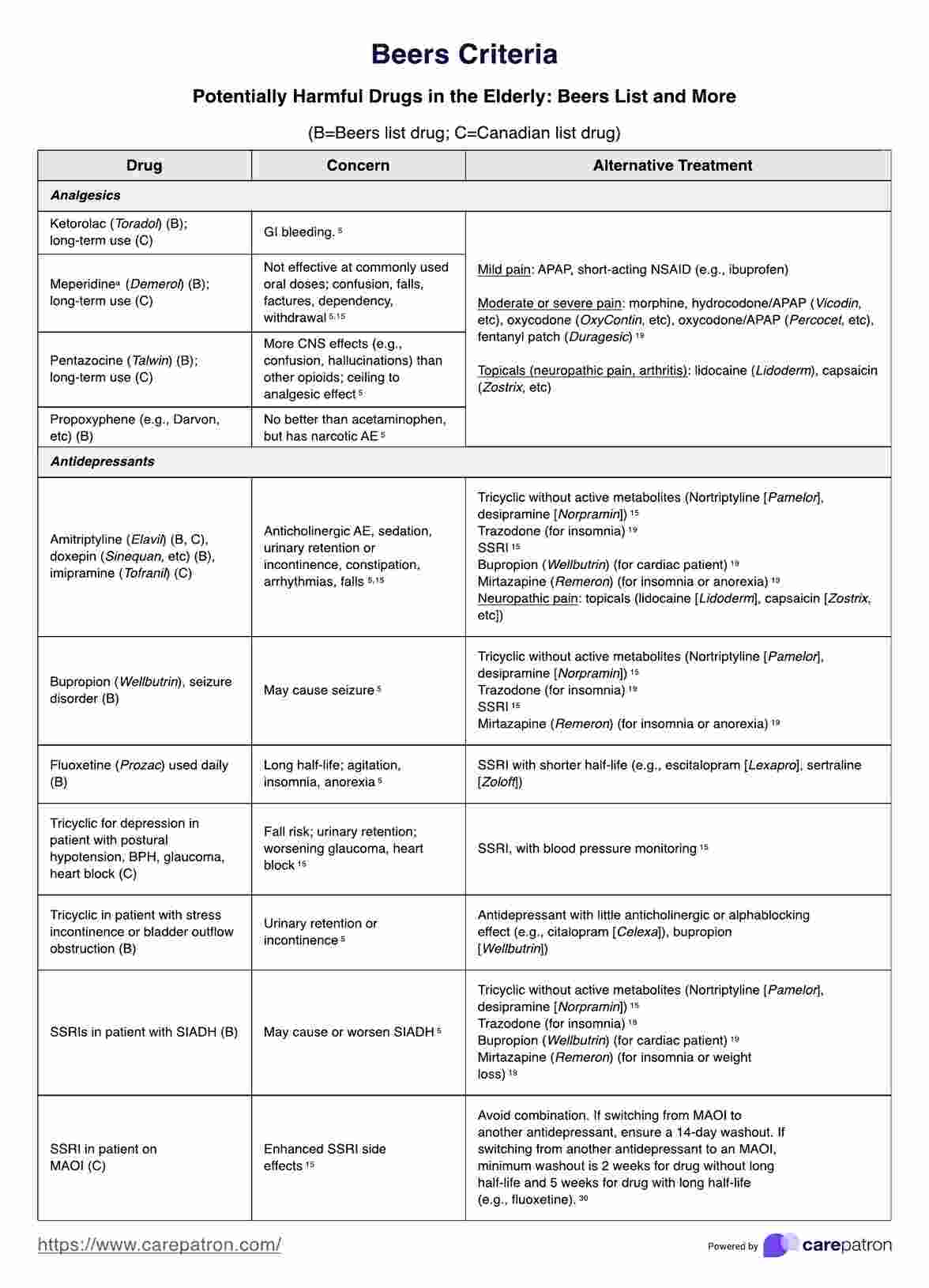
Review all medications including prescription drugs, over-the-counter medications, and herbal supplements. Use the AGS Beers Criteria to flag high-risk agents in older adults.
High-risk drug classes include antihypertensives like beta-blockers, diuretics, and ACE inhibitors. Psychotropics such as benzodiazepines, tricyclic antidepressants, and antipsychotics also pose significant risk. Sedatives including Z-drugs like zolpidem and diphenhydramine are common culprits. Opioids like morphine and tramadol affect balance. Anti-seizure medications like gabapentin and carbamazepine cause dizziness.
Outcome data shows that deprescribing inappropriate medications reduces dizziness and fall risk by 20-30%.
Safe Deprescribing Strategy
Prioritize drugs most likely causing symptoms. Taper slowly especially for benzodiazepines or antidepressants. Replace with safer alternatives like switching from tricyclic antidepressants to SSRIs. Monitor symptoms weekly after any changes.
Pro tip: Avoid starting new medications during a dizziness episode as this complicates tracking causality.
Using Vestibular Rehabilitation Therapy
For chronic imbalance, residual dizziness, or age-related vestibular decline, VRT retrains the brain to compensate using vision, inner ear function, and body sensation.
Core Exercise Types
Gaze stabilization exercises improve ability to see clearly while moving. Focus on a stationary target like an X on the wall. Move head side to side or up and down while keeping eyes fixed. Start slow and increase speed as tolerance improves.
Habituation training involves repeated exposure to mild dizziness-inducing movements like rocking side to side or bending forward. The brain adapts with repeated controlled stimulation.
Balance and gait exercises progress from static to dynamic, eyes open to closed. Practice standing with feet together, then tandem heel-to-toe. Walk heel-to-toe down a hallway. Add distractions like talking while walking.
Delivery options include in-clinic programs with physical therapists trained in vestibular rehab, home programs guided by printed or digital instructions, and telehealth sessions for remote monitoring.
Evidence shows VRT improves balance and reduces dizziness in 70-80% of patients even those over 80.
Applying Condition-Specific Treatments
Each cause of dizziness demands a specific approach. Matching therapy to diagnosis is essential for recovery.
Labyrinthitis and Vestibular Neuritis
Short-term medications for acute phase include meclizine or dimenhydrinate for vertigo and nausea, prednisone if neuritis suspected to reduce inflammation, ondansetron for vomiting, and clonazepam only for severe cases while avoiding long-term use.
Warning: Prolonged use of vestibular suppressants delays recovery by preventing central compensation.
Start VRT within the first week to speed recovery, especially important if imbalance persists beyond two to three weeks. Most patients recover fully in one to three months though some have lingering motion sensitivity.
Meniere Disease Management
Lifestyle modifications are foundational. Maintain a low-sodium diet limited to 1,500 mg per day. Distribute fluid intake evenly and avoid large volumes at once. Eat small frequent meals to prevent postprandial drops. Avoid triggers like caffeine, alcohol, nicotine, and stress.
Medications include hydrochlorothiazide-triamterene as first-line diuretic, betahistine outside the U.S. may reduce attack frequency, and meclizine or diazepam for acute attacks.
Advanced options for refractory cases include intratympanic dexamethasone to reduce inflammation while preserving hearing, gentamicin injections that destroy vestibular function reserved for poor-hearing ears, and rare surgical options like endolymphatic sac decompression.
Central Causes Require Different Approaches
Stroke and TIA require antithrombotics like aspirin or clopidogrel plus blood pressure and cholesterol control with early rehabilitation.
Parkinson disease patients need optimized levodopa or dopamine agonists, treatment for orthostatic hypotension if present, and essential VRT with balance training.
Multiple sclerosis patients benefit from disease-modifying therapies plus symptom management with VRT and cognitive behavioral therapy.
Central vertigo does not respond to Epley maneuver. Suspect central origin if symptoms are constant, not movement-triggered, or associated with other neurological deficits.
Implementing Fall Prevention Strategies
Falls are the biggest danger from dizziness. A single fall can lead to fracture, hospitalization, or loss of independence.
Modifying the Home Environment
Remove loose rugs, cords, and clutter. Install grab bars in bathrooms and near toilets. Use non-slip mats in showers. Add nightlights and motion-sensor lighting. Ensure clear pathways between rooms.
Adopting Safe Behaviors
Rise slowly: sit for 30 seconds before standing. Sit down immediately if dizzy. Use walls, railings, or furniture for support. Avoid driving or climbing during episodes.
Using Assistive Devices
Choose appropriate devices based on balance needs. Canes work for mild imbalance. Rollator walkers provide greater stability and seating. Wear non-slip footwear with rubber soles and low heels.
Pro tip: Practice falling safely by bending knees, tucking chin, and rolling to the side if possible.
Tracking Patterns With a Dizziness Diary
Track daily patterns to identify triggers including time of day, activity like standing or turning head, medications taken, food and fluid intake, and symptom duration and severity. This information helps doctors spot patterns and adjust treatment.
Supporting Overall Health and Stability
Long-term improvement requires holistic care beyond treating symptoms alone.
Optimizing Nutrition
Eat iron-rich foods to prevent anemia like spinach, red meat, and lentils. Ensure adequate B12 and folate for nerve and brain health from eggs, dairy, and fortified cereals. Eat balanced meals to prevent hypoglycemia and postprandial hypotension. Monitor urine color with pale yellow indicating adequate hydration.
Prioritizing Sleep and Mental Health
Maintain regular sleep schedules. Treat insomnia without sedatives when possible. Use cognitive-behavioral therapy for dizziness-related anxiety or PPPD.
Encouraging Physical Activity
Tai chi is proven to improve balance and reduce falls. Walking programs build endurance and confidence. Strength training focuses on legs and core.
Fact: Just 12 weeks of tai chi reduces fall risk by 47% in older adults.
Recognizing Emergency Warning Signs
Some causes of dizziness are life-threatening. Recognizing red flags can save lives.
Seek immediate help if you experience sudden vertigo with slurred speech, double vision, or limb weakness. Chest pain or palpitations indicate possible cardiac involvement. Fainting syncope requires evaluation. Severe headache with dizziness warrants urgent assessment. Acute hearing loss or tinnitus may indicate stroke. Signs of stroke follow the F.A.S.T. pattern: Face drooping, Arm weakness, Speech difficulty, Time to call 911.
Critical insight: Central vertigo from stroke does not resolve with repositioning maneuvers. MRI is essential for diagnosis.
Long-Term Outlook and Maintenance
Most older adults can significantly reduce dizziness with consistent effort and proper care.
Recovery timelines vary by condition. BPPV episodes last seconds to minutes with excellent recovery using Epley. Labyrinthitis resolves in days to weeks with good full recovery in one to three months. Meniere disease is episodic over years with variable outcomes. Orthostatic hypotension is chronic unless treated but responds well with lifestyle and medications. Medication-induced dizziness resolves in days to weeks after adjustment with excellent outcomes.
Ongoing monitoring is crucial. Conduct annual fall risk assessments. Perform quarterly medication reviews. Check home BP especially after standing. Repeat vestibular testing if symptoms change.
Key Takeaways for Treating Dizziness in Elderly
Accurate diagnosis is the foundation of effective treatment. Dizziness is a symptom, not a diagnosis. Identifying the root cause determines the right intervention.
Targeted treatments work best. Epley maneuver solves BPPV. Low-salt diet plus diuretics helps Meniere disease. Volume expansion plus vasoconstrictors manage orthostatic hypotension. VRT addresses chronic imbalance.
Fall prevention is non-negotiable. Modify the home environment, adopt safe behaviors, and use assistive devices. This is the best defense against injury.
Medication review prevents many cases. Use Beers Criteria and deprescribe high-risk agents. Quarterly reviews catch problems early.
The brain remains plastic at any age. With accurate diagnosis and consistent therapy, most seniors can reduce dizziness, improve balance, and regain independence.
Frequently Asked Questions About Treating Dizziness in Elderly
What is the most common cause of dizziness in elderly adults?
BPPV (Benign Paroxysmal Positional Vertigo) is the most common cause of vertigo in older adults. However, up to 80% of dizziness cases in seniors are misdiagnosed as BPPV when cardiovascular or central causes are actually responsible. This is why accurate diagnosis is critical before starting any treatment.
Can dizziness in elderly be cured?
Many causes of dizziness are highly treatable. BPPV responds to Epley maneuver with 80-90% success rates. Orthostatic hypotension improves with lifestyle changes and medication. Medication-induced dizziness often resolves after deprescribing. Even chronic conditions like PPPD respond well to VRT and cognitive behavioral therapy.
When should I worry about dizziness in the elderly?
Seek immediate medical attention if dizziness occurs with slurred speech, double vision, limb weakness, chest pain, fainting, severe headache, or acute hearing loss. These symptoms could indicate stroke, heart attack, or other serious conditions. Do not dismiss dizziness as normal aging.
How long does it take for dizziness to go away?
Duration depends on the cause. BPPV episodes last seconds to minutes each but recur in 30-50% of cases. Labyrinthitis resolves in one to three months with proper treatment. Orthostatic hypotension requires ongoing management. Medication adjustments typically show improvement within days to weeks.
Are there exercises to help with dizziness?
Yes, several evidence-based exercises help. The Epley maneuver treats BPPV. Brandt-Daroff exercises provide home-based habituation training. Vestibular rehabilitation therapy includes gaze stabilization, habituation, and balance exercises. Tai chi reduces fall risk by 47% in just 12 weeks.
Does dehydration cause dizziness in seniors?
Yes, dehydration is a common cause of dizziness in elderly adults. Reduced thirst sensation in seniors increases dehydration risk. Dehydration reduces blood volume and exacerbates orthostatic hypotension. Aim for pale yellow urine as an indicator of adequate hydration.