
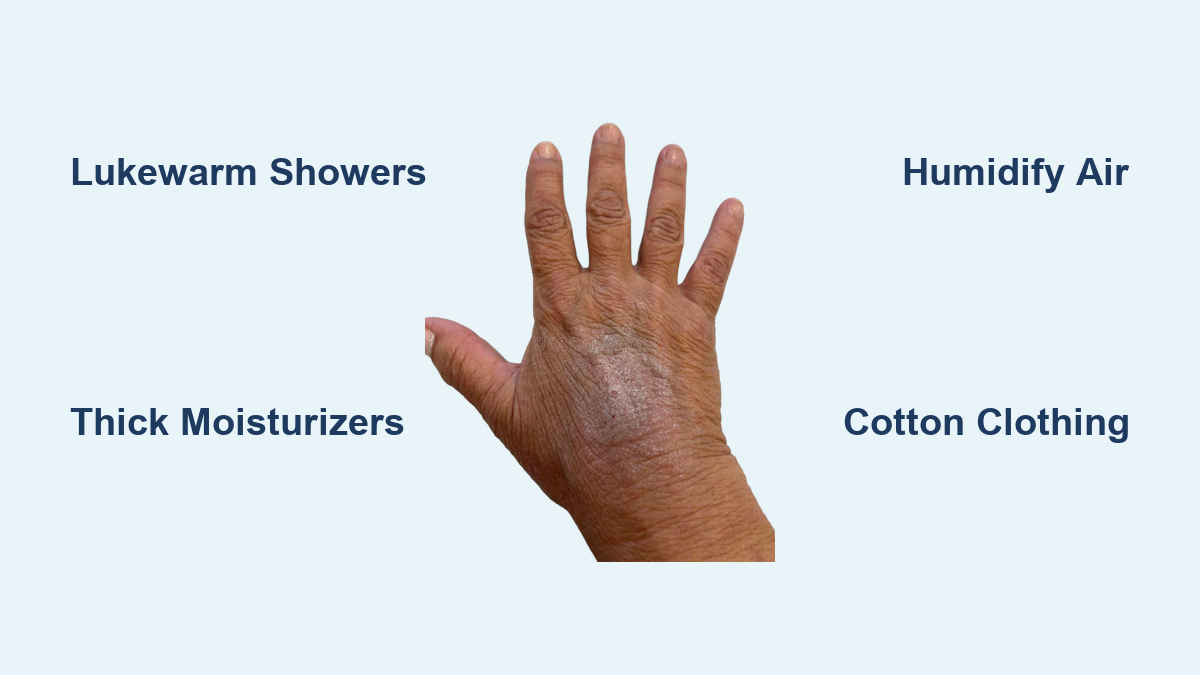
Dry skin in elderly adults is more than just a cosmetic concern. It is a common, often painful condition that can lead to itching, cracking, infections, and skin tears. Known medically as xerosis, this issue affects the majority of older adults due to age-related changes in skin structure, reduced oil production, and environmental stressors. Left untreated, it can significantly impact quality of life, disrupt sleep, and increase fall or infection risks.
The good news is that dry skin in seniors is highly manageable with the right daily habits, product choices, and preventive strategies. This guide delivers a complete, step-by-step approach to treating and preventing dry skin in elderly individuals. You will learn how to choose the best moisturizers, adjust bathing routines, identify complications early, and know when to seek medical help.
Fix Bathing Habits First
One of the biggest contributors to dry skin in seniors is improper bathing. Daily hot showers with harsh soaps strip the skin of its natural oils and disrupt the protective barrier, worsening dryness.
Use Lukewarm Water Only
Hot water dissolves the skin’s natural lipid layer, increasing transepidermal water loss. Switch to lukewarm water and limit showers or baths to five to ten minutes. This simple change can dramatically reduce skin dryness and tightness.
Choose Gentle, Soap-Free Cleansers
Avoid traditional bar soaps, especially deodorant or fragranced versions. They are highly alkaline and disrupt the skin’s natural pH, damaging the moisture barrier.
Instead, use soap-free, pH-balanced cleansers such as:
• Cetaphil Gentle Cleanser
• Eucerin Skin Protect Cleanser
• Dove Sensitive Skin Beauty Bar
• Aquanil or Basis Soaps
These are labeled syndet and are clinically proven to be less irritating.
Avoid Scrubbing and Harsh Tools
Do not use loofahs, brushes, or washcloths aggressively. Even light scrubbing can damage fragile elderly skin. Gently cleanse with hands only, and pat dry with a soft cotton towel. Never rub.
Apply Moisturizers the Right Way

Moisturizing is the cornerstone of dry skin treatment. But timing, technique, and product choice matter more than frequency alone.
Apply Within 3 Minutes of Bathing
The most effective time to apply moisturizer is within three minutes of getting out of the shower or washing hands. Skin is still damp, and the emollient locks in surface moisture. Skip this window, and water evaporates quickly, leaving skin drier than before.
Use Thick Ointments, Not Lotions
Not all moisturizers are equal. The thicker the product, the better it seals in moisture.
| Product Type | Best For | Examples |
|---|---|---|
| Ointments | Severe dryness, cracked skin | Vaseline, Aquaphor |
| Creams | Daily use, face and body | CeraVe, Eucerin Advanced Repair |
| Lotions | Mild dryness only | Avoid for elderly—too watery |
Petrolatum is the gold standard occlusive, blocking up to 98 percent of water loss. Use it overnight on dry heels or hands.
Look for Key Active Ingredients
Choose moisturizers with ingredients that repair the skin barrier and attract water. Urea draws in moisture and gently exfoliates dead skin, ideal for scaly legs or fissures. Ceramides rebuild the skin’s natural lipid layer. Glycerin pulls water into the skin. Shea or cocoa butter nourishes extra-dry areas.
Avoid products with fragrance, alcohol, or dyes. Also avoid sodium lauryl sulfate, found in aqueous cream, which damages skin. Avoid olive oil, which impairs barrier function and increases dryness.
Prevent Nighttime Itching
Itching often worsens at night, a problem known as the seventh age itch. This can lead to sleep loss and skin damage from unconscious scratching.
Cool the Bedroom
Overheating triggers itching. Keep the bedroom temperature below 70 degrees Fahrenheit and use breathable cotton bedding. A fan or open window can help if safe.
Wear Cotton Gloves at Night
Have your loved one wear soft cotton gloves to bed. This prevents fingernails from breaking the skin during sleep, reducing infection and scarring risks.
Use Cooling Anti-Itch Creams
Apply a one percent menthol cream before bed for a soothing, cooling sensation. Some urea creams come with menthol for nighttime relief.
Avoid calamine lotion, which is drying and ineffective. Avoid topical antihistamines, which can cause sensitization or drowsiness. Avoid phenol-heavy products, which may irritate sensitive skin.
For severe itching, short-term use of oral antihistamines like cetirizine or diphenhydramine may help. Avoid long-term use due to confusion and fall risks in elderly.
Humidify Indoor Air
Dry indoor air, especially in winter or air-conditioned homes, accelerates moisture loss from skin.
Run a Humidifier Daily
Use a cool-mist humidifier in the bedroom at night. Keep indoor humidity between 40 and 60 percent. This mimics optimal skin hydration levels and prevents winter itch. Clean the humidifier weekly to prevent mold or bacteria buildup.
Avoid Overheating
Central heating dries the air. Lower the thermostat and use blankets instead. Close bedroom doors to contain humidity from the humidifier.
Choose Skin-Friendly Clothing
Clothing can either protect or aggravate dry, fragile skin.
Wear Soft, Breathable Fabrics
Opt for 100 percent cotton clothing and undergarments. Cotton wicks moisture, reduces friction, and is less likely to irritate.
Avoid wool, which is itchy and abrasive. Avoid polyester and nylon, which trap heat and sweat. Avoid tight-fitting clothes, which increase friction.
Use Gentle Laundry Products
Wash clothes with fragrance-free, dye-free detergent. Skip fabric softeners and dryer sheets. They leave chemical residues that can irritate skin.
Support Skin from the Inside
Healthy skin starts with proper hydration and nutrition.
Drink Enough Water
Aim for six to eight glasses of water daily, unless restricted for medical reasons like heart failure. Dehydration worsens dry skin.
Limit alcohol, which is dehydrating. Limit excessive caffeine, which increases fluid loss.
Eat Skin-Healthy Foods
Include foods rich in omega-3 fatty acids like salmon, walnuts, and flaxseeds to reduce inflammation. Include antioxidants like berries, spinach, and carrots to fight free radicals. Include vitamins A, C, and E like sweet potatoes, citrus, and almonds to support repair. Include zinc and protein like eggs, lean meats, and legumes to aid healing.
Consider supplements only if deficient. Consult a doctor before starting fish oil, vitamin D, or multivitamins.
Treat Skin Tears and Fissures Fast

Dry skin cracks easily, especially on shins and hands. These fissures can become infected if not managed.
Prevent Skin Tears
Keep fingernails short. Avoid jewelry during caregiving. Pad sharp furniture edges. Wear long sleeves during gardening or petting animals.
Care for Minor Cuts and Cracks
For small skin tears, clean gently with saline or water. Reposition skin flaps if possible using a moist cotton swab. Cover with a silicone or foam dressing to keep moist and protected. Avoid adhesive bandages that rip skin on removal.
Do not use topical antibiotics like neosporin. They can cause allergic reactions.
Watch for Infection Signs
Seek medical help if you notice increasing redness, warmth, or pain. Also seek help if you notice pus or foul odor. Also seek help if skin does not heal in seven to ten days.
Seniors with diabetes or poor circulation need prompt care to prevent cellulitis.
Recognize When to See a Doctor
Most dry skin improves with home care. But some symptoms signal a need for medical evaluation.
See a Doctor If
See a doctor if skin does not improve after two to three weeks of consistent moisturizing. See a doctor if itching is severe and disrupts sleep. See a doctor if open sores, ulcers, or non-healing cracks appear. See a doctor if rash spreads or looks scaly, red, or thickened, which could indicate psoriasis or eczema. See a doctor if you suspect scabies, which causes intense nighttime itch and burrows on fingers.
Underlying Conditions to Rule Out
Persistent dryness or itching may be a sign of hypothyroidism, which causes fatigue, weight gain, and cold intolerance. It may indicate diabetes, which causes frequent urination, thirst, and slow healing. It may signal kidney or liver disease, causing swelling, yellow skin, and fatigue. It could indicate lymphoma, causing unexplained weight loss and night sweats.
A simple blood test can check for these. Ask your doctor about TSH for thyroid, HbA1c for diabetes, and renal and liver function tests.
Use the Right Products Daily

Consistency with the right products makes all the difference.
Top Recommended Moisturizers
CeraVe Moisturizing Cream contains ceramides and hyaluronic acid for daily barrier repair. Eucerin Advanced Repair Cream contains five percent urea and ceramides for dry legs, arms, and hands. Aquaphor Healing Ointment is petrolatum-based for overnight healing. Dexeryl Emollient Cream contains glycerin and paraffin for sensitive, aging skin. Cetaphil Rich Hydrating Night Cream is fragrance-free and non-greasy for face and neck.
Apply twice daily, morning and night. Use more after handwashing or bathing.
Safe Bath Additives
Colloidal oatmeal soothes itchy skin in bathwater. Pinetarsol solution helps inflamed, flaky skin. Avoid bath oils because they create slip hazards in the tub.
Protect Skin from Sun Damage
Sun exposure accelerates skin aging and worsens dryness.
Use Mineral Sunscreen Daily
Apply broad-spectrum SPF 30 or higher every morning, even on cloudy days. Choose zinc oxide or titanium dioxide mineral sunscreens. They are less irritating than chemical ones. Reapply every two hours if outdoors.
Wear Protective Clothing
Use wide-brimmed hats, long sleeves, and UV-protective sunglasses. Avoid sun between 10 AM and 4 PM.
Final Thoughts on Treating Dry Skin in Elderly
Treating dry skin in the elderly is not about luxury. It is about health and maintaining dignity in aging. The most important steps are using lukewarm water instead of hot water, applying thick moisturizers within three minutes of bathing, and running a humidifier to maintain indoor humidity between 40 and 60 percent.
Consistency matters more than expensive products. Daily gentle cleansing, twice-daily moisturizing, and environmental adjustments yield the best long-term results. Watch for signs of infection like increasing redness, pus, or non-healing cracks, and seek medical help promptly if home care does not improve symptoms within two to three weeks.
Start today with these simple changes. Your skin will feel more comfortable, sleep will improve, and the risk of serious complications will decrease significantly.
Frequently Asked Questions About Treating Dry Skin in Elderly
What is the best moisturizer for elderly dry skin?
The best moisturizers for elderly dry skin are thick ointments like Vaseline or Aquaphor, or creams containing ceramides, urea, or glycerin. CeraVe Moisturizing Cream and Eucerin Advanced Repair Cream are highly recommended. Avoid thin lotions, which are too watery to effectively lock in moisture.
How often should elderly people bathe to avoid dry skin?
Elderly people should bathe once daily for five to ten minutes using lukewarm water. Longer showers or baths strip natural oils from the skin. Using a gentle, soap-free cleanser instead of harsh bar soap helps preserve the moisture barrier.
Why does dry skin in elderly get worse at night?
Dry skin often worsens at night due to warmer bedroom temperatures, reduced distractions, and the body’s natural circadian rhythms. Cooling the bedroom below 70 degrees Fahrenheit and wearing cotton gloves can help prevent unconscious scratching that damages skin during sleep.
What foods help improve dry skin in seniors?
Foods rich in omega-3 fatty acids like salmon and walnuts help reduce skin inflammation. Antioxidant-rich foods like berries and leafy greens fight free radical damage. Foods high in vitamins A, C, and E like sweet potatoes and citrus support skin repair and regeneration.
When should I see a doctor for dry skin in an elderly person?
See a doctor if dry skin does not improve after two to three weeks of consistent home care. Also seek medical help if itching disrupts sleep, if open sores or non-healing cracks appear, or if there are signs of infection like increasing redness, warmth, or pus. Persistent dryness may also signal underlying conditions like thyroid disease or diabetes.