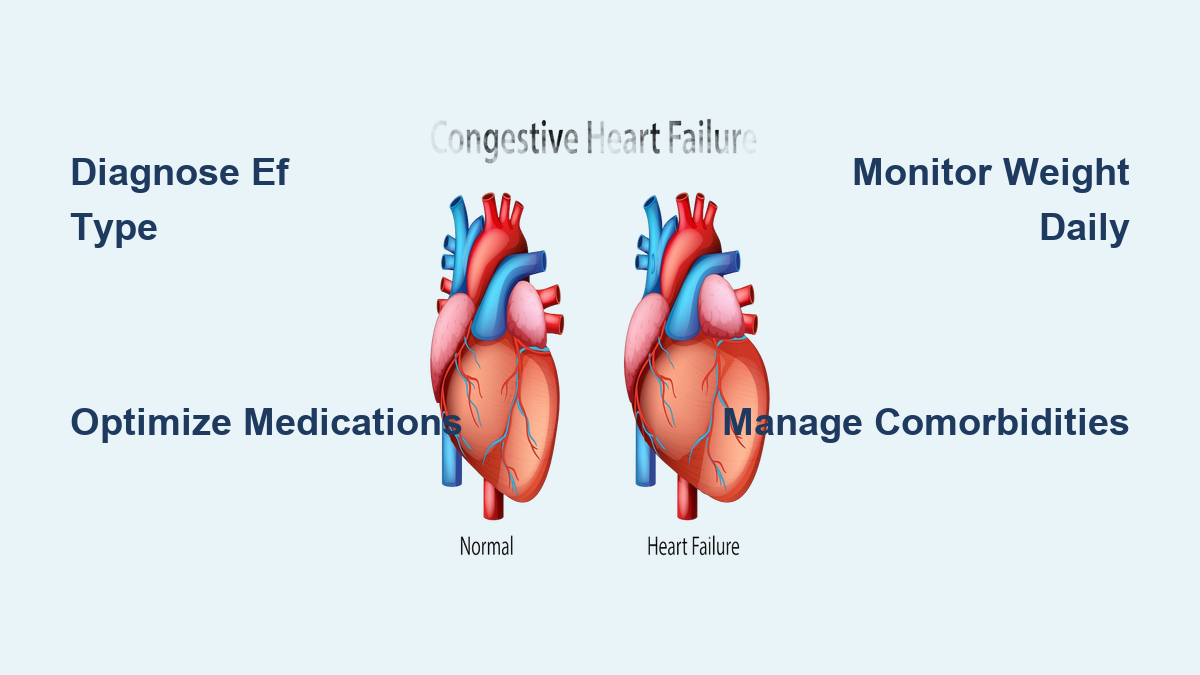
Heart failure in the elderly is not an inevitable consequence of aging. It is a treatable condition that affects millions of older adults worldwide. With the right care, many patients can live for years with improved energy, fewer symptoms, and better quality of life. Yet because heart failure often develops gradually and symptoms like fatigue or shortness of breath are mistaken for normal aging, it is frequently underdiagnosed or poorly managed in seniors. The key to success lies in early detection, personalized treatment, and a holistic approach that considers not only the heart but also the whole person.
Treating heart failure in elderly patients requires balancing powerful therapies with age-specific risks such as frailty, kidney decline, cognitive impairment, and polypharmacy. Unlike younger patients, older adults often have multiple chronic conditions that interact with heart function and complicate treatment decisions. But modern medicine offers more tools than ever before, from life-extending medications and implantable devices to home monitoring systems and cardiac rehab programs tailored for seniors.
Diagnose the Type and Cause of Heart Failure
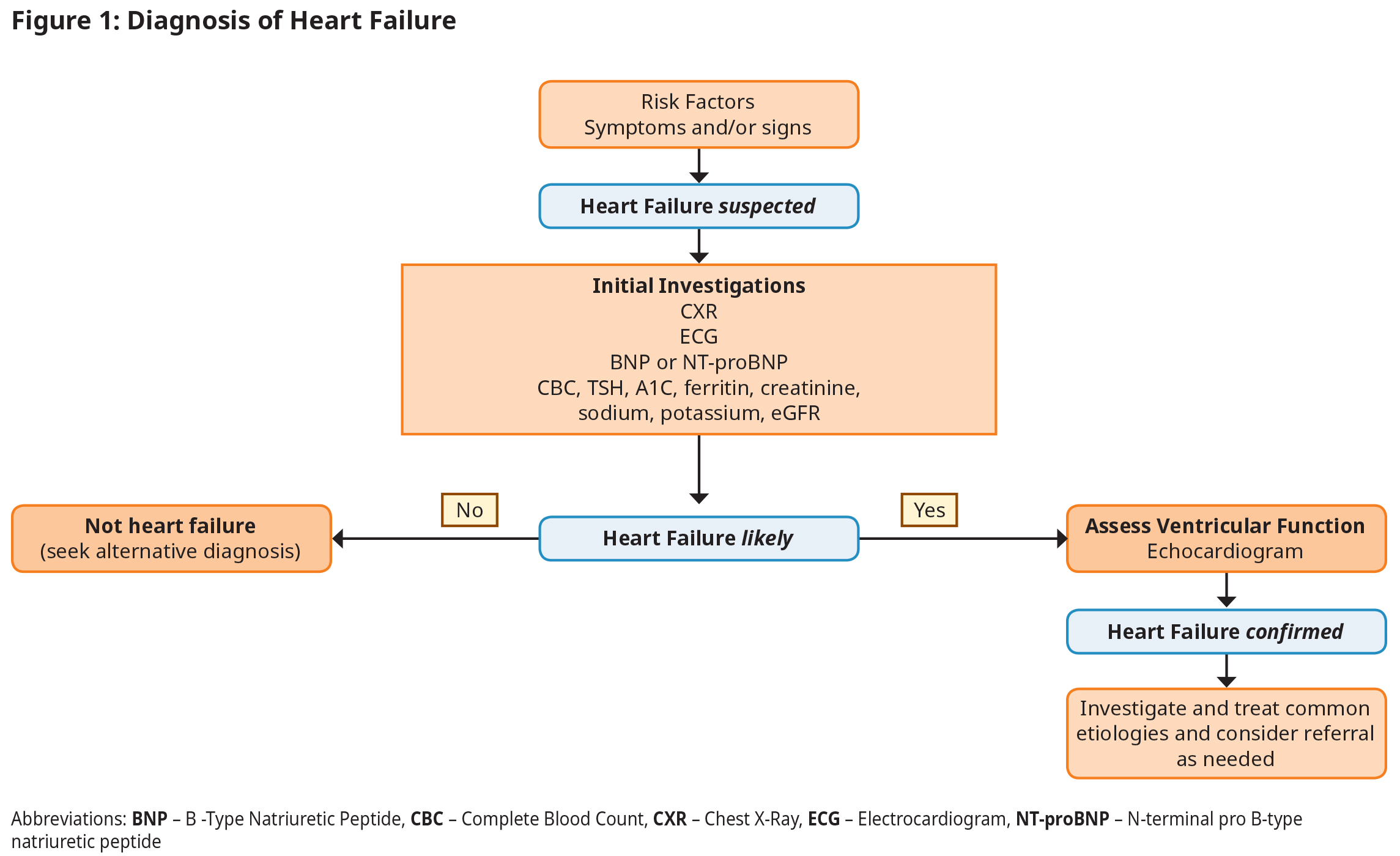
Before treatment begins, it is essential to determine the type of heart failure and identify underlying causes. In elderly patients, heart failure typically presents as either reduced ejection fraction or preserved ejection fraction, each requiring different management strategies.
Confirm Ejection Fraction Type
Echocardiography is the gold standard test to assess how well the heart pumps. It measures left ventricular ejection fraction, which is the percentage of blood pumped out with each heartbeat.
For HFrEF, also known as systolic failure, the left ventricular ejection fraction is 40% or lower. The heart muscle is weakened and cannot contract effectively. For HFpEF, also known as diastolic failure, the left ventricular ejection fraction is 50% or higher. The heart contracts normally but does not relax properly between beats, limiting filling. HFpEF is more common in older adults, especially women with long-standing hypertension, obesity, or diabetes. HFrEF often follows a history of heart attack or coronary artery disease.
Identify Underlying Triggers
Treating the root cause improves outcomes. Common contributors in seniors include hypertension, which leads to stiffened heart walls and increased workload. Coronary artery disease reduces blood supply to the heart muscle. Valve disorders, particularly aortic stenosis, are particularly prevalent in the elderly. Atrial fibrillation disrupts rhythm and reduces cardiac efficiency. Sleep apnea causes oxygen drops and strain on the heart. Chronic kidney disease exacerbates fluid overload and drug toxicity. Correcting reversible factors like uncontrolled blood pressure or untreated arrhythmias can significantly improve heart function and symptoms.
Optimize Medication Therapy for Heart Failure
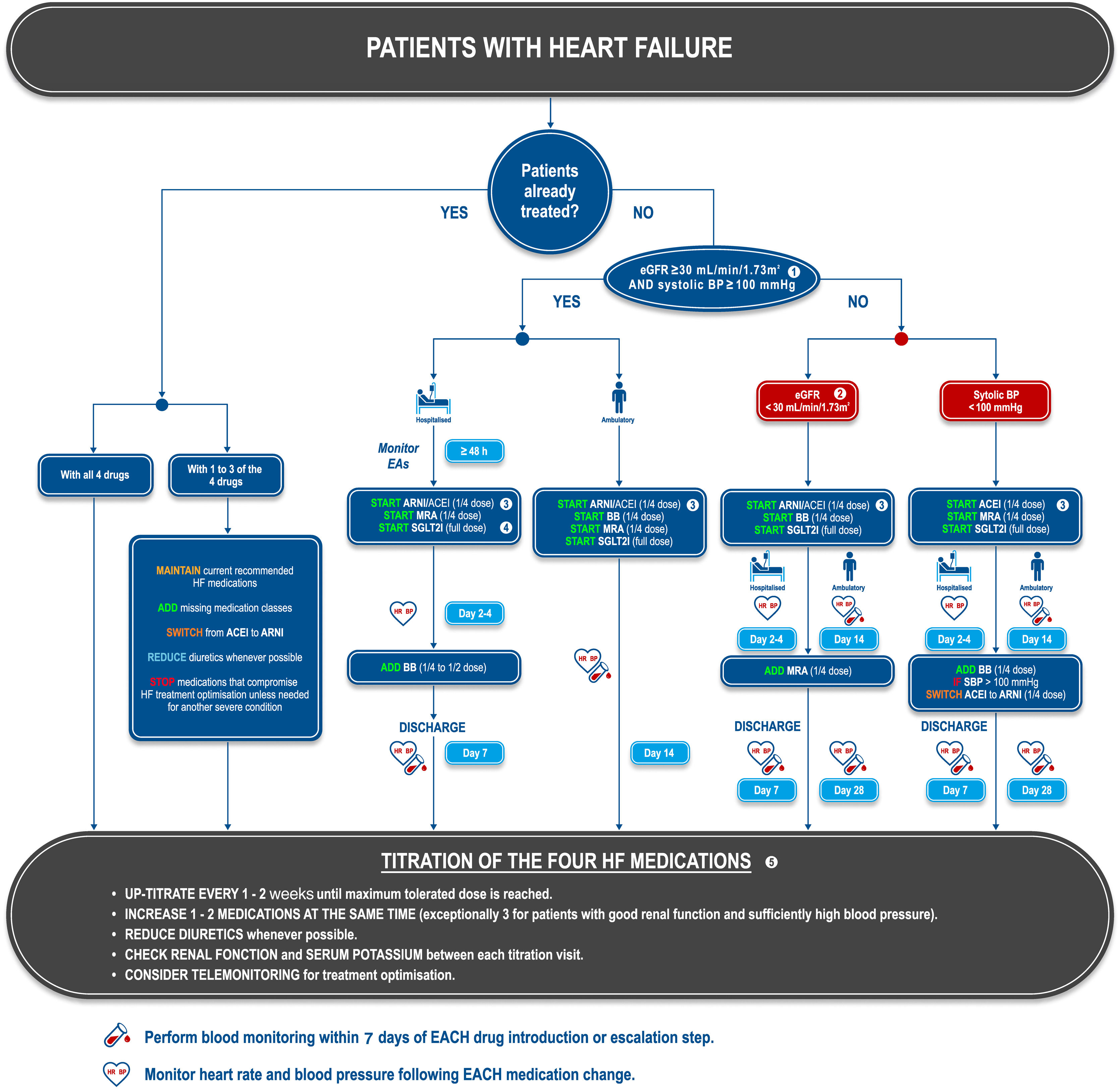
Medications are the foundation of heart failure treatment. For older adults, the goal is to use evidence-based drugs at safe, effective doses while minimizing side effects and drug interactions.
Start Core HFrEF Treatments
Four drug classes form the backbone of therapy for reduced ejection fraction. When used together, they can cut mortality by up to 70%.
ACE Inhibitors or ARNI First
Sacubitril/valsartan, known by the brand name Entresto, is the preferred choice and replaces ACE inhibitors in most HFrEF patients due to superior survival benefits. If transitioning from an ACE inhibitor, you must stop the ACE inhibitor 36 hours before starting ARNI to prevent angioedema. Monitor blood pressure, kidney function, and potassium levels when using this medication. If ARNI is not suitable, an ACE inhibitor such as lisinopril or an ARB such as losartan may be used instead.
Add Beta-Blockers Early
The main options include carvedilol, metoprolol succinate, and bisoprolol. Start low and go slow by beginning at 1/8 to 1/4 of target dose and increasing every 2 to 4 weeks. The goal is to achieve target doses proven in clinical trials, if tolerated. Beta-blockers should be avoided in cases of severe bradycardia, advanced heart block, or acute decompensation. These medications reduce heart rate and protect against sudden death.
Include MRA for Added Protection
Spironolactone or eplerenone blocks harmful hormone effects in the heart. These medications are indicated for NYHA Class II to IV patients with left ventricular ejection fraction of 35% or lower. Watch for hyperkalemia and worsening kidney function by checking labs within 3 to 7 days of initiation.
Use SGLT2 Inhibitors Universally
Dapagliflozin or empagliflozin is now recommended for all HFrEF patients, regardless of diabetes status. These medications reduce hospitalizations, slow kidney decline, and improve survival. They are well-tolerated in elderly patients, though you should watch for volume depletion and genital infections. These four medications, ARNI, beta-blocker, MRA, and SGLT2 inhibitor, are known as the four pillars of HFrEF therapy.
Manage HFpEF Differently
No treatment has yet shown mortality benefit in HFpEF, but symptom control and risk factor management are crucial.
Control Hypertension Aggressively
The target blood pressure is less than 130/80 mmHg. Preferred agents include ACE inhibitors, ARBs, or calcium channel blockers. Avoid non-dihydropyridine calcium blockers such as verapamil and diltiazem if systolic dysfunction is suspected.
Prescribe SGLT2 Inhibitors
Dapagliflozin and empagliflozin reduce heart failure hospitalizations in HFpEF. They are now first-line for symptom reduction and disease modification.
Treat Comorbidities
For atrial fibrillation, use rate control with beta-blockers or calcium channel blockers and consider anticoagulation. For obesity, weight loss improves diastolic function. For diabetes and sleep apnea, optimize management to reduce cardiac strain.
Relieve Symptoms with Diuretics
Fluid overload causes the most distressing symptoms, including swelling, breathlessness, and weight gain. Diuretics provide fast relief but require careful use in older adults.
Choose the Right Diuretic
Loop diuretics such as furosemide and bumetanide are most effective for moderate to severe edema. Dosage often requires higher doses in elderly patients due to reduced kidney response. Take diuretics in the morning to avoid nighttime urination. For resistant fluid retention, combine with a thiazide-like diuretic such as metolazone under close supervision.
Monitor for Complications
Diuretics can cause dangerous imbalances that require vigilance. Electrolyte loss is common, so check sodium, potassium, and magnesium regularly. Dehydration can occur, with signs including dizziness, dry mouth, and low blood pressure. Kidney injury may happen, as rising creatinine may signal over-diuresis. Adjust dose based on daily weight and symptoms, not just lab values.
Implement Daily Lifestyle Changes
Medications work best when paired with consistent self-care habits. Simple, sustainable changes make a big difference in how seniors feel and function.
Limit Sodium Intake
Excess salt causes fluid retention and worsens symptoms. Aim for less than 2,000 mg per day. Avoid processed meats, canned soups, frozen dinners, fast food, and pickled foods. Read labels and choose items with less than 20% daily value for sodium. Cook at home using herbs, spices, and lemon juice instead of salt. Watch for hidden salt in bread, cheese, sauces, and condiments. Even a modest reduction in sodium improves breathing and reduces hospitalization risk.
Track Weight Daily
Sudden weight gain is often the first sign of fluid buildup. Weigh every morning using the same scale after urinating but before eating. Alert signs to contact your doctor include gain of 2 to 3 pounds in 2 to 3 days or gain of 5 pounds in one week. Early diuretic adjustment can prevent a trip to the emergency room.
Stay Physically Active
Inactivity leads to muscle loss, fatigue, and faster decline. Start slow by walking 5 to 10 minutes daily and build up gradually. The best options include walking, water aerobics, and stationary cycling. Add strength training using light weights or resistance bands 2 to 3 times per week. Avoid extreme exertion and stop if you have chest pain, dizziness, or severe shortness of breath. Cardiac rehabilitation programs are ideal because they offer supervised exercise and education.
Avoid Alcohol and Smoking
Limit alcohol to one drink per day, or avoid completely if you have alcoholic cardiomyopathy. Quitting smoking improves blood flow and slows disease progression. Ask your doctor about cessation aids.
Prevent Harm from Polypharmacy
Elderly patients often take multiple medications, increasing the risk of harmful interactions and side effects.
Review All Medications Regularly
Work with your doctor or pharmacist to deprescribe unnecessary drugs, identify high-risk medications, and simplify regimens to improve adherence.
Stop These Dangerous Drugs
NSAIDs such as ibuprofen and naproxen cause fluid retention, raise blood pressure, and damage kidneys. Certain antiarrhythmics such as dronedarone and flecainide can worsen heart failure. Non-dihydropyridine calcium blockers such as verapamil and diltiazem depress heart function. Sedatives and antipsychotics increase fall and delirium risk. Use acetaminophen for pain relief when possible.
Adjust Doses for Kidney Function
Age-related decline in kidney function affects how drugs are processed. ACE inhibitors, ARBs, MRAs, diuretics, digoxin, and SGLT2 inhibitors all require dose changes in chronic kidney disease. Check blood work regularly, including creatinine, BUN, and potassium. Hydration matters because dehydration can cause acute kidney injury, especially with diuretics. A geriatrician or pharmacist can help optimize dosing.
Address Cognitive and Functional Decline
Cognitive impairment and frailty affect up to half of elderly heart failure patients and directly impact outcomes.
Screen for Cognitive Issues
Confusion or forgetfulness may lead to missed doses or delayed care. Use simple tools such as the Montreal Cognitive Assessment or Mini-Mental State Exam during routine visits. If deficits are found, involve family caregivers, use pill organizers or automated reminders, and simplify medication schedules to once-daily dosing when possible.
Assess Frailty and Sarcopenia
Frailty increases risk of hospitalization and death. Look for these signs, which include unintentional weight loss, low physical activity, weak grip strength, slow walking speed, and self-reported exhaustion. Fight muscle loss by ensuring protein intake of 1.0 to 1.2 grams per kilogram of body weight per day from sources like eggs, fish, beans, and dairy. Perform resistance training 2 to 3 times weekly to preserve muscle. Supplement with vitamin D if deficient, as this improves strength and balance. A multidisciplinary team including physical therapists and dietitians can create a tailored plan.
Consider Advanced Therapies When Needed
For patients with severe symptoms despite optimal medical therapy, device-based or surgical options may extend life and improve function.
Evaluate for ICD Implantation
An implantable cardioverter-defibrillator prevents sudden cardiac death from dangerous arrhythmias. The best candidates have left ventricular ejection fraction of 35% or lower, expected survival of more than one year, and NYHA Class II to III symptoms. ICDs are not recommended for frail patients with limited life expectancy or advanced comorbidities.
Use CRT for Heart Sync Problems
Cardiac resynchronization therapy helps when the heart’s chambers do not beat in sync. The indications include left ventricular ejection fraction of 35% or lower, sinus rhythm, QRS duration of 150 ms or greater, and left bundle branch block pattern. CRT improves symptoms, ejection fraction, and survival in eligible patients.
Explore LVAD or Transplant in Select Cases
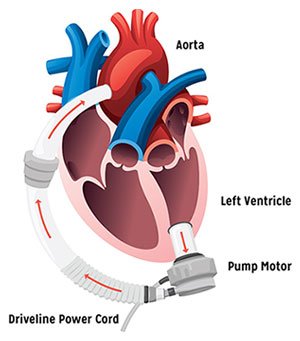
A left ventricular assist device is a mechanical pump that supports heart function. It is used as a bridge to transplant or as destination therapy for those ineligible for transplant. LVADs are increasingly offered to carefully selected patients over age 70. The risks include stroke, infection, bleeding, and device malfunction.
Heart transplant was once reserved for younger patients but is now considered in fit elderly individuals up to age 75. It requires rigorous evaluation with no severe lung, liver, or vascular disease. Post-transplant survival averages over 11 years, with some living 20 to 30 years. The decision depends on biological age, not just chronological age.
Support Mental and Emotional Health
Depression, anxiety, and loneliness are common in elderly heart failure patients and worsen outcomes.
Screen for Depression
Up to 40% of heart failure patients experience depression. Use the PHQ-9 questionnaire and ask over the past 2 weeks how often the patient has felt down, hopeless, or lost interest in activities. A positive screen should be referred to a mental health provider.
Offer Psychotherapy and Safe Medications
Cognitive behavioral therapy improves mood and self-care. SSRIs such as sertraline and citalopram are preferred antidepressants because they have fewer cardiac side effects. Avoid tricyclics and MAOIs because they can worsen heart rhythm and blood pressure.
Combat Social Isolation
Loneliness is a silent risk factor. Encourage connection by joining heart failure support groups, having regular phone or video calls with family, and participating in community center activities or faith-based gatherings. Technology can help maintain relationships, especially during illness or mobility limitations.
Educate Patients and Caregivers
Empowered patients and informed caregivers are key to successful long-term management.
Teach Symptom Recognition
Patients should know when to act. Weight gain of more than 2 pounds in a day or more than 5 pounds in a week signals fluid retention. Increased shortness of breath at rest or with less activity needs attention. Swelling in legs, ankles, or abdomen requires evaluation. Fatigue or confusion may signal poor perfusion. Provide a written action plan so patients know exactly what to do when symptoms arise.
Simplify Medication Management
Use pill organizers, either weekly or daily. Set phone alarms or use automated dispensers. Keep a medication list with names, doses, times, and purposes. Caregivers should attend appointments and help with refills.
Promote Home Monitoring
Equip patients with a digital weight scale, a blood pressure monitor, and a pulse oximeter if oxygen levels are a concern. Many devices now sync data to apps for remote review by clinicians.
Embrace Emerging Technologies
New tools are transforming heart failure care by enabling early intervention and personalized treatment.
Use Remote Hemodynamic Monitoring
The CardioMEMS sensor is implanted in the pulmonary artery and measures pressure daily, with data sent wirelessly to the healthcare team. This allows doctors to adjust medications before symptoms appear, reducing hospitalizations by 37%. It is ideal for NYHA Class III patients with recent hospitalization.
Leverage Wearables and AI
Smartwatches track heart rate, activity, and detect atrial fibrillation. AI algorithms analyze trends in weight, blood pressure, and symptoms to predict decompensation. Telehealth visits improve access and continuity of care. These tools support aging in place and reduce caregiver burden.
Plan for Long-Term Outlook
Heart failure is a chronic condition, but it does not have to shorten life or rob it of meaning.
Understand Prognosis Realistically
The five-year survival rate is approximately 50%, similar across age groups with treatment. Many patients live 10 or more years with proper care. Quality of life often improves significantly after starting guideline-directed therapy. Focus on what can be controlled, including medication adherence, lifestyle, and regular follow-up.
Integrate Palliative Care Early
Palliative care is not just for end-of-life. It enhances comfort and decision-making at any stage. Benefits include better symptom control for pain, breathlessness, and fatigue. It supports advance care planning and improves communication between patient, family, and providers. Discuss goals of care early by asking what matters most to the patient.
Frequently Asked Questions About Treating Heart Failure in Elderly Patients
What is the life expectancy for an elderly person with heart failure?
The five-year survival rate for heart failure is approximately 50%, which is similar across age groups when patients receive appropriate treatment. Many elderly patients live 10 or more years after diagnosis with proper care. Quality of life often improves significantly once guideline-directed therapy is established.
What are the first signs of heart failure in elderly patients?
Early signs include fatigue and weakness even with minimal exertion, shortness of breath during routine activities or at rest, peripheral edema in legs and ankles, unexplained weight gain over several days, and reduced exercise tolerance. Symptoms may be atypical or mistaken for normal aging, so regular checkups are important.
Can heart failure in elderly patients be reversed?
While the structural damage cannot be fully reversed, treatments can slow disease progression, improve symptoms, enhance quality of life, and extend survival. With optimal care, many elderly patients achieve meaningful improvements in both length and quality of life.
What medications should be avoided in elderly heart failure patients?
Elderly heart failure patients should avoid NSAIDs such as ibuprofen and naproxen because they cause fluid retention and damage kidneys. Non-dihydropyridine calcium blockers like verapamil and diltiazem should be avoided in systolic heart failure. Certain antiarrhythmics like dronedarone and flecainide can worsen heart failure. Always consult with a doctor before stopping or starting any medication.
How can caregivers help manage heart failure in elderly patients?
Caregivers can help by attending medical appointments, assisting with medication management using pill organizers, monitoring daily weight and symptoms, preparing low-sodium meals, encouraging physical activity within safe limits, and providing emotional support. They should also learn when to seek medical help, such as rapid weight gain or worsening shortness of breath.
When should advanced therapies be considered for elderly heart failure patients?
Advanced therapies such as LVAD or transplant should be considered when patients have severe symptoms despite optimal medical therapy, have frequent hospitalizations, or have declining functional status. The decision is based on biological age, overall health, and patient preferences rather than chronological age alone.
Key Takeaways for Treating Heart Failure in Elderly Patients
Treating heart failure in the elderly is no longer about survival alone. It is about living well. With a personalized, multidisciplinary approach that combines cutting-edge medicine, daily self-care, and emotional support, older adults can manage this condition effectively and maintain independence and dignity.
The foundation of treatment lies in accurate diagnosis to determine whether patients have reduced or preserved ejection fraction, as this guides medication choices. The four pillars of HFrEF therapy, including ARNI, beta-blockers, MRAs, and SGLT2 inhibitors, can reduce mortality by up to 70% when used together. Lifestyle modifications such as limiting sodium, tracking weight daily, and staying physically active complement medications effectively.
Special considerations for elderly patients include regular medication reviews to prevent harmful interactions, monitoring kidney function for dose adjustments, screening for cognitive impairment and frailty, and addressing mental health needs. Emerging technologies like remote hemodynamic monitors and wearables enable early intervention and reduce hospitalizations.
The future of heart failure care is proactive, patient-centered, and full of hope. By working closely with healthcare providers and following this comprehensive approach, elderly patients with heart failure can achieve meaningful improvements in both length and quality of life.