
Choking is a leading cause of accidental death among older adults, with thousands of seniors hospitalized each year due to airway obstructions during meals. As we age, natural changes in muscle strength, saliva production, and neurological function increase the risk of swallowing difficulties, making everyday eating a potential hazard. For caregivers and family members, understanding how to prevent choking in elderly adults isn’t just about emergency preparedness. It is about creating a safer, more supportive daily routine that promotes dignity and independence.
The good news is that most choking incidents are preventable. By addressing common risk factors like dysphagia, dry mouth, poor dental health, and cognitive decline, caregivers can dramatically reduce danger. This guide provides actionable, evidence-based strategies to help you protect your loved one, from recognizing early warning signs to building a choking-safe eating environment and responding effectively in an emergency.
Recognize Early Warning Signs of Swallowing Problems
Identifying at-risk individuals is the first step in prevention. Multiple health conditions and age-related changes increase vulnerability, especially when combined.
Watch for These Red Flags
Dysphagia affects up to 60% of nursing home residents and commonly occurs after stroke or in people with Parkinson disease or dementia. It often goes undetected until a choking event occurs.
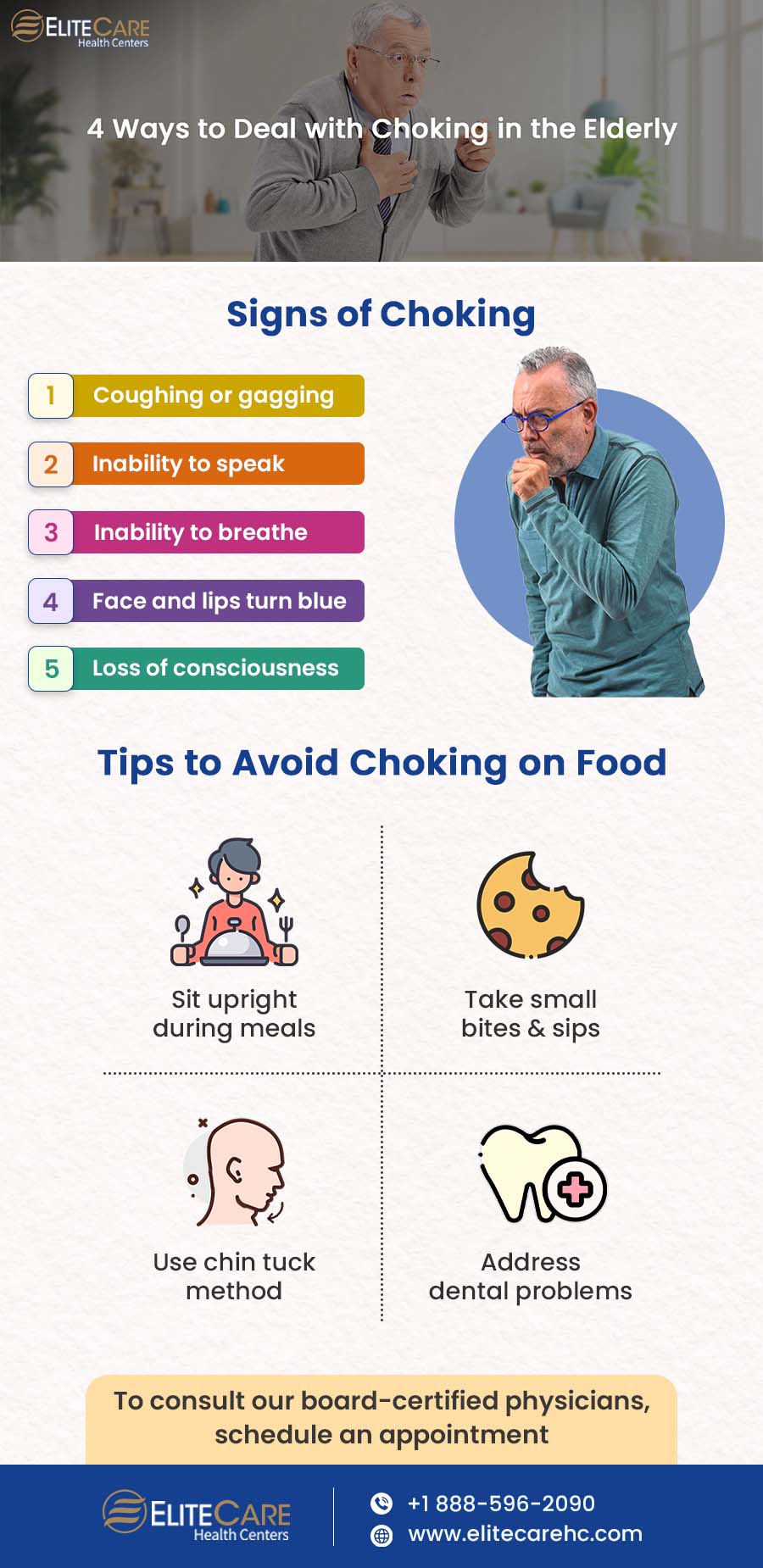
Signs that indicate swallowing difficulties include:
- Coughing or gagging during meals
- Wet, gurgling voice after swallowing
- Frequent throat clearing
- Taking unusually long to finish meals
- Unexplained weight loss or refusal to eat
If any of these signs appear, request a swallowing evaluation from a speech-language pathologist. They can perform clinical tests or recommend imaging studies like a videofluoroscopic swallow study to assess risk.
Monitor Medication Side Effects
Many medications commonly prescribed to seniors contribute to choking risk by causing dry mouth or sedation.
High-risk drug classes include:
- Antihypertensives
- Antidepressants
- Diuretics
- Antihistamines
- Benzodiazepines
Work with a doctor or pharmacist to review all medications. Ask about alternatives or add saliva substitutes like Biotene or sugar-free lozenges to stimulate moisture if safe.
Assess Cognitive and Neurological Health
Seniors with dementia or neurological conditions are especially vulnerable due to impaired judgment and motor control.
Specific risks include:
- Forgetting to chew
- Eating too quickly
- Attempting to swallow before finishing the previous bite
- Wandering while eating
In these cases, direct supervision and structured routines are essential prevention tools.
Eliminate High-Risk Foods From the Diet
Certain foods are disproportionately responsible for choking incidents in older adults. Removing or modifying them can prevent emergencies.
Foods to Avoid Completely
| Food | Why It Is Dangerous |
|---|---|
| Hot dogs, sausages | Slippery and same diameter as airway |
| Whole grapes, cherries | Round shape can seal airway |
| Raw carrots, celery | Hard and difficult to chew without teeth |
| Nuts and seeds | Small, dry, and easily inhaled |
| Popcorn | Kernels lodge easily; hulls irritate throat |
| Peanut butter (spoonfuls) | Thick and sticky; hard to swallow |
| Bread, rolls, crackers | Can clump into a dry mass in the mouth |
| Hard candies, gummy vitamins | Slow to dissolve; high aspiration risk |
| Marshmallows | Soft but compressible; blocks airflow completely |
| Cheese cubes | Firm texture sticks in the throat |
Pro Tip: Cut round foods like grapes, cherry tomatoes, and sausages into quarters or thin slices to reduce risk.
Serve Safer Alternatives
Choose soft, moist, easy-to-chew options that minimize effort and danger.
Recommended foods include:
- Proteins: Ground meat, flaked fish, scrambled eggs, tofu
- Fruits: Applesauce, mashed banana, peeled diced peaches
- Vegetables: Steamed and pureed squash, carrots, green beans
- Grains: Oatmeal, soft pasta, mashed potatoes, well-cooked rice
- Dairy: Yogurt, pudding, cottage cheese, ice cream
- Liquids: Thickened with nectar or honey consistency if needed
Use gravies, broths, or sauces to keep food moist and easier to swallow.
Modify Food Texture for Safe Eating
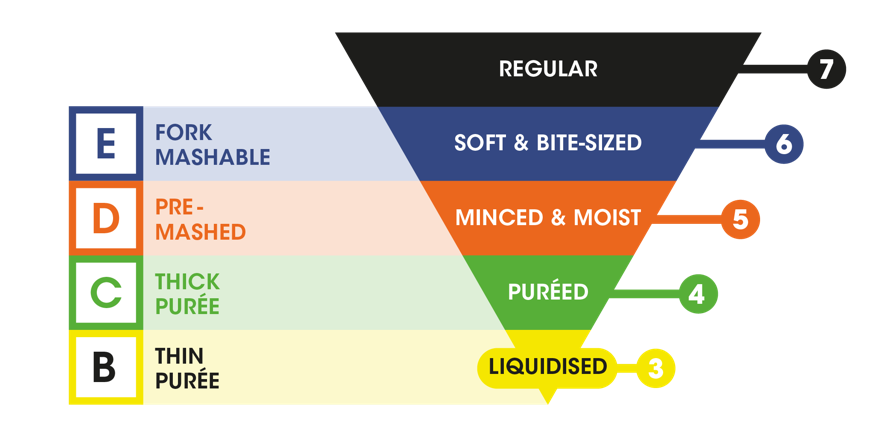
For seniors with dysphagia, standard meals may be unsafe. Texture-modified diets can reduce choking and aspiration risk while maintaining nutrition.
Choose the Appropriate Diet Level
Work with a speech therapist or dietitian to determine the right level.
| Diet Type | Best For | Food Examples |
|---|---|---|
| Pureed | Severe dysphagia | Smooth mashed potatoes, blended soups, pudding-like foods |
| Mechanically Altered | Moderate difficulty | Finely chopped food (quarter inch), moistened with sauce |
| Soft Diet | Mild swallowing issues | Tender-cooked foods, no raw veggies or tough meats |
| Thickened Liquids | Aspiration risk | Water thickened to nectar, honey, or pudding consistency |
Never thin out thickened liquids, even with ice. Use commercial thickeners like Thick-It, SimplyThick, or ThickenUp.
Prepare Meals Safely at Home
- Cut all food into half-inch pieces or smaller
- Cook vegetables until fork-tender
- Remove skins, seeds, bones, and gristle
- Moisten dry foods with broth, gravy, or sauce
- Avoid frying; use steaming, boiling, or stewing instead
Use a food processor or blender to puree meals when needed.
Optimize Eating Posture and Position
Even safe foods can become dangerous if eaten in the wrong position. Proper posture supports effective swallowing and reduces aspiration.
Sit Upright at 90 Degrees
- Ensure feet are flat on the floor
- Back and arms are well-supported
- Head is level or slightly forward
Never feed someone lying down or reclined more than 30 degrees.
Use the Chin-Tuck Technique
This simple technique helps close off the airway during swallowing.
Steps include:
- Have the person tuck their chin down toward the chest
- Swallow while holding the position
- Lift the head back up after swallowing
This is especially helpful for those with delayed swallow reflex or aspiration risk.
Avoid Eating Before Bed
Wait at least 30 to 60 minutes after eating before lying down. This reduces reflux and aspiration risk, especially in those with GERD or COPD.
Create a Calm, Focused Eating Environment
Distractions increase the chance of rushing, talking while chewing, or missing choking cues, especially in cognitively impaired seniors.
Eliminate Mealtime Distractions
- Turn off the TV and radio
- Minimize background noise
- Limit the number of people at the table
- Serve meals in a quiet, familiar space
Encourage Slow, Mindful Eating
- Remind: Take small bites, Chew well, Swallow before drinking
- Use verbal cues and gentle prompts
- Allow 30 or more minutes per meal. Rushing leads to danger.
Use Adaptive Utensils and Tools
For those with tremors, weakness, or dementia:
- Weighted utensils reduce shaking
- Plate guards prevent spills
- Non-slip mats stabilize dishes
- Angled cups or no-spill lids aid safe drinking
Offer finger foods like soft meatballs, banana slices, or cheese sticks if utensils are difficult.
Train in Emergency Response Techniques
Despite prevention, choking can still happen. Every caregiver must know how to respond quickly.
Recognize Choking Signs
- Cannot talk or breathe
- Hands clutching throat (universal sign)
- Face turning red or blue
- Gasping or silent struggle
- Loss of consciousness
If the person is coughing forcefully, do not interfere. Let them try to clear it naturally.
Perform Back Blows and Abdominal Thrusts
For conscious adults:
- Stand behind and support their chest
- Lean them forward slightly
- Deliver 5 firm back blows between shoulder blades
- Follow with 5 abdominal thrusts (Heimlich maneuver):
– Place fist above navel
– Give quick upward squeezes - Alternate until object is expelled or person becomes unconscious
For obese or pregnant individuals, use chest thrusts instead. Press on the lower sternum.
Respond to Unconscious Choking
If the person collapses:
- Call 911 immediately
- Lower gently to the floor
- Open mouth and look. Remove object only if clearly visible.
- Begin CPR:
– 30 chest compressions (2 inches deep, 100 to 120 per minute)
– 2 rescue breaths if trained
– If breaths do not go in, reposition head and try again - Continue until help arrives or breathing resumes
Never perform blind finger sweeps. You may push the object deeper.
Maintain Oral and Dental Health
Poor oral hygiene and dental issues directly impact chewing ability and safety.
Care for Dentures and Teeth
- Clean dentures daily with a soft brush
- Soak overnight in cleaning solution
- Check fit regularly. Loose dentures impair chewing.
- Replace worn or ill-fitting dentures promptly
Schedule Regular Dental Checkups
Even edentulous seniors need oral exams. Gum disease, infections, or mouth sores can discourage eating or alter swallowing.
Encourage:
- Daily mouth cleaning using soft toothbrush or sponge
- Treatment of dry mouth
- Professional dental care every 6 months
Involve Professional Experts
Professional guidance is key to long-term safety and quality of life.
Consult a Speech-Language Pathologist
An SLP can diagnose dysphagia, recommend safe food textures and liquid consistencies, teach swallowing exercises to strengthen muscles, and demonstrate compensatory techniques like head turns or double swallows. Early intervention can prevent malnutrition, aspiration pneumonia, and repeated choking.
Work with a Registered Dietitian
Seniors on modified diets are at risk for nutrient deficiencies. A dietitian ensures meals remain calorie-adequate, protein-rich, hydrating, and palatable. They can also help create appealing pureed or soft recipes that meet medical needs.
Implement Special Strategies for Dementia Patients
Seniors with Alzheimer disease or other dementias need tailored strategies to stay safe at mealtimes.
Supervise All Meals and Snacks
Never leave someone with dementia unattended while eating. They may forget to chew, pocket food, eat non-food items, or walk away with food in their mouth.
Use Visual and Verbal Cues
- Demonstrate chewing and swallowing
- Say: Chew, chew, swallow
- Use contrasting plate colors (white food on dark plate) to improve focus
Offer Finger Foods Safely
Soft, hand-held items reduce frustration.
Good options include:
- Mini meatballs
- Banana or melon chunks
- Scrambled egg bites
- Soft-cooked vegetable pieces
Ensure food is fully swallowed before allowing movement.
Empower Caregivers with Training
Family and professional caregivers are the frontline defense against choking.
Learn First Aid and CPR
All caregivers should be certified in choking relief (Heimlich maneuver), CPR for adults, and use of automated external defibrillators.
Courses are available through:
- American Red Cross
- American Heart Association
- Local hospitals and senior care agencies
Document and Communicate
Keep a log of choking or coughing episodes, food preferences and tolerances, medication changes, and swallowing evaluations. Share this with doctors, therapists, and relief caregivers to ensure consistency.
Seek Support from Home Care Agencies
Organizations like Caring Senior Service and Griswold Home Care offer swallowing safety training, adaptive meal preparation, supervised feeding support, and coordination with healthcare teams.
Provide Post-Incident Care and Follow-Up
Even if a choking episode resolves quickly, medical evaluation is essential.
Seek Immediate Medical Attention
After any choking event, rule out airway injury or aspiration pneumonia, assess for underlying dysphagia, and update care plan based on findings.
Reassess the Eating Plan
Revise diet texture, liquid thickness, or feeding techniques as needed. A single incident often signals worsening swallowing function.
Offer Emotional Support
Choking is traumatic. Seniors may develop mealtime anxiety or fear of eating. Offer reassurance, maintain routine, and consider counseling if needed.
Frequently Asked Questions About Preventing Choking in Elderly
What are the most common causes of choking in older adults?
Common causes include weakened swallowing muscles, neurological disorders like stroke or Parkinson disease, dental problems, dry mouth from medications, and cognitive impairment that affects chewing awareness.
What is silent aspiration and why is it dangerous?
Silent aspiration occurs when food or liquid enters the lungs without triggering a cough reflex. It is particularly dangerous because it may go unnoticed but can lead to repeated lung infections and pneumonia.
How can I tell if an elderly person has swallowing problems?
Watch for coughing or gagging during meals, a wet or gurgling voice after eating, frequent throat clearing, taking very long to finish meals, or unexplained weight loss. A speech-language pathologist can perform a formal evaluation.
Are there specific foods that are safer for elderly with swallowing difficulties?
Yes. Soft, moist, easy-to-chew foods are safest. This includes ground meats, scrambled eggs, mashed potatoes, steamed vegetables, applesauce, yogurt, and pudding. Thickened liquids are also recommended for those with aspiration risk.
Should caregivers learn the Heimlich maneuver?
Absolutely. All caregivers should learn back blows, abdominal thrusts (Heimlich maneuver), and CPR. These skills can save a life during a choking emergency.
Key Takeaways for Preventing Choking in Elderly Adults
Preventing choking in the elderly requires a proactive, ongoing approach. First, identify risk factors early by watching for signs of dysphagia and seeking professional evaluation when needed. Second, modify food textures appropriately. Serve soft, moist, bite-sized foods and avoid high-risk items like whole grapes, hot dogs, nuts, and raw vegetables. Third, ensure proper eating posture. Seniors should sit upright at 90 degrees with feet flat on the floor, and they should remain seated for 30 to 60 minutes after meals.
Fourth, create a calm eating environment free from distractions. Fifth, maintain excellent oral health and ensure proper denture fit. Sixth, train all caregivers in emergency response techniques including the Heimlich maneuver and CPR. Finally, work with speech-language pathologists and dietitians to create individualized care plans that address each person’s specific needs.
With the right strategies in place, mealtimes can transform from a source of fear into a moment of comfort, connection, and safety. Every preventive measure you take protects your loved one’s health, dignity, and quality of life.