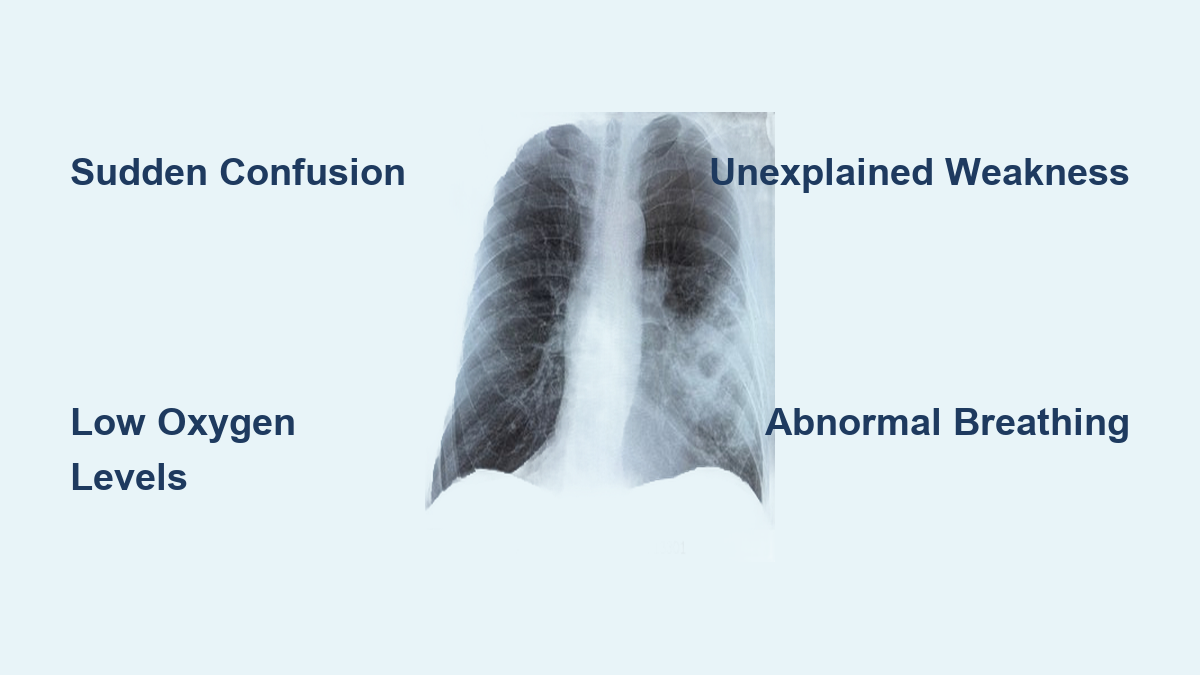
Pneumonia in the elderly is a silent killer that often goes unnoticed until it is too late. Unlike younger adults, seniors rarely show classic signs like high fever or productive cough. Instead, pneumonia can masquerade as confusion, fatigue, or a sudden fall. This makes early detection in older adults not just challenging, but critically urgent. According to the CDC, over 400,000 older adults visit emergency departments each year due to pneumonia, and it remains one of the top causes of death in those aged 65 and older.
The danger lies in atypical presentation. Age-related immune decline, chronic health conditions, and reduced physiological reserve mean infections progress faster and symptoms are subtler. A delay of just 24 to 48 hours in treatment can drastically increase the risk of hospitalization, sepsis, or death. That is why caregivers, family members, and healthcare providers must shift focus from expecting textbook symptoms to recognizing early behavioral, functional, and vital sign changes. This guide breaks down exactly how to detect pneumonia in the elderly, step by step.
Recognize Atypical Early Signs
Pneumonia in seniors often bypasses the lungs and attacks the mind first. Because immune responses weaken with age, classic symptoms like fever and chest pain may be absent. Instead, the body signals distress through systemic and neuropsychiatric changes that are easily mistaken for aging or dementia.
Sudden Confusion or Delirium
One of the earliest and most telling signs is acute mental status change. An older adult may become disoriented, unable to follow conversations, or unusually agitated. This is not just getting older. It is often hypoxia or systemic inflammation from infection affecting the brain.
Even in those with existing dementia, a sudden worsening in cognition should raise red flags. Delirium, characterized by fluctuating alertness, poor attention, and disrupted sleep-wake cycles, is a medical emergency when it appears out of nowhere. Studies show delirium is as common a presentation of pneumonia as cough or fever in seniors.
Unexplained Weakness and Fatigue
A previously active older adult suddenly refusing to walk, struggling to rise from a chair, or complaining of overwhelming tiredness may be fighting pneumonia. This functional decline is a major red flag.
Watch for increased falls or unsteadiness, inability to perform daily tasks like dressing or bathing, withdrawal from social activities, and not being themselves as reported by family. These changes can precede respiratory symptoms by days. They stem from the body diverting energy to fight infection, compounded by reduced oxygen levels.
Loss of Appetite and Weight Drop
Seniors with early pneumonia often stop eating or drinking. This is not just disinterest. It is a physiological response to illness. Look for refusing meals or drinking less, dry mouth or decreased urination as signs of dehydration, and rapid unintentional weight loss. Dehydration worsens confusion and weakens immunity, creating a dangerous cycle. Early intervention can prevent this downward spiral.
Monitor Vital Sign Changes
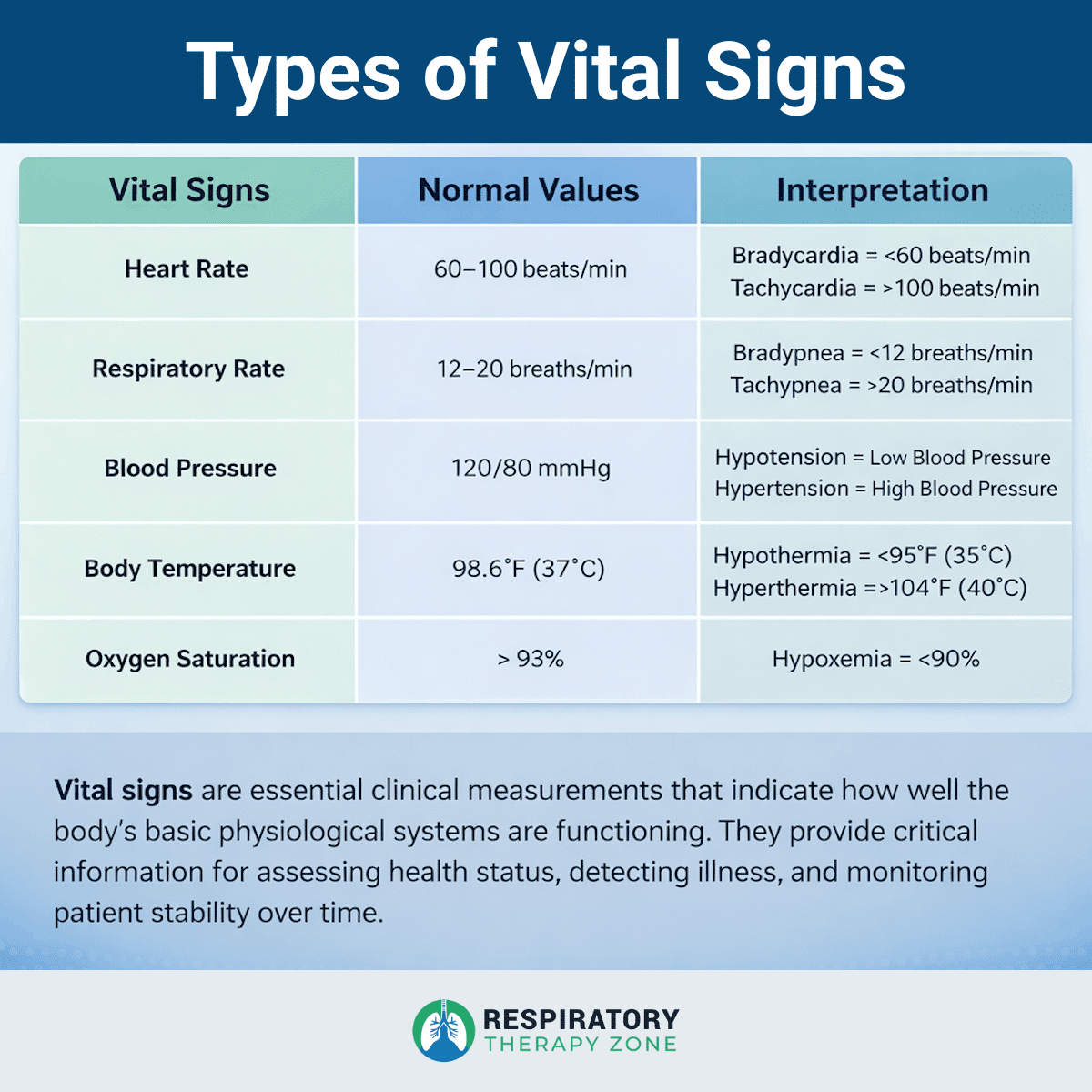
Vital signs are powerful tools in detecting pneumonia even when symptoms seem mild. In older adults, the body response to infection is blunted, making traditional fever less reliable. Instead, abnormal breathing, heart rate, and oxygen levels often provide the first objective clues.
Check for Hypothermia, Not Just Fever
While younger patients spike high fevers, many elderly individuals with pneumonia develop hypothermia, a body temperature below 95 degrees Fahrenheit. This counterintuitive sign indicates a failing immune response and is linked to higher mortality. Always take a temperature if someone seems off. A reading below normal is more dangerous than a mild fever in this population.
Track Breathing Rate Closely
Tachypnea, a respiratory rate over 20 breaths per minute at rest, is one of the most sensitive indicators of pneumonia in seniors. Count breaths for 30 seconds and multiply by two. Look for shallow or labored breathing, using neck or chest muscles to breathe, and shortness of breath during light activity like talking or dressing. Even a slight increase in breathing effort can signal lung infection.
Use Pulse Oximetry at Home
A pulse oximeter is a small, affordable device that clips onto a finger and measures blood oxygen saturation. For high-risk seniors, it is a lifesaving home monitoring tool.
Normal SpO2 is 95 to 100 percent. Action threshold of 92 percent or lower warrants medical evaluation. Emergency level below 90 percent requires immediate ER visit. Check oxygen levels if there is any change in mental status, energy, or breathing. Values below 92 percent often confirm pneumonia before other symptoms appear.
Watch Heart Rate and Blood Pressure
Tachycardia, heart rate over 100 beats per minute, is a common compensatory response to low oxygen. Hypotension, low blood pressure, may signal sepsis especially if accompanied by confusion or cold, clammy skin. These signs combined with others suggest the infection is progressing.
Identify Subtle Respiratory Clues
Respiratory symptoms in elderly pneumonia are often minimal or masked by chronic lung disease. But careful observation can reveal early breathing changes that point to infection.
Listen for Dry or Mild Cough
Unlike the wet, productive cough seen in younger adults, seniors may have a persistent dry cough or only slight sputum production. A cough that lingers for days, especially without cold symptoms, should be taken seriously. Pay attention to coughing at night or during movement, coughing after meals as a sign of aspiration, and increased effort to clear the throat.
Note Shortness of Breath with Minimal Activity
If an older adult becomes breathless while walking to the bathroom, getting dressed, or speaking in full sentences, it is a sign of respiratory distress. This is not normal aging. It is a warning that the lungs are not oxygenating properly.
Check for Cyanosis
Bluish tint to the lips, fingertips, or nail beds, called cyanosis, indicates severe oxygen deprivation. This is a medical emergency and requires immediate 911 response.
Detect Swallowing and Aspiration Risks

Aspiration pneumonia, caused by inhaling food, saliva, or stomach contents into the lungs, is common but often missed in seniors. It is especially prevalent in those with stroke, Parkinson, or dementia.
Spot Dysphagia Warning Signs
Monitor for frequent coughing or choking during meals, gurgling voice after swallowing, food pocketing in the mouth, drooling or difficulty chewing, and taking longer to finish meals. These signs suggest impaired swallowing and increased pneumonia risk.
Recognize Silent Aspiration
Many seniors aspirate without coughing, a condition known as silent aspiration. It is common in those with reduced gag reflex or neurological impairment. A sudden pneumonia after a meal or tube feeding should raise suspicion. If dysphagia is suspected, a speech-language pathologist should evaluate swallowing safety. Thickened liquids or modified diets may be recommended.
Use the 3 Ds as Detection Clues
Geriatricians rely on the three Ds, Delirium, Depression, and Dementia, to assess older adults. Of these, delirium is the most urgent clue for underlying infection like pneumonia.
Delirium as a Red Flag
A sudden onset of confusion in a previously stable senior should trigger immediate medical evaluation. Delirium can be hyperactive, characterized by agitated, restless, hallucinating behavior. It can also be hypoactive, with drowsiness, withdrawal, and lethargy, which is more common and often missed. Some experience mixed states that fluctuate between both. Unlike dementia, which progresses slowly, delirium comes on suddenly and fluctuates throughout the day. It is often the only sign of pneumonia in frail elders.
Differentiate from Dementia
Families often dismiss confusion as just dementia. But any acute change in baseline cognition, such as new disorientation or inability to recognize family, should be treated as a medical emergency. Pneumonia, urinary tract infections, and medication side effects are common reversible causes of delirium.
Act on Early Warning Signs
Timing is everything. The earlier pneumonia is detected, the better the outcome. Knowing when and how to respond can prevent hospitalization and save lives.
When to Call the Doctor
Seek medical advice if you notice sudden confusion or memory lapses, unexplained fatigue or weakness, persistent cough dry or wet, low-grade fever or hypothermia, mild shortness of breath, loss of appetite or weight, or coughing during meals. Do not wait for a high fever. Early treatment with antibiotics if bacterial can stop progression.
When to Go to the ER
Go immediately or call 911 if SpO2 is 90 percent or lower on room air, the person cannot speak in full sentences due to breathlessness, lips or fingertips turn blue, chest pain when breathing occurs, severe drowsiness or inability to stay awake develops, or rapid mental decline or unresponsiveness happens. These signs indicate severe pneumonia or sepsis, which require urgent hospital care.
Confirm Diagnosis with Medical Tests

While symptoms guide suspicion, diagnosis requires clinical evaluation and testing. Doctors use a combination of tools to confirm pneumonia and assess severity.
Perform a Clinical Assessment
The evaluation starts with medical history covering recent illness, vaccines, swallowing issues, and hospitalizations. Physical exam involves listening to lungs for crackles, wheezing, or reduced breath sounds. Mental status check assesses orientation, attention, and alertness. Even if lung sounds are normal, pneumonia can still be present, especially early on.
Order a Chest X-ray
The gold standard for diagnosing pneumonia is a chest X-ray. It reveals lung infiltrates shown as white patches, consolidation which is fluid in air spaces, and pleural effusion which is fluid around the lungs. However, X-rays can be normal in early stages or in dehydrated patients. Repeat imaging may be needed if suspicion remains high.
Run Key Lab Tests
Complete blood count may show elevated white blood cells, but up to 50 percent of seniors have normal counts. C-reactive protein is elevated in inflammation. Procalcitonin helps distinguish bacterial from viral infection. Blood cultures are needed if sepsis is suspected. Sputum culture is useful if productive cough is present. These tests guide treatment decisions, especially antibiotic use.
Use Advanced Imaging if Needed
CT scans are used for complex or unclear cases. Arterial blood gas measures oxygen and CO2 levels in severe respiratory distress.
Prevent Pneumonia with Proactive Steps
Prevention is the best detection strategy. Many cases of pneumonia in the elderly are avoidable with vaccines, lifestyle changes, and care planning.
Stay Up to Date on Vaccines
Influenza vaccine is an annual shot recommended for all over 65. Pneumococcal vaccines include PCV20, Prevnar 20, as a single dose, or PCV15 plus PPSV23 as a two-dose series. Check timing with your doctor. COVID-19 vaccines and boosters reduce risk of viral pneumonia. RSV vaccine is available for adults 60 and older, such as Arexvy or Abrysvo. Vaccination cuts hospitalization risk significantly.
Practice Daily Prevention Habits
Hand hygiene means washing hands before eating and after public exposure. Respiratory etiquette involves covering coughs, using tissues, and wearing masks when ill. Avoid sick contacts by limiting time with people who have colds or flu. Quit smoking to improve lung clearance and immunity. Stay hydrated to thin mucus and support lung function. Exercise regularly to boost immune and respiratory health.
Maintain Oral and Swallowing Health
Brush teeth daily and see a dentist regularly. Get a swallowing evaluation if choking or coughing during meals occurs. Use thickened liquids or soft foods if dysphagia is diagnosed. Poor oral hygiene increases harmful bacteria in the lungs.
Empower Caregivers to Detect Early
Family and caregivers are often the first line of defense. They know the senior baseline and can spot subtle changes before anyone else.
Monitor Daily Function and Behavior
Keep a simple log of mood and alertness, appetite and fluid intake, mobility and energy level, and coughing or breathing changes. Even small shifts can signal illness.
Use a Pulse Oximeter Regularly
For high-risk seniors, those with COPD, heart disease, or prior pneumonia, check SpO2 weekly or daily if unwell. A reading of 92 percent or lower means call the doctor.
Trust Your Instincts
As one expert notes, you do not have to wait for a classic symptom. If they seem more foggy or just off, trust your gut. Caregiver concern is a strong predictor of serious illness, even when tests are pending.
Support Recovery and Prevent Relapse
Recovery from pneumonia in the elderly can take weeks to months. Proper care reduces complications and prevents recurrence.
Follow Treatment Plans Fully
Take all antibiotics as prescribed, even if feeling better. Use antivirals if pneumonia is from flu or COVID-19. Attend follow-up visits to confirm lung clearance. Incomplete treatment increases relapse and resistance risk.
Prioritize Rest and Hydration
Rest is essential. Avoid rushing back to normal activities. Drink water, broths, and herbal teas to stay hydrated. Eat nutrient-rich foods to support healing.
Avoid Harmful Habits
No alcohol because it dehydrates and interferes with medications. Avoid processed foods and sugar, which increase inflammation. Stay away from smoke, fumes, and crowded places.
Consider Pulmonary Rehab
For moderate to severe cases, pulmonary rehabilitation improves strength, breathing, and quality of life. It includes breathing exercises, light physical therapy, and nutrition counseling. Many seniors regain function with structured support.
Frequently Asked Questions About Detecting Pneumonia in Elderly
How is pneumonia different in older adults compared to younger people?
Pneumonia in older adults often presents differently than in younger people. Seniors are less likely to develop high fevers or productive coughs. Instead, they may show confusion, weakness, or functional decline. This atypical presentation leads to delayed diagnosis and higher risk of complications.
What is the earliest warning sign of pneumonia in seniors?
The earliest warning signs are often behavioral and functional changes rather than respiratory symptoms. Sudden confusion, unexplained fatigue, loss of appetite, and inability to perform daily activities are common early indicators. These signs may appear days before any cough or breathing difficulty develops.
Should I use a pulse oximeter to check for pneumonia at home?
Yes, a pulse oximeter is a valuable home monitoring tool. Normal blood oxygen saturation is 95 to 100 percent. Readings of 92 percent or lower warrant medical evaluation. This device can detect hypoxia before visible symptoms appear, making it especially useful for high-risk seniors.
When should I take an elderly person to the emergency room for suspected pneumonia?
Seek emergency care immediately if the person has oxygen saturation below 90 percent, cannot speak in full sentences due to shortness of breath, has blue lips or fingertips, experiences chest pain when breathing, becomes extremely drowsy, or shows rapid mental decline. These are signs of severe pneumonia or sepsis.
Can pneumonia be prevented in elderly individuals?
Yes, pneumonia is largely preventable. Annual flu vaccines, pneumococcal vaccines, COVID-19 boosters, and RSV vaccine for eligible adults significantly reduce risk. Good hand hygiene, avoiding sick contacts, smoking cessation, staying hydrated, and maintaining oral health also help prevent infection.
Key Takeaways for Detecting Pneumonia in Elderly
Pneumonia in the elderly is often stealthy but never silent if you know what to listen for. The key is watching for atypical symptoms like confusion, fatigue, and functional decline rather than waiting for classic signs like high fever and productive cough. Using a pulse oximeter at home provides early detection of hypoxia, with readings below 92 percent requiring medical attention. Caregivers and family members play a critical role since they know the senior baseline and can spot subtle changes that doctors might miss. By focusing on behavioral changes, oxygen levels, and functional decline, you can catch pneumonia early, before it becomes life-threatening. Early detection is not just helpful. It is lifesaving.