
Respiratory syncytial virus (RSV) is no longer just a concern for infants. It poses a serious threat to elderly adults, especially those over 60, where it can rapidly progress to pneumonia, bronchiolitis, or respiratory failure. Because its symptoms closely resemble influenza, colds, and COVID-19, RSV is frequently misdiagnosed or overlooked in seniors. This delay can lead to worsening conditions, hospitalization, and in some cases, death.
Each year, RSV contributes to approximately 10,000 deaths among older adults in the U.S., with mortality rates between 2% and 5% in high-risk groups. In this guide, you will learn how to recognize RSV in older adults, which diagnostic tests to use, when to seek medical care, and how to avoid common diagnostic pitfalls.
Recognize Atypical Symptoms in Seniors
Early Signs of RSV in the Elderly
Unlike younger adults, older individuals may not develop classic cold symptoms all at once. RSV often starts subtly, with symptoms appearing 4 to 6 days after exposure and lasting up to two weeks or longer in frail patients.
Watch for these early indicators:
• Runny or stuffy nose
• Sore throat
• Dry or productive cough
• Headache
• General fatigue or malaise
• Low-grade fever or no fever at all
Crucially, fever may be absent in elderly patients even with active infection. This absence can mislead caregivers and providers into dismissing the illness as minor or age-related decline.
Warning Signs of Severe Infection
When RSV progresses, it can overwhelm an older adult’s weakened respiratory or cardiovascular system. Be alert for these red flags:
• Shortness of breath or labored breathing
• Wheezing or rapid breathing exceeding 20 breaths per minute
• Chest retractions or flaring nostrils
• Bluish tint to lips or skin indicating cyanosis
• Worsening of chronic conditions like COPD, asthma, or heart failure
• Confusion, lethargy, or altered mental status
• Dry mouth, dizziness, or low urine output signaling dehydration
These symptoms often signal lower respiratory tract involvement and require immediate medical evaluation.
Why Symptoms Are Easily Missed in Seniors
RSV is underdiagnosed in seniors because symptoms mimic common colds or COPD exacerbations. Providers may not test unless flu or COVID-19 is suspected. Older adults shed less virus, reducing test sensitivity. Illness onset is gradual, which delays care-seeking.
Always consider RSV during fall and winter months, especially if a patient in a nursing home or with heart/lung disease develops new respiratory symptoms.
Identify High-Risk Patients Early
Who Faces the Highest Risk
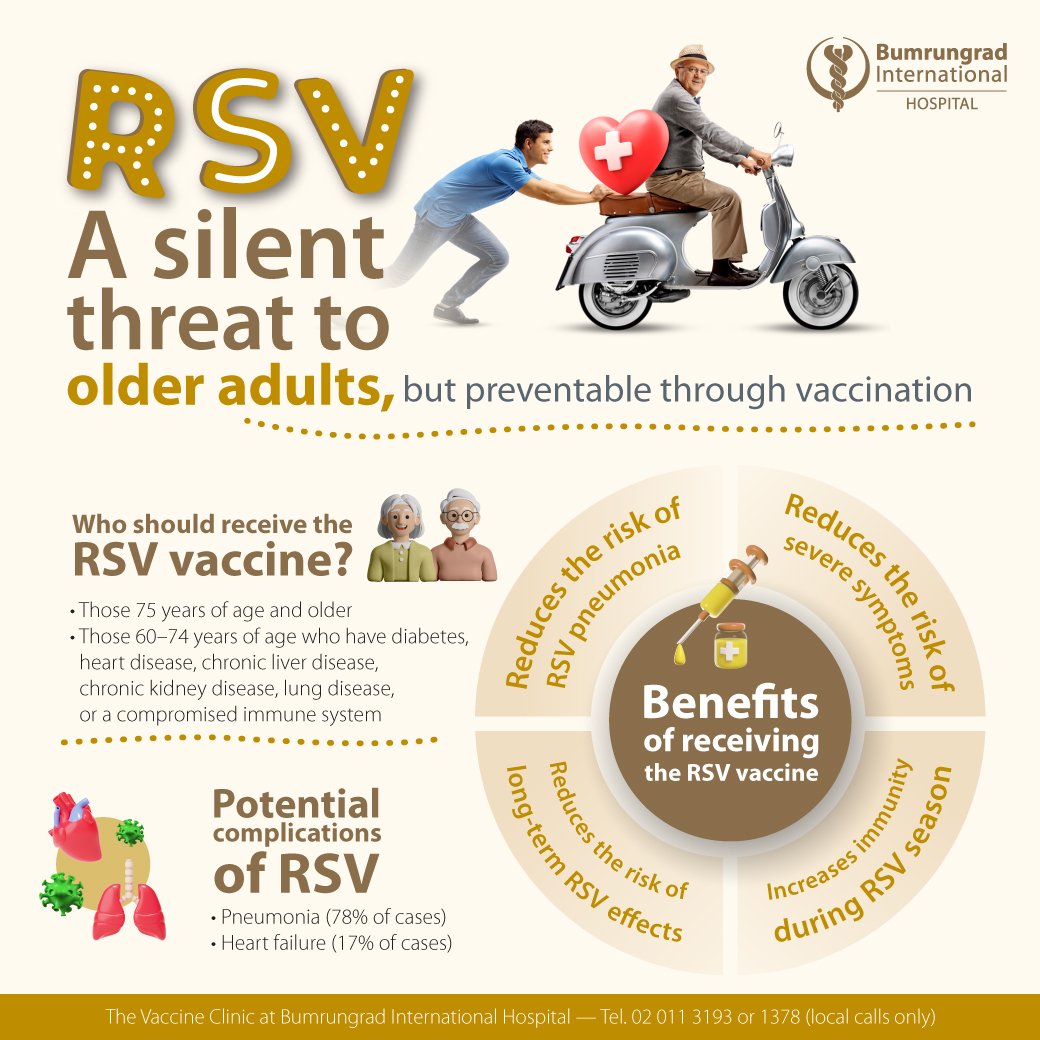
Not all elderly adults face the same risk from RSV. The CDC identifies those 75 and older as highest risk, but several factors increase danger at age 60 and above.
High-risk groups include:
• Adults aged 65 and older
• Those with chronic lung disease such as COPD or asthma
• Patients with heart conditions including congestive heart failure or coronary artery disease
• Individuals with weakened immune systems due to cancer, transplant, or immunosuppressive drugs
• Residents of nursing homes or long-term care facilities
• People with multiple chronic conditions
The more comorbidities a patient has, the higher the chance of severe RSV infection.
Assessing Risk During Evaluation
When evaluating an older adult with respiratory symptoms, ask about underlying health conditions. Review recent hospitalizations or steroid use. Inquire about living environment such as shared rooms or group activities. Check vaccination status for flu, COVID-19, and RSV.
Patients in long-term care face particular risk due to close contact and shared airspaces, making outbreaks common.
Impact of Immunosenescence
As people age, their immune systems weaken through a process called immunosenescence. This makes it harder to fight off infections and can result in slower symptom onset, blunted fever response, prolonged recovery, and higher risk of secondary infections like bacterial pneumonia.
This biological reality means even mild symptoms should be taken seriously in older adults.
Conduct a Targeted Clinical Assessment
What the Physical Exam Should Include
A focused physical exam helps differentiate RSV from other illnesses and assess severity. During evaluation, the provider should listen to lung sounds for wheezing, crackles, or decreased airflow. Check oxygen levels with pulse oximetry, as values below 94% suggest hypoxia. Assess respiratory effort by looking for nasal flaring, use of accessory muscles, or chest retractions. Evaluate mental status, as confusion can indicate low oxygen or sepsis. Check for dehydration through dry mucous membranes, poor skin turgor, or low blood pressure.
Abnormal findings should prompt further testing and possible hospitalization.
When to Order a Chest X-Ray
If pneumonia or lower respiratory tract infection is suspected, a chest X-ray is essential. Look for lung infiltrates, patchy opacities, or signs of atelectasis or fluid buildup.
While X-rays do not confirm RSV, they reveal complications like pneumonia or worsening heart failure triggered by the virus.
Role of Vital Signs Monitoring
Track these key indicators to detect deterioration early:
• Oxygen saturation should remain at 94% or higher on room air
• Respiratory rate exceeding 20 per minute suggests distress
• Heart rate elevation may indicate hypoxia or dehydration
• Remember that absence of fever does not rule out infection
Serial measurements help detect deterioration before symptoms become severe.
Use the Right Diagnostic Tests
Molecular Testing: RT-PCR Is Gold Standard
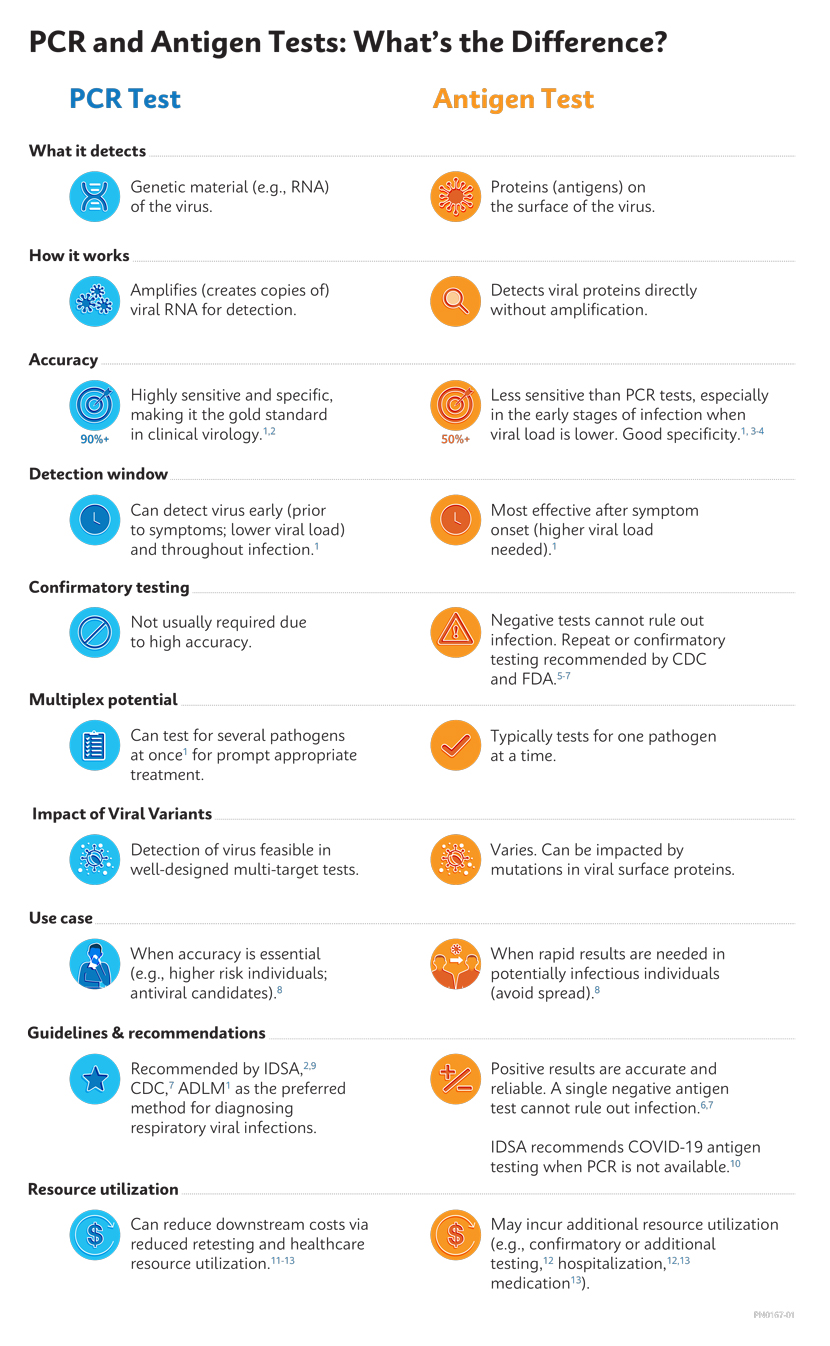
Because RSV symptoms overlap with flu and COVID-19, laboratory confirmation is essential, especially in high-risk patients. RT-PCR (reverse transcription polymerase chain reaction) is the most accurate test for detecting RSV in older adults.
Advantages include high sensitivity even with low viral load, detection of viral RNA in nasal or nasopharyngeal swabs, and inclusion in multiplex panels that test for RSV, flu A/B, and SARS-CoV-2 simultaneously. Turnaround time is typically 1 to 3 days.
Best practice is to use RT-PCR for hospitalized patients or those with moderate to severe symptoms.
Rapid Antigen Tests: Fast but Less Reliable
Rapid antigen tests provide results in under an hour and are useful in urgent care or long-term care settings. However, they have lower sensitivity in adults due to reduced viral shedding.
Limitations include common false negatives in elderly patients. These tests work best early in illness, within the first 3 to 5 days. Using a nasal aspirate or wash improves accuracy over a simple swab.
Use cautiously, as a negative result does not rule out RSV in a high-risk senior.
Sample Collection Tips for Accuracy
The type of sample affects test reliability significantly. Preferred methods include nasopharyngeal swab (most common, insert swab into nostril toward the ear), nasal aspirate or wash (higher yield, saline is instilled and suctioned out), or nasal swab (easier but less sensitive in adults).
Timing matters: test within the first 3 to 5 days of symptoms when viral load is highest. Avoid delays, as late testing increases false-negative risk.
At-Home Test Kits: Convenient but Limited
Some over-the-counter kits allow patients to collect a nasal sample and mail it to a lab for RT-PCR analysis. These can test for RSV, flu, and COVID-19 together and avoid clinic visits. However, results take longer (3 to 5 days), there is no immediate clinical guidance, and improper sample collection is a risk.
Recommend these only when in-person testing is not feasible, and always follow up with a provider.
Interpret Results in Clinical Context
Do Not Rule Out RSV Based on a Negative Test
False negatives happen, especially with antigen tests or late sampling. If clinical suspicion is high, such as an elderly patient with worsening COPD and recent exposure, treat as probable RSV even with a negative test.
Key indicators for presumptive diagnosis include respiratory decline during RSV season, close contact with an infected individual, and no other identifiable cause for symptoms.
Understanding Multiplex Panel Results
Many labs use respiratory pathogen panels that screen for 10 to 20 viruses at once. These can detect RSV A and B, influenza A/B, SARS-CoV-2, adenovirus, rhinovirus, parainfluenza, and others.
A positive RSV result confirms diagnosis. But be cautious: co-infections such as RSV plus rhinovirus are possible and may worsen outcomes.
When to Repeat Testing
Repeat testing is rarely needed unless the initial test was a rapid antigen with low sensitivity, new symptoms develop after a negative result, or the patient deteriorates without clear cause.
In such cases, repeat with RT-PCR using a proper nasopharyngeal sample.
Prevent Misdiagnosis and Delays
Common Diagnostic Pitfalls
RSV is often mislabeled as a COPD flare-up without testing, a routine cold in an aging adult, or heart failure exacerbation due to cough and shortness of breath. This leads to missed opportunities for isolation, monitoring, and public health reporting.
Avoid these mistakes by testing all high-risk patients with new respiratory symptoms, using molecular tests instead of relying solely on antigen kits, and considering RSV year-round though peak season is fall to early spring.
Differentiate From Flu and COVID-19
All three viruses cause similar symptoms. Key differences include onset pattern (RSV is gradual, flu is sudden, COVID-19 is variable), fever presence (RSV is low-grade or absent, flu is common and high, COVID-19 is common), and loss of taste or smell (rare in RSV and flu, common in COVID-19).
Only testing can definitively distinguish these viruses.
Educate Patients and Caregivers
Many seniors and their families do not know RSV can be dangerous in adults. Providers should explain that RSV is not just a cold, encourage early care-seeking for breathing issues, and promote vaccination and hygiene practices.
A simple message works: if you are over 60 and feel short of breath, get tested.
Consider Vaccination Status in Diagnosis
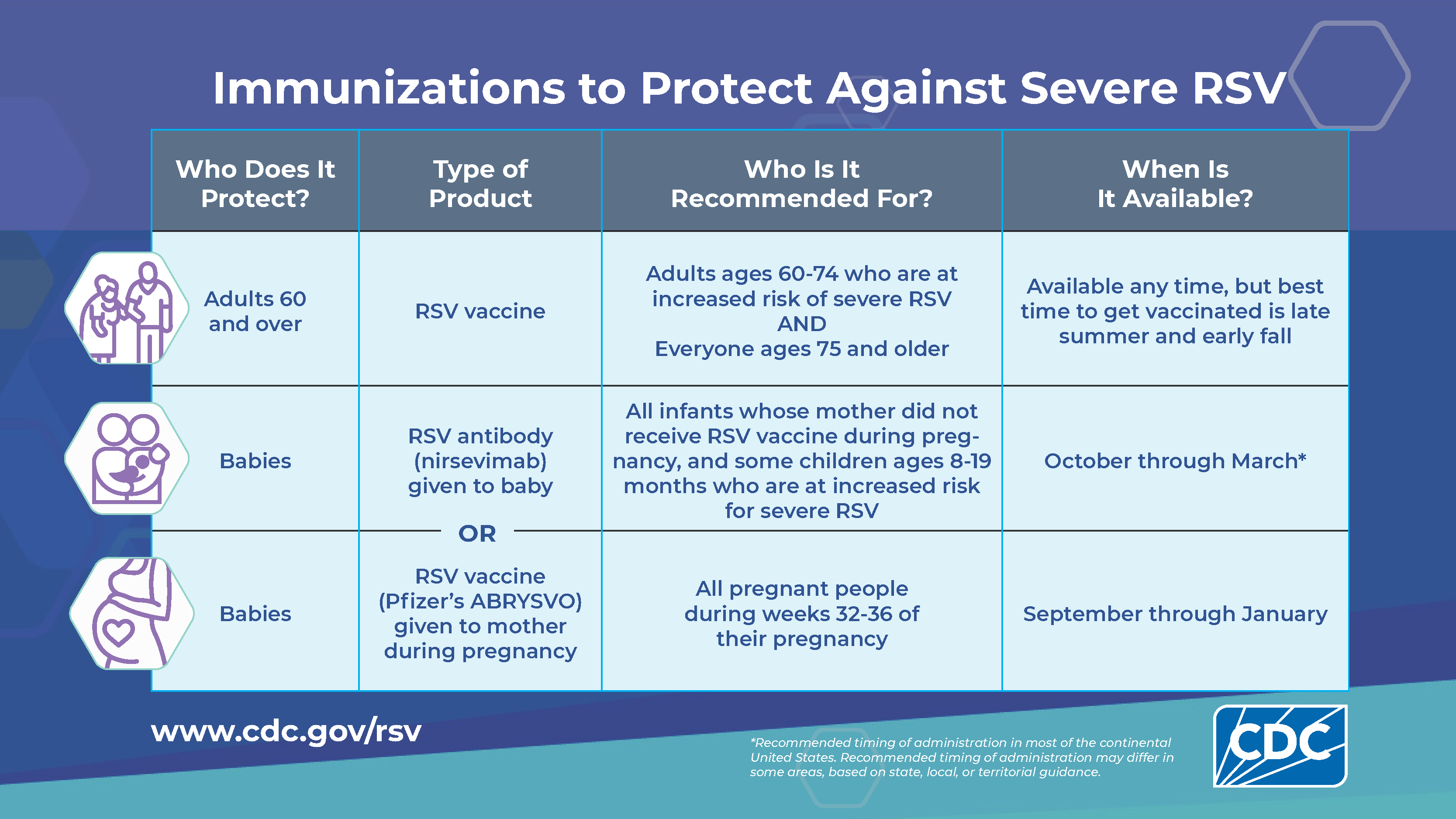
RSV Vaccines Are Now Available
As of 2023, the FDA has approved three RSV vaccines for adults 60 and older: Arexvy (GSK), Abrysvo (Pfizer), and mResvia (Moderna).
The CDC recommends a single dose for all adults 75 and older, and a single dose for adults 60 to 74 who are at increased risk such as those with heart/lung disease or immunocompromise.
Vaccination Does Not Rule Out RSV
While vaccines reduce the risk of severe disease by up to 90%, breakthrough infections can still occur, especially in frail or immunocompromised individuals. Symptoms in vaccinated patients are often milder, but they can still spread the virus, develop pneumonia, and require hospitalization.
Never dismiss RSV because a patient is vaccinated. Test based on symptoms and risk, not vaccine status.
Ask About Vaccine History
During evaluation, always ask whether the patient has received an RSV vaccine and when they got it. This helps interpret disease severity and informs public health data.
Monitor and Manage After Diagnosis
Outpatient vs. Inpatient Care Decisions
Most mild RSV cases can be managed at home with rest, hydration, fever relievers like acetaminophen, humidified air, and close symptom monitoring.
However, hospitalization is needed if oxygen saturation falls below 90%, respiratory rate exceeds 30 per minute, the patient cannot maintain hydration, mental status worsens, or signs of respiratory failure appear.
High-risk patients should be closely monitored for 3 to 5 days even if initially stable.
Infection Control Measures
RSV spreads through respiratory droplets and contaminated surfaces where the virus can survive up to 6 hours. To prevent spread, isolate infected patients especially in care facilities, use masks, gloves, and gowns, practice strict hand hygiene, and clean surfaces regularly.
Providers should report cases to public health authorities when possible to track outbreaks.
Follow-Up and Recovery Support
Recovery can take weeks. Recommend gradual return to activity, continued monitoring for relapse, pulmonary rehab if lung function declines, and a follow-up visit in 7 to 10 days.
Watch for secondary bacterial infections, which may require antibiotics.
Frequently Asked Questions About Diagnosing RSV in Elderly Adults
Can RSV be diagnosed with a blood test?
Blood tests are not typically used to diagnose active RSV infection. However, they may be ordered to assess dehydration, inflammatory markers, or immune status. Serologic testing can measure antibody levels for public health surveillance, but it is not useful for diagnosing acute illness.
How accurate are rapid antigen tests for RSV in older adults?
Rapid antigen tests are less accurate in older adults because they tend to shed less virus than children. False negatives are common, particularly if testing occurs more than 5 days after symptom onset. Molecular tests like RT-PCR are preferred for this population.
When should I seek medical care for suspected RSV in an elderly person?
Seek medical care immediately if the elderly person experiences shortness of breath, oxygen saturation below 94%, confusion, inability to stay hydrated, or worsening of chronic heart or lung conditions. Do not wait for symptoms to improve on their own.
Is RSV testing covered by insurance for elderly patients?
Most insurance plans cover RSV testing when it is medically indicated, particularly for hospitalized patients or those in high-risk categories. Medicare typically covers diagnostic testing for seniors when ordered by a healthcare provider.
Can RSV be diagnosed alongside flu and COVID-19?
Yes. Many laboratories offer multiplex respiratory panels that simultaneously test for RSV, influenza, and SARS-CoV-2 from a single sample. This approach is efficient and helps guide appropriate treatment and isolation measures.
Key Takeaways for Diagnosing RSV in Elderly Adults
Diagnosing RSV in elderly adults requires vigilance, timely testing, and a low threshold for suspicion, especially during respiratory virus season. With accurate diagnosis using RT-PCR, proper risk assessment, and awareness of atypical presentations, clinicians can prevent complications, reduce hospitalizations, and save lives.
The most important steps are recognizing that fever may be absent in seniors, testing early within the first 5 days of symptoms using molecular methods, and maintaining a high index of suspicion during fall and winter months. High-risk patients including those over 75, those with chronic heart or lung disease, and nursing home residents should be tested promptly when respiratory symptoms develop.
As RSV vaccines become more widespread, integrating testing and prevention into routine care for adults over 60 is not just best practice, it is essential for protecting this vulnerable population from serious illness and death.