
Pneumonia is a leading cause of hospitalization and death among adults aged 65 and older. Each year, over 1 million seniors in the U.S. are hospitalized due to this lung infection, and nearly 85% of pneumonia-related deaths occur in this age group. Unlike younger adults, elderly individuals face unique challenges, including weakened immune systems, chronic health conditions, and atypical symptoms that make pneumonia harder to detect and more dangerous to treat.
The good news? Most cases of pneumonia in the elderly are preventable. By combining vaccinations, hygiene practices, lifestyle changes, and caregiver support, older adults can significantly lower their risk. This guide delivers a clear, actionable plan based on the latest medical research to help seniors and their families prevent pneumonia before it starts.
Get Essential Vaccinations to Block Pneumonia
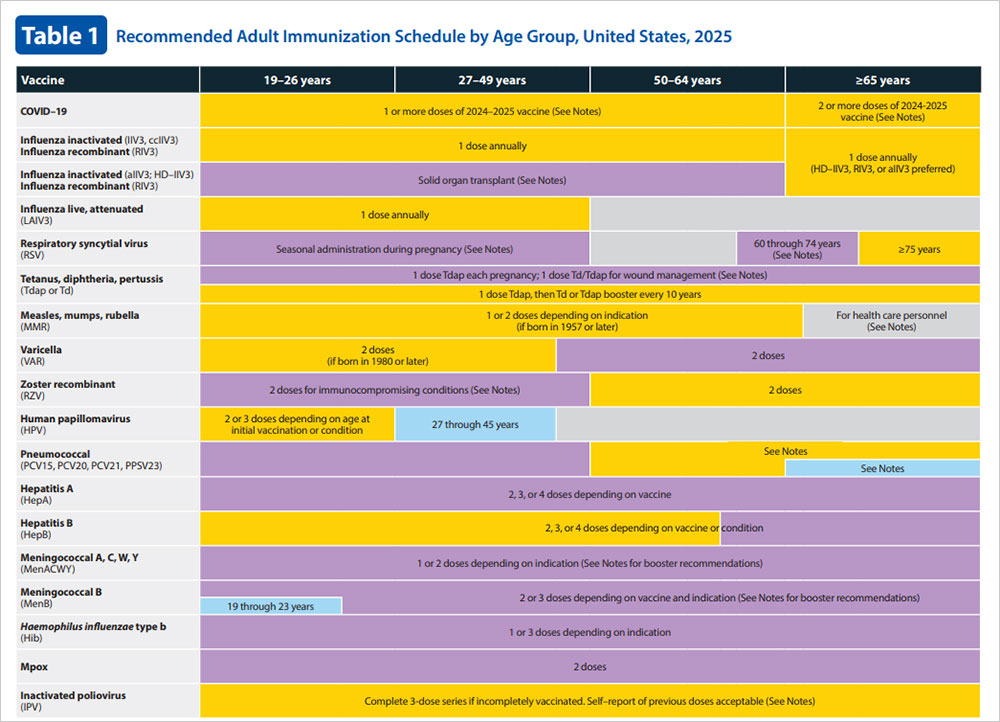
Vaccines are the strongest defense against pneumonia in seniors. They train the immune system to recognize and fight dangerous pathogens before they cause serious illness.
Update Pneumococcal Protection
Streptococcus pneumoniae causes the most common form of bacterial pneumonia in older adults. Two vaccines offer protection:
- PCV20 (Prevnar 20): One dose provides coverage for 20 strains. Most seniors only need this single shot.
- PCV15 (Vaxneuvance) + PPSV23 (Pneumovax 23): If PCV15 is given first, PPSV23 should follow at least one year later.
CDC guidelines recommend all adults 65+ receive one of these regimens. Those with heart disease, lung disease, or diabetes may qualify for vaccination before age 65. These vaccines also reduce the risk of bacteremia and meningitis, life-threatening complications of pneumococcal infection.
Get Annual Flu Shots
Influenza weakens the lungs and often leads to secondary bacterial pneumonia. Seniors should get a flu vaccine every year, ideally by October. For better protection, choose Fluzone High-Dose or Fluad Quadrivalent (adjuvanted). Both are specifically designed for adults 65+ to boost immune response. Studies show the high-dose vaccine reduces pneumonia hospitalizations by up to 25% compared to standard-dose versions.
Stay Current on COVID-19 Boosters
SARS-CoV-2 frequently causes severe pneumonia, especially in unvaccinated seniors. Keep up with CDC-recommended updated boosters, particularly before winter. Vaccination cuts the risk of hospitalization and death by over 90% in most studies.
Consider RSV Vaccination
Respiratory syncytial virus (RSV) is now recognized as a major cause of lower respiratory infections in older adults. Two FDA-approved vaccines are available: Arexvy (GSK) and Abrysvo (Pfizer). Both are given as a single dose to adults 60+, especially those with heart or lung conditions. Clinical trials show 80-90% effectiveness in preventing severe RSV-related illness.
Pro Tip: Caregivers, family members, and healthcare workers should also be vaccinated. You cannot protect a senior if you are the one bringing the virus home.
Practice Daily Infection Control
Germs spread easily in homes, clinics, and public spaces. Simple hygiene habits block transmission and protect vulnerable lungs.
Wash Hands Thoroughly and Often
Handwashing is one of the most effective ways to stop respiratory infections. Wash with soap and water for at least 20 seconds after coughing, sneezing, or using tissues. Wash after using the bathroom, handling food, and touching shared surfaces like doorknobs, remotes, and phones. Use alcohol-based hand sanitizer (60%+ alcohol) when sinks are not available.
Cover Coughs and Sneezes
Teach everyone in the household to use a tissue, then toss it immediately. Cough into the elbow if no tissue is available. Wash or sanitize hands right after. This prevents droplets from spreading viruses and bacteria through the air.
Disinfect High-Touch Surfaces Weekly
Pathogens survive on surfaces for hours or days. Clean frequently touched areas with EPA-registered disinfectants effective against flu, RSV, and coronaviruses. Focus on light switches, door handles, bathroom fixtures, remote controls, phones, and kitchen counters. Clean more often during cold and flu season.
Improve Indoor Air Quality
Clean air reduces respiratory irritation and lowers infection risk. Use a HEPA air purifier in bedrooms or living areas. Open windows when weather permits for fresh air circulation. Keep indoor humidity between 30-50% to prevent mold. Avoid indoor pollutants like tobacco smoke, wood-burning stoves, and strong cleaning chemicals.
Visual Cue: If windows fog easily or a musty smell lingers, humidity may be too high. Adjust with a dehumidifier.
Adopt Lung-Healthy Lifestyle Habits
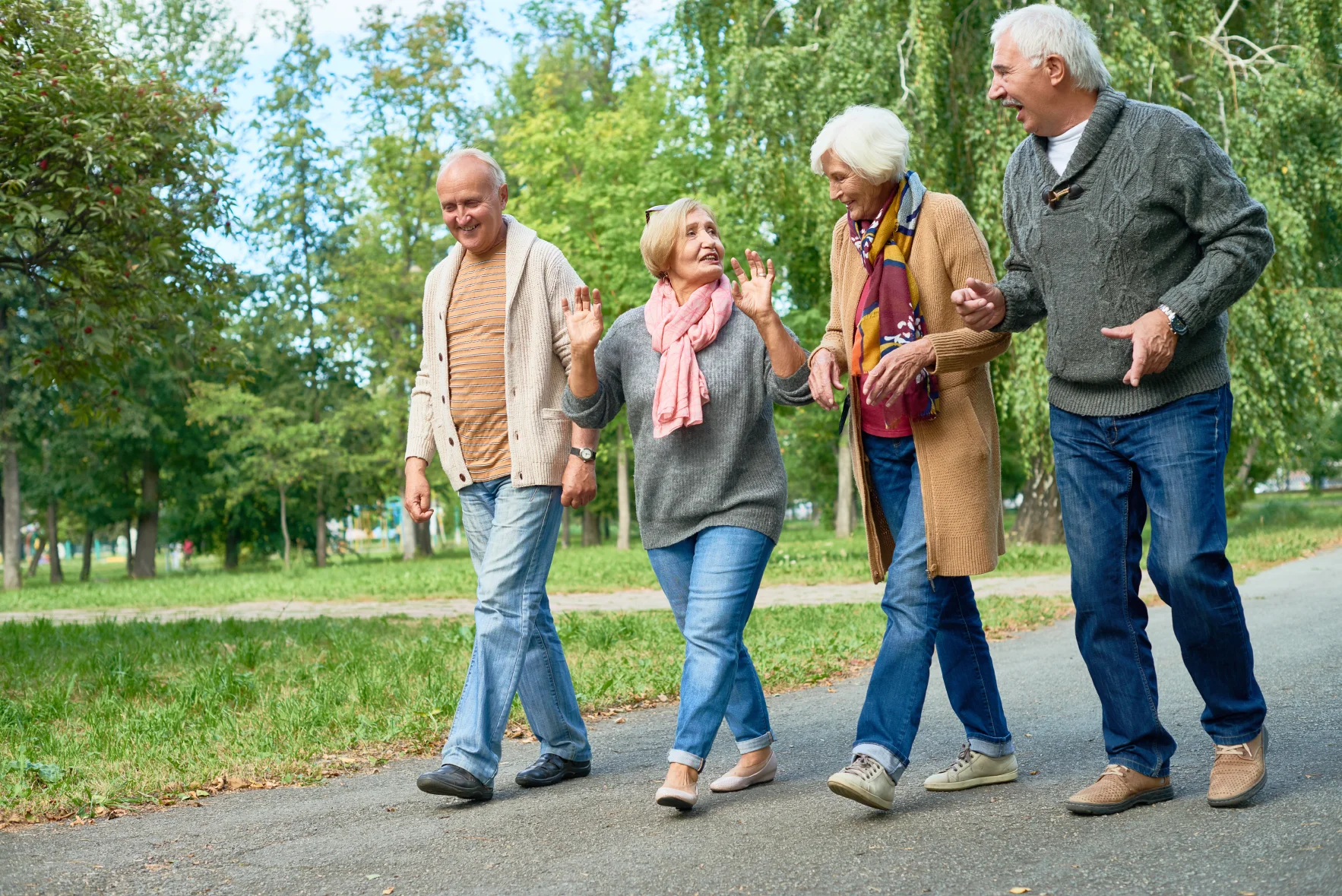
Daily routines directly impact lung strength and immune resilience. Small, consistent changes make a big difference over time.
Quit Smoking Immediately
Smoking paralyzes cilia, tiny hair-like structures that clear mucus and germs from airways. Damaged cilia allow bacteria to settle and grow. Even late in life, quitting improves lung function, oxygen exchange, and immune response. Support options include nicotine patches, gum, or lozenges, prescription medications like varenicline or bupropion, and free counseling via 1-800-QUIT-NOW.
Consequence: Smokers are 3-4 times more likely to develop pneumonia than non-smokers.
Eat Nutrient-Rich Meals
Malnutrition is common in seniors and weakens immunity. Focus on colorful fruits and vegetables for vitamins A, C, E, and antioxidants. Include lean proteins like chicken, fish, and beans for immune cell production. Add whole grains and fiber to support gut health and immunity. Include probiotic foods like yogurt or kefir to maintain a healthy microbiome.
Hydration Tip: Drink water, herbal teas, or broths throughout the day. Fluids thin mucus, making it easier to clear from the lungs.
Stay Physically Active
Sedentary behavior allows mucus to pool in the lungs, creating a breeding ground for bacteria. Recommended activities include daily walking for 10-30 minutes, chair exercises or seated stretches, tai chi or gentle yoga, and light resistance training. Aim for 150 minutes of moderate activity per week, adjusted for ability.
Pro Tip: Even standing and shifting weight every hour helps. Encourage short walks after meals.
Prioritize Sleep and Stress Reduction
Chronic stress and poor sleep raise cortisol levels, which suppress immune function. Seniors should aim for 7-9 hours of quality sleep. Practice deep breathing, meditation, or guided imagery. Stay socially connected to reduce isolation. Loneliness is linked to weaker immune responses and higher infection rates.
Manage Chronic Health Conditions
Uncontrolled medical issues increase pneumonia risk. Proper management stabilizes the body and strengthens defenses.
Control Diabetes
High blood sugar impairs white blood cell function. Keep HbA1c within target range and monitor glucose regularly.
Optimize COPD and Asthma Care
Use inhalers correctly by checking technique with a doctor. Avoid triggers like dust, smoke, and strong odors. Ask about pulmonary rehabilitation programs.
Treat Heart and Kidney Disease
Follow medication plans for heart failure or hypertension. Monitor for fluid retention like swollen legs or shortness of breath. Stick to dialysis schedules if applicable. Regular check-ups and lab tests help catch problems early.
Prevent Aspiration Pneumonia
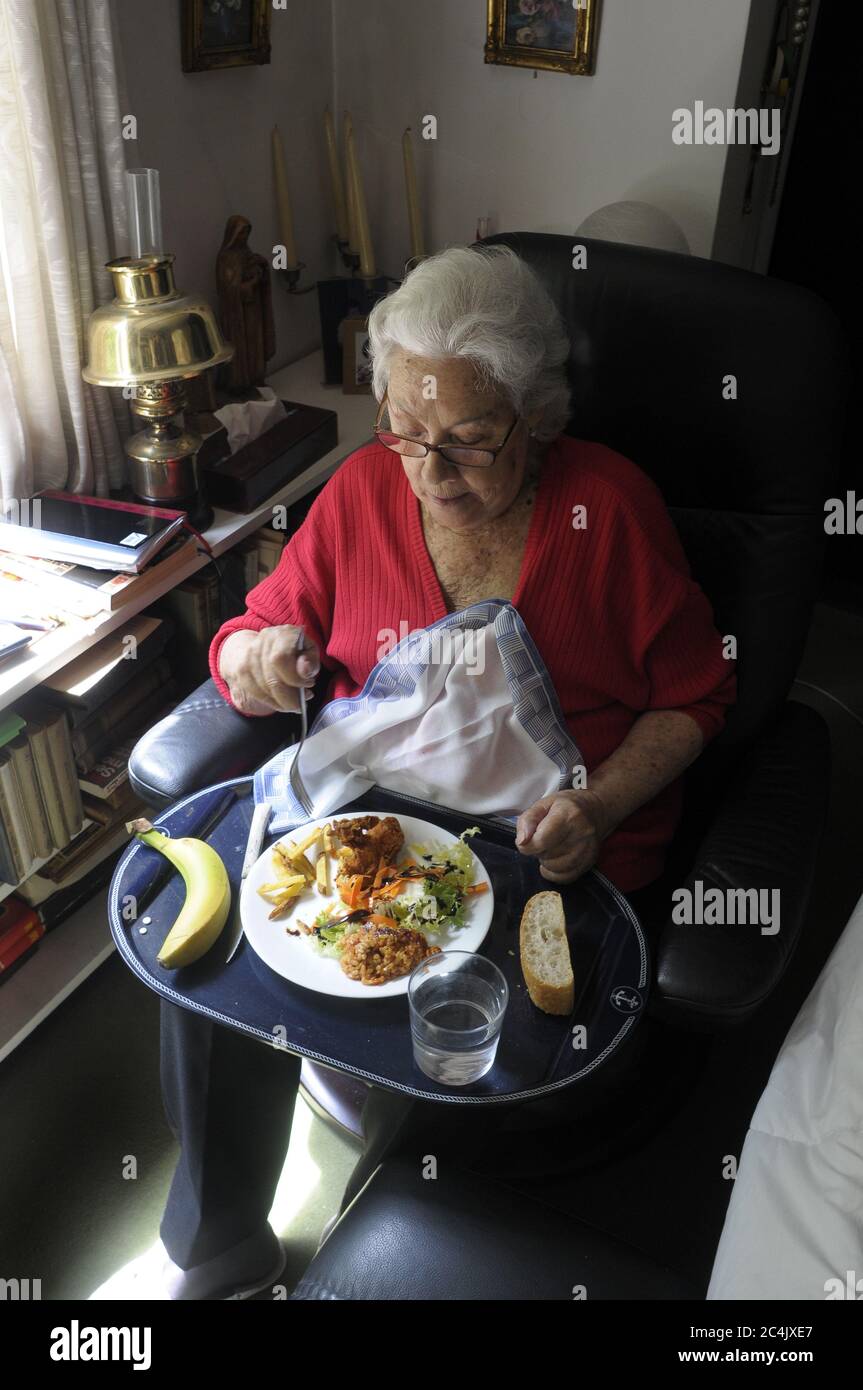
One of the most preventable and deadly forms of pneumonia in seniors is caused by inhaling food, saliva, or stomach contents.
Eat in Upright Position
Always sit at a 90-degree angle during meals. Stay seated for 30-60 minutes afterward to prevent reflux.
Modify Food and Liquid Consistency
If choking, coughing, or gurgling occurs while eating, switch to soft or pureed foods. Use thickened liquids as recommended by a speech therapist. A swallowing evaluation by a speech-language pathologist can identify risks and create a safe eating plan.
Maintain Excellent Oral Hygiene
Poor mouth health increases harmful bacteria. Prevent this by brushing teeth twice daily, flossing every day, cleaning dentures nightly, and scheduling dental check-ups every 6 months.
Fact: Seniors with gum disease have a 30-50% higher risk of pneumonia.
Review Medications
Avoid sedatives, antipsychotics, or anticholinergics that dull the gag reflex or cause drowsiness. Talk to a doctor about safer alternatives.
Recognize Early Warning Signs
Seniors often do not develop high fever or productive cough. Instead, pneumonia may show up in subtle ways.
Watch for Atypical Symptoms
Early signs include sudden confusion or disorientation, mental fogginess or delirium, loss of appetite, unusual fatigue or weakness, dizziness or imbalance, and low body temperature below 95°F.
Critical Rule: Any sudden mental change in an older adult should be treated as a medical red flag, even without fever.
Monitor for Active Infection
As pneumonia progresses, look for shortness of breath during routine tasks, persistent cough (dry or with mucus), low-grade fever or no fever, and mild wheezing. Use a pulse oximeter to check oxygen levels. Normal is 95-100%. Below 90% requires emergency care.
Know When to Seek Emergency Help
Delaying care can be fatal. Act fast when danger signs appear.
Go to ER or Call 911 If
Lips or fingernails turn blue (cyanosis), chest pain occurs with breathing, breathing becomes rapid shallow or labored, heart rate spikes abnormally, the person is too weak to stay awake, or oxygen saturation drops below 90%. These signs indicate possible respiratory failure, sepsis, or ARDS, life-threatening conditions needing immediate treatment.
Empower Caregivers to Protect Seniors
Family and caregivers are frontline defenders against pneumonia.
Monitor Health Daily
Track appetite and fluid intake, energy levels and mood, coughing or breathing changes, and mental clarity. Use a journal or app to record observations and share with doctors.
Support Healthy Routines
Encourage movement and exercise. Prepare balanced meals. Remind about medications and vaccines. Assist with oral care.
Facilitate Medical Access
Accompany to appointments. Help manage prescriptions. Coordinate with specialists like speech-language pathologists, dentists, and pulmonologists.
Promote Social Engagement
Loneliness weakens immunity. Encourage participation in senior centers, virtual or in-person social groups, and light community activities. Connection boosts motivation for self-care.
Prevent Recurrence After Recovery
Pneumonia survivors face a 9% recurrence rate within 5 years. Reduce risk by completing all prescribed treatments. Get all recommended vaccines. Address ongoing aspiration risks. Improve nutrition and activity levels. Manage chronic conditions aggressively. Full recovery may take weeks or months. Support rest, hydration, and gradual return to activity.
Frequently Asked Questions About Preventing Pneumonia in Elderly
What vaccines do seniors need to prevent pneumonia?
Seniors should receive the pneumococcal vaccine (PCV20 or PCV15 plus PPSV23), annual flu shot (high-dose recommended), COVID-19 boosters, and RSV vaccine if over 60. These vaccines significantly reduce the risk of pneumonia and its complications.
How can I tell if an elderly person has pneumonia without typical symptoms?
Watch for subtle signs like sudden confusion, loss of appetite, unusual fatigue, dizziness, or low body temperature instead of fever. Any sudden mental change in an older adult should prompt a call to the doctor.
What is aspiration pneumonia and how can it be prevented?
Aspiration pneumonia occurs when food, saliva, or stomach contents are inhaled into the lungs. Prevent it by having seniors sit upright during meals, modifying food textures if needed, maintaining good oral hygiene, and reviewing medications that may affect swallowing.
How effective are pneumonia vaccines for elderly adults?
Pneumococcal vaccines are highly effective at preventing pneumococcal pneumonia, bacteremia, and meningitis. Flu vaccines reduce pneumonia hospitalizations by up to 25% in seniors. RSV vaccines show 80-90% effectiveness in preventing severe illness.
What lifestyle changes reduce pneumonia risk in seniors?
Quit smoking, eat nutritious foods, stay physically active, get adequate sleep, and maintain good oral hygiene. These changes strengthen the immune system and lung function.
When should I take an elderly person to the emergency room for pneumonia?
Seek emergency care immediately if lips or fingernails turn blue, chest pain occurs with breathing, breathing becomes labored, the person is too weak to stay awake, or oxygen saturation drops below 90%.
Key Takeaways for Preventing Pneumonia in Elderly
Preventing pneumonia in the elderly requires a multi-layered approach combining vaccination, hygiene practices, lifestyle modifications, and caregiver vigilance. Seniors should stay up to date on all recommended vaccines, including pneumococcal, flu, COVID-19, and RSV. Daily habits like handwashing, covering coughs, and improving indoor air quality block germ transmission. Quitting smoking, eating nutritious foods, staying active, and managing chronic conditions like diabetes and COPD strengthen natural defenses. Caregivers play a critical role in monitoring for subtle warning signs like confusion or fatigue, preventing aspiration during meals, and ensuring timely medical care. By implementing these evidence-based strategies consistently, families can significantly reduce pneumonia risk and help seniors maintain their health and independence.