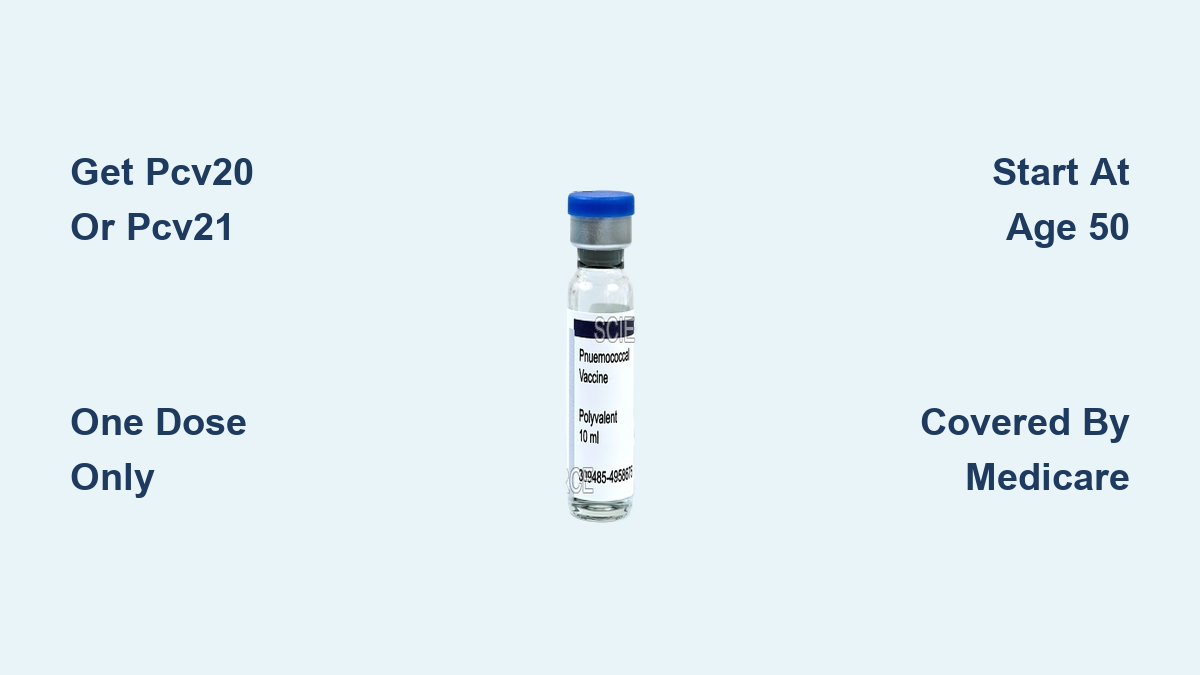
Pneumococcal disease poses a serious threat to seniors, particularly those over 65. Each year, about one million older adults are hospitalized with pneumonia, and up to 30% do not survive. The good news? Vaccination can prevent most severe cases. Yes, seniors should absolutely get the pneumonia vaccine.
This guide covers everything you need to know about vaccine types, updated CDC guidelines, safety, and how to get vaccinated. Whether you are a senior or a caregiver, you will find clear answers and actionable steps to protect health and independence.
Updated CDC Guidelines: Who Needs the Pneumonia Vaccine
All Adults 50 and Older Should Be Vaccinated
The CDC updated its recommendations in October 2024, lowering the starting age from 65 to 50 years. This change addresses rising invasive disease rates in younger seniors and aims to close gaps in protection earlier.
Key reasons for the update include:
- Immunosenescence weakens the immune system with age, making older adults vulnerable
- About one-third of invasive pneumococcal disease cases occur in adults aged 50 to 64
- African American populations experience peak disease incidence earlier, justifying earlier vaccination
Seniors 65 and older remain the highest-risk group. They are 6.1 times more likely to get pneumococcal pneumonia and 10 times more likely to be hospitalized than younger adults.
Simplified Schedule for Seniors 65 and Older
The new guidelines eliminate complex vaccination regimens. Most seniors now need only one dose of PCV20 or PCV21, and the series is complete. No follow-up PPSV23 shot is required.
This simplification improves adherence and reduces confusion. As one physician noted, it is much easier to tell patients they need just one shot.
Types of Pneumonia Vaccines Explained

PCV20 and PCV21: One-Shot Protection
PCV20 (Prevnar 20) and PCV21 (Capvaxive) are the preferred vaccines for adults 50 and older. They protect against 20 and 21 strains of pneumococcus, respectively, covering the most common causes of invasive disease.
These vaccines offer several advantages:
- One dose completes the series for most adults
- No PPSV23 booster is needed afterward
- Stronger immune response due to protein-conjugate design
- Recommended for all unvaccinated adults 50 and older
PCV21 offers the broadest serotype coverage among available vaccines and is a newly approved alternative to PCV20.
PCV15: Requires a Follow-Up Dose
PCV15 covers 15 strains and is used when PCV20 or PCV21 is not available. However, it must be followed by PPSV23 six to twelve months later to ensure full protection.
PCV15 is best suited for high-risk individuals, including those with cochlear implants, CSF leaks, or weakened immune systems. It requires two visits and careful timing between doses.
PPSV23: Limited Role in Current Guidelines
PPSV23 covers 23 strains but produces a weaker immune response in seniors because it lacks a protein carrier. It is now used only after PCV15, not as a standalone vaccine.
Important limitations include:
- Not recommended for primary vaccination in unvaccinated adults
- One-time booster after five years only if the first dose was given before age 65
- Risk of immune hyporesponsiveness where subsequent doses produce fewer antibodies
Who Should Get the Pneumonia Shot
Seniors With Chronic Health Conditions
Older adults with certain conditions face significantly higher risks from pneumococcal disease. Vaccination is essential for those with:
- Chronic heart disease
- COPD, asthma, or other lung diseases
- Diabetes
- Kidney or liver disease
- Cancer, HIV, or organ transplants
- Asplenia (absent or non-functioning spleen)
These conditions impair the body’s ability to fight infection, increasing the likelihood of hospitalization and death.
High-Risk Behavioral and Social Factors
Certain lifestyle and environmental factors also raise risk:
- Smoking damages lung defenses and increases pneumonia risk
- Heavy alcohol use weakens immunity
- Living in long-term care facilities increases exposure due to close quarters
- African American seniors experience higher disease rates at younger ages
- Caregivers and family members should also get vaccinated to protect vulnerable seniors
Vaccine Schedule: When and How to Get It
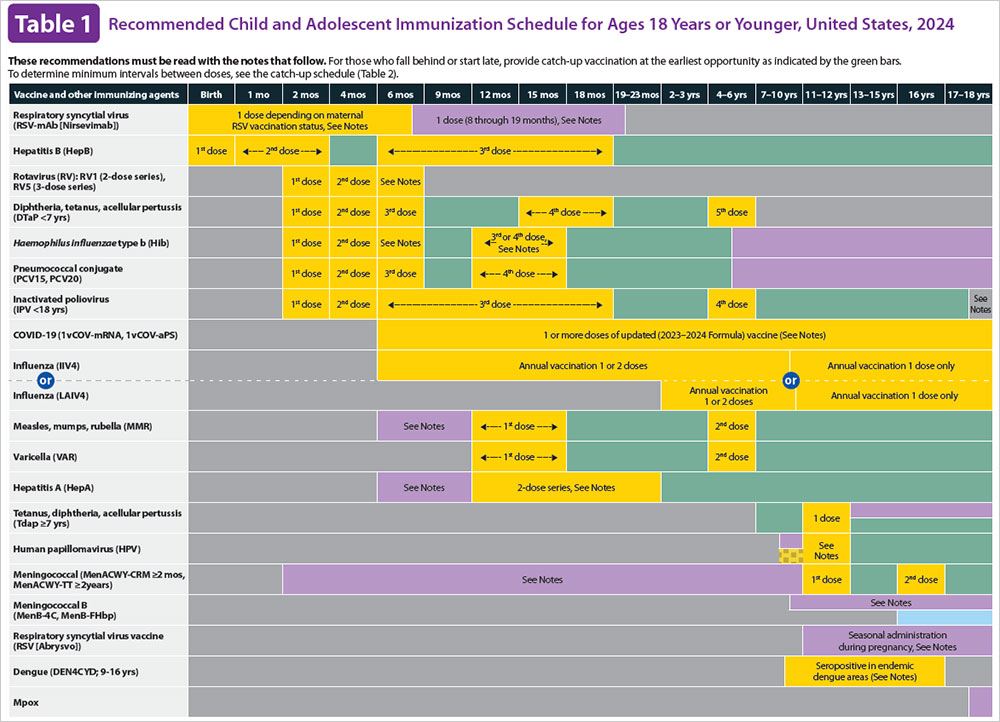
Simple Rules for Most Seniors
For most adults 50 and older, the schedule is straightforward:
- Never vaccinated: Get one dose of PCV20 or PCV21, and the series is complete
- Previously got PCV13: Get PCV20 or PCV21 at least one year later
- Previously got only PPSV23 before age 65: Get PCV20 or PCV21 at least one year after
- Previously got both PCV13 and PPSV23 before age 65: Get PCV20 or PCV21 at least five years after the last dose
Once you have received PCV20 or PCV21, you do not need any further pneumococcal vaccines.
Special Cases for Immunocompromised Adults
Seniors with weakened immune systems may need different timing. If receiving PCV15, follow with PPSV23 in eight weeks rather than six to twelve months. Always consult your doctor about your specific situation.
Getting Vaccinated With Other Vaccines
Pneumococcal vaccines can be given at the same time as the flu shot, updated COVID-19 vaccine, and RSV vaccine for adults 60 and older with risk factors or those 75 and older. No waiting period is required.
How Well Do the Vaccines Work
PCV20 and PCV21: Strong Protection Expected
While full clinical trial results are still emerging, immunogenicity studies show PCV20 and PCV21 produce stronger antibody responses than older vaccines. They cover the most dangerous serotypes and are expected to prevent thousands of hospitalizations over time.
Modeling suggests PCV13 alone could prevent nearly two million pneumonia cases in ten years, and PCV20 will do even better.
PPSV23: Mixed Results
PPSV23 reduces invasive disease in healthy adults but has limited impact on pneumonia or death in seniors. A Cochrane review found no significant drop in all-cause pneumonia or mortality among vaccinated adults.
Benefits appear stronger in nursing home residents, suggesting value for high-risk, institutionalized seniors.
Combined Flu and Pneumonia Shots: Greater Benefit
Getting both vaccines offers additive protection. A Swedish study found 29% fewer pneumonia cases and 35% fewer pneumonia deaths in vaccinated seniors. Hospitalized patients had shorter stays, and combined vaccination proved more cost-effective.
Safety: Side Effects and Risks
Common Reactions Are Mild
Most side effects are mild and short-lived:
- Pain at injection site occurs in about 50% of recipients
- Fatigue, headache, muscle aches, and chills are common
- Low-grade fever may occur
- Symptoms usually resolve within one to two days
Feeling run down after vaccination is a normal immune response, not illness.
Serious Side Effects Are Rare
Severe allergic reactions (anaphylaxis) are extremely rare. Avoid vaccination if you have had a reaction to any vaccine component. Immune hyporesponsiveness has been seen with repeat PPSV23 doses, but the clinical impact remains uncertain.
Who Should Wait
Delay vaccination if you have a moderate or severe acute illness. Recovery is recommended before getting the shot. Minor colds or low-grade fever do not preclude vaccination.
Recognizing Atypical Pneumonia Symptoms in Seniors

Watch for Confusion, Not Just Fever
Seniors often do not show classic pneumonia signs. Fever may be absent entirely. Instead, watch for:
- Confusion or sudden mental changes
- Lethargy or disorientation
- Loss of appetite
- Worsening of chronic conditions
These atypical symptoms can be the only warning signs. Any unexplained confusion in an older adult warrants immediate medical attention.
Post-Viral Pneumonia Risk
After a cold, flu, or RSV, the lungs are vulnerable. If symptoms last more than seven to ten days, see a doctor. Secondary bacterial pneumonia is common and can become severe quickly.
Overcoming Vaccine Hesitancy
Why Some Seniors Say No
A 2024 NFID survey found only 44% of high-risk adults plan to get vaccinated. The top reason is fear of side effects. Other concerns include thinking one is healthy enough to skip it, believing older vaccines did not work, and feeling overwhelmed by too many shots.
How to Build Confidence
Healthcare providers can help by simplifying the message. One shot of PCV20 or PCV21 provides complete protection. A doctor’s recommendation is the strongest motivator for vaccination.
Use trusted sources like CDC.gov/vaccines. Emphasize community protection. Getting vaccinated protects not just the individual but also grandchildren, neighbors, and others in the community.
Where and How to Get Vaccinated
Easy Access Points
Vaccines are widely available at:
- Pharmacies including CVS, Walgreens, Rite Aid, and local independents
- Primary care doctor offices
- Federally Qualified Health Centers
- Public health departments
- Mobile units in underserved areas
No appointment is usually needed at pharmacies and clinics.
Cost and Insurance Coverage
Medicare Part B covers 100% of the cost for both PCV and PPSV23 vaccines with no copay. Most private insurance covers vaccines as preventive care under the Affordable Care Act. Many pharmacies offer low-cost or free vaccines for uninsured individuals.
Questions to Ask Your Doctor
Know Your Vaccination History
Before your appointment, ask these key questions:
- Have I already had PCV13, PCV15, PCV20, PCV21, or PPSV23?
- Based on my age and health, which vaccine do I need now?
- If I need two shots, how far apart should they be?
- Are there any risks based on my medical history?
Keep a vaccination record to avoid unnecessary doses.
Final Thoughts on Seniors and Pneumonia Vaccination
Getting vaccinated protects more than just the individual. It reduces community spread, especially to infants, other seniors, and immunocompromised people. As one medical professional stated, it is not just about your health. It is about the health of everyone around you.
Caregivers and family members should also be up to date. You cannot protect a senior if you are the one bringing the germs.
Pneumonia can lead to hospitalization, long recovery, and loss of mobility. Staying vaccinated helps seniors live independently, avoid ER visits, and maintain quality of life.
Frequently Asked Questions About Seniors and Pneumonia Vaccines
At what age should seniors get the pneumonia vaccine?
The CDC now recommends pneumococcal vaccination for all adults aged 50 and older. Seniors 65 and older are at highest risk and should be vaccinated if they have not already received a pneumococcal conjugate vaccine.
How many pneumonia shots do seniors need?
Most seniors now need only one dose of PCV20 or PCV21, and the series is complete. Those who receive PCV15 need a follow-up dose of PPSV23 six to twelve months later.
Is the pneumonia vaccine safe for seniors?
Yes. Pneumococcal vaccines are generally safe and well-tolerated. Common side effects are mild and include pain at the injection site, fatigue, and headache. Serious reactions are extremely rare.
Does Medicare cover pneumonia vaccines for seniors?
Medicare Part B covers 100% of the cost for pneumococcal vaccines with no copay. This applies to both PCV and PPSV23 vaccines when medically appropriate.
Can seniors get the pneumonia vaccine with other vaccines?
Yes. Pneumococcal vaccines can be given at the same time as the flu shot, COVID-19 vaccine, and RSV vaccine. No waiting period is required between vaccines.
What happens if a senior gets pneumonia despite being vaccinated?
Vaccination significantly reduces the risk of severe illness, hospitalization, and death, but it does not provide 100% protection. Vaccinated seniors who develop pneumonia typically experience milder symptoms and better outcomes than unvaccinated individuals.