Skin breakdown in older adults is a serious and preventable condition that affects millions worldwide. As skin ages, it becomes thinner, drier, and more fragile, making the elderly especially vulnerable to pressure injuries, skin tears, and moisture-related damage. These issues not only cause pain and discomfort but also increase the risk of infection, hospitalization, and reduced quality of life. The good news is that most skin breakdown is avoidable with consistent, evidence-based care. This guide delivers practical, actionable strategies to protect aging skin, focusing on daily inspection, pressure relief, proper hygiene, nutrition, and safe product use.
By the end of this article, you will know exactly how to spot early warning signs, implement a skin protection routine, and create a safe environment that supports long-term skin health for elderly loved ones or patients.
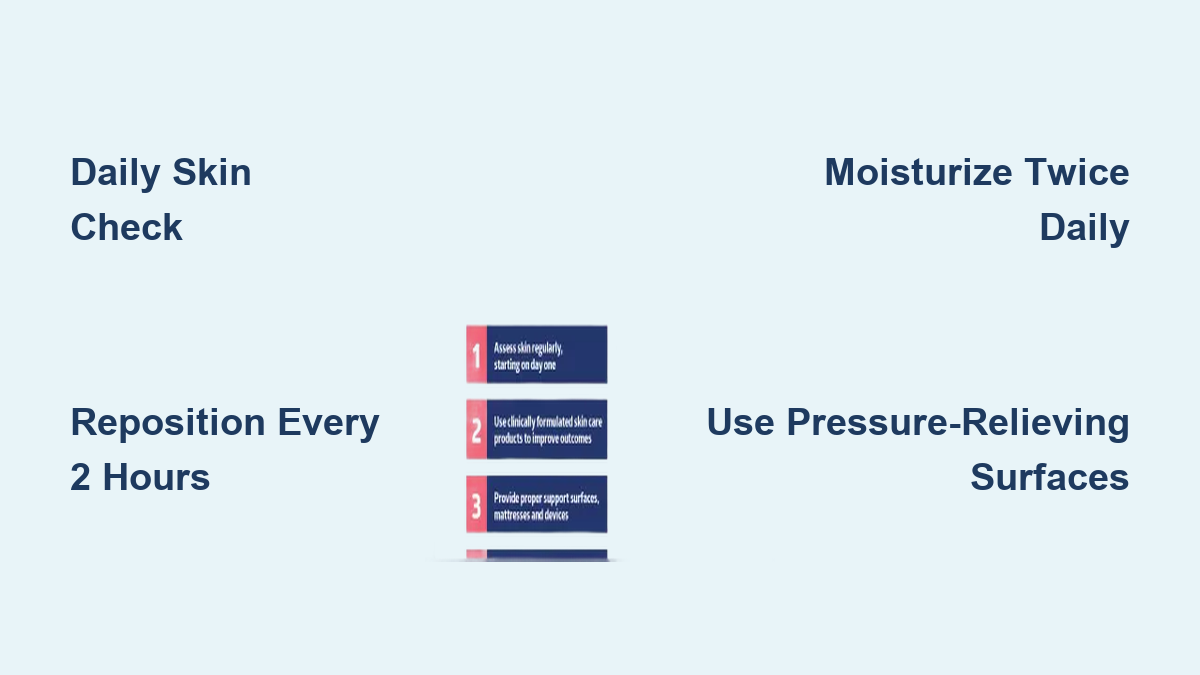
Daily Skin Inspection Catches Problems Early
Catching skin changes early is the first line of defense against skin breakdown in the elderly. A simple daily check can prevent minor irritation from turning into a serious wound.
Check These High-Risk Areas Every Day
Inspect these zones thoroughly at least once daily, especially in bedbound or wheelchair users. Focus on bony areas where pressure concentrates:
- Heels and ankles
- Sacrum and lower back
- Hips and tailbone
- Elbows and shoulders
- Back of the head and ears
- Shins and forearms
- Skin folds under breasts, groin, and armpits
Use a mirror or caregiver assistance for hard-to-see areas.
Warning Signs to Look For
Early signs of skin breakdown are not always obvious. Watch for these indicators:
- Non-blanchable redness that does not fade when pressed
- Purple, blue, or ashen discoloration, especially in darker skin tones
- Warmth, swelling, or firmness under the skin
- Dryness, cracking, or flaking
- Open sores, blisters, or skin tears
- Maceration appearing as white, soggy skin from moisture
Pro Tip: Use the Skin Tone Assessment Tool for individuals with pigmented skin. Redness may not show, so look for temperature changes or shiny texture instead.
Track Changes Over Time
Document findings with notes or photos. Sudden or worsening changes should prompt immediate action and consultation with a healthcare provider.
Reposition Every 2 Hours to Relieve Pressure
Prolonged pressure on bony areas cuts off blood flow, leading to tissue damage within hours. Regular repositioning is essential for preventing pressure injuries in immobile elderly patients.
Follow a Turning Schedule
Implement these repositioning guidelines based on the individual’s mobility status:
- Bedbound adults: Turn side-to-side or back every 2 hours.
- Use a 30-degree tilt, positioned halfway between flat and side-lying, to protect the sacrum.
- Avoid lying directly on hips or tailbone.
For wheelchair users:
- Shift weight every 15 to 30 minutes.
- Do shoulder lifts, wheelchair push-ups, or stand briefly if able.
- Transfer out of the chair every 1 to 2 hours when possible.
Warning: Never drag someone across sheets. This causes shear, a major contributor to deep tissue injury.
Use Proper Positioning Aids
Proper support devices help distribute pressure evenly and protect vulnerable areas:
- Place pillow rolls under calves to float heels off the bed.
- Use foam wedges between knees and ankles to prevent bone-on-bone contact.
- Support arms with pillows or arm troughs to avoid elbow pressure.
Avoid doughnut-shaped cushions, as they increase pressure around the wound site.
Use Pressure-Relieving Support Surfaces

Standard mattresses and chairs do not protect fragile skin. Upgrading support surfaces reduces skin breakdown risk significantly.
Choose the Right Mattress
For high-risk or immobile seniors, consider these options:
- Foam overlays: Affordable and effective for early prevention.
- Alternating air pressure mattresses: Automatically shift pressure points.
- Low-air-loss beds: Ideal for incontinent patients, reducing moisture and heat buildup.
Replace old, sagging mattresses immediately, as they lose their pressure-distributing properties.
Pick a Protective Wheelchair Cushion
Select cushions with these features:
- Gel, memory foam, or air-filled designs
- Contoured shape to support ischial tuberosities (sit bones)
- Non-slip base to prevent sliding
Test fit regularly, as cushions lose effectiveness over time.
Expert Note: In long-term care settings, use the Braden Scale to assess pressure injury risk and determine the appropriate support surface.
Bathe with Gentle Cleansers
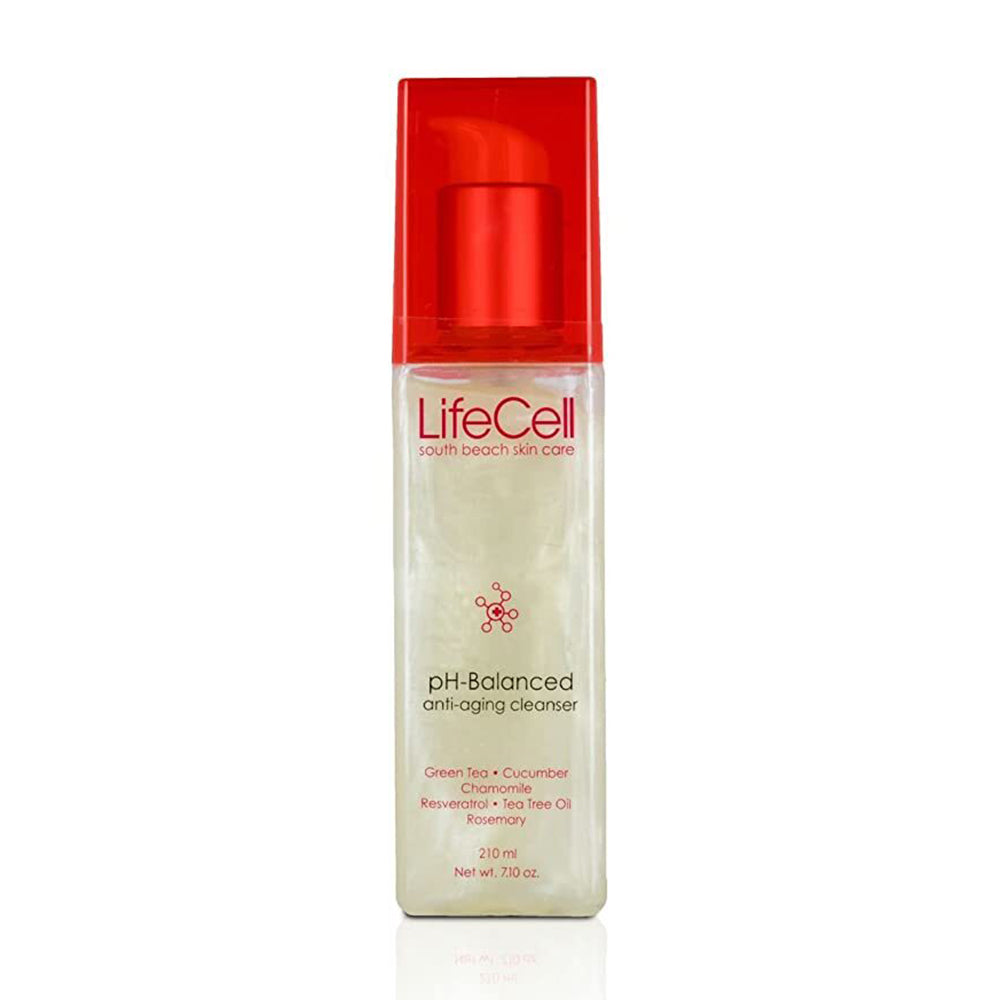
Overwashing or using harsh soaps strips natural oils, leaving skin dry and prone to tearing.
Limit Bathing Frequency
Full baths or showers every 2 to 3 days are sufficient for most elderly individuals. Use daily spot cleaning for underarms, groin, and perineal areas. For bedbound individuals, try no-rinse cleansing foams or wipes.
Choose Skin-Safe Products
Select only these products:
- pH-balanced cleansers (around 5.5)
- Emollient-rich washes such as Cetaphil or Eucerin
- Fragrance-free, soap-free formulas
Avoid these products:
- Bar soaps, especially deodorant or antibacterial varieties
- Alcohol-based or foaming cleansers
- Hot water (use lukewarm only)
Dry Skin Gently
Pat, do not rub, with soft towels or disposable cloths. Pay extra attention to skin folds where moisture can cause rashes. Never leave skin damp after cleaning.
Moisturize Twice Daily
This single step can cut skin tear risk by 50 percent, making it one of the most powerful interventions for preventing skin breakdown in the elderly.
Apply the Right Moisturizer
Best options contain these ingredients:
- Urea (5 to 10 percent) or glycerin as humectants that draw in moisture
- Ceramides or lipids to repair the skin barrier
- No alcohol, fragrance, or dyes
Recommended brands include Eucerin Advanced Repair, Cetaphil RestoraDerm, and Vanicream. Avoid petroleum jelly alone, as it does not hydrate and can clog pores.
When and Where to Apply
Apply moisturizer immediately after bathing while skin is still damp. Focus on high-risk zones including shins, forearms, hands, and elbows. Reapply midday if skin feels tight or dry.
Pro Tip: Keep a travel-sized bottle in the living room for easy reapplication throughout the day.
Protect Against Moisture Damage
Urine, sweat, and stool break down skin quickly, especially in incontinent adults. Managing moisture is essential for preventing skin breakdown in elderly individuals.
Clean and Protect After Incontinence
Follow these steps after each incontinence episode:
- Clean gently with a pH-balanced wipe or no-rinse foam.
- Pat dry, never rub.
- Apply a barrier cream such as zinc oxide (Desitin, Balmex) or dimethicone-based (Cavilon Durable Protectant).
Reapply barrier cream with every episode.
Use Breathable Incontinence Products
Choose absorbent, moisture-wicking pads or briefs. Change immediately when wet or soiled. Avoid plastic-backed products that trap heat and sweat.
Warning: Talcum powder is outdated and should be avoided. It can cake, irritate skin, and pose inhalation risks.
Prevent Skin Tears from Trauma
Skin tears are common on arms and legs and often result from minor bumps or improper handling. These injuries are highly preventable with the right precautions.
Reduce Friction and Shear
Use slide sheets or transfer boards during repositioning. Lift, do not drag, when moving someone in bed. Wear smooth gloves during care to reduce grip friction.
Cover Toenails and Sharp Edges
Keep fingernails and toenails short and filed smooth. Have the person wear soft, seamless socks at night to prevent self-inflicted leg scratches.
Dress in Protective Clothing
Choose long sleeves and pants made of soft cotton or bamboo. Use arm sleeves or leg wraps for those with frequent arm tears. Avoid wool or rough seams that can catch and tear fragile skin.
Support Skin with Nutrition and Hydration
Skin health starts from within. Poor nutrition and dehydration weaken the skin’s structure and delay healing.
Drink Enough Fluids
Aim for 1 to 2 liters of water daily unless restricted for medical reasons. Offer herbal teas, broths, or fruit-infused water to improve taste. Monitor for signs of dehydration including dry mouth, dark urine, and confusion.
Caution: Consult a doctor before increasing fluids in individuals with heart or kidney disease.
Eat Enough Protein
Older adults need 1.0 to 1.2 grams of protein per kilogram of body weight daily. For a 70 kg (154 lb) person, this means 70 to 84 grams per day. Good sources include eggs, yogurt, cottage cheese, chicken, fish, lean beef, beans, lentils, tofu, nuts, and nut butters. Use oral supplements like Ensure or Boost if appetite is poor.
Boost Key Micronutrients
These nutrients support skin health:
- Vitamin C from oranges, strawberries, and bell peppers supports collagen production.
- Zinc from oysters, beef, and pumpkin seeds helps with cell repair.
- Vitamin A from carrots, sweet potatoes, and spinach promotes skin renewal.
Use Safe Wound and Adhesive Practices
If a skin tear or minor wound occurs, proper care prevents further damage and promotes healing.
Choose Non-Traumatic Dressings
Use silicone-based dressings such as Mepitel or PolyMem, which cause minimal pain and trauma on removal. Lipidocolloid or petrolatum gauze protects delicate tissue. Foam dressings absorb light exudate and cushion the area.
Avoid strong adhesive films, hydrocolloids with aggressive glue, and plain gauze that sticks to wounds.
Practice Undisturbed Wound Healing
Leave dressings in place for 5 to 7 days if there is no infection, no leakage, and no pain or odor. This reduces healing disruption and preserves new tissue.
Exception: Change dressings sooner if the wound is infected or heavily draining.
Handle Skin Flaps Carefully
If a skin tear has a flap, gently reposition it without stretching. Cover with a non-adherent dressing. Watch for darkening, which indicates the flap is dying and needs medical attention.
Train Caregivers and Involve Patients
Prevention works best when everyone understands their role in protecting elderly skin.
Educate Caregivers
Teach caregivers these essential skills:
- Recognize early signs of skin breakdown
- Reposition safely using proper techniques
- Use lifting aids such as Hoyer lifts and transfer belts
- Choose appropriate skin products
Offer hands-on training and written checklists for reference.
Encourage Patient Participation
When possible, involve the person in their own care. Teach self-inspection using mirrors. Let them apply moisturizer or report discomfort. Studies show engaged patients heal faster and stay healthier.
Pro Tip: Post a simple Skin Check Reminder chart in the bathroom or bedroom.
Adapt Prevention for Darker Skin Tones
Standard redness checks fail on pigmented skin. Adjust your approach to detect problems early.
Look Beyond Color
In individuals with darker skin, early pressure injury may show as:
- Purple, blue, or ashen hue
- Shiny or taut surface
- Firmness or warmth to touch
- Blanching with pressure may not be visible
Use touch and tools like the Skin Tone Assessment Tool for objective tracking.
Prevent Misdiagnosis
Do not wait for redness. Act on temperature or texture changes immediately. Train all caregivers on skin tone variability to reduce disparities in care.
Key Takeaways for Preventing Skin Breakdown in the Elderly
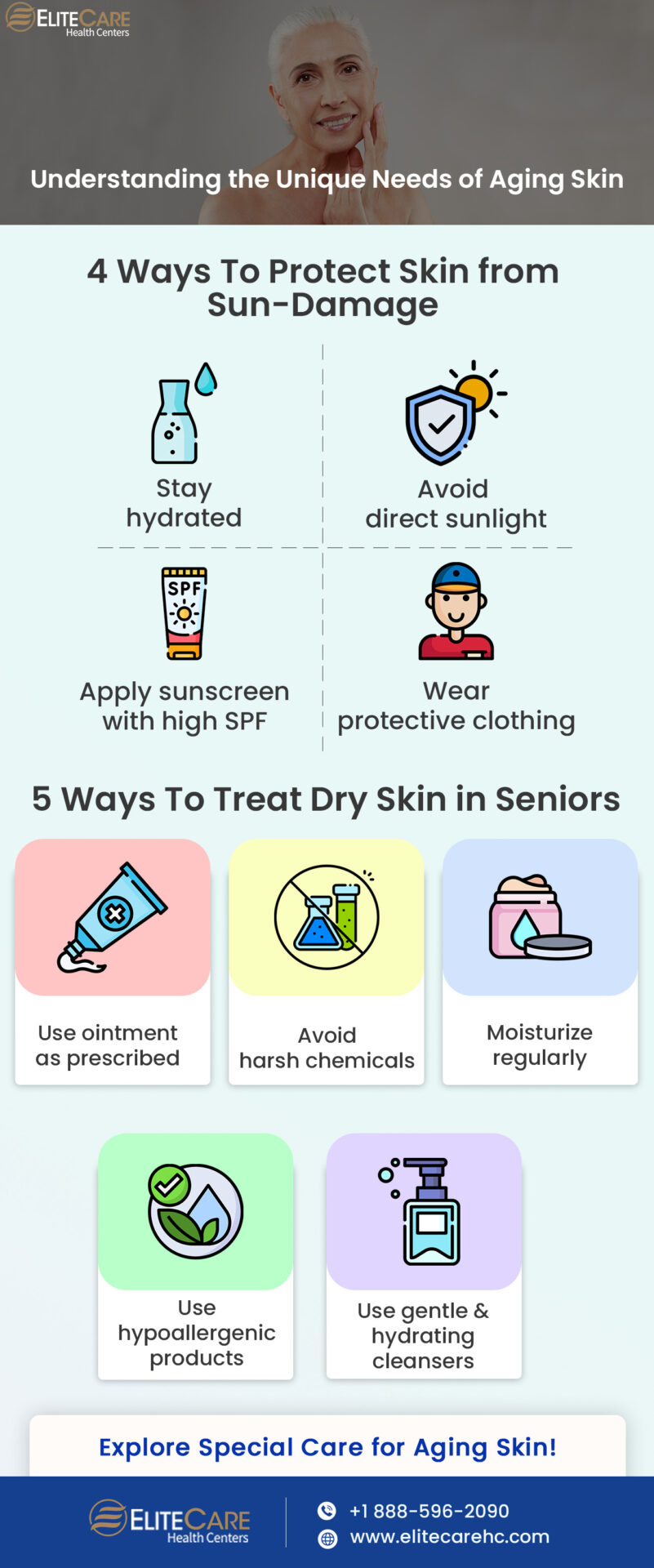
Preventing skin breakdown in the elderly is not complicated, but it requires consistency and daily attention. By integrating these evidence-backed steps into daily routines, caregivers can dramatically reduce the risk of pressure injuries, skin tears, and infections. The most critical actions include inspecting skin daily for early warning signs, repositioning immobile individuals every two hours, using pressure-relieving support surfaces, moisturizing twice daily, and maintaining proper nutrition and hydration. Remember that darker skin tones require checking for temperature and texture changes rather than relying on redness. With consistent care, healthier skin, fewer hospital visits, and a better quality of life for older adults are within reach. Start today by picking one strategy to improve, then build from there.
Frequently Asked Questions About Preventing Skin Breakdown in the Elderly
How often should I reposition an elderly person who is bedbound?
Reposition bedbound adults every 2 hours. Use a 30-degree tilt to protect the sacrum, and avoid lying directly on hips or tailbone. For wheelchair users, shift weight every 15 to 30 minutes and transfer out of the chair every 1 to 2 hours when possible.
What does skin breakdown look like in its earliest stages?
Early signs include non-blanchable redness that does not fade when pressed, purple or blue discoloration in darker skin tones, warmth or firmness under the skin, dry or cracked areas, and small skin tears. Catching these early prevents progression to serious wounds.
Does moisturizing really help prevent skin tears in elderly individuals?
Yes. Research shows that twice-daily moisturization can reduce skin tear incidence by 50 percent. Apply moisturizer immediately after bathing while skin is still damp, focusing on high-risk areas like shins, forearms, and elbows.
What is the best diet for preventing skin breakdown?
A diet rich in protein (1.0 to 1.2 grams per kilogram of body weight daily), adequate fluids (1 to 2 liters daily), vitamin C, zinc, and vitamin A supports skin integrity and healing. Include eggs, lean meats, fish, fruits, vegetables, and nuts.
How do I check for pressure injuries on dark skin?
Look beyond redness. Check for purple, blue, or ashen hues, shiny or taut skin texture, and areas that feel warmer or firmer than surrounding skin. Use the Skin Tone Assessment Tool for objective tracking, and do not wait for visible redness to take action.