
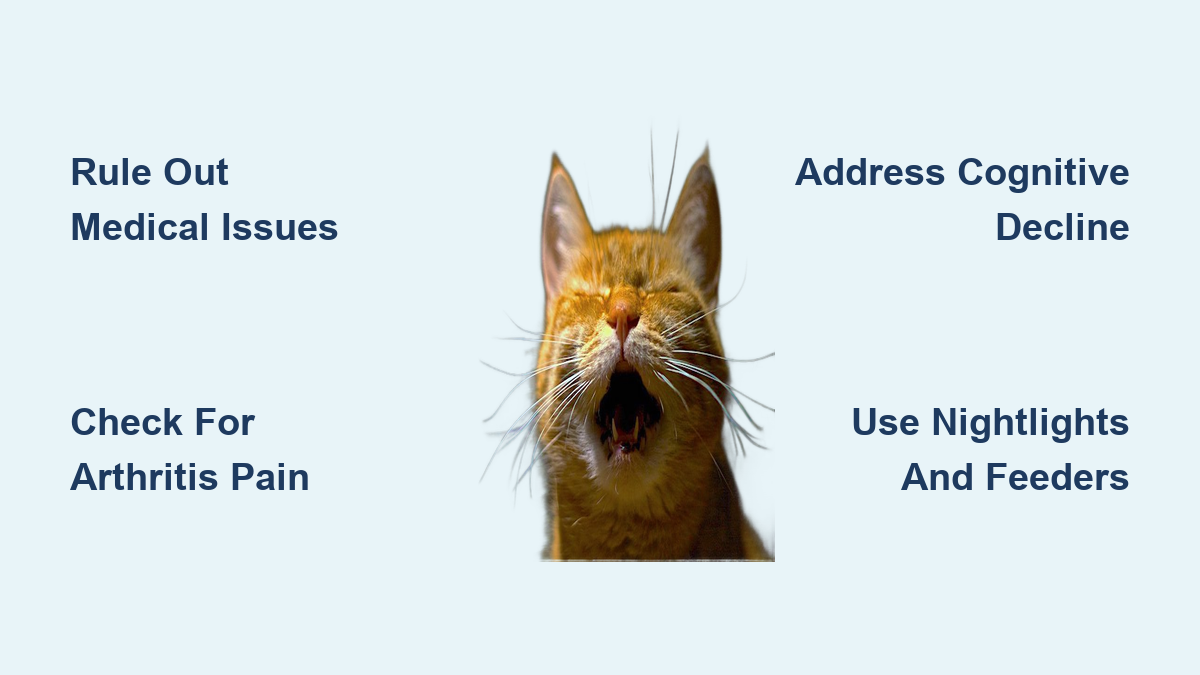
If your senior cat won’t stop yowling, especially at night, you are dealing with a distressing behavior that has real causes. Many pet owners assume their aging cat is just being demanding, but persistent yowling in elderly cats is rarely a behavioral quirk. More often, it is a cry for help signaling pain, illness, or cognitive decline. The good news is that most causes are treatable or manageable. This guide walks you through every step, from diagnosing medical issues to calming anxiety and improving sleep, so both you and your cat can rest easier.
This article covers the most common reasons elderly cats yowl, the essential veterinary tests you should request, and practical strategies to reduce or eliminate nighttime vocalization. You will learn how to address medical conditions, support cognitive health, modify your home environment, and use behavioral techniques that actually work.
Rule Out Medical Causes First
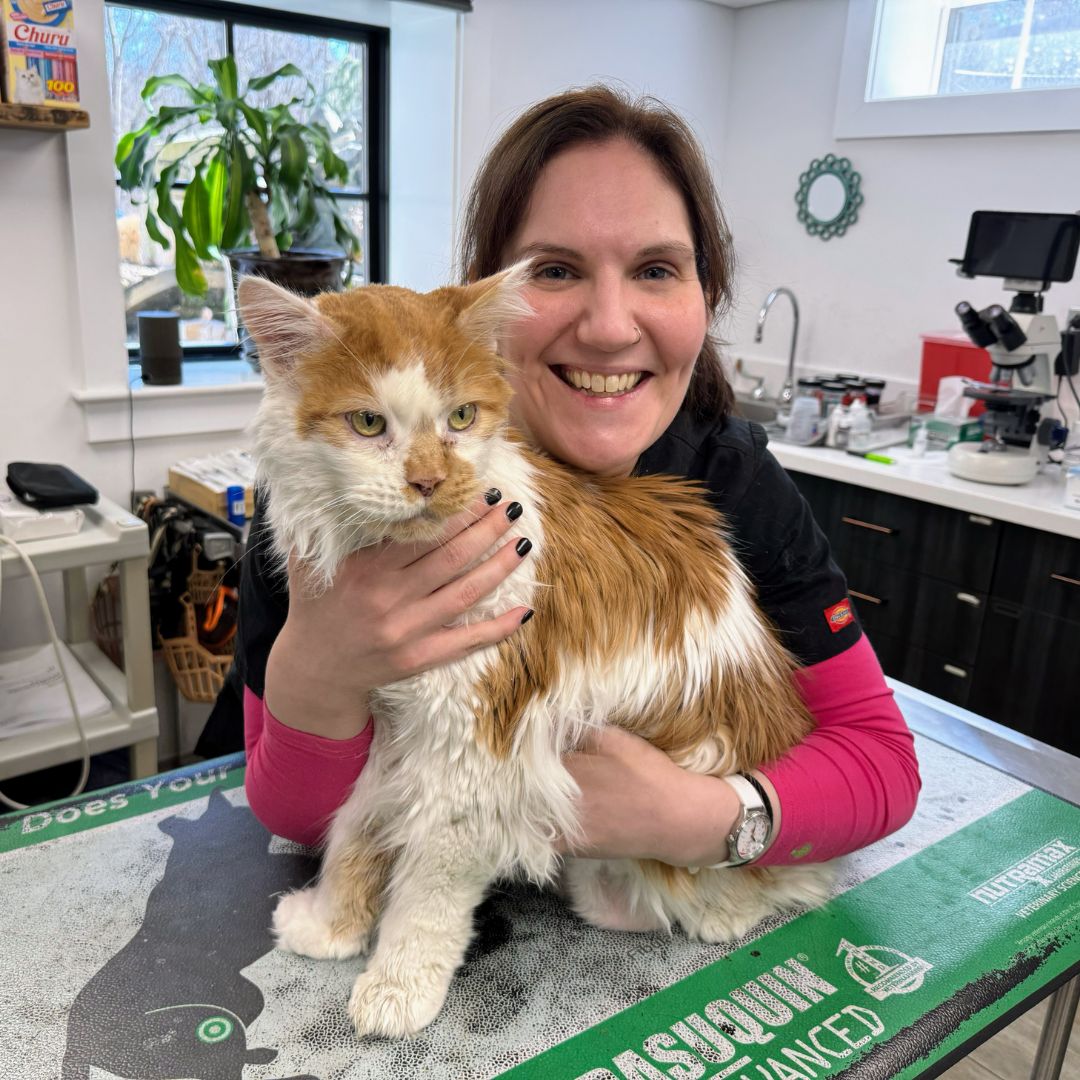
Before trying any behavioral fixes, you must eliminate physical health problems. Yowling in older cats is often a symptom of pain or disease, and ignoring medical issues while attempting to train the behavior will only prolong your cat’s suffering.
Schedule a Comprehensive Geriatric Checkup
A full geriatric exam is the critical first step. Do not assume your cat is just getting old. Your vet should perform a thorough physical examination checking joints, teeth, heart, and eyes. Request bloodwork including CBC, biochemistry panel, and thyroid hormone T4. A urinalysis is essential to assess kidney function, and blood pressure testing is important because hypertension is common and dangerous in senior cats. Ask about the SDMA test, which detects early kidney disease that standard tests might miss.
These tests can uncover silent but serious conditions driving the vocalization. Even if your cat has had regular checkups, new or worsening yowling should prompt re-evaluation because underlying conditions can develop gradually.
Test for Hyperthyroidism
Overactive thyroid is one of the most common causes of nighttime yowling in cats over ten. Symptoms include weight loss despite increased appetite, restlessness, increased thirst, and rapid heart rate. Diagnosis requires a blood test measuring T4 levels.
Treatment options include methimazole, a daily medication that controls thyroid hormone production. Radioactive iodine therapy is a curative treatment performed at specialty clinics. Prescription diets like Hill’s y/d restrict iodine intake. The yowling often stops within weeks of successful treatment. If your cat is yowling and losing weight, hyperthyroidism should be ruled out immediately.
Check for Kidney Disease
Chronic kidney disease affects most senior cats and can lead to nighttime waking and vocalizing. Increased urination, nausea, and thirst disrupt sleep and cause discomfort that leads to yowling.
Diagnosis involves elevated creatinine and BUN in bloodwork, along with low urine concentration on urinalysis. Management strategies include feeding wet food only to increase hydration, switching to prescription renal diets, administering subcutaneous fluids at home, and using medications for nausea and blood pressure control. Cats with CKD often yowl because they need to urinate, so make sure litter boxes are easily accessible on every floor of your home.
Screen for High Blood Pressure
Hypertension is often linked to hyperthyroidism or kidney disease and can cause sudden behavioral changes. Symptoms include yowling, blindness, head pressing, and disorientation.
Diagnosis requires blood pressure measurement using a pet-specific cuff. Treatment with amlodipine, a once-daily pill, is highly effective. Untreated hypertension can lead to stroke or blindness, making early detection essential.
Assess for Arthritis Pain
Older cats hide pain exceptionally well, but joint discomfort is a major cause of vocalization. Signs include stiffness, reluctance to jump, decreased grooming, and crying when moving or settling down.
Diagnosis involves physical examination and X-rays. Treatment options include gabapentin for pain and anxiety, meloxicam as an NSAID used cautiously with kidney monitoring, and joint supplements containing glucosamine and omega-3s. If your cat yowls when getting up or finding a comfortable position to sleep, pain is very likely the cause.
Examine Dental Health
Oral pain from tooth resorption or gum disease can make cats vocal, especially around mealtimes. Symptoms include drooling, chattering teeth, avoiding dry food, and pawing at the mouth.
Diagnosis requires a full oral examination, often performed under anesthesia. Treatment involves extractions, antibiotics, and pain relief. Never overlook the mouth because dental issues are extremely common in senior cats and frequently cause significant discomfort that leads to behavioral changes.
Address Cognitive Dysfunction
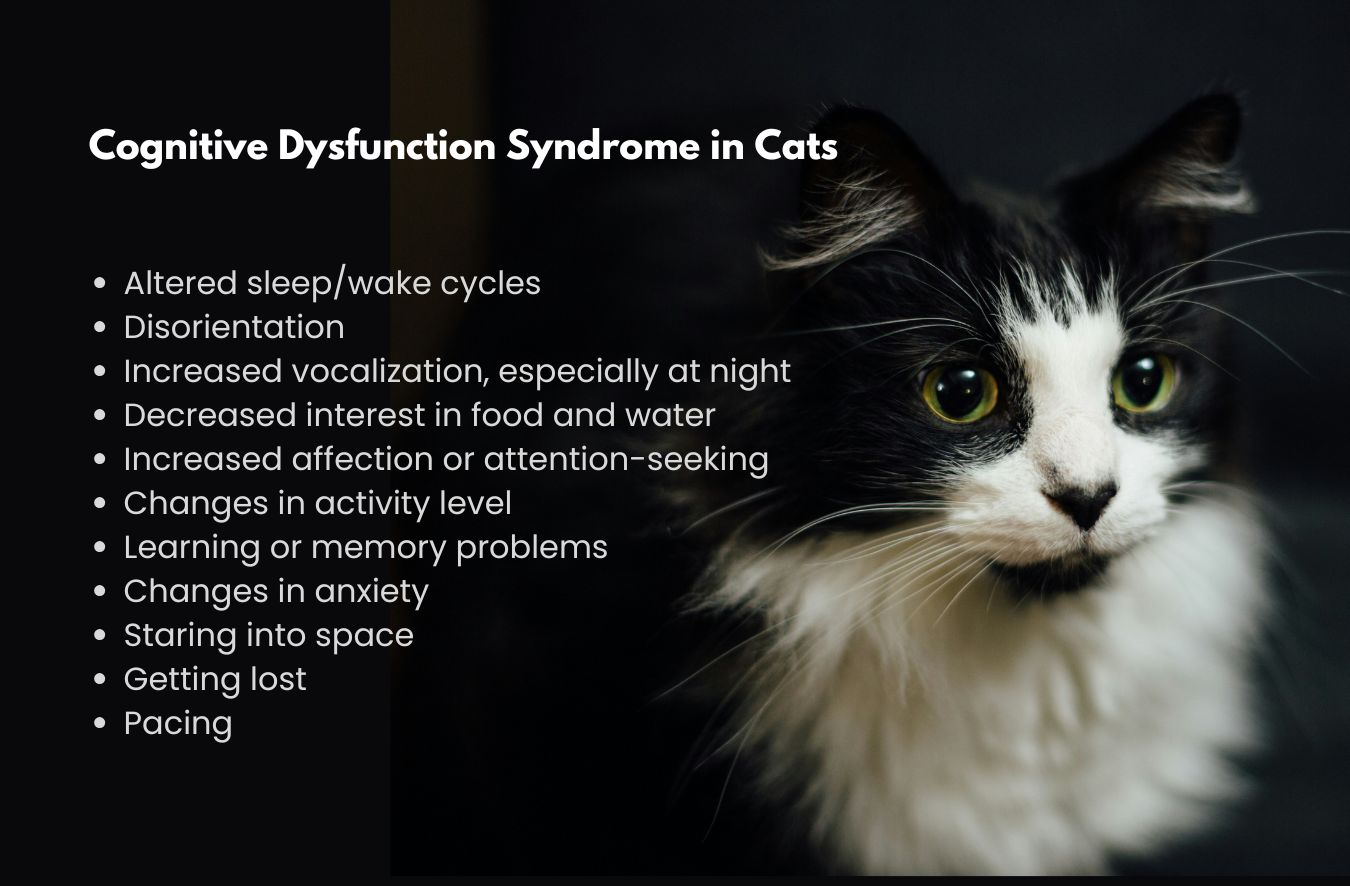
If medical issues are ruled out or properly managed, cognitive decline may be behind the yowling. Feline Cognitive Dysfunction Syndrome, similar to dementia in humans, affects a significant percentage of senior cats.
Recognize Feline Dementia Signs
Cognitive Dysfunction Syndrome affects over 55% of cats aged 11 to 15 and 80% of cats over 16. Key symptoms include nighttime yowling, especially between 2 AM and 5 AM, staring at walls or empty spaces, getting stuck in corners, forgetting litter box location, and altered sleep-wake cycles.
Sundowning is a common phenomenon where increased confusion and vocalization occur in low-light hours, similar to sundowners syndrome in humans with dementia. If your cat seems disoriented, especially in the evening or at night, cognitive decline is likely playing a role.
Try Selegiline for Cognitive Support
Selegiline, marketed as Anipryl, is used off-label in cats to support brain function. It boosts dopamine levels and acts as a neuroprotectant. This medication takes 4 to 6 weeks to show results, and improvements include less disorientation, reduced vocalization, and better sleep patterns. Selegiline is available only by prescription, so discuss it with your veterinarian.
Use Cognitive Diets and Supplements
Nutrition plays a key role in brain health. Prescription diets like Hill’s Aging 11+ and Purina Pro Plan Bright Mind 7+ contain medium-chain triglycerides that fuel aging brain cells.
Supplements worth considering include SAM-e, which supports liver and brain function. Omega-3 fatty acids containing DHA and EPA reduce brain inflammation. Antioxidants including vitamin E and selenium may slow cognitive decline. Phosphatidylserine supports neuron health. Always consult your vet before starting any supplements to ensure they are appropriate for your cat’s specific health situation.
Manage Sensory Decline
Vision and hearing loss are common in older cats and increase confusion and anxiety that leads to vocalization. Understanding and accommodating these declines can significantly reduce yowling.
Help a Cat with Vision Loss
Blind or partially sighted cats may yowl when they cannot find familiar spots. Keep furniture in the same place to provide a consistent navigation layout. Use textured mats to mark key areas like food stations and litter boxes. Install nightlights in hallways and bedrooms to help your cat see in the dark. Avoid sudden changes in layout that can disorient a cat with failing vision.
Cats rely heavily on routine when sight fades, so consistency is incredibly calming. Even minor rearrangements can distress a vision-impaired senior cat.
Support a Deaf Cat
Hearing loss causes cats to vocalize more loudly because they cannot hear themselves. Signs include not responding to calls and startling easily when approached.
Management strategies include using vibrating collars or floor taps to get attention without startling. Approach slowly and from where your cat can see you. Increase visual cues like hand signals for communication. Deaf cats often feel isolated, so extra affection and physical reassurance help them feel connected and calm.
Calm Nighttime Yowling
Nighttime vocalization is one of the most disruptive issues for owners. Breaking the cycle of daytime napping and nighttime restlessness requires specific strategies.
Break the Yowling-Sleep Cycle
Many elderly cats nap all day and become restless at night. Fix this by playing actively in the evening using wand toys for 15 to 20 minutes. Feed a large meal before bedtime to promote drowsiness. Use puzzle feeders to extend feeding time and tire the mind.
Tiring your cat out by 8 to 9 PM promotes deeper sleep during the night. The goal is to shift activity to daytime so your cat naturally rests when you rest.
Use Automatic Feeders
Cats may yowl at 4 AM because they are hungry or think they are hungry. Setting a timed feeder to release a small meal at 5 AM can reset their internal clock and reduce attention-seeking yowling.
Some cats stop vocalizing once they learn food comes automatically at a predictable time. Choose a quiet model to avoid waking you when the meal is dispensed.
Install Nightlights
Darkness increases fear and disorientation in seniors with poor vision. Use low-level LED nightlights in key areas like hallways, bedrooms, and near litter boxes. Motion-activated lights turn on only when needed without disturbing your sleep.
Avoid bright or flickering lights that may overstimulate. A well-lit path to the litter box can prevent panic yowling when your cat needs to eliminate during the night.
Optimize the Home Environment for Senior Cats
Small environmental changes make a big difference in reducing stress and confusion in elderly cats.
Make Litter Boxes Senior-Friendly
Arthritic cats struggle with high-sided litter boxes. Use low-entry boxes or cut down the sides of existing boxes. Place at least one litter box on every floor your cat uses. Keep boxes clean because older cats are more particular about hygiene. Avoid covered boxes if vision or mobility is poor because they can be difficult to enter and exit.
If your cat yowls near the litter box, they may be in pain or cannot access it comfortably. Address mobility issues first.
Provide Comfortable Sleeping Spots
Painful joints make sleeping uncomfortable. Use orthopedic or heated beds to soothe achy joints. Place beds near family areas to reduce separation anxiety. Wash bedding with your scent, such as sleeping with a blanket first, to provide familiar comfort. Keep beds warm and draft-free.
A cozy, familiar spot reduces nighttime wandering and vocalizing. Consider elevating beds slightly off cold floors and adding supportive cushions.
Reduce Environmental Stress
Even small changes can unsettle an older cat. Avoid moving furniture or rearranging rooms. Introduce new pets or people slowly over time. Use Feliway diffusers to release calming pheromones in areas where your cat spends most time. Leave a radio or TV on low for background noise that provides comfort through sound.
Predictability is key for anxious seniors. The more consistent their environment, the calmer they will be.
Use Behavioral Training Techniques
You can reshape your cat’s vocalization habits with patience and consistency, though medical causes must be addressed first.
Do Not Reinforce Yowling
Giving attention, food, or comfort immediately after yowling teaches your cat that vocalization works. Instead, wait for a pause in vocalization, then reward with petting or a treat. This teaches that quiet behavior gets results.
Be consistent because everyone in the household must follow the same rule. It may get worse before it gets better, but persistence eventually pays off. The goal is to break the association between yowling and getting what they want.
Try Clicker Training
Mental stimulation slows cognitive decline and builds confidence. Teach simple commands like touch or sit using treats and a clicker to mark good behavior. Keep sessions short, around 5 minutes, because seniors have limited attention spans.
Training keeps the brain active and strengthens your bond. Even basic training provides mental exercise that can reduce anxiety-driven vocalization.
Consider Medication and Calming Aids
When other strategies fall short, medical support can make a significant difference in quality of life for both you and your cat.
Use Gabapentin for Pain and Anxiety
Gabapentin is a go-to medication for older cats. Benefits include relieving arthritis pain, reducing anxiety, and providing a mild sedative effect that works well for nighttime use. It is usually given once or twice daily, often at bedtime.
Side effects are typically mild, with drowsiness being the most common. Many owners report quieter nights within days of starting gabapentin. Discuss appropriate dosing with your veterinarian.
Try Feliway Pheromone Therapy
Feliway Classic mimics the cat’s natural facial pheromone, promoting calm and security. Use a diffuser in the room where your cat sleeps. Effects build over 4 to 6 weeks, and the product is safe for long-term use.
Pair Feliway with routine changes for best results. It works best as part of a comprehensive approach rather than as a standalone solution.
Explore CBD Oil With Caution
Some owners report success with CBD oil, but research in cats is limited. Potential benefits include reduced anxiety and better sleep. Risks include poor product quality and THC contamination.
If trying CBD, use pet-specific, THC-free products only. Start with a low dose and talk to your vet first, especially if your cat is on other medications. Never use human CBD products because some contain ingredients toxic to cats.
When to Seek Expert Help
If yowling continues despite your efforts, consult a specialist who can provide advanced diagnosis and treatment.
See a Veterinary Behaviorist
A Diplomate of the American College of Veterinary Behavior can diagnose complex behavioral issues, prescribe and manage medications, and create a customized treatment plan. They are the best resource for stubborn cases that do not respond to standard interventions.
Work With a Certified Animal Behaviorist
Certified applied animal behaviorists focus on behavior modification. They help with training, environmental enrichment, and routine planning, often working alongside veterinarians to identify triggers you may have missed.
Join a Senior Cat Support Group
Connecting with other owners helps you feel less alone. Share tips like timed feeders or CBD use. Gain emotional support from people who understand what you are experiencing. Learn from others’ veterinary experiences and discover what has worked for them.
Online communities often have the most up-to-date real-world advice and can provide support during difficult nights.
Key Takeaways for Stopping Elderly Cat Yowling
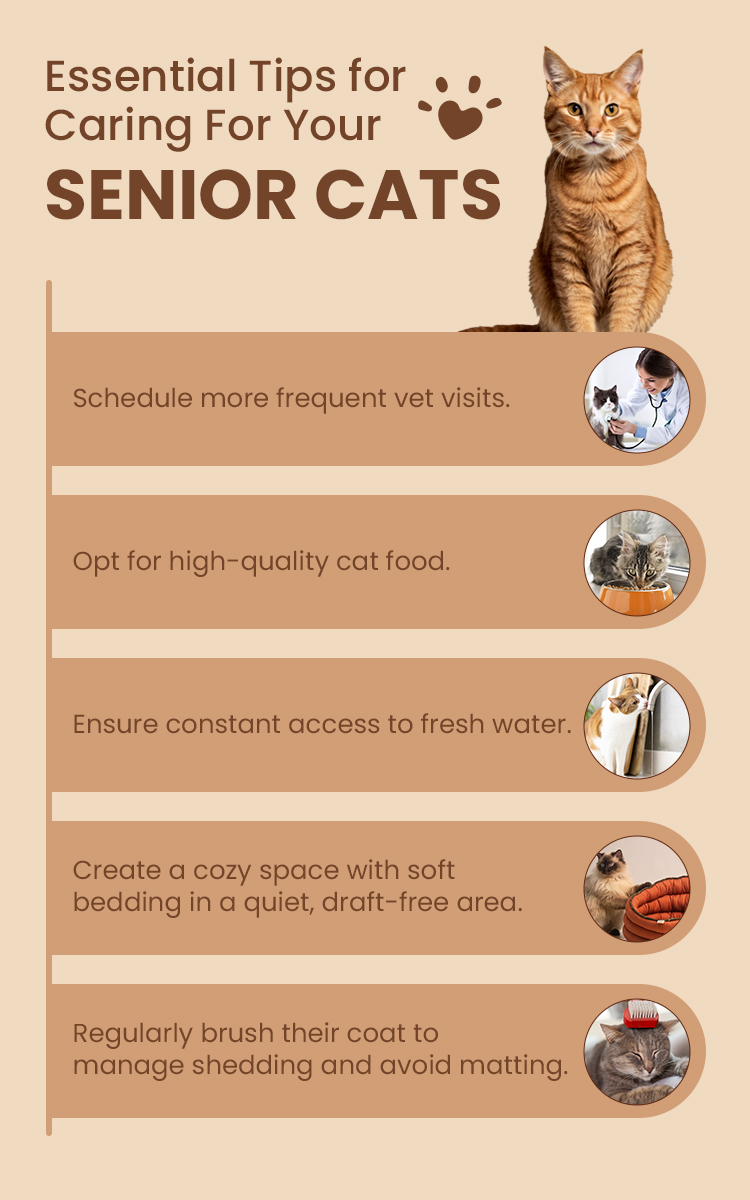
Yowling in elderly cats is a cry for help, not a behavioral flaw. The most important first step is scheduling a comprehensive veterinary exam to rule out medical conditions like hyperthyroidism, kidney disease, arthritis, and hypertension. These common senior cat ailments are often treatable, and addressing them can dramatically reduce or eliminate yowling.
Once medical causes are managed, focus on environmental modifications like nightlights, accessible litter boxes, and consistent layouts. Establish a predictable routine with evening play sessions and bedtime meals. Use calming aids like Feliway and consider cognitive support supplements or diets. If needed, discuss medication options like gabapentin with your vet.
Progress may be slow, but every step improves your cat’s comfort and dignity. You are not just stopping the noise. You are answering a call for care and helping your senior companion enjoy their golden years with love, safety, and quiet nights.
Frequently Asked Questions About Stopping Elderly Cat from Yowling
Why does my older cat yowl mostly at night?
Nighttime yowling in elderly cats often occurs because of cognitive decline, sensory loss, or medical conditions that cause discomfort. Senior cats may also reverse their sleep-wake cycles, becoming more active when the house is quiet and dark. Conditions like kidney disease and hyperthyroidism increase thirst and urination, disrupting sleep. Additionally, vision loss worsens in low light, causing disorientation that leads to vocalization.
Is yowling in senior cats a sign of dementia?
Yes, cognitive dysfunction syndrome, commonly called feline dementia, is a frequent cause of yowling in cats over 11 years old. Affected cats may become confused, forget where the litter box is, and vocalize excessively, especially during the night. They may stare at walls, get stuck in corners, or exhibit sundowning, where confusion worsens in evening hours. A veterinarian can help determine if cognitive decline is contributing to the behavior.
How do I know if my cat’s yowling is due to pain?
Pain-related yowling often occurs when your cat is moving, settling down, or attempting to find a comfortable position. Look for other signs like reluctance to jump, stiffness after rest, decreased grooming, or changes in appetite. Arthritis, dental disease, and other painful conditions are common in senior cats. A veterinary examination can identify pain sources that may be driving the vocalization.
Should I ignore my cat’s nighttime yowling?
Ignoring the yowling entirely is not recommended because it may signal an urgent need like pain, the need to urinate, or distress. However, you should avoid reinforcing the behavior by responding immediately with attention or food. Wait for a brief pause in vocalization before providing comfort or treats. This teaches your cat that quiet behavior, not yowling, results in what they want.
What veterinary tests should I request for a yowling senior cat?
Request a comprehensive senior exam including bloodwork with CBC, biochemistry, and thyroid T4 testing. Ask for urinalysis to check kidney function and a blood pressure measurement. The SDMA test can detect early kidney disease. Additional tests like X-rays for arthritis or dental exams under anesthesia may be recommended based on your cat’s symptoms.
Can supplements help reduce yowling in elderly cats?
Certain supplements may support cognitive health and reduce anxiety-related vocalization. Omega-3 fatty acids reduce brain inflammation. SAM-e supports liver and brain function. Antioxidants may slow cognitive decline. Prescription cognitive diets containing medium-chain triglycerides are specifically formulated for aging brains. Always consult your veterinarian before starting any supplements to ensure they are safe for your cat’s specific health conditions.