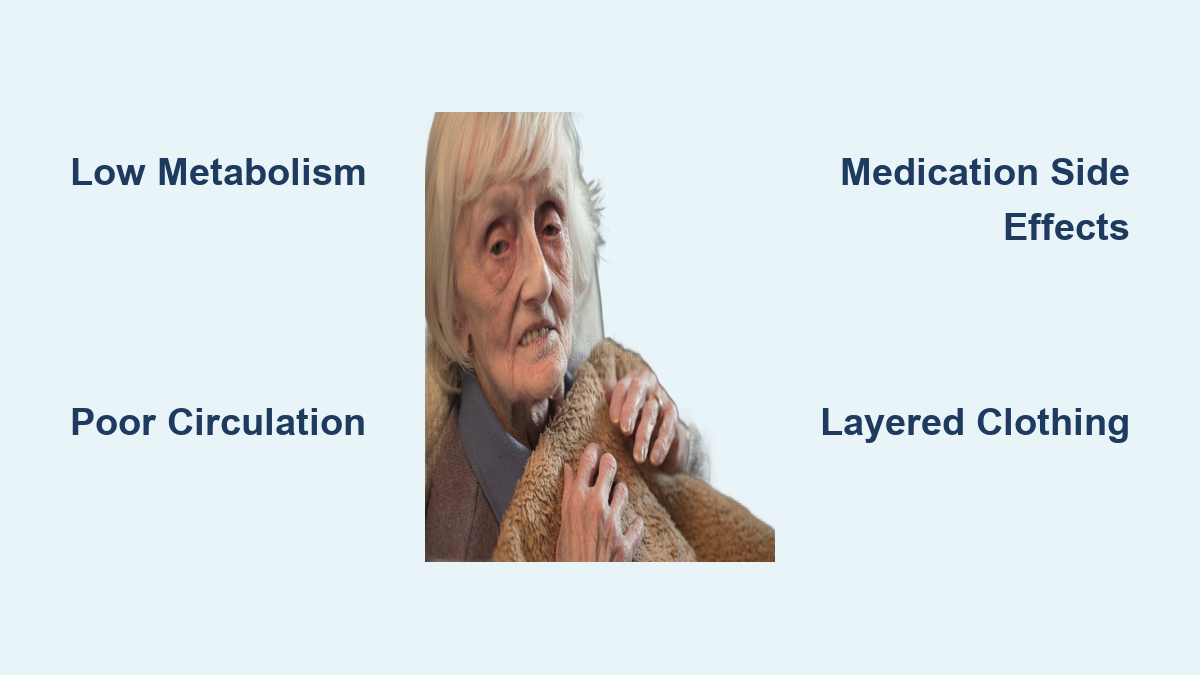
Many older adults feel cold more often and more intensely than they used to, and this is not just in their heads. The reason elderly get cold is rooted in real, measurable changes in the body’s ability to regulate temperature. Understanding why elderly get cold empowers families and caregivers to take practical steps to protect health and comfort during colder months.
This guide covers the biological changes, medical conditions, medications, and environmental factors that make older adults more sensitive to cold. You will also find actionable strategies to keep elderly loved ones warm, safe, and healthy.
How Aging Affects the Body’s Temperature Control
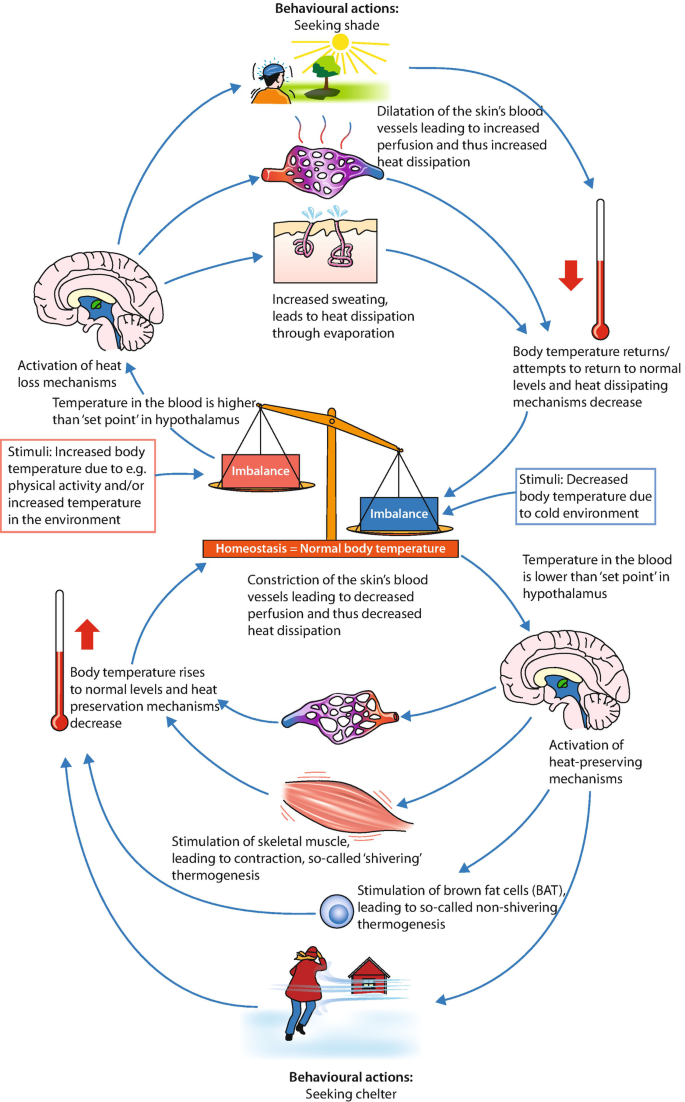
The human body loses its ability to stay warm as it ages. Key systems that once maintained a steady temperature become less effective, making older adults more sensitive to even mild cold.
Hypothalamus Slows Down With Age
The brain’s thermostat, located in the hypothalamus, becomes less responsive with age. It detects temperature changes more slowly and triggers heat-saving responses like shivering too late or too weakly. This delay means older people may not react to cold until their core temperature drops. Their natural 24-hour temperature rhythm also flattens, leading to lower baseline body heat, especially at night.
Metabolism Drops Each Year
After middle age, metabolic rate declines by about 1% per year. Since metabolism generates internal heat, this slowdown means less warmth from within. Muscle loss, known as sarcopenia, is a major driver of this decline. Muscle produces 25% of resting body heat, and people lose 10% of muscle mass per decade after age 50. Hormonal declines in thyroid, growth hormone, and testosterone further reduce energy and heat output.
Subcutaneous Fat Thins
The layer of fat beneath the skin acts as natural insulation. With age, this layer thins significantly, especially in arms, legs, and face. This loss allows heat to escape more easily into the environment. Fat redistribution toward the abdomen leaves extremities poorly protected. Thinner skin also brings blood vessels closer to the surface, increasing sensitivity to cold air and accelerating heat loss.
Blood Flow to Limbs Declines
Aging blood vessels lose elasticity, impairing their ability to control blood flow. In cold conditions, they over-constrict, severely limiting circulation to hands and feet. This chronic vasoconstriction causes persistent coldness in extremities. Conditions like peripheral artery disease worsen this by narrowing arteries, further cutting off warm blood supply to limbs.
Skin Becomes Thinner and Less Protective
Older skin becomes fragile, dry, and less elastic. With reduced underlying fat, it provides weaker thermal protection. This makes seniors feel temperature changes more acutely and lose heat faster, even in mildly cool rooms.
Hormonal Changes Disrupt Temperature Control
In women, menopause brings sharp drops in estrogen, which affects the hypothalamus. While hot flashes are common, many also experience sudden chills. These hormonal shifts add to other age-related changes, making temperature regulation unpredictable and increasing cold sensitivity.
Medical Conditions That Cause Cold Sensitivity

Several health issues common in older adults either mimic or worsen cold sensitivity. These conditions often require medical attention and can be treated.
Anemia Reduces Oxygen Delivery
Low red blood cell count means less oxygen reaches tissues. The body compensates by diverting blood from skin and extremities to vital organs, leaving hands and feet cold. Iron, B12, or folate deficiencies, common in seniors due to poor diet or absorption, can cause anemia. Symptoms include fatigue, paleness, and constant cold intolerance.
Hypothyroidism Slows Metabolism
An underactive thyroid reduces production of T3 and T4 hormones, slowing metabolism and heat generation. People with hypothyroidism often feel cold even in warm rooms. Other signs include weight gain, dry skin, and fatigue. It affects nearly 5% of the U.S. population, rising with age, and is frequently missed in elderly patients.
Heart Disease Limits Blood Flow
Heart failure, atherosclerosis, and coronary artery disease impair the heart’s ability to pump blood effectively. The body responds by restricting flow to the limbs, prioritizing the brain and heart. This causes chronically cold feet and legs. Peripheral artery disease specifically affects lower limbs and may cause pain when walking.
Diabetes Alters Sensation
Diabetic neuropathy damages nerves in hands and feet, leading to false sensations of coldness, numbness, or tingling, even when skin temperature is normal. Autonomic nerve damage also disrupts sweating and blood vessel control. Low blood sugar can trigger sudden cold feelings, especially after meals.
Kidney Disease Lowers Core Temperature
Chronic kidney disease allows toxins to build up in the blood, which can depress metabolism and lower body temperature. Kidney disease also causes secondary anemia due to reduced erythropoietin, compounding cold sensitivity. Advanced stages are linked to fatigue, coldness, and poor quality of life.
Parkinson’s Affects Body Control
Parkinson’s disease damages the nervous system, including autonomic functions that regulate temperature. Patients may experience excessive sweating or, conversely, cold intolerance. Impaired shivering and blood flow responses make it harder to warm up when chilled.
Depression Intensifies Cold Feelings
Mood disorders like depression can heighten physical discomfort, including cold perception. Seniors with depression may feel colder due to inactivity, poor self-care, or altered sensory processing. Social withdrawal and reduced movement further decrease body heat.
Raynaud’s Triggers Extremity Spasms
Raynaud’s disease causes sudden narrowing of small blood vessels in fingers and toes, usually triggered by cold or stress. Affected areas turn white or blue, feel icy, and may hurt. They warm up and flush red when circulation returns. It is more common in women and linked to autoimmune conditions.
Dementia Impairs Cold Awareness
People with dementia may not recognize they are cold or forget to dress warmly. Brain changes affect sensory processing and decision-making. They might resist wearing coats due to fabric discomfort or confusion. Caregivers must proactively manage clothing and environment to prevent hypothermia.
Medications That Make Seniors Feel Cold

Many drugs prescribed to older adults interfere with temperature regulation or reduce blood flow, increasing cold sensitivity.
Beta Blockers Cool Hands and Feet
Used for high blood pressure, heart disease, and arrhythmias, beta blockers reduce heart rate and cause peripheral vasoconstriction. This limits blood flow to extremities, causing chronically cold hands and feet. They also blunt the body’s shivering response, delaying warming in cold environments.
Blood Thinners Indirectly Worsen Cold
Warfarin and similar anticoagulants do not directly cause coldness but are often taken alongside conditions like atrial fibrillation that impair circulation. The underlying cardiovascular issues contribute more than the drug itself.
Sedatives Depress Brain Response
Benzodiazepines, opioids, and other central nervous system depressants can dull the hypothalamus ability to detect cold. They reduce metabolic rate and weaken shivering, making it harder to generate heat. Drowsiness also lowers awareness of environmental temperature.
Antipsychotics Disrupt Body Balance
Some psychiatric medications affect autonomic function, altering sweating and blood vessel tone. Drowsiness and immobility reduce heat production. Patients may not notice they are cold until symptoms worsen.
Diuretics Cause Dehydration
Commonly used for heart failure and hypertension, diuretics increase urine output, leading to fluid loss and lower blood volume. This impairs circulation and reduces perfusion to skin and limbs. Electrolyte imbalances further disrupt thermoregulation.
Lifestyle and Body Factors That Influence Cold Perception
Personal traits and daily habits influence how cold an elderly person feels, even in the same environment.
Women Feel Cold More Often
Older women report coldness more than men due to lower muscle mass, slower metabolism, and hormonal shifts after menopause. Body fat distribution, more subcutaneous fat, can insulate but also increase sensitivity to skin-level temperature changes.
Low Body Weight Increases Risk
Seniors with low BMI or minimal fat stores lack natural insulation. Thin individuals lose heat faster, especially in cool homes. Malnutrition or unintended weight loss heightens vulnerability to cold stress.
Dehydration Impairs Circulation
Reduced thirst sensation and diuretic use make dehydration common in older adults. Low fluid levels decrease blood volume, impairing delivery of warm blood to extremities. Even mild dehydration worsens cold perception.
Inactivity Reduces Heat Production
Sedentary lifestyles accelerate muscle loss and slow metabolism. Without regular movement, the body generates less heat and circulates it poorly. Light activity like walking or chair exercises can significantly improve warmth and circulation.
Environmental and Financial Barriers to Warmth
Where seniors live and how they heat their homes play a major role in cold exposure.
Fuel Poverty Forces Cold Homes
Many older adults limit heating to save money, a condition known as fuel poverty. Age UK reports 52% of seniors worry about winter costs. With rising energy prices and changes to benefits like the Winter Fuel Payment in 2024, more are living in homes below safe temperatures.
Indoor Heat Should Reach 68 to 70 Degrees
Experts recommend maintaining indoor temperatures of at least 68 to 70 degrees Fahrenheit for elderly individuals. Cooler homes increase hypothermia risk. Using programmable thermostats helps maintain steady warmth without wasting energy.
Poor Insulation Wastes Heat
Drafts, single-pane windows, and bare floors let heat escape. Simple fixes like weather stripping, thermal curtains, rugs, and door sweeps can make a home noticeably warmer. Sealing gaps reduces heating costs and improves comfort.
Wrong Clothing Increases Cold
Wearing thin or non-layered clothing reduces insulation. Tight garments can restrict blood flow, making hands and feet colder. Layering is key: moisture-wicking base, insulating middle, and windproof outer layers trap heat effectively.
Alcohol Creates False Warmth
Alcohol causes blood vessels in the skin to dilate, creating a sensation of warmth. But this increases heat loss from the core, raising hypothermia risk. Older adults should avoid alcohol in cold conditions or when feeling chilly.
Portable Heaters Pose Risks
Space heaters are tempting but risky. They can cause fires, carbon monoxide poisoning if gas-powered, or uneven heating. Safer options include heated blankets, central heating, and proper insulation.
Dangers of Chronic Cold Exposure in Seniors
Persistent coldness is not just uncomfortable. It can lead to serious health threats.
Hypothermia Is a Silent Killer
Hypothermia occurs when core body temperature drops below 95 degrees Fahrenheit. In seniors, shivering may be absent. Early signs include confusion, slurred speech, drowsiness, and cold, pale skin. A study in the Journal of the American Geriatrics Society found half of all hypothermia deaths occur in people over 65.
What to Do in a Hypothermia Emergency
Call emergency services immediately. Move the person to a warm area. Remove wet clothing. Wrap in dry blankets. Offer warm, non-alcoholic drinks if conscious. Avoid direct heat or massaging cold limbs, as this can trigger dangerous heart rhythms.
Coldness Leads to Inactivity
Chronic cold discourages movement, leading to muscle loss, poor balance, and higher fall risk. Reduced outdoor activity also contributes to social isolation and depression. Breaking this cycle with warmth and light exercise improves both physical and mental health.
How to Keep Elderly Warm and Safe
Effective strategies combine medical care, lifestyle changes, and environmental adjustments.
Dress in Smart Layers
Wear three layers. Base layer should be moisture-wicking fabric like wool or synthetic material. Middle layer should be insulating like fleece or down. Outer layer should be windproof and water-resistant. Add accessories like a hat, since up to 10% of body heat escapes through the head. Include gloves and insulated footwear. For dementia patients, use soft, non-irritating fabrics and introduce layers gradually.
Heat the Human, Not Just the Home
Money Saving Expert recommends focusing on personal warmth. Use heated blankets, thermal socks, and warm drinks instead of heating entire houses. This saves money and keeps the body warm where it matters.
Eat and Drink for Warmth
Stay hydrated, even without thirst. Warm fluids like herbal tea or broth boost internal heat. Eat balanced meals rich in protein, healthy fats, and complex carbs to fuel metabolism. Include warming spices like ginger, cinnamon, and turmeric. Avoid skipping meals, which lowers blood sugar and body temperature.
Move to Generate Heat
Regular activity increases circulation and warms the body. Try short walks, chair yoga or stretching, or light resistance exercises. Even 10 minutes every few hours helps. Dr. Lisa Patel of Johns Hopkins says light movement makes a real difference in how warm you feel.
Access Financial Support
Check eligibility for Winter Fuel Payment in the UK, which is tax-free help with heating bills. Look for cheaper energy tariffs like Economy 7. Explore charity programs offering free insulation, boiler repairs, or energy advice. These can reduce costs and improve home warmth.
Use Safe Warming Devices
Choose heated blankets over space heaters. Dehumidifiers reduce dampness, making the air feel warmer. Emerging tech like smart clothing or wearable thermostats offer personalized comfort.
Involve Caregivers in Warmth Management
Professional carers can monitor for hypothermia signs. They can help with dressing and layering. They can prepare warm meals and drinks. They can ensure safe, warm living conditions. They can encourage movement and social contact. Organizations like Helping Hands and Alina Homecare provide both practical and emotional support.
Frequently Asked Questions About Why Elderly Get Cold
Why do elderly people feel cold more than younger adults?
Elderly people feel cold more often because their bodies lose the ability to regulate temperature effectively. The hypothalamus becomes less responsive, metabolism slows, muscle mass decreases, and circulation to extremities declines. These changes are natural parts of aging but make older adults more sensitive to cold.
What medical conditions make elderly feel cold?
Several conditions cause or worsen cold sensitivity in seniors. Anemia reduces oxygen delivery to tissues. Hypothyroidism slows metabolism. Heart disease and peripheral artery disease limit blood flow. Diabetes causes nerve damage that alters sensation. Kidney disease, Parkinson’s, and dementia also affect temperature regulation. Treating these underlying conditions can reduce cold sensitivity.
Can medications make elderly feel cold?
Yes, many common medications increase cold sensitivity. Beta blockers cause peripheral vasoconstriction. Sedatives depress hypothalamic function. Diuretics lead to dehydration. Antipsychotics disrupt autonomic regulation. If cold sensitivity began after starting a new medication, discuss this with a doctor.
What is the safest way to warm an elderly person?
Dress in layered clothing with a moisture-wicking base, insulating middle, and windproof outer layer. Use heated blankets rather than space heaters. Maintain indoor temperatures of at least 68 to 70 degrees Fahrenheit. Stay active to generate body heat. Avoid alcohol, which creates false warmth and increases heat loss.
When is cold sensitivity in elderly a medical concern?
Cold sensitivity becomes concerning when it is sudden, severe, or accompanied by other symptoms like fatigue, weight changes, numbness, or confusion. It may indicate untreated medical conditions like anemia, hypothyroidism, or heart disease. Persistent coldness also increases hypothermia risk, which is a medical emergency in seniors.
Key Takeaways for Addressing Elderly Cold Sensitivity
Feeling cold in old age is common but not normal. It signals changes in the body that need attention. The primary reasons why elderly get cold include slowed metabolism, reduced circulation, thinning fat and skin, and medical conditions like anemia or hypothyroidism. Medications, low body weight, dehydration, and sedentary lifestyles also contribute. Environmental factors like fuel poverty and poor home insulation make the problem worse.
By understanding why elderly get cold, families and caregivers can take smart, effective steps. Dress in layered clothing. Maintain warm indoor temperatures. Stay active. Eat nutritious meals. Stay hydrated. Access financial support for heating costs. Address underlying medical conditions with a physician. Taking these steps keeps seniors warm, healthy, and safe throughout the year.