
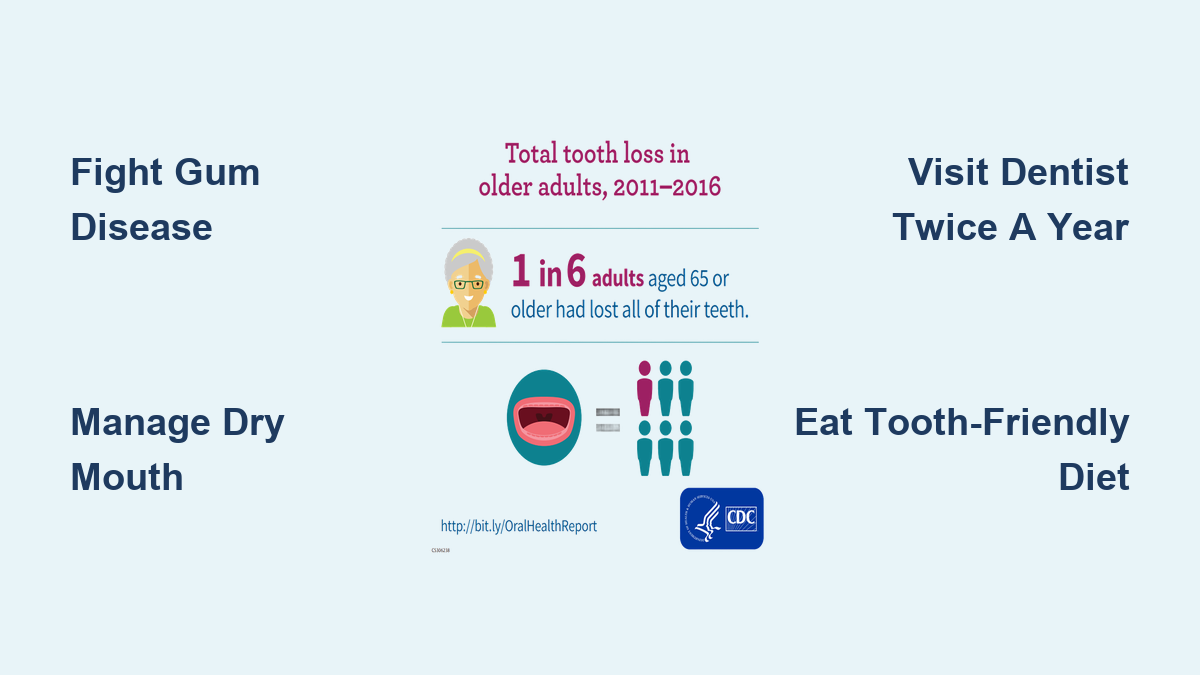
Tooth loss doesn’t have to be a normal part of aging. Despite common belief, seniors can keep their natural teeth for life with the right care. For many older adults, tooth loss stems not from age itself but from preventable conditions like gum disease, dry mouth, and poor oral hygiene, often worsened by medications, chronic illnesses, and limited access to dental care. The good news? Most causes of tooth loss in the elderly are manageable with early intervention and consistent habits.
Left unchecked, oral health problems can lead to more than just missing teeth. They’re linked to serious systemic issues like heart disease, diabetes complications, and pneumonia. But by adopting simple daily routines, visiting the dentist regularly, and addressing risk factors like dry mouth and diet, seniors can maintain strong, functional teeth well into their 70s, 80s, and beyond. This guide delivers actionable, evidence-based strategies to stop tooth loss before it starts.
Fight Gum Disease Before It Destroys Teeth

Periodontal disease is the number one cause of tooth loss in seniors. It begins silently with plaque buildup and progresses to inflamed gums, bone loss, and loose teeth, often without pain until damage is severe.
Recognize Early Warning Signs
Watch for these symptoms that indicate gum disease may be advancing:
• Gums that bleed when brushing or flossing
• Red, swollen, or tender gum tissue
• Receding gums making teeth appear longer
• Persistent bad breath that won’t go away
• Loose or shifting teeth
Catching gum disease early allows for non-surgical treatments like deep cleaning to halt progression and save teeth.
Stop Plaque Before It Hardens
Plaque turns into tartar within 48 hours if not removed. Once tartar forms, it cannot be brushed away and requires professional cleaning.
Daily prevention steps include:
• Brushing twice daily with a soft-bristled toothbrush and fluoride toothpaste
• Flossing every night to clean between teeth
• Using an antimicrobial mouth rinse
• Considering a water flosser if manual flossing is difficult
Seniors with arthritis or limited dexterity benefit greatly from electric toothbrushes with ergonomic handles.
Manage Dry Mouth to Protect Teeth
Dry mouth affects millions of older adults, mostly due to medications. With less saliva, the mouth loses its natural defense against decay and infection.
Identify Common Causes
Over 500 medications reduce saliva flow, including blood pressure drugs, antidepressants, antihistamines, diuretics, and pain relievers. Some drugs also cause gum overgrowth, especially around front teeth, requiring surgical correction.
Boost Saliva Naturally and Artificially
Lifestyle changes that help:
• Sipping water throughout the day
• Chewing sugar-free gum with xylitol to stimulate saliva
• Sucking on sugar-free lozenges
• Avoiding alcohol-based mouthwashes, caffeine, and tobacco
Medical solutions include:
• Artificial saliva sprays or gels like Biotène
• Discussing medication changes with your doctor
• In severe cases, prescriptions like pilocarpine to increase saliva production
Holding water in your mouth for a few seconds before swallowing provides immediate relief by coating oral tissues.
Visit the Dentist Twice a Year
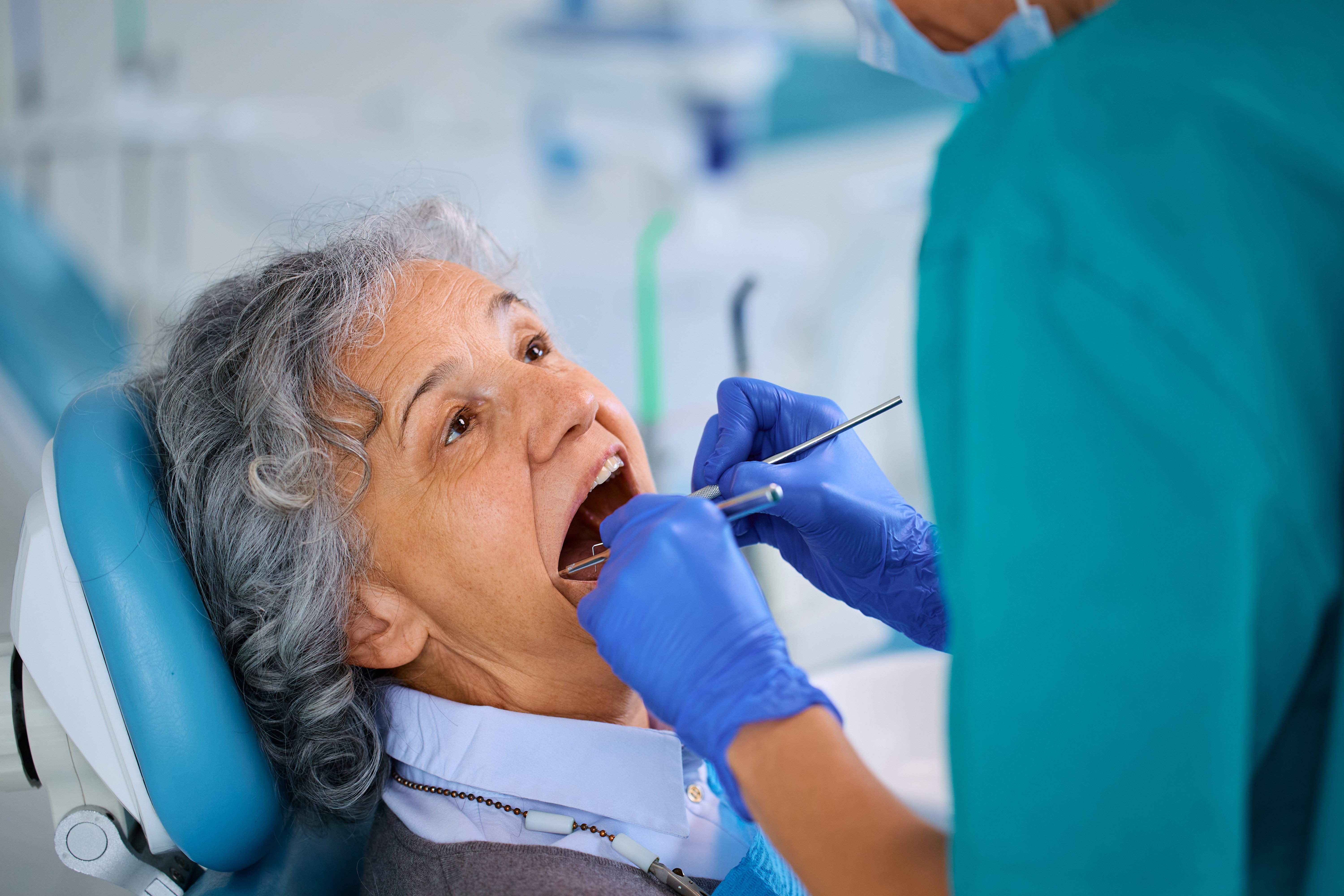
Regular checkups are critical for catching problems early, especially since nerve sensitivity declines with age. Pain often appears only after serious damage has already occurred.
What Happens at a Senior Dental Checkup
Every six months, expect a full oral exam for decay, cracks, gum disease, and oral cancer. Professional cleaning removes plaque and tartar that brushing misses. X-rays detect bone loss, hidden cavities, or root decay. Oral cancer screening checks lips, tongue, cheeks, and throat for red or white patches, lumps, or sores.
High-risk seniors with diabetes, dry mouth, or history of gum disease should visit every three to four months instead.
Eat a Tooth-Friendly Diet
What you eat directly impacts oral health. Sugary and acidic foods fuel bacteria that destroy enamel and irritate gums.
Avoid These Harmful Foods
Limit or avoid soda, sports drinks, sweetened teas, candy, cookies, pastries, citrus fruits, tomatoes, vinegar-heavy dressings, and sticky chewy carbs like dried fruit. These foods erode enamel and feed cavity-causing bacteria, especially dangerous when saliva is low.
Choose Nutrient-Rich Alternatives
Protect teeth with crunchy vegetables like carrots and celery that stimulate saliva and clean teeth. Leafy greens provide calcium and vitamins. Lean proteins support tissue repair. Low-fat dairy products are rich in calcium and phosphate. Fluoridated water strengthens enamel and washes away debris.
Replace Missing Teeth Immediately
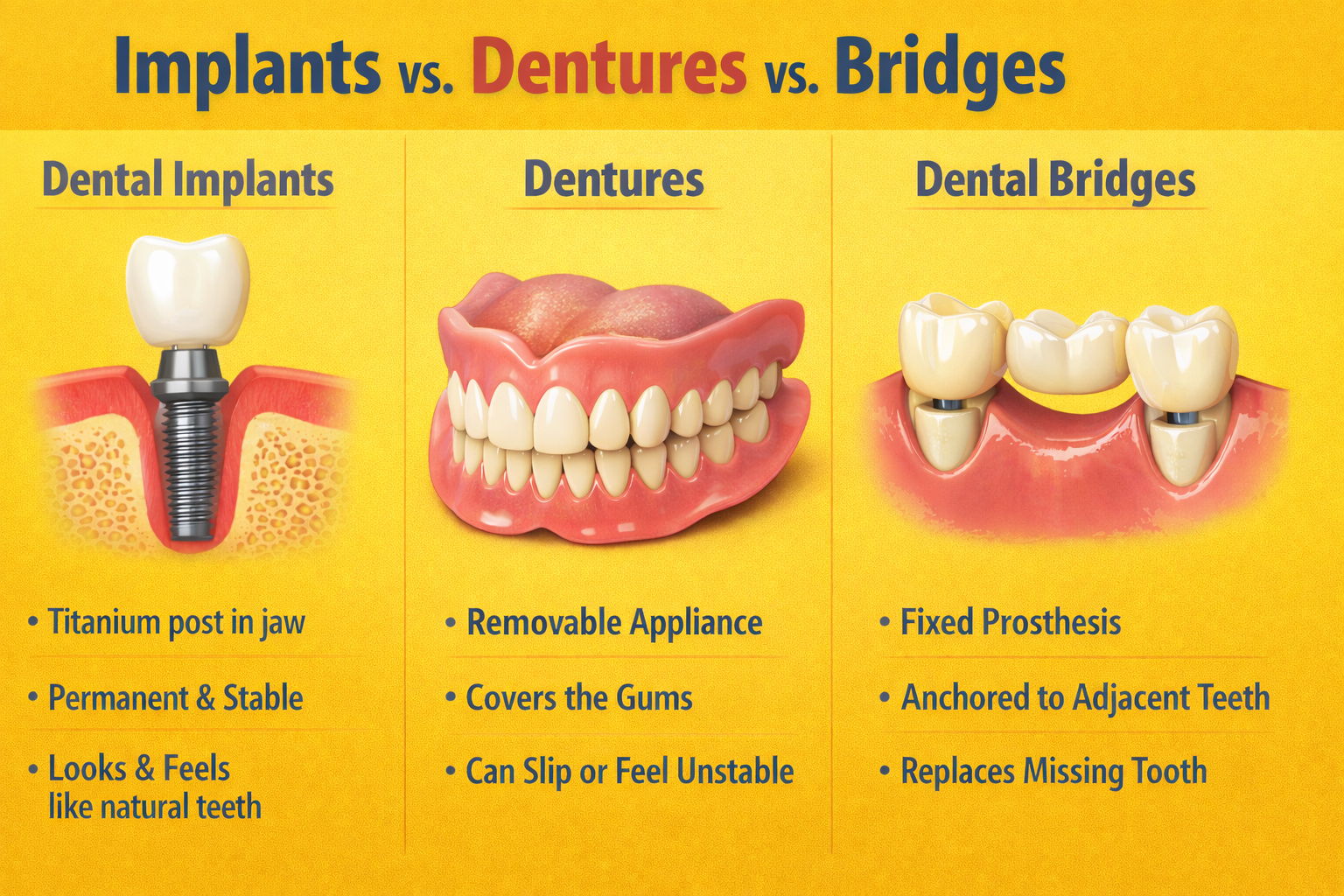
Losing even one tooth triggers a chain reaction. Neighboring teeth shift, bite alignment changes, and the jawbone begins to deteriorate.
Best Options for Tooth Replacement
Dental implants are the most durable option and prevent bone loss, though they require surgery and healing time. Bridges offer a fixed solution with good aesthetics but require filing down adjacent teeth. Dentures are affordable and removable but may need adjustments and can slip.
Why Speed Matters
Delaying replacement increases risk of misalignment, TMJ pain, further tooth loss, and facial sagging due to bone resorption. Get evaluated within six months of tooth loss to preserve bone and simplify treatment.
Prevent Decay on Exposed Roots
As gums recede with age, tooth roots become exposed. Unlike enamel, root surfaces have no protective layer, making them highly vulnerable to decay.
Use Fluoride Strategically
Root decay spreads fast and often goes unnoticed. Fight it with fluoride toothpaste twice daily, prescription-strength fluoride gel applied with a tray at night, and fluoride mouth rinse. Ask your dentist for a high-concentration fluoride treatment during visits, especially if you have dry mouth.
Watch for Hidden Cavities
Root cavities often form below the gumline, invisible to the eye. Only X-rays or probing detect them early. That is why regular dental visits are essential.
Control Chronic Health Conditions
Systemic diseases like diabetes and heart disease directly impact oral health.
Manage Diabetes for Gum Health
High blood sugar weakens gum blood vessels and increases infection risk. Gum disease makes insulin resistance worse, creating a two-way negative cycle. Keeping HbA1c under control reduces inflammation and improves healing time.
Understand the Mouth-Body Connection
Poor oral health is linked to heart disease, stroke, pneumonia, and even Alzheimer’s disease. Taking care of your mouth helps protect your entire body.
Protect Teeth from Grinding and Trauma
Teeth are not tools. Using them to open packages or crack shells causes chips, fractures, or even tooth loss.
Stop Nighttime Grinding
Grinding wears down enamel, loosens teeth, and strains jaw joints. Solutions include wearing a custom-fitted nightguard prescribed by your dentist, avoiding caffeine and alcohol before bed, and practicing stress-reduction techniques.
Prevent Accidental Damage
Never use teeth to cut tape, open bottles, or crack nuts. Wear a mouthguard during contact sports. Install night lights to prevent falls, especially for seniors with mobility issues.
Support Seniors with Physical or Cognitive Challenges
Arthritis, Parkinson’s, stroke, or dementia can make brushing and flossing nearly impossible without help.
Adapt Tools for Limited Dexterity
Caregivers can assist with electric toothbrushes with large easy-grip handles, floss holders or interdental brushes, water flossers for gentle cleaning, and adaptive devices like toothbrushes taped to a tennis ball for better grip.
Monitor for Silent Pain
Seniors may not report toothaches due to reduced pain sensitivity or cognitive decline. Check for swelling, redness, drooling, refusing to eat hard foods, or facial grimacing when chewing.
Care for Denture Wearers Properly
Dentures are not maintenance-free. Poor care leads to infections, bad breath, and tissue damage.
Daily Cleaning Routine
Brush dentures every day with a soft brush and denture cleaner, not toothpaste. Soak overnight in a cleaning solution. Rinse thoroughly before putting back in. Clean your mouth by brushing gums, tongue, and palate daily. Never sleep with dentures in.
Ensure Proper Fit
Ill-fitting dentures cause sores, difficulty eating, and speech problems. See your dentist annually and immediately if dentures slip, hurt, or feel loose. Dentures need relining or replacement every five to seven years as jawbone shrinks.
Overcome Financial and Access Barriers
Many seniors skip dental care due to cost. Nearly one in four over age 65 has not seen a dentist in five years.
Know Your Coverage Options
Original Medicare does not cover routine dental care. Medicare Advantage plans may include annual cleanings, X-rays, basic fillings, some extractions, and limited denture benefits. Check your plan details for specific coverage.
Affordable Alternatives
AARP dental insurance premiums range from $30 to $55 per month. Dental savings plans offer 10 to 60 percent off services. Many offices offer payment plans. Low-cost options include dental schools, community health centers, and VA hospitals.
Watch for Oral Cancer Warning Signs
Oral cancer risk increases with age, especially for smokers and drinkers.
Know the Red Flags
Seek immediate dental evaluation if you notice a sore that does not heal in two weeks, red or white patches in the mouth, lumps or thickened areas, numbness or pain, or difficulty chewing or swallowing.
Reduce Your Risk
Quit smoking, limit alcohol, get vaccinated against HPV, and attend regular oral cancer screenings during dental checkups.
Frequently Asked Questions About Preventing Tooth Loss in Elderly
Can seniors really keep their natural teeth for life?
Yes, tooth loss is not an inevitable part of aging. With proper daily oral hygiene, regular dental visits, and management of risk factors like dry mouth and gum disease, seniors can maintain their natural teeth well into their later years.
What is the most common cause of tooth loss in elderly adults?
Periodontal disease is the leading cause of tooth loss among adults over age 60. It begins with plaque buildup and progresses silently over decades, causing receding gums, wobbly teeth, and jawbone deterioration if left untreated.
How does dry mouth lead to tooth loss?
Dry mouth reduces saliva flow, which normally washes away food particles and neutralizes acids. Without adequate saliva, bacteria thrive, plaque builds up faster, and teeth become highly vulnerable to decay and gum disease.
How often should seniors visit the dentist?
Seniors should visit the dentist at least twice a year, every six months. Those with diabetes, gum disease, dry mouth, or a history of cavities should go every three to four months for closer monitoring.
What foods help prevent tooth loss in elderly?
Tooth-friendly foods include crunchy vegetables that stimulate saliva, leafy greens rich in calcium, lean proteins for tissue repair, low-fat dairy products, and fluoridated water. Limiting sugary and acidic foods protects enamel and reduces cavity risk.
Does Medicare cover dental care for seniors?
Original Medicare does not cover routine dental care. Some Medicare Advantage plans offer limited dental benefits, including annual cleanings and basic procedures. Coverage varies widely, so check your specific plan details.
Key Takeaways for Preventing Tooth Loss in Seniors

Tooth loss in the elderly is preventable, not inevitable. Maintaining daily oral hygiene with fluoride toothpaste and proper flossing techniques forms the foundation of protection against decay and gum disease. Managing dry mouth through water intake, sugar-free gum, and artificial saliva products helps combat the increased cavity risk from medication-induced dry mouth.
Regular dental visits every six months enable early detection of problems before they cause tooth loss. Addressing missing teeth promptly prevents the chain reaction of shifting, bite problems, and bone loss. Controlling chronic conditions like diabetes and protecting teeth from grinding or trauma round out a comprehensive prevention strategy.
Caregivers and family members play a vital role in supporting seniors with physical or cognitive challenges. By treating oral health as an essential part of overall wellness, older adults can preserve not just their smiles but their nutrition, independence, and confidence. Start today with these evidence-based strategies, and your natural teeth can last a lifetime.