
Low hemoglobin in older adults is not a normal part of aging. As many as 1 in 10 people over 65 live with anemia, often undiagnosed because symptoms like fatigue, dizziness, and weakness are wrongly attributed to getting older. But untreated anemia increases risks of falls, heart strain, hospitalization, and loss of independence. The good news is that hemoglobin levels can often be improved with targeted strategies. This guide breaks down proven, safe ways to boost hemoglobin in seniors through diet, supplements, medical treatments, and essential diagnostics.
Get Proper Diagnosis Before Treating Low Hemoglobin
Before attempting to raise hemoglobin, it is critical to understand why it is low. Anemia in the elderly is rarely due to a single factor and often stems from a mix of nutritional, chronic, and medical issues.
Rule Out Chronic Diseases First
Chronic conditions are among the most common causes of low hemoglobin in seniors. The body’s inflammatory response in long-term illnesses can suppress red blood cell production, leading to anemia of chronic disease. Common culprits include rheumatoid arthritis, heart failure, chronic kidney disease, diabetes, and cancer. In chronic kidney disease, the kidneys produce less erythropoietin, a hormone that signals the bone marrow to make red blood cells. This leads to a gradual drop in hemoglobin.
Check for Internal Bleeding
Iron deficiency is a top cause of low hemoglobin, but in the elderly it is rarely due to diet alone. More often, it is a sign of chronic blood loss, especially from the gastrointestinal tract. Common sources include peptic ulcers, colorectal cancer, angiodysplasia, and gastritis from long-term NSAID or aspirin use. A positive fecal occult blood test should always prompt further investigation, typically a colonoscopy and upper endoscopy, to find and treat the source.
Test for Nutritional Deficiencies
Deficiencies in iron, vitamin B12, and folate directly impair red blood cell formation. Testing is essential. Iron deficiency is diagnosed with low serum ferritin below 30 ng/mL and low transferrin saturation below 20 percent. Vitamin B12 deficiency is diagnosed when levels are below 200 pg/mL, with 200 to 300 pg/mL considered borderline. Folate deficiency is diagnosed when levels are below 3 ng/mL.
Optimize Iron-Rich Diet for Seniors
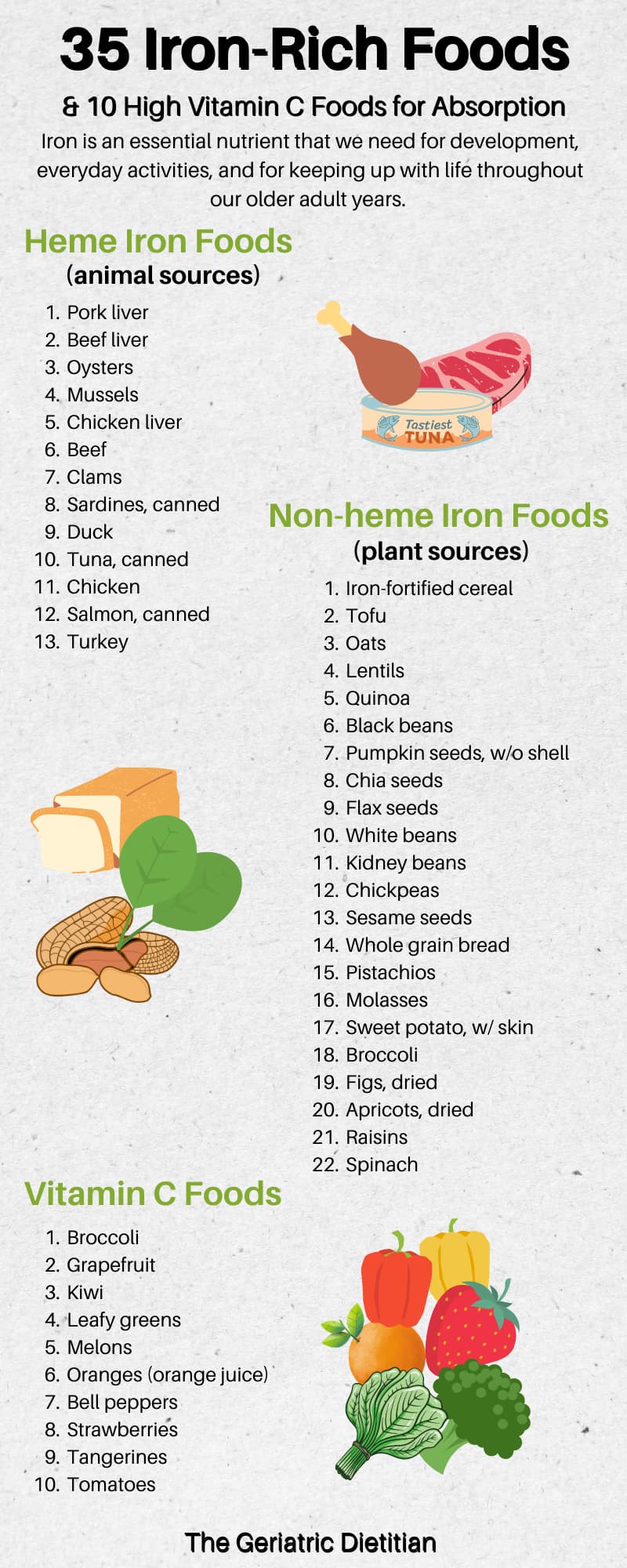
Food is the safest starting point to support hemoglobin production. Seniors often eat less or have reduced nutrient absorption, making dietary adjustments especially important.
Prioritize Heme Iron Sources
Heme iron from animal products is absorbed 2 to 3 times more efficiently than non-heme iron from plants. Include these foods regularly: lean red meat such as beef and lamb, poultry including chicken and turkey, fish such as salmon, tuna, and sardines, and shellfish including oysters and clams. Even small portions of 3 to 4 ounces per meal can make a difference. For older adults with reduced appetite, blending meats into soups or stews can improve intake.
Boost Plant-Based Iron Absorption
Non-heme iron sources are valuable but require smart pairing to enhance uptake. Good sources include lentils, beans, tofu, spinach, kale, Swiss chard, fortified cereals and whole grains, and pumpkin seeds. Pair with vitamin C to increase absorption by up to 300 percent. Good combinations include spinach salad with orange slices and lemon dressing, lentil soup with tomatoes, and oatmeal with strawberries. Avoid tea, coffee, and dairy within 1 to 2 hours of iron-rich meals, as tannins and calcium block absorption.
Use Iron Supplements Safely and Effectively

Supplements are effective, but only if iron deficiency is confirmed. Unnecessary iron can cause constipation, nausea, or even organ damage.
Choose the Right Iron Form
Common options include ferrous sulfate which provides 65 mg elemental iron per 325 mg tablet, ferrous gluconate which is weaker and gentler, and ferrous fumarate which has higher elemental iron. Take 150 to 200 mg elemental iron daily, split into two doses such as 325 mg ferrous sulfate twice daily.
Maximize Absorption and Minimize Side Effects
Take iron on an empty stomach, 30 to 60 minutes before meals, with vitamin C such as orange juice or 250 mg ascorbic acid. If stomach upset occurs, take with a small, non-dairy snack. Avoid calcium, antacids, and dairy within 2 hours of taking iron. Skip timed-release tablets because they bypass the duodenum and absorb poorly. Hemoglobin should rise by about 1 g/dL every 2 to 4 weeks. Recheck CBC and ferritin after 2 to 3 months.
Address Vitamin B12 and Folate Deficiencies
Low B12 and folate cause megaloblastic anemia, characterized by large, immature red blood cells that cannot carry oxygen effectively.
Increase B12 Intake
Seniors are at high risk due to reduced stomach acid and long-term PPI use. Good sources include beef, liver, fish, eggs, dairy, and fortified cereals for vegetarians. Supplementation options include oral B12 at 1,000 mcg daily, which is effective even with mild malabsorption, sublingual B12 which is convenient though not proven superior, and injections at 1,000 mcg weekly for 4 weeks then monthly, which is best for severe deficiency or neurological symptoms.
Add Folate-Rich Foods and Supplements
Folate deficiency is less common but still impactful. Include raw leafy greens such as spinach and romaine, broccoli, Brussels sprouts, bananas, oranges, and legumes. Supplement with 1 to 5 mg folic acid daily, but never start without ruling out B12 deficiency as it can mask nerve damage.
Consider Medical Treatments for Stubborn Anemia
When diet and supplements are not enough, medical interventions may be needed, especially in chronic disease-related anemia.
Explore Erythropoiesis-Stimulating Agents
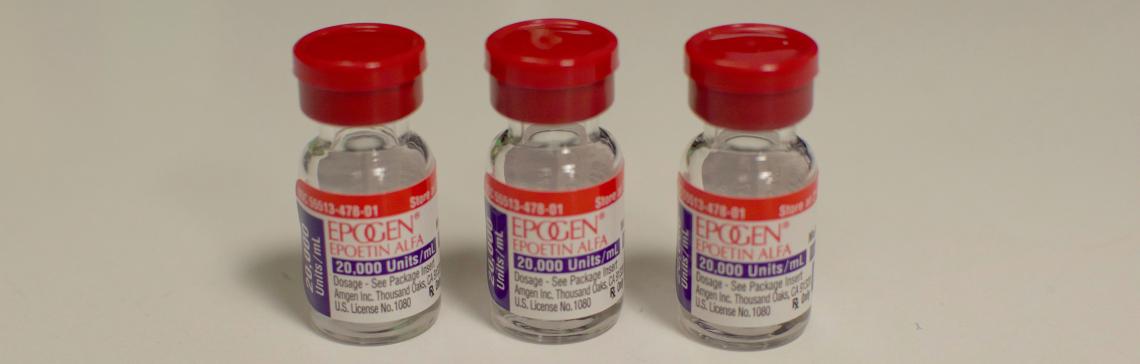
For seniors with chronic kidney disease, ESAs such as epoetin alfa or darbepoetin can boost red blood cell production. They are given by injection and require regular hemoglobin monitoring, adequate iron stores often needing IV iron, and blood pressure control since ESAs can raise blood pressure. These are not recommended for cancer-related anemia unless part of palliative care due to risks of blood clots and tumor progression.
Understand When Blood Transfusions Are Needed
Transfusions are for severe, symptomatic anemia with hemoglobin below 7 to 8 g/dL and symptoms including chest pain, severe shortness of breath, or dizziness. They provide rapid relief but are not a long-term fix. Risks include fluid overload, allergic reactions, and iron buildup over time.
Support Digestive Health for Better Absorption
Even the best diet will not help if nutrients are not absorbed. Digestive changes in aging can impair uptake of iron and B12.
Address Low Stomach Acid
Atrophic gastritis affects up to 30 percent of seniors, reducing acid needed to release B12 from food. If taking PPIs or H2 blockers, discuss alternatives with a doctor. Consider sublingual or injectable B12 and digestive enzymes with meals if approved by a physician.
Screen for Celiac or Malabsorption
Unexplained anemia may signal celiac disease or other gut disorders. Testing may include tissue transglutaminase antibodies and endoscopy with biopsy. If diagnosed, a strict gluten-free diet can reverse anemia over time.
Monitor Progress and Prevent Relapse
Improving hemoglobin is a process, not a quick fix. Ongoing monitoring ensures treatment works and prevents recurrence.
Track Blood Test Trends
Repeat CBC every 2 to 3 months during treatment. Check ferritin after hemoglobin normalizes to confirm iron stores are full. Keep a log of results to spot patterns. Aim to continue iron supplements for 3 to 6 months after hemoglobin returns to normal to rebuild iron reserves.
Avoid Common Mistakes
Do not self-treat with iron without a diagnosis because excess iron is dangerous. Do not ignore GI symptoms like dark stools, abdominal pain, or weight loss. Do not skip follow-up tests because anemia can return if the root cause is not fixed.
Empower Caregivers and Patients
Caregivers play a vital role in managing anemia, especially when memory, mobility, or appetite is limited.
Help with Meal Planning
Prepare iron- and B12-rich meals in advance such as iron-fortified oatmeal with berries, chicken and lentil stew with tomatoes, and smoothies with spinach, banana, and yogurt. Use small, frequent meals if appetite is poor.
Encourage Doctor Engagement
Seniors should ask their doctors whether medications could be causing anemia, whether a colonoscopy is needed, whether kidney function is normal, and when the next blood test will be. Bring a list of all medications and supplements to every visit.
Frequently Asked Questions About Increasing Hemoglobin in Elderly
What is a normal hemoglobin level for elderly adults?
Normal hemoglobin ranges differ by sex. For men, hemoglobin between 14 and 17 g/dL is normal, while for women, 12 to 15 g/dL is normal. Values below 13.5 g/dL for men and 12.0 g/dL for women indicate anemia.
How long does it take to raise hemoglobin with iron supplements?
Hemoglobin should rise by about 1 g/dL every 2 to 4 weeks when taking iron supplements correctly. It typically takes 2 to 3 months to see significant improvement, and treatment should continue for 3 to 6 months after hemoglobin normalizes to replenish iron stores.
Can diet alone increase hemoglobin in elderly?
Diet can support hemoglobin production and may轻度 improve mild cases, but diet alone is usually not sufficient if there is an underlying deficiency or chronic disease. Most elderly individuals with clinically low hemoglobin require a combination of dietary changes and targeted supplementation or medical treatment.
What foods are best for increasing hemoglobin in seniors?
The best foods include heme iron sources such as red meat, poultry, and fish, as well as non-heme iron sources like lentils and leafy greens when paired with vitamin C. Vitamin B12 sources such as beef, fish, eggs, and dairy, and folate sources like leafy greens and legumes are also important.
Is low hemoglobin dangerous in elderly?
Yes, low hemoglobin is dangerous in elderly individuals. It is associated with increased risk of falls, hospitalization, cardiovascular strain, loss of physical function, and overall mortality. It should never be dismissed as a normal part of aging.
When should an elderly person see a doctor for low hemoglobin?
An elderly person should see a doctor for low hemoglobin when experiencing persistent fatigue, weakness, dizziness, shortness of breath, or palpitations. Any signs of internal bleeding such as dark stools or unexplained weight loss require immediate medical attention.
Key Takeaways for Raising Hemoglobin in Seniors
Do not dismiss fatigue as normal aging because it may be anemia. Get tested with CBC, ferritin, B12, folate, CRP, and kidney function tests. Rule out GI bleeding with colonoscopy and upper endoscopy if iron deficiency is present. Eat more heme iron and pair plant iron with vitamin C to enhance absorption. Supplement only if deficient using proper dosing and timing. Treat underlying causes such as chronic kidney disease, inflammation, or ulcers. Monitor regularly and complete full treatment courses to prevent relapse.
With the right approach, most elderly individuals can see meaningful improvements in hemoglobin, leading to more energy, better mobility, and a stronger defense against illness. The key is acting early, diagnosing accurately, and treating the cause, not just the number.