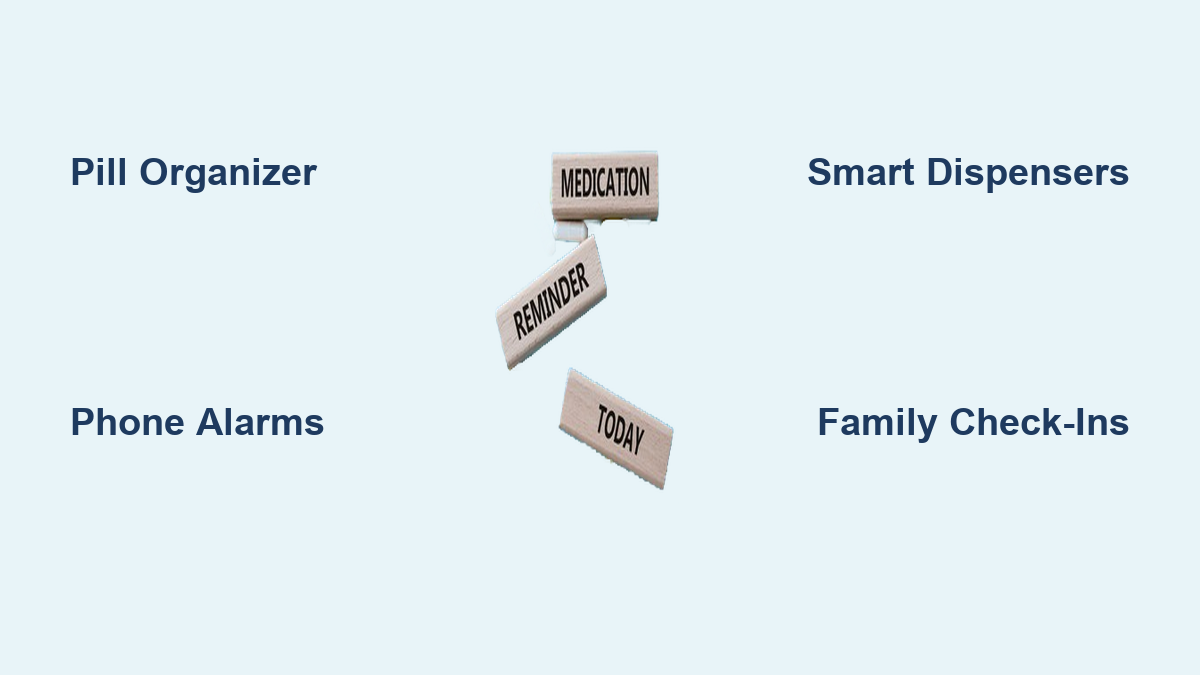
Forgetting to take medication is more than just an inconvenience. It can be dangerous, especially for seniors managing chronic conditions like diabetes, heart disease, or hypertension. Studies show that 50% of prescribed medications are not taken correctly, and among older adults, the consequences can be severe. With 66% of seniors taking five or more medications daily, the challenge is not just remembering to take a pill. It is knowing which one, when, and how.
This guide delivers actionable, easy-to-implement methods tailored to real-life challenges seniors face. You will learn how to build a foolproof system using habit stacking, visual tracking, automated reminders, and human support. These strategies are designed to promote safety, independence, and peace of mind.
Simplify the Medication Routine
Reducing complexity is the first and most powerful step in improving adherence. A crowded pill schedule increases confusion and errors, making it harder for seniors to stay on track.
Cut Down on Daily Doses
Work with a doctor or pharmacist to simplify the medication schedule. Switch to once-daily formulations when available. Combine medications that can be taken at the same time, such as all morning or evening pills. Eliminate unnecessary or redundant prescriptions. Fewer doses mean fewer chances to miss one.
Conduct a Medication Review
Schedule a Comprehensive Medication Review with a pharmacist at least once a year or whenever a new prescription is added. This review helps identify harmful drug interactions. It removes outdated or redundant medications. It also adjusts dosages based on current health. Many insurance plans cover this service at no cost.
Try Alternative Forms
For seniors who struggle with swallowing or opening bottles, consider alternative medication forms. Liquid medications or dissolvable tablets can make administration easier. Transdermal patches work well for pain or Parkinson’s. Monthly injectable treatments, such as those for diabetes, can replace daily pills. These options reduce physical barriers and simplify the routine.
Use Pill Organizers Daily

A pill organizer is one of the most effective tools for preventing missed or double doses. It provides a visual confirmation of what has been taken and what remains.
Choose the Right Type
Select an organizer that matches the senior’s specific needs. Weekly organizers work well for simple regimens. AM/PM or four-time organizers handle multiple daily doses. Push-button tops benefit those with arthritis or weak grip. Travel-sized organizers serve seniors who are frequently on the go. Fill the organizer once a week during a quiet time, such as Sunday morning.
Pre-Load with a Caregiver
Have a family member or helper fill the organizer weekly. This ensures correct pills in the right compartments. It prevents missed doses due to forgetfulness. It also provides a chance to spot expired or unused medications. Use color-coded stickers, blue for morning and red for bedtime, to make sorting easier.
Set Reliable Reminders
External cues compensate for memory gaps and keep routines on track. Relying on memory alone often leads to missed doses.
Use Phone Alarms
Set multiple alarms labeled clearly with the medication name and time. Use repeating alarms so they continue after the first few days. Label alarms as “Morning meds at 8 AM” or “Blood pressure pill at 10 PM” to reduce confusion.
Try Smart Speakers
Program Amazon Alexa or Google Home with voice commands for medication reminders. Say “Alexa, remind me to take my heart pill every day at 7 PM” or “Hey Google, ask Walgreens to refill my prescription.” These devices can also answer questions about side effects or drug interactions.
Install Reminder Apps
Several apps help seniors track their medications. Medisafe sends alerts and notifies caregivers if a dose is missed. MyTherapy tracks mood and symptoms alongside medications. Round Health uses photo identification to identify pills. Many of these apps sync with smartwatches for discreet vibration alerts.
Leverage Smart Dispensers
For seniors with memory issues or those living alone, automated devices offer peace of mind. These devices add a layer of protection beyond basic reminders.
Automatic Pill Dispensers
Devices like Hero Health or MedReady dispense the correct pills at the right time. They flash lights, sound loud alarms, or vibrate to alert the senior. They lock after release to prevent double dosing. Some models send real-time alerts to family members if a dose is skipped.
Wi-Fi Connected Monitoring
Smart dispensers with app access allow remote monitoring by caregivers. They generate adherence reports for doctor visits. They track refills and can even auto-order medications. These features are ideal for adult children who live far away.
Create a Master Medication List
A complete, up-to-date list prevents errors and speeds up emergency care. First responders rely on these lists during emergencies.
What to Include
For each medication, record the name including both brand and generic. Include the dosage such as 10 mg tablet. Note the time and frequency, such as twice daily with food. Record the purpose, for example, lowers blood pressure. Include the prescribing doctor and pharmacy contact. Note side effects to watch for.
Keep It Accessible
Store a printed copy in a wallet or on the refrigerator. Save a digital version on a phone or cloud storage. Bring the list to every medical appointment. Update it whenever medications change.
Build Habits Around Daily Routines

Linking medication to existing habits makes it automatic. Consistency turns action into habit, reducing reliance on memory.
Pair with Morning or Night Rituals
Take pills after brushing teeth. Swallow medications with breakfast or dinner. Use coffee time or evening news as a trigger. The key is consistency. Once paired for several weeks, the routine becomes second nature.
Place Pills in Sight
Keep the pill organizer on the kitchen table during meals. Place it next to the toothbrush in the bathroom. However, avoid storing in bathrooms because humidity damages pills. Choose a visible but secure location that aligns with daily activities.
Engage Human Support Systems
Even the best technology cannot replace personal connection. Human support provides accountability and emotional reinforcement.
Hire a Home Helper
Services like Visiting Angels or Herewith provide daily medication reminders. They assist with opening bottles or filling organizers. They offer gentle accountability and companionship. Helpers cannot administer medications but can ensure they are taken.
Family Check-Ins
Schedule a daily or weekly call to ask about medication compliance. Questions like “Did you take your morning pills?” or “Are you running low on anything?” work well. Even a quick text can reinforce adherence and catch problems early.
Use Shared Tracking Apps
Apps like CareZone or Medisafe allow family members to see when doses are logged. They send automatic alerts for missed pills. They provide secure messaging between caregivers. This transparency keeps everyone informed without intrusive monitoring.
Use Pharmacy Support Services
Pharmacies offer tools many families do not know about. These services can significantly reduce the burden of medication management.
Medication Synchronization
This program aligns all prescription refill dates to one monthly pickup day. It reduces trips to the pharmacy. It prevents gaps in treatment caused by missed refills. Ask the pharmacist to enroll.
Home Delivery and Refill Alerts
Sign up for automatic refills. Enable text or email reminders before prescriptions run out. Many chains like CVS, Walgreens, and PillPack offer free home delivery. This eliminates the need to remember or travel to pick up medications.
Large-Print Labels and Color Coding
Request enlarged labels for low vision. Ask for color-coded stickers, such as green for heart medications and yellow for diabetes drugs. Blister packs with time and day labels make identification easier and safer.
Prevent Common Medication Errors
Mistakes happen, but most are preventable with the right systems in place.
Avoid Double Dosing
Seniors often take a pill, forget they took it, and take another. Prevent this by using a daily checklist or app to mark off doses. Place pills in a separate cup after taking. Use a locked smart dispenser that only opens once per dose.
Stop Using Expired Medications
Do a monthly cabinet check. Remove outdated pills. Dispose of them safely at pharmacy drop-off boxes or community take-back events. Replace medications as needed.
Watch for Dangerous Mixes
Grapefruit juice with statins or ibuprofen with blood thinners can be risky. Use apps like Medisafe or MyTherapy to flag potential interactions. Keep a list of foods to avoid for each medication.
Store and Dispose Safely
Proper handling protects both health and safety.
Store Medications Correctly
Keep medications in original containers with labels. Store in a cool, dry place, not the bathroom or near the stove. Use a locked cabinet if dementia is a concern.
Dispose of Unused Pills Properly
Never flush or trash medications. Use a pharmacy drop-off box. Attend a community take-back event. Follow FDA guidelines by mixing with coffee grounds or cat litter before discarding.
Travel with Medications Safely
Staying on schedule while away requires planning and preparation.
Pack Smart
Bring extra doses in case of delays. Keep medications in carry-on luggage. Use a portable pill organizer for easy access during travel.
Carry a Medication List
Have a wallet-sized list with drug names and dosages. Include doctor and pharmacy contacts. List allergies and emergency information. This is essential for airport security and medical emergencies.
Monitor and Adjust Regularly
Adherence systems need maintenance to stay effective over time.
Do Monthly Pill Counts
Compare remaining pills to expected usage. If too many are gone, double dosing may be occurring. If too many remain, missed doses are likely.
Review Tools Annually
As health or abilities change, the system should change too. Ask whether the pill organizer is still easy to use. Check if reminders are being ignored. Determine if a smart dispenser is needed now.
Watch for Warning Signs
Seek help if the senior frequently forgets doses. Confusion about medications is a red flag. Running out too soon suggests double dosing. New dizziness, confusion, or falls may indicate medication issues. These require immediate attention.
Customize by Senior’s Needs
One size does not fit all. Match solutions to the individual’s abilities and situation.
For Memory Issues
Use blister packs or smart dispensers. Add daily check-ins with a caregiver. Post large-print reminder signs in visible locations.
For Arthritis or Weak Hands
Choose push-button organizers. Use easy-open bottles or pre-sorted pouches. Store medications within easy reach.
For Seniors Living Alone
Set up remote monitoring apps. Enroll in home delivery and medication synchronization. Schedule daily calls or visits for accountability.
For Low-Income Seniors
Switch to generic drugs to reduce costs. Use GoodRx coupons or manufacturer assistance programs. Get 90-day supplies by mail for lower costs and convenience.
Frequently Asked Questions About Reminding Seniors to Take Medication
What is the most effective way to remind seniors to take their medications?
The most effective approach combines multiple methods. Use a pill organizer paired with phone alarms or smart speaker reminders. Add weekly check-ins with a family member or caregiver. This redundancy ensures that if one method fails, another catches the missed dose.
How can I help a senior who refuses to take their medication?
Start by understanding the reason for refusal. Fear of side effects, denial about their condition, or confusion about purpose are common causes. Consult with their doctor about simplifying the regimen or trying alternative forms. Involve them in the solution rather than dictating terms.
What should I do if a senior double-doses accidentally?
Monitor for symptoms of overdose such as nausea, rapid heartbeat, or dizziness. Contact the prescribing doctor or poison control immediately. Use a locked smart dispenser or separate cup system to prevent future occurrences. Document the incident to share with healthcare providers.
Are medication reminder apps effective for seniors?
Yes, apps like Medisafe and MyTherapy are effective when seniors are comfortable with smartphones. Choose apps with simple interfaces and large text. Many allow caregiver monitoring, sending alerts when doses are missed. Pair app use with other methods for best results.
How often should medication routines be reviewed?
Review the complete medication routine every six to twelve months with a doctor or pharmacist. Update the medication list whenever prescriptions change. Reassess the tools being used annually to ensure they still meet the senior’s needs as abilities change.
What if a senior lives alone and has no family nearby?
Use smart dispensers with Wi-Fi connectivity that send alerts to designated contacts. Enroll in pharmacy delivery and medication synchronization services. Schedule regular check-in calls with friends, neighbors, or professional caregivers. Consider a medical alert system with medication features.
Key Takeaways for Helping Seniors Take Medication

The best medication adherence system combines simplicity, redundancy, and support. Start with a pill organizer and phone alarms. Add a medication list and weekly check-in. Then layer in technology or professional help as needed. By using even a few of these strategies, you can help a senior stay healthy, independent, and out of the hospital. One pill at a time makes a difference.