
You may have noticed an older loved one frequently sticking their tongue out, perhaps at rest or during conversation. While it might seem like a harmless quirk, this behavior is not a normal part of aging. Persistent tongue protrusion in the elderly is often a visible sign of underlying neurological problems, medication side effects, or swallowing difficulties. Understanding why this happens helps caregivers and family members respond appropriately, seek proper medical evaluation, and reduce risks like choking or aspiration. This guide breaks down the real causes, warning signs, and actionable steps you can take.
Neurological Causes of Tongue Protrusion in Older Adults
The brain’s ability to control movement declines with certain diseases, leading to involuntary actions like tongue sticking out. These are not choices but symptoms of deeper dysfunction.
Re-emergence of Infant Reflexes
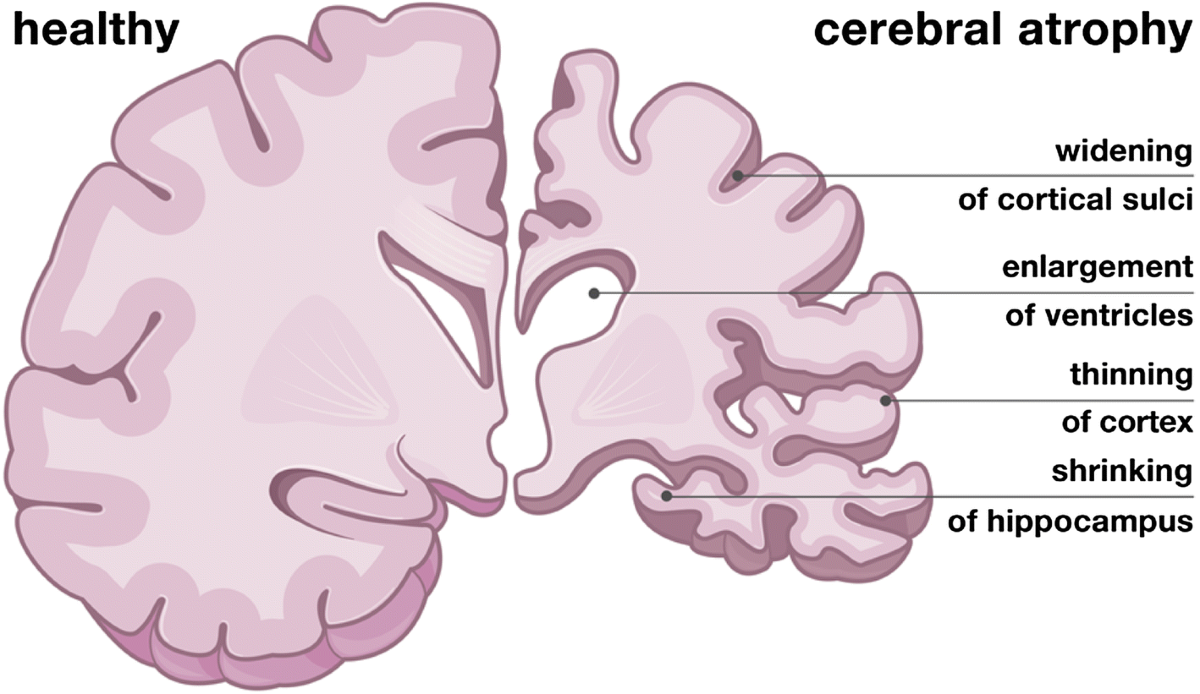
In babies, the tongue protrusion reflex helps push objects like spoons out of the mouth during early feeding. By six months, healthy development suppresses this reflex through cortical brain control. In elderly individuals, the reflex can return due to loss of inhibition from brain atrophy, especially in the frontal lobes. When the brain can no longer suppress primitive reflexes, tongue thrusting occurs without intent, often at rest or during speech. Clinicians use this reflex as a quick, non-invasive clue during dementia assessments.
Link to Dementia and Cognitive Decline
Different types of dementia affect oral motor control in distinct ways. Alzheimer’s disease typically shows tongue protrusion in moderate to late stages, alongside dysphagia and reduced facial expression. Frontotemporal dementia features early hyperorality, including mouthing objects, lip-licking, and persistent tongue movements due to frontal lobe damage. Dementia with Lewy bodies combines early parkinsonism with frequent orofacial dyskinesias, including tongue darting. These behaviors stem from impaired executive function, making it hard to start, stop, or regulate actions.
Stroke and Nerve Damage Effects

A stroke affecting the brainstem or motor cortex can disrupt signals to the tongue, resulting in poor control and persistent protrusion.
Hypoglossal Nerve Involvement
The hypoglossal nerve controls voluntary tongue movement. Damage from stroke, tumors, or trauma can lead to weakness or paralysis on one side of the tongue, deviation to the affected side when protruded, and inability to retract the tongue fully after speaking or swallowing. This asymmetry is a key diagnostic clue that signals lower motor neuron damage and requires urgent neuroimaging.
Post-Stroke Awareness Issues
After a stroke, patients may not realize their tongue is outside their mouth due to reduced sensory feedback. This lack of awareness increases the risk of injury, dryness, and aspiration. Combined with facial weakness and poor lip seal, the tongue may remain protruded, especially during fatigue or distraction.
Medication-Induced Tongue Movements
Certain drugs, especially those used in dementia or psychiatric care, can trigger involuntary tongue protrusion as a side effect.
Tardive Dyskinesia from Antipsychotics
Long-term use of dopamine-blocking antipsychotics like haloperidol, risperidone, or olanzapine raises the risk of tardive dyskinesia. This condition causes repetitive, uncontrollable movements of the face and mouth, including tongue darting or twisting, lip-smacking and grimacing, and chewing motions without food. These movements may persist even after stopping the medication and can be irreversible. Any new onset of tongue protrusion in a medicated patient should prompt an immediate medication review.
Other Contributing Medications
Benzodiazepines and sedatives reduce muscle tone and alertness, leading to slack jaw and tongue drop. Anticholinergics, found in many bladder, allergy, and psychiatric drugs, cause dry mouth, prompting increased tongue movement to moisten the mouth. Antidepressants and antihistamines also contribute to oral discomfort and xerostomia. Reduced saliva makes food harder to manage, indirectly encouraging compensatory tongue behaviors.
Dysphagia and Swallowing Complications

Difficulty swallowing affects up to 80 percent of people with advanced dementia and is a major cause of tongue protrusion.
Tongue’s Role in Swallowing
During normal swallowing, the tongue presses food against the palate and pushes it back into the throat. With oromotor weakness, this process fails. The tongue may protrude to manipulate food, fail to retract after swallowing, or leave food pocketed in the cheeks. Over time, these compensatory actions become habitual, even occurring when not eating.
High Risk of Aspiration
Poor bolus control increases the chance that food or saliva enters the airway. This aspiration can lead to aspiration pneumonia, a leading cause of death in elderly patients. Signs include wet-sounding voice, coughing after swallowing, or recurrent chest infections. Anyone with tongue protrusion and swallowing issues should undergo a swallowing assessment by a speech-language pathologist.
Oral Health and Structural Factors
Dental problems and age-related changes can alter how the tongue rests in the mouth.
Poor Denture Fit and Tooth Loss
Missing teeth or ill-fitting dentures reduce chewing efficiency and stability. The tongue may push forward to hold loose dentures in place, help form food into a bolus, or compensate for lack of support. Over time, this becomes a learned posture, even at rest.
Reduced Lip and Cheek Tone
Aging and neurological disease weaken facial muscles, making it harder to keep the lips sealed. This loss of lip seal allows the tongue to rest between or outside the teeth. Without self-monitoring, common in dementia, this posture persists.
Behavioral and Sensory Influences
Not all tongue protrusion is purely neurological. Some factors involve habit, sensation, or environment.
Dry Mouth and Oral Discomfort
Xerostomia is common in older adults due to medications, dehydration, or diseases like diabetes and Sjögren’s syndrome. A dry mouth leads to tongue licking or protrusion to moisten lips, cracked skin and irritation, and increased reliance on tongue movement. Solutions include sugar-free lozenges, artificial saliva, and nighttime humidifiers.
Nervous Habits and Stress Behaviors
In some cases, tongue thrusting is a stress-related habit, similar to nail-biting. It may appear or worsen during agitation, fatigue, or sensory overload, common in dementia care settings. Associated behaviors include teeth grinding, jaw clenching, and repetitive lip movements. These are often subconscious attempts to self-soothe.
Clinical Red Flags and When to Act
Tongue protrusion should never be dismissed as just part of aging. Certain signs demand medical attention.
Warning Signs to Watch For
Watch for tongue sticking out at rest or during conversation, repetitive darting or twisting of the tongue, deviation to one side when protruded, coughing or choking during meals, food pocketing in cheeks, wet-sounding voice after swallowing, and sudden onset after starting a new medication. These indicate possible neurological disease, stroke, or drug side effects.
Need for Interdisciplinary Evaluation
A full assessment should include a neurological exam to check cranial nerves, reflexes, and motor function, a medication review to identify dopamine blockers or anticholinergics, brain imaging like MRI or CT to detect atrophy or stroke, a speech-language pathology evaluation to assess swallowing safety, and a dental exam to evaluate dentures, tooth loss, pain, or infection.
Caregiver Support and Management Strategies
Supporting someone with involuntary tongue protrusion requires patience, education, and practical steps.
Do’s and Don’ts for Caregivers
Do use gentle prompts like “Let’s keep your lips together.” Do not scold or correct because these movements are not intentional. Do ensure upright posture during meals at a 90-degree angle. Do not rush meals. Do offer frequent sips of water to combat dry mouth. Do not ignore signs of choking or weight loss.
Environmental Adjustments
Use chairs with head and neck support. Minimize distractions during eating. Ensure good lighting and quiet surroundings. Provide soft, easy-to-chew foods if needed.
Treatment and Intervention Options
While some causes cannot be reversed, interventions can improve safety and comfort.
Medical and Pharmacological Review
Discontinue or switch high-risk antipsychotics if tardive dyskinesia is suspected. Replace anticholinergics with safer alternatives when possible. Treat dry mouth with saliva substitutes or hydration strategies. Consider TD-specific drugs like valbenazine in severe cases.
Speech and Swallowing Therapy
A speech-language pathologist can provide oromotor exercises if strength allows, swallowing strategies like chin tuck and double swallow, diet modifications including thickened liquids and pureed foods, and postural training to improve head and neck control. Therapy focuses on safety, not cure, especially in advanced disease.
Dental and Oral Care
Schedule regular dental visits. Refit or replace ill-fitting dentures. Maintain oral hygiene to prevent infection. Use lip balm for dry, cracked lips.
Frequently Asked Questions About Elderly Tongue Protrusion
Is tongue protrusion a normal part of aging?
No, persistent tongue protrusion is not a normal age-related change. While some oral changes occur with aging, involuntary tongue sticking out usually indicates underlying neurological, physiological, or medication-related issues that require medical evaluation.
Can medications cause elderly people to stick their tongue out?
Yes, certain medications can cause this behavior. Antipsychotics used for dementia or psychiatric conditions can trigger tardive dyskinesia, causing involuntary tongue movements. Other medications like benzodiazepines, anticholinergics, and some antidepressants may also contribute by causing dry mouth or reducing muscle tone.
Does tongue protrusion always mean dementia?
No, but it is a common sign in dementia patients, particularly in moderate to late stages of Alzheimer’s, and earlier in frontotemporal dementia. Tongue protrusion can also indicate stroke, Parkinson’s disease, medication side effects, or swallowing difficulties. A proper medical evaluation is necessary to determine the cause.
When should I seek medical help for tongue protrusion?
Seek immediate medical attention if tongue protrusion appears suddenly, if the tongue deviates to one side, if there is coughing or choking during meals, if there are signs of aspiration like wet voice after swallowing, or if tongue protrusion starts after beginning a new medication.
Can tongue protrusion lead to serious health complications?
Yes, tongue protrusion often accompanies dysphagia, which increases the risk of aspiration pneumonia, a leading cause of death in elderly patients. It can also contribute to malnutrition, dehydration, and oral health problems. Early evaluation and management are essential.
Key Takeaways for Understanding and Addressing Elderly Tongue Protrusion
Persistent tongue protrusion in the elderly is a visible red flag, not a harmless quirk. It signals underlying brain changes, medication side effects, or swallowing risks that require attention. The most common causes include neurological decline like dementia and stroke, re-emergence of infant reflexes due to cortical atrophy, medication-induced movement disorders like tardive dyskinesia, and swallowing difficulties that increase aspiration risk. If you observe this behavior, especially with confusion, weakness, or swallowing issues, seek a medical evaluation promptly. A team approach involving neurology, speech therapy, dentistry, and geriatrics offers the best path forward for safety and quality of life.