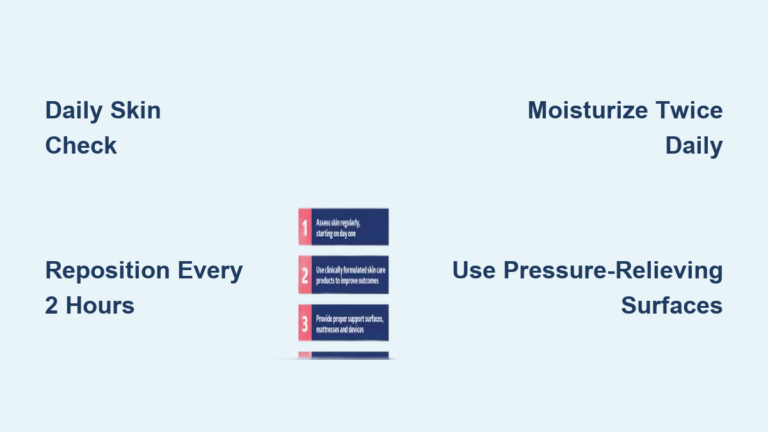
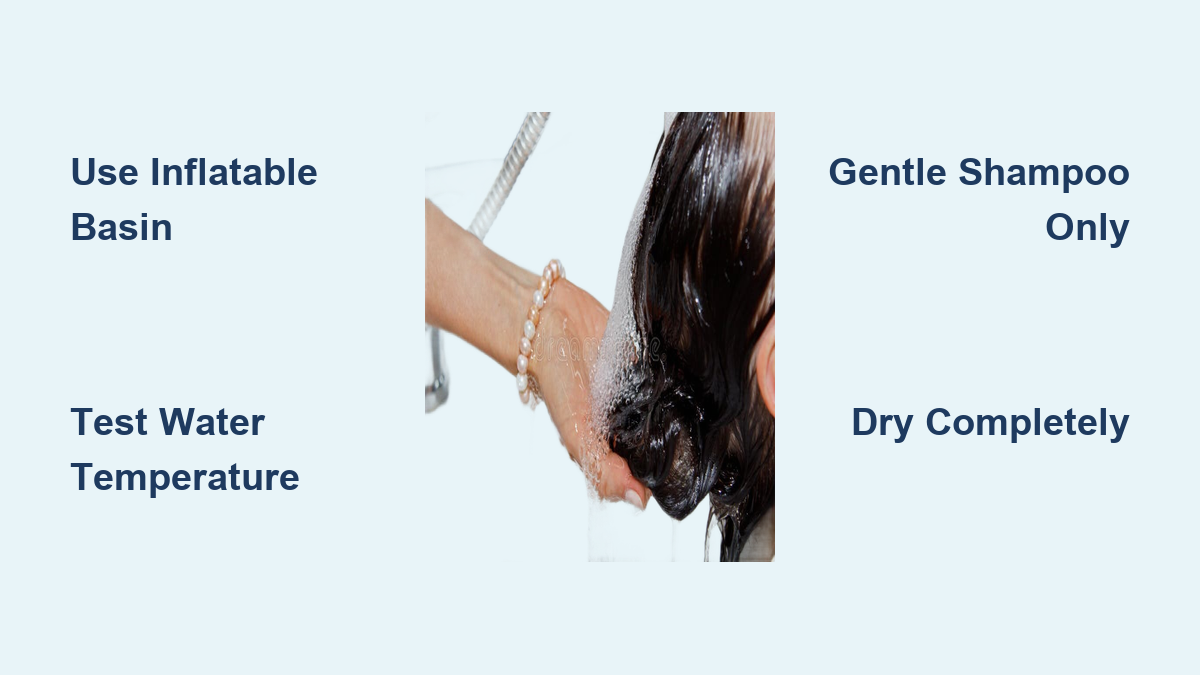
Washing a senior’s hair may seem simple, but for older adults with mobility issues, dementia, or medical conditions, it can become uncomfortable, confusing, or even frightening. Whether you’re a family caregiver or a professional, knowing how to wash a senior’s hair safely while preserving their comfort and dignity is essential. This guide delivers step-by-step methods for every situation, from bedridden individuals to those who resist washing. You’ll learn which tools work best, how to prevent skin breakdown, adapt to cognitive changes, and choose the right products.
Prepare the Environment and Supplies
Before touching a senior’s hair, set up everything you need. A smooth, stress-free process starts with preparation.
Gather Essential Tools
Having the right supplies on hand prevents interruptions and keeps the senior calm. Use this checklist.
• Waterproof mattress pad to protect bedding during in-bed washing
• Soft towels for drying hair and draping over shoulders
• Wide-tooth comb or detangling brush to prevent breakage
• Mild shampoo like Johnson’s baby shampoo, gentle on eyes and scalp
• Leave-in conditioner to reduce dryness, especially with no-rinse products
• Face cloth or water shield to keep water out of eyes and ears
• Inflatable shampoo basin or rigid tray for bed washing
• Handheld sprayer or small pitcher to control water flow
• Hair dryer on cool setting only to avoid heat exposure
• Non-slip mat and stable chair if washing at the sink
Pro Tip: Warm products like no-rinse shampoos in your hands first. Cold liquids can startle seniors.
Optimize Room Conditions
Set the room to 72 to 75 degrees Fahrenheit to prevent chills. Close windows and doors to eliminate drafts. Use soft lighting and avoid harsh overhead lights. Play calming music if the senior responds well to sensory input.
Choose the Right Method by Mobility Level
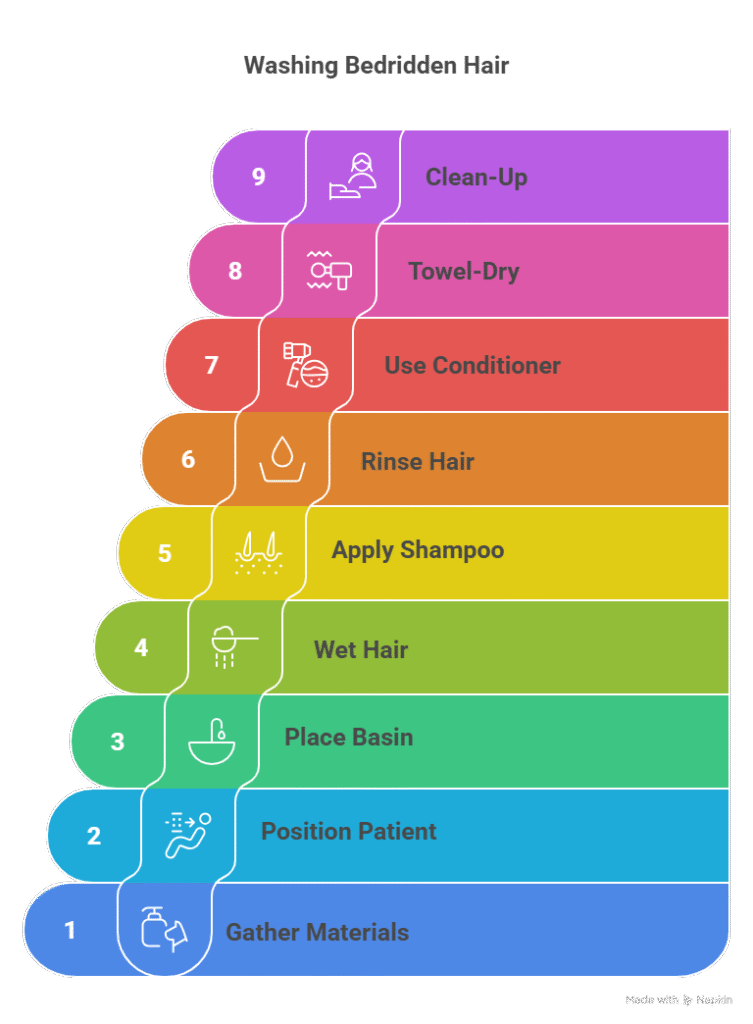
The safest way to wash a senior’s hair depends entirely on their physical ability. Match the method to their needs.
Wash Hair in Bed for Immobilized Seniors
When standing or sitting is not safe, in-bed washing keeps seniors comfortable and reduces fall risk.
Use an Inflatable Shampoo Basin
This U-shaped basin fits under the head, catching water in a drainable trough.
- Remove pillows and place a waterproof pad under shoulders
- Slide the inflated basin under the head with neck in the curve
- Let hair hang into the basin
- Pour lukewarm water tested on your forearm over hair using a pitcher
- Apply baby shampoo and massage gently with fingertips
- Rinse with clean water until all suds disappear
- Drain water through the spout into a bucket
- Blot hair dry with a towel and use cool hair dryer if needed
- Comb gently and reposition with dry hair
Warning: Never leave wet hair on a pillow. Dampness causes skin breakdown.
Try the DIY Garbage Bag Method
No basin? Use a large kitchen garbage bag lined with dry towels.
- Place the bag under the head and shoulders
- Put 2 to 3 rolled towels inside the bag beneath the head
- Wet hair with warm water from a pitcher
- Shampoo, rinse, and replace wet towels as needed
- Dry thoroughly before removing the bag
Wash Hair at the Sink for Seated Seniors
If the senior can sit safely, sink washing is efficient and familiar.
Use a Handheld Sprayer
- Seat the senior on a sturdy, non-slip chair facing away from the sink
- Position their head over the faucet
- Use the spray nozzle to wet hair from behind
- Apply shampoo, massage, and rinse completely
- Dry with a towel and use a cool hair dryer
Add-on: Use a shampoo tray that fits over the sink to support the neck.
Try a Tilting Commode Chair
For better positioning, use a waterproof commode with a reclining back.
- Seat the senior securely and fasten the safety belt
- Tilt back slightly like a salon chair
- Wash and rinse as described above
- Return to an upright position before standing
This method works best for seniors with back pain or balance issues who tire easily.
Use Water-Free Methods When Wetting Is Not Possible
When water is unsafe due to surgery, resistance, or frailty, no-rinse options keep hair clean.
Apply No-Rinse Shampoo Caps
Pre-filled caps require no water and minimal effort.
- Warm the cap per product instructions without overheating
- Place over the head
- Massage for 1 to 2 minutes to distribute the solution
- Remove and wipe the scalp with a dry towel
- Comb hair and apply leave-in conditioner
Brands to consider: Nilaqua and Scrubzz. Test for sensitivity first, as alcohol in some formulas may irritate sensitive scalps.
Use No-Rinse Liquid Shampoo
Ideal for daily touch-ups or post-surgical care.
- Apply a small amount directly to the scalp
- Massage thoroughly with your fingertips
- Wipe away residue with a damp washcloth
- Dry and comb gently
Pro Tip: Warm the product in your palms before applying to avoid shocking the senior.
Refresh with Dry Shampoo
Use between full washes to absorb oil and reduce odors.
- Spray or sprinkle dry shampoo, baby powder, or cornstarch at the roots
- Massage into the scalp
- Brush out thoroughly
Avoid buildup: Do not rely on dry shampoo long-term. It does not replace actual cleaning.
Adapt for Dementia and Cognitive Resistance
Seniors with Alzheimer’s or dementia may resist hair washing due to fear, confusion, or sensory overload.
Reduce Sensory Triggers
Avoid loud water sounds by using a soft washcloth method instead. Turn off bright lights and use natural or warm-toned lighting. Choose fragrance-free products to prevent olfactory distress. Speak in a calm, reassuring tone throughout the process.
Use Familiar Language and Routine
Say things like, “Time to feel fresh, just like before church.” Wash at the same time and place each week. Explain each step simply, such as, “Now I’ll rinse. Close your eyes.”
Turn It Into a Gentle Ritual
Sing a favorite song or hum softly. Use light touch or scalp massage to build trust. Say “Peep eyes!” when uncovering the face for a playful touch.
Key Rule: If the senior resists, stop and try later. Forcing increases fear and damages trust.
Prevent Common Problems and Injuries
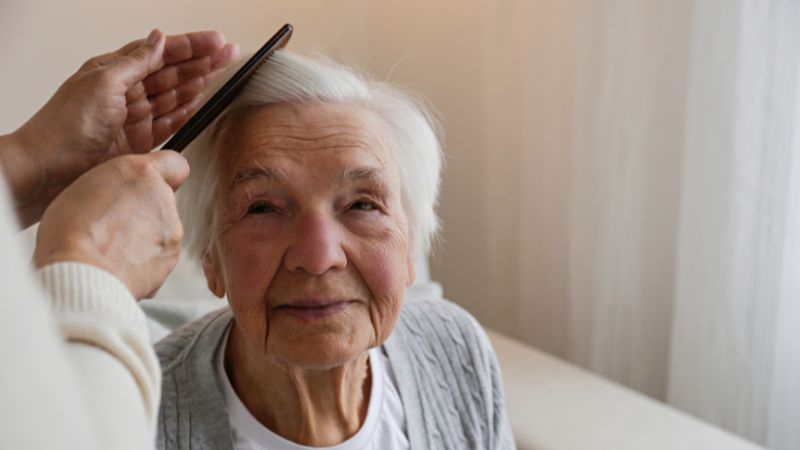
Even small oversights can lead to discomfort or harm. Avoid these frequent mistakes.
Avoid Scalding or Chilling
Test water on the inner forearm or foot, not your hand. Use warm, never hot, water at 100 to 105 degrees Fahrenheit. Warm no-rinse products in your hands before use.
Prevent Skin Breakdown
Always use a waterproof pad under the head. Dry hair completely before lying flat. Check for dampness at the nape of the neck and behind the ears.
Stop Hair Tugging and Breakage
Detangle before wetting with a wide-tooth comb. Never pull through knots. Work from ends upward. Use leave-in conditioner to reduce friction.
Watch for Scalp Issues
During washing, inspect the scalp for yellow scaly patches indicating seborrheic dermatitis, red inflamed areas suggesting psoriasis or eczema, sores lumps or pus indicating infection or pressure ulcers, and itching or nits suggesting lice.
Action: Use Oilatum shampoo for dry irritated scalps. Avoid alcohol-based products.
Choose the Best Products for Senior Hair
Not all shampoos are safe for older adults. Pick gentle, effective options.
Recommended Shampoos
| Product | Best For | Why It Works |
|---|---|---|
| Johnson’s Baby Shampoo | Sensitive skin, dementia patients | No sulfates, gentle on eyes |
| Oilatum Emollient Shampoo | Dry, flaky, or irritated scalp | Soothes without alcohol |
| Nilaqua No-Rinse Shampoo | Waterless cleaning | Fast and effective |
Conditioners and Aftercare
Use leave-in conditioners like Ultimate Blends Aloe Vera and Coconut to prevent tangles. Choose fragrance-free formulas to reduce allergy risk. Apply after every no-rinse wash to prevent dryness.
Dry Shampoo Options
Baby powder unscented offers a low-cost familiar option. Cornstarch provides a natural alternative. Batiste and similar sprays are convenient but test for irritation first.
Maintain Hair Health with Low-Effort Styling
Good hygiene includes regular care, not just washing.
Recommend Shorter Hairstyles
Shorter cuts are easier to wash, dry, and manage. They look neat with minimal styling and reduce tangles and matting.
Caregiver Insight: “The teased beehive style has to go if she refuses showers.” This adjustment makes hygiene much easier.
Schedule Regular Trims
Arrange in-home barber or stylist visits. Learn basic cutting techniques from a professional. This prevents split ends and overgrowth.
Perform Gentle Scalp Care
A clean scalp allows hair to grow and feel comfortable. Use a soft brush or cloth to remove buildup. Massage with unscented lotion for relaxation.
Follow Safety Rules Every Time
Consistency ensures safety and builds trust.
Never Leave Unattended
This is especially important for those with dementia or mobility issues. Stay within arm’s reach during rinsing and drying.
Support the Neck Properly
Use a plastic-wrapped towel roll for in-bed washing. Do not force full recline if neck pain or stiffness exists.
Practice Infection Control
Wash towels, combs, and brushes weekly. Never share personal care items. Replace saturated pads immediately.
Know When to Get Help
You do not have to do this alone.
Seek Professional Support If
The senior becomes aggressive or severely resistant. There is a surgical site, open wound, or infection. The task is physically unsafe for you. You feel overwhelmed or emotionally drained.
Available Assistance
Home health aides, hospice bath specialists, in-home hairstylists, and professional caregiving agencies can help.
Expert Advice: “Do not be afraid to look for help when tasks become too much.”
Frequently Asked Questions About Washing a Senior’s Hair
How often should I wash an elderly person’s hair?
Frequency depends on hair type and condition. Oily hair needs washing every 2 to 3 days. Normal hair can go once every 5 to 7 days. Dry or thinning hair benefits from every 7 to 10 days to preserve natural oils.
What is the best way to wash a bedbound senior’s hair?
Use an inflatable shampoo basin placed under the head. Wet hair with lukewarm water from a pitcher, apply gentle shampoo, rinse thoroughly, and dry completely before repositioning. Always use a waterproof pad to protect the bedding.
What do caregivers use when a senior refuses to wash their hair?
Try dry shampoo or baby powder between washes to absorb oil. Use no-rinse shampoo caps for waterless cleaning. For dementia patients, reduce sensory triggers, use familiar language, and make it a gentle ritual. Never force the process.
How do I wash a senior’s hair without getting water everywhere?
Use an inflatable basin with a drain spout for bed washing. For sink washing, use a handheld sprayer for controlled water flow. Place waterproof pads and towels around the neck and shoulders. A shampoo tray over the sink also helps contain splashes.
What should I do if the senior’s scalp is irritated or flaky?
Use a gentle emollient shampoo like Oilatum. Avoid alcohol-based products that can cause further irritation. Apply leave-in conditioner after washing. If the condition persists, consult a doctor or dermatologist.
Key Takeaways for Washing a Senior’s Hair with Dignity
Washing a senior’s hair is more than hygiene. It is an act of care, connection, and respect. Match your method to their mobility level, whether that is an inflatable basin for bedridden individuals, sink washing with a sprayer for those who can sit, or no-rinse products when water is not possible. Prioritize safety by testing water temperature on your forearm, never leaving them unattended, and ensuring hair is completely dry before they lie down. Adapt to cognitive changes by reducing sensory triggers, using familiar language, and creating a gentle routine.
Choose gentle products like Johnson’s baby shampoo or Oilatum for sensitive scalps. Consider shorter hairstyles to make ongoing care easier for both of you. When the task becomes overwhelming, seek professional help from home health aides or hospice specialists. Be flexible, listen to cues, and celebrate progress. With the right tools and approach, this daily task can become a soothing ritual that uplifts both caregiver and senior.