
For millions of seniors, a simple sip of water can become a life-threatening risk. Dysphagia, or difficulty swallowing, affects up to 68% of long-term care residents and over 85% of hospitalized elderly with dementia. When thin liquids like water, juice, or coffee move too quickly through the mouth and throat, they can slip into the lungs, causing choking, aspiration pneumonia, or even silent suffocation. That is why clinicians often recommend thickening liquids for elderly patients with swallowing difficulties.
This guide explains the science behind liquid thickening, the proven benefits, the significant risks, and the alternatives that may better serve your loved one. You will learn how dysphagia develops in aging adults, what happens when thin liquids become unsafe, and how to make patient-centered decisions that balance safety with quality of life.
What Is Dysphagia and Why It Threatens Elderly Adults
Dysphagia is a condition where difficulty or discomfort occurs with feeding or swallowing. It results from impaired coordination of the muscles and nerves involved in the swallowing process, which involves over 50 muscles and nerves working in sequence.
Common Causes of Swallowing Problems in Seniors
Several factors contribute to dysphagia in older adults.
Stroke is the leading cause, damaging brain areas that control swallowing coordination. Parkinson disease slows movement and reduces throat muscle strength. Dementia impairs awareness of food in the mouth and timing of swallows. Head and neck cancer treatments alter anatomy and function. Chronic acid reflux inflames esophageal tissues, increasing sensitivity. Sedating medications impair the swallow reflex, while drugs causing dry mouth reduce saliva needed for bolus formation. Poor dentition from missing teeth or ill-fitting dentures hinders chewing and proper food preparation.
The Danger of Silent Aspiration
Not all aspiration produces obvious symptoms. In silent aspiration, the person shows no choking, coughing, or sputtering, yet fluid enters the lungs undetected. This is especially common in cognitively impaired seniors and can lead to aspiration pneumonia, which carries a 21% mortality rate.
How Thickened Liquids Protect Against Aspiration
The core reason for thickening liquids is biomechanical protection. Thin fluids move too fast for a delayed or weakened swallow reflex to keep up. Thickening changes the physics of swallowing to give the body more time to protect the airway.
Why Slowing Down Liquids Improves Safety
Thickened liquids move more slowly through the mouth and throat. This allows more time for the larynx to close before the swallow begins. Thickening reduces premature spillage into the pharynx and enhances sensory feedback, improving voluntary control. Instrumental studies using Modified Barium Swallow and FEES confirm reduced laryngeal penetration and aspiration with thicker consistencies, particularly honey-thick liquids.
IDDSI Thickness Levels: What Each Consistency Means
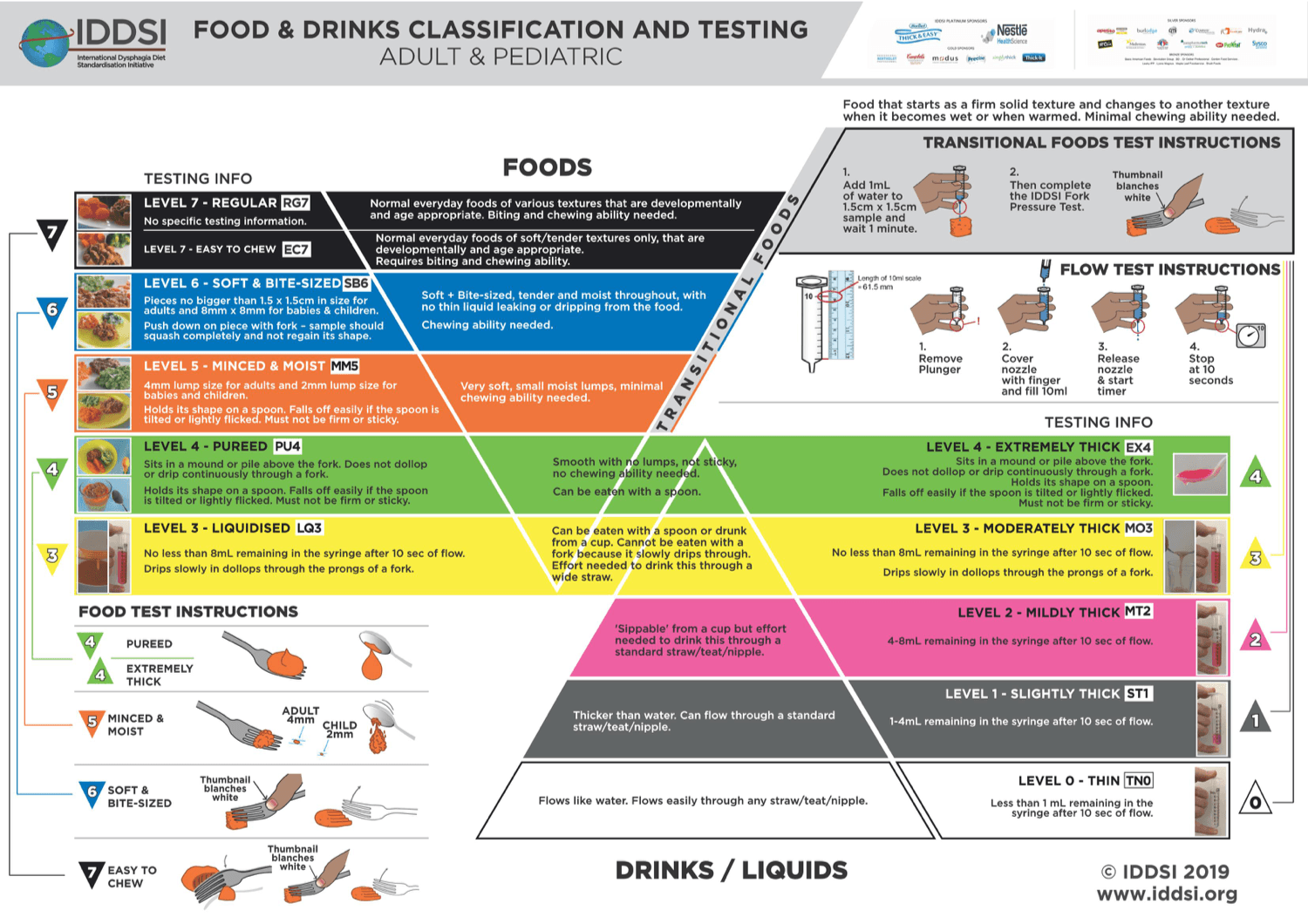
The International Dysphagia Diet Standardisation Initiative defines standardized thickness levels that speech-language pathologists use when prescribing thickened liquids.
| Level | Name | Flow Characteristics | Serving Method |
|---|---|---|---|
| #0 | Thin | Pours rapidly | Cup |
| #1 | Slightly Thick | Flows slowly, coats spoon | Spoon or cup |
| #2 | Mildly Thick (Honey-thick) | Drips slowly, holds shape briefly | Spoon or slow sipping |
| #3 | Moderately Thick (Nectar-thick) | Pours steadily, like tomato juice | Cup |
These levels are prescribed by speech-language pathologists after clinical and instrumental evaluation, and prescriptions should be re-evaluated regularly as swallowing function can improve or decline.
Types of Thickeners: Choosing the Right Product
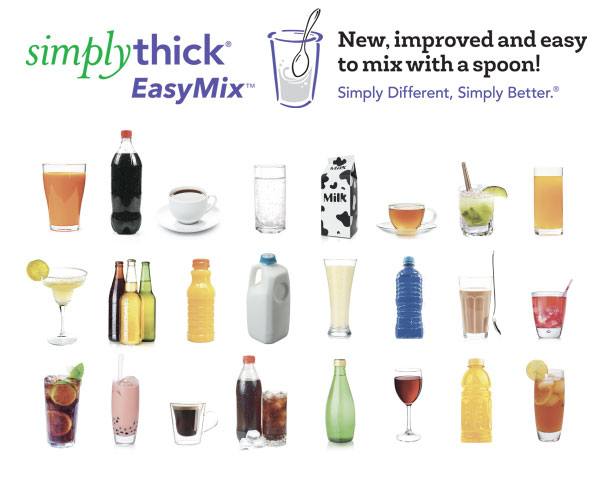
Not all thickeners work the same way. The two main categories behave differently in liquids.
Starch-Based Thickeners
These products include Thick-It Original and Thick and Easy non-clear varieties. They absorb water and continue thickening over time, which causes them to get thicker after mixing. They degrade in acidic drinks like orange juice and change texture when refrigerated. These limitations make them less reliable for consistent thickening.
Gum-Based Thickeners (Xanthan Gum)
These include SimplyThick and Resource ThickenUp Clear. They form stable gels that resist temperature and pH changes. They maintain consistent thickness over time, offer better taste and clarity, and are preferred in clinical settings. Gum-based thickeners are generally more reliable and less likely to separate or degrade.
Pre-Thickened Beverages
Ready-to-drink options like thickened juice or coffee eliminate measurement errors. They offer convenience, consistent texture, and portability. However, they are more expensive, have limited flavors, and are often thicker than needed, leading to patient refusal.
Benefits of Thickened Liquids for Swallowing Safety
When used appropriately, thickened liquids offer several advantages.
Immediate Aspiration Risk Reduction
Thickened liquids are supported by MBSS and FEES data showing reduced aspiration during swallowing. They are most effective in acute recovery phases, such as post-stroke, when the swallow reflex is delayed. Honey-thick consistency provides the best airway protection.
Improved Mealtime Comfort
Thickened liquids reduce coughing, choking, and anxiety during eating. They enhance the sense of safety during meals and are valuable in palliative and hospice care, where comfort is the primary goal.
Potential Hydration Support
While not nutritionally rich, some patients drink more when liquids are palatable. Flavor enhancement with lemon, vanilla, or other additions can increase intake in some cases.
Hidden Dangers: Risks of Long-Term Liquid Thickening
Despite short-term benefits, long-term use carries serious trade-offs that families and caregivers must understand.
Poor Palatability Leads to Low Compliance
Patients describe thickened liquids as tasting like mud, glue, or frog spawn. Honey-thick is most effective but least liked. A 2013 Korean study found high non-compliance rates, especially among outpatients who value autonomy. Many patients would rather risk choking than drink another spoonful of unpalatable liquid.
Dehydration Becomes a Major Concern
Thickened liquids are linked to lower fluid intake due to early satiety from slower gastric emptying. Unpleasant textures reduce the desire to drink, and preparation burden means drinks are not always available when wanted. Beck et al. found no improvement in hydration status with thickened liquids. McGrail and Kelchner found patients had thin liquids within reach 88% of the time versus only 56% for thickened ones.
Quality of Life Suffers Significantly
Lim et al. found that healthy hospitalized adults would trade 4 to 5 years of life to avoid thickened liquids. Social isolation, loss of enjoyment, and dependence on caregivers are common consequences.
Silent Aspiration May Still Occur
Miles et al. found that thickened liquids may suppress the cough reflex, leading to silent aspiration. Aspirated material is not cleared, increasing pneumonia risk despite safer-appearing swallowing.
Thickened Liquids May Cause More Harm If Aspirated
Animal studies raise serious concerns. Nativ-Zelzer found rabbits aspirating cornstarch-thickened water had very low survival. Xanthan gum caused lung inflammation and edema. Unthickened water had the best outcomes. While not human data, this suggests thickened liquids may be more dangerous if aspirated.
Medication Interactions Are Common
Mixing oral medications with thickened liquids can delay drug dissolution and reduce bioavailability. Starch-based thickeners pose higher risks than gum-based ones. Best practice is to avoid thickening liquid medications and use alternative routes when possible.
What Research Says About Long-Term Outcomes
The evidence challenges assumptions about thickened liquids improving survival.
JAMA Internal Medicine Study (2023)
A retrospective study of over 8,000 patients with Alzheimer disease and related dementias found no difference in hospital mortality between thick and thin liquid diets. The thick-liquid group was more likely to develop pneumonia but less likely to be intubated.
Protocol 201 Follow-Up Results
While honey-thick reduced aspiration short-term, 90-day results showed higher UTIs and pneumonia, longer hospital stays, and increased dehydration, malnutrition, and mortality.
Cochrane Review (2018)
The review concluded that while thickening fluids may improve swallowing immediately, the long-term impact on health, especially in dementia, must be considered.
Safer Alternatives to Thickened Liquids
Thickening should not be the default approach. Several alternatives may work better for many patients.
Water Protocols Allow Safe Hydration
Water protocols allow small sips of water between meals while using thickened liquids during meals. Murray et al. found increased fluid intake, better quality of life, and reduced UTIs with no rise in pneumonia. Exclusions apply for impaired cognition, active infection, or poor oral hygiene.
Postural Strategies Improve Safety Without Thickening
Simple techniques like chin-down posture seal the airway during swallowing. Double swallow clears residue. Effortful swallow increases muscle strength. Pacing and small sips prevent overflow. These may be as effective as thickening for some patients.
Systematic Weaning Gradually Returns to Normal Liquids
Gradually thinning liquids as swallowing improves is used in pediatrics and emerging in geriatrics. This requires close monitoring and reassessment but can restore normal drinking over time.
Ice Chip Protocol Offers Comfort
Developed by Pisenga and Langmore, this allows ice chips for NPO or tube-fed patients. Benefits include moisturizing the mouth, providing swallowing practice, and improving comfort. It is common in ICU and palliative care settings.
How to Make Patient-Centered Decisions About Thickening

There is no universal rule. The decision must be individualized.
Key Questions to Ask Before Thickening
What do the MBSS or FEES results show about actual aspiration risk? Is the patient cognitively aware enough to participate in decisions? What are the goals of care? Does the patient value comfort over longevity? Are they willing to accept the trade-offs?
When Thickened Liquids Make Sense
Short-term use during acute illness, such as post-stroke recovery, is appropriate. High aspiration risk with impaired airway protection warrants thickening. In palliative care, when choking is distressing, thickening may provide comfort.
When to Reconsider or Stop Thickening
Reconsider when use is chronic without regular reassessment. Stop when poor intake or dehydration develops. Honor strong patient refusal. Discontinue if silent aspiration is confirmed on thick liquids.
Best Practices for Using Thickened Liquids Safely
If thickening is the chosen approach, follow these guidelines.
Preparation Tips for Caregivers
Use gum-based thickeners for stability. Stir for 20 seconds and wait 1 to 2 minutes for full thickening. Err on the thicker side, as under-thickening increases aspiration risk. Use the IDDSI flow test with a 10mL syringe to verify consistency.
Common Mistakes to Avoid
Ice cream is not safe because it melts into thin liquid. Popsicles behave like water when melted. Safe alternatives include pudding, mousse, and custard, which maintain their thickness.
Monitoring for Complications
Watch for dehydration signs like dry mouth, dark urine, and fatigue. Monitor nutrition intake and weight. Check for pneumonia symptoms promptly. Reassess thickening needs every 3 to 6 months.
Frequently Asked Questions About Thickening Liquids for Elderly
Is thickening liquids always necessary for elderly with dysphagia?
No. Thickening should not be automatic. Alternatives like water protocols, postural strategies, or systematic weaning may be safer and more acceptable. The decision requires individual assessment.
How do I know which thickness level my loved one needs?
Thickness is prescribed by a speech-language pathologist after clinical evaluation and instrumental assessment like MBSS or FEES. Do not guess the thickness level.
Can thickened liquids cause dehydration?
Yes. Thickened liquids are consistently linked to lower fluid intake and higher dehydration risk due to early satiety, poor palatability, and preparation burden.
Are there alternatives to commercial thickeners?
Yes. Natural options include blended banana, applesauce, pudding, or tapioca for sweet drinks. For savory liquids, instant mashed potato flakes, rice cereal, or pureed vegetables work. Always verify thickness with IDDSI flow tests.
What happens if someone aspirates thickened liquid versus thin liquid?
Animal studies suggest thickened liquids may cause more lung inflammation and damage if aspirated. However, thin liquids aspirated in large amounts also pose serious risks. The goal is to prevent aspiration entirely through proper assessment and management.
Key Takeaways for Managing Dysphagia in Elderly
Thickening liquids for elderly patients reduces immediate aspiration risk but often leads to dehydration, poor adherence, and worse long-term outcomes. Research shows no survival benefit and possible harm. The best approach is individualized assessment, not automatic thickening. Consider alternatives like water protocols, postural strategies, or systematic weaning first. If thickening is necessary, use gum-based products, monitor hydration closely, and reassess regularly. Always involve patients and families in decisions, and prioritize quality of life alongside safety.