Dehydration in older adults is a silent but serious health threat that often goes unnoticed until symptoms become severe. Research shows that up to 40% of adults over 65 may be chronically underhydrated, largely due to age-related changes that diminish thirst sensitivity and reduce total body water. Unlike younger individuals, many seniors don’t feel thirsty even when their bodies desperately need fluids, making proactive hydration essential for maintaining cognitive function, kidney health, and overall well-being.
This guide provides evidence-based strategies to help seniors stay hydrated, covering warning signs to watch for, optimal fluid choices, practical daily routines, and specific techniques for caregivers. Whether you’re supporting a loved one at home or managing care in a facility, these actionable tools will make hydration a seamless part of everyday life.
Why Seniors Are at Higher Risk for Dehydration
Understanding the underlying factors that make older adults vulnerable to dehydration is the first step toward effective prevention.
Age-Related Physiological Changes
Several biological changes increase dehydration risk in aging adults. The brain’s thirst mechanism becomes less sensitive, meaning seniors may not feel thirsty even when fluids are needed. Total body water decreases from approximately 65% in younger adults to about 60% in seniors, reducing the body’s fluid reserves. Kidney function also declines, making it harder to conserve water during periods of low intake.
Medication Effects on Fluid Balance
Many common prescriptions contribute to fluid loss. Diuretics, often prescribed for hypertension or heart failure, directly increase urine production. Laxatives can cause significant fluid and electrolyte depletion. Some antidepressants, antihistamines, and antihypertensives cause dry mouth, reducing the perception of thirst. Regular medication reviews with healthcare providers help identify hydration-impacting prescriptions.
Cognitive and Mobility Limitations
Seniors with dementia may fail to recognize thirst cues, with studies showing up to 81% unable to communicate their need for fluids. Physical limitations such as arthritis or frailty can make accessing drinks difficult. Fear of incontinence leads many seniors to intentionally restrict fluid intake, creating a dangerous cycle of dehydration and increased infection risk.
Warning Signs of Dehydration in Older Adults
:max_bytes(150000):strip_icc()/skin-turgor-5083627-FINAL-736c95d0e2314b8eaa21633b3b2013bf.gif)
Catching dehydration early prevents serious complications. Symptoms in seniors are often subtle and easily mistaken for normal aging or other health conditions.
Early Warning Signs to Monitor
Watch for dry mouth or sticky saliva, fatigue that seems disproportionate to activity, dark yellow urine instead of pale yellow, dizziness when standing, reduced urination (fewer than four bathroom trips daily), and sunken eyes or decreased skin elasticity. Confusion or sudden mental changes may be the first and only sign of dehydration in seniors with dementia.
Moderate to Severe Symptoms Requiring Medical Attention
Seek immediate help if you notice rapid heartbeat, weakness or trouble walking, fainting, very little or no urination, inability to keep fluids down, or fever. Severe dehydration typically requires intravenous fluid replacement in a hospital setting, but early intervention at home can prevent escalation.
Daily Fluid Requirements for Older Adults
While there’s no universal rule, evidence-based guidelines provide reliable benchmarks for planning hydration strategies.
General Intake Recommendations
Men aged 51 and older should aim for approximately 13 cups (104 ounces) of total fluids daily. Women aged 51 and older need approximately 9 cups (72 ounces) per day. These recommendations include all fluid sources, including water, other beverages, and moisture-rich foods.
Adjusting for Individual Needs
Fluid requirements vary significantly based on chronic health conditions, medication use, activity level, and environmental factors. Seniors with heart failure or kidney disease may require fluid restrictions and must follow personalized medical guidance. Conversely, those on diuretics or with high activity levels may need increased intake.
Best Drinks for Elderly Hydration
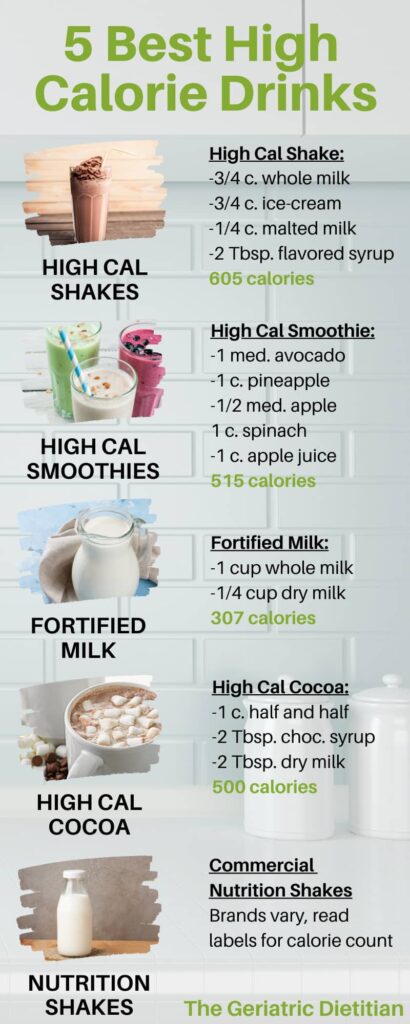
Water is ideal, but variety improves compliance, especially for picky drinkers or those with reduced appetite.
Recommended Beverages
Plain water remains the gold standard for hydration. Herbal teas without caffeine offer warmth and flavor. Low-sugar fruit juices diluted 50/50 with water provide vitamins and mild sweetness. Milk and fortified plant-based milk add protein and calcium. Low-sodium broths and soups work especially well in cold weather. Oral rehydration solutions like Pedialyte or DripDrop contain balanced electrolytes to restore fluid balance after illness.
Drinks to Limit
Caffeine has mild diuretic effects, so limit coffee and tea to one or two cups daily. Alcohol is a strong diuretic and should be avoided or minimized. Sugary sodas provide empty calories and may worsen diabetes.
Hydrating Foods to Add to Their Diet
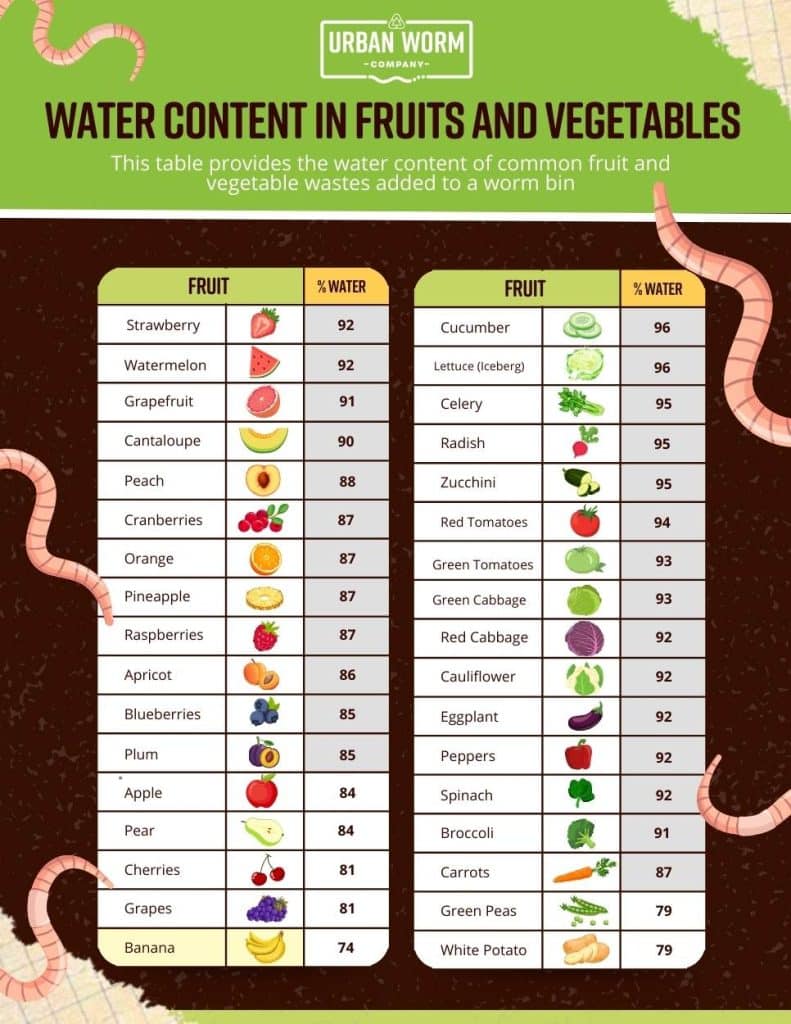
Food provides approximately 20% of daily fluid intake, making dietary choices valuable for hydration support.
High-Water Content Fruits
Watermelon contains about 92% water and provides lycopene and vitamin C. Strawberries offer 91% water content. Cantaloupe, oranges, peaches, and grapes all exceed 80% water, delivering nutrients alongside hydration.
Hydrating Vegetables
Cucumber leads with approximately 96% water. Lettuce, celery, zucchini, tomatoes, and bell peppers all contain over 90% water. These vegetables work well in salads, smoothies, or as snacks.
Practical Hydration Strategies That Work
Consistency beats volume. Small, frequent sips work better than large amounts consumed all at once.
Building Effective Daily Routines
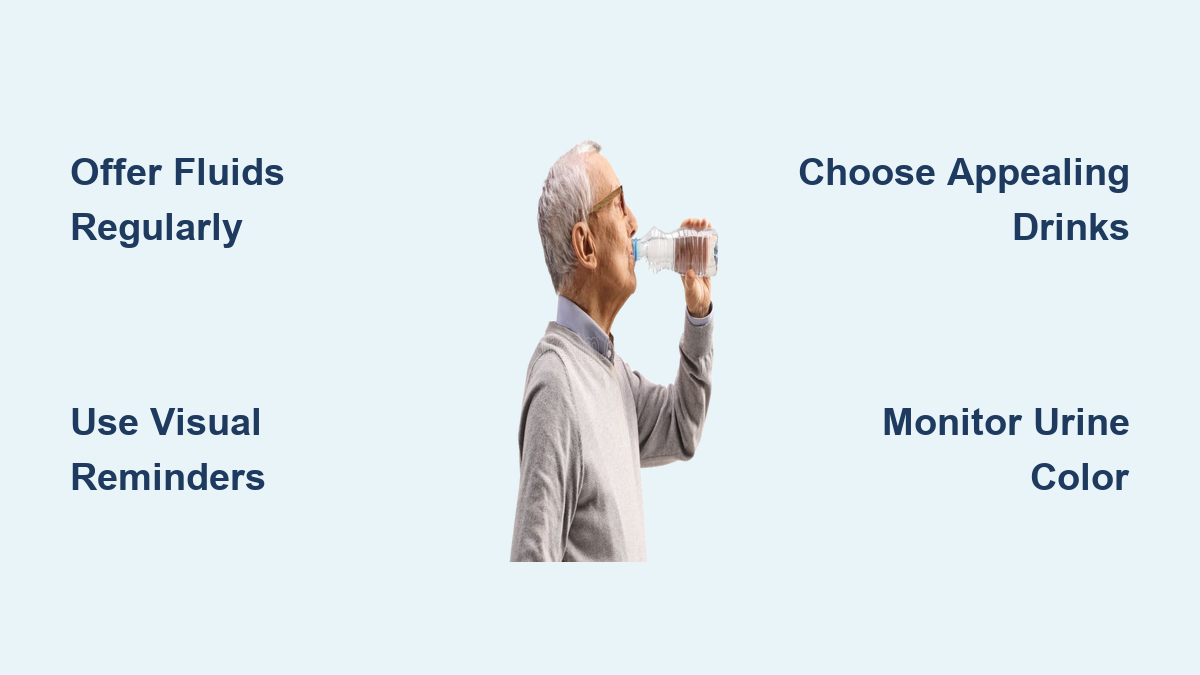
Start the day with one glass of water upon waking, paired with morning medications. Serve fluids before, during, and after each meal, using mealtimes as natural hydration cues. Set hourly phone alarms or use smartwatch reminders to prompt sipping. A 72-ounce water bottle with hourly markers helps track progress visually.
Using Behavioral Prompts
TV commercial breaks serve as natural sip reminders. Keep drinks visible on countertops rather than hidden in refrigerators. Place a sticky note that says “Take a sip!” near the TV remote or favorite reading chair.
Making Drinks Accessible and Appealing
If it’s hard to reach or unappealing to drink, it won’t get consumed. Strategic presentation matters.
Choosing the Right Containers
Brightly colored bottles in pink, blue, or green stand out better than clear ones, especially for those with visual impairments. Easy-grip mugs accommodate arthritis or tremors. Cups with straws help those with swallowing difficulties. Thermoses keep drinks at preferred temperatures throughout the day.
Keeping Drinks Within Reach
Place a lightweight pitcher and cup beside favorite chairs or beds. Use spill-proof travel mugs for mobility. Install night lights for safe trips to the kitchen during nighttime hours.
How Caregivers Can Support Hydration
Seniors with dementia, mobility issues, or chronic illness rely on others to stay adequately hydrated.
Proactive Offering Strategies
Never wait for requests. Thirst is an unreliable indicator in older adults. Offer 4 to 6 ounces every one to two hours during waking hours. Incorporate drinks into care routines, offering water after bathing, dressing, or medication administration.
Using Social Modeling
Drink alongside the senior and comment on how refreshing the water feels. Make hydration a shared activity rather than a command. Turn it into a friendly challenge by saying, “Let’s both finish our glasses!”
Overcoming Incontinence Fears
Fear of accidents leads many seniors to restrict fluids, especially at night, but this worsens both dehydration and incontinence.
Reassurance and Practical Solutions
Explain that regular bathroom trips actually reduce leakage risk by diluting urine. Improve access with grab bars, nightlights, or bedside commodes. Use discreet absorbent products to reduce embarrassment.
Timing Adjustments
Encourage most fluid intake between 7 AM and 7 PM. Reduce intake two to three hours before bedtime to minimize nighttime bathroom trips. Offer small sips if thirst strikes at night rather than eliminating fluids entirely.
Tracking Hydration Progress
Monitoring ensures consistency and helps catch problems before they become serious.
Simple Tracking Tools
Use a hydration log or checklist to mark each cup consumed. Smart apps like WaterMinder send reminders and track intake. Marked water bottles with time goals (“Drink by 10 AM”) provide visual progress indicators.
Physical Monitoring Methods
A urine color chart helps assess hydration status at a glance. Pale yellow indicates good hydration while dark yellow suggests need for more fluids. The skin turgor test involves pinching the back of the hand; slow return (more than two seconds) indicates dehydration. Daily weight monitoring can catch sudden fluid loss.
Innovative Hydration Solutions for Seniors
New tools make hydration easier, especially for those with dementia or swallowing difficulties.
Jelly Drops and Similar Products
Sugar-free, bite-sized gel cubes composed of 95% water offer a novel approach. Fortified with electrolytes and vitamins, they eliminate the need for cups and are visually engaging. Care facilities report increased hydration and reduced confusion after introducing these products.
Blended and Enhanced Options
Celery juice blends (celery, water, mint, lemon) provide hydration with added nutrients. Frozen fruit serves as colorful, flavorful ice cubes. Homemade popsicles using real fruit and low sugar work well for those with low appetite or swallowing challenges.
When to Seek Medical Help
Knowing when dehydration requires professional intervention prevents emergencies.
Emergency Warning Signs
Severe confusion or loss of consciousness, chest pain or palpitations, seizures, or signs of shock require immediate medical attention. Persistent vomiting or diarrhea lasting more than 24 hours, inability to keep any fluids down, or very dark urine also warrant urgent care.
Working With Healthcare Providers
Regular medication reviews help identify drugs affecting hydration. Discuss individual fluid goals based on health conditions. Report any sudden cognitive changes promptly, as confusion may indicate dehydration before other symptoms appear.
Frequently Asked Questions About Keeping Elderly Hydrated
How much water should an elderly person drink per day?
Men over 50 should aim for approximately 13 cups (104 ounces) daily, while women over 50 need about 9 cups (72 ounces). This includes all fluid sources from beverages and hydrating foods. Individual needs vary based on health conditions, medications, and activity level.
What are the first signs of dehydration in seniors?
Early signs include dry mouth, fatigue, dark yellow urine, dizziness when standing, reduced urination, and confusion. Seniors with dementia may show sudden cognitive changes as the only warning sign, making regular hydration monitoring essential.
Why do older adults not feel thirsty?
Aging reduces the brain’s ability to detect dehydration, blunting the thirst response. Seniors can become significantly dehydrated without feeling thirsty. This makes proactive, scheduled hydration more effective than waiting for thirst cues.
What drinks are best for elderly hydration?
Water remains optimal. Herbal teas, diluted low-sugar juice, milk, and low-sodium broths also contribute effectively. Oral rehydration solutions work well after illness. Limit caffeine to one or two cups daily and avoid alcohol entirely.
How can I encourage a senior with dementia to drink?
Use colorful, visually appealing cups. Offer drinks frequently (every one to two hours). Make hydration a social activity by drinking together. Turn it into a game or use gentle encouragement rather than commands. Offer hydrating foods like watermelon or cucumber as alternatives.
Does limiting fluids help with incontinence?
No. Limiting fluids actually increases UTI risk and can worsen incontinence by concentrating urine. Regular bathroom access reduces accident risk. Encourage fluid intake earlier in the day and reduce consumption two to three hours before bedtime instead.
Key Takeaways for Keeping Elderly Hydrated
Preventing dehydration in older adults requires a proactive, multifaceted approach that addresses physiological vulnerabilities while making hydration practical and appealing. The most important strategy is offering fluids regularly rather than waiting for thirst cues, which become unreliable with age.
Successful hydration combines proper fluid choices, hydrating foods, consistent routines, and caregiver support. Visual reminders, accessible containers, and personalized approaches dramatically improve compliance. Tracking intake and monitoring warning signs catch problems early before they become emergencies.
Caregivers play an essential role in maintaining hydration for seniors with cognitive or physical limitations. By integrating fluids into daily routines, using appealing options, and staying alert to subtle warning signs, you can help older adults maintain energy, clarity, and overall health. Start with small, consistent changes today, and make hydration a natural part of every day.