

If you’re wondering how senior apartments work, you’re not alone. As more Americans approach retirement, the demand for age-appropriate, low-maintenance housing is surging. Senior apartments are designed specifically for older adults, typically aged 55 or 62 and older, offering a blend of independence, safety, and community without the responsibilities of homeownership. Unlike nursing homes or assisted living facilities, these apartments support self-sufficient living while reducing isolation and providing access to convenience-focused services.
These communities range from affordable, income-based rentals to luxury high-rises with resort-style amenities. They are not medical care settings, but many include emergency call systems, social programming, and on-site wellness support. Whether you’re downsizing, seeking easier living, or planning for future care, understanding how senior apartments work is essential to making an informed decision.
Age Requirements and Who Qualifies for Senior Housing
Senior apartments enforce age restrictions to maintain a resident-focused environment for older adults. The specific rules depend on the community type and funding source.
Understanding 55+ vs. 62+ Age Communities
Most senior apartments fall into two categories based on age thresholds. Under the U.S. Department of Housing and Urban Development Fair Housing Act, 55+ communities require at least 80% of occupied units to have one resident aged 55 or older. These are more flexible and allow younger spouses or partners to live with an eligible senior. The 62+ communities require all residents to be at least 62 and are stricter, often catering to retirees seeking a quieter, age-homogeneous environment.
Couples with significant age differences should consider this carefully. A 55+ community may allow a 48-year-old spouse to live with a qualifying partner, but a 62+ property will not make exceptions.
Can Children or Grandchildren Live in Senior Apartments
Minors are not permitted to reside in senior apartments. However, grandchildren and younger family members are welcome to visit. Some communities limit the duration or frequency of stays to preserve the senior-centric atmosphere, so it’s worth asking about guest policies before applying.
Documentation Required to Apply
To qualify, applicants typically provide government-issued ID or birth certificate for proof of age, income verification especially for subsidized housing, and consent for credit and background checks which are standard for market-rate leases. For income-based housing, additional financial records may be required to confirm eligibility relative to Area Median Income.
Types of Senior Apartments Available
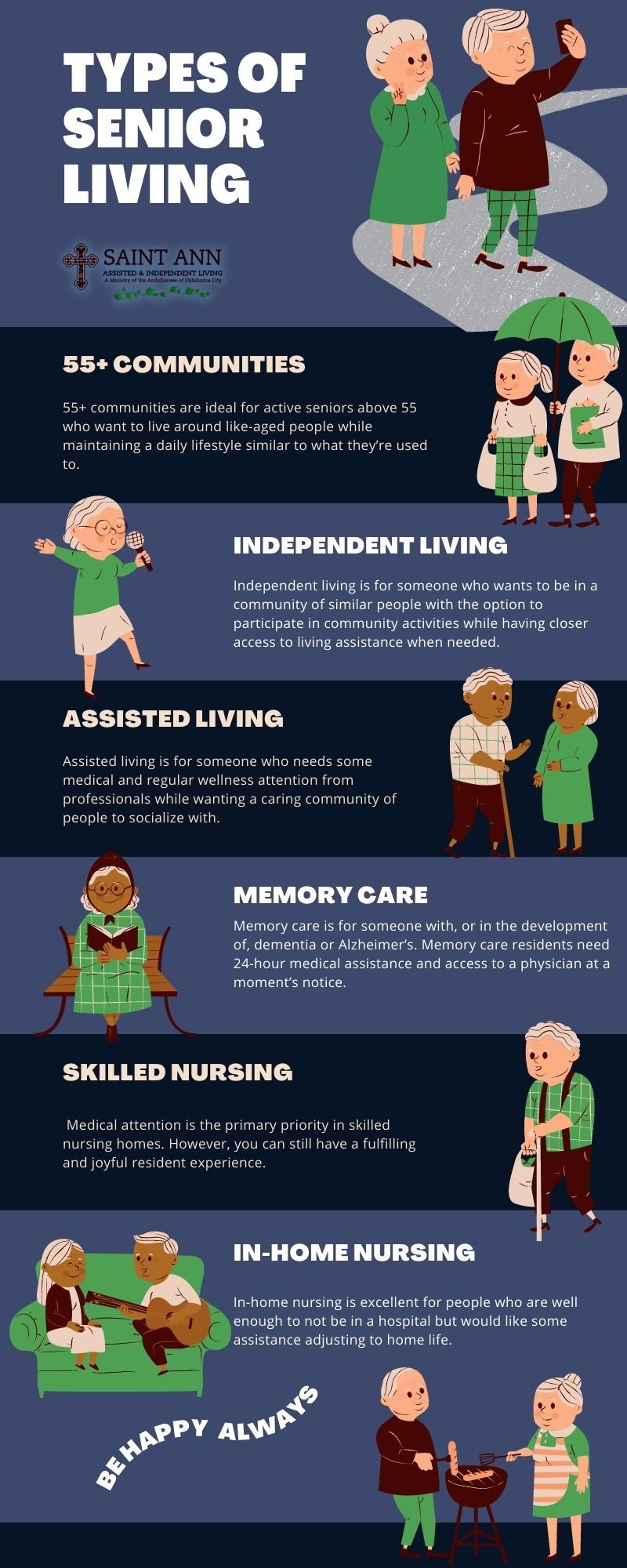
Senior apartments vary widely in cost, services, and lifestyle offerings. The four main types are income-restricted, market-rate, luxury, and those within continuing care communities.
Affordable Income-Restricted Senior Apartments
These are government-subsidized or nonprofit-run units for low-income seniors. Eligibility requires being at least 62 and earning below 50% to 80% of Area Median Income. Rent is typically 30% of adjusted gross income minus medical expenses. Providers include HUD’s Section 202 program, VA housing for veterans, and local housing authorities. Waitlists are often long, so applying to multiple locations increases your chances. Amenities are basic but functional, including common areas, laundry, and some social activities. Use the HUD Resource Locator or BenefitsCheckUp tool to find available units.
Market-Rate Senior Apartments
Privately owned and open to any senior who can afford the rent, these apartments have no income limits. Rent is set by market demand. The target audience is active, independent retirees seeking convenience and community. Amenities may include housekeeping, transportation, fitness centers, and social events. They are available in both 55+ and 62+ formats. With national occupancy rates near 90%, demand is high especially among Baby Boomers.
Luxury Senior Living Apartments
High-end, resort-style residences offer premium services and spacious floor plans. Features include gated access, concierge, gourmet dining, spas, salons, and cultural outings. Monthly fees range from $3,000 to $7,000 or more, sometimes with a one-time entrance fee of $50,000 to $100,000 or higher. Portions of fees may be deductible as pre-paid medical expenses especially in CCRCs. The lifestyle is focused on enrichment, privacy, and long-term care planning.
Senior Apartments in CCRCs
Part of a continuing care retirement community, these units allow residents to age in place. The continuum of care means you can start in independent living and transition to assisted living, memory care, or skilled nursing as needs change. Entry fees are high, often $100,000 or more, but may save money long-term by avoiding separate care expenses. Contract types including life-care, modified, or fee-for-service models affect future care billing. CCRCs offer peace of mind but require careful financial planning.
Apartment Layouts and Living Options

Senior apartments come in various sizes and configurations to suit different needs and lifestyles.
Studio, One-, and Two-Bedroom Units
Studios feature a compact, open-plan design with kitchenette and private bathroom, ideal for single residents. One-bedrooms offer a full kitchen, separate bedroom, and living area, making them popular for downsizers. Two-bedrooms provide spacious layouts for couples or those wanting a guest room. Luxury units often feature granite counters, walk-in closets, and accessibility upgrades.
Townhouses and Cottages
Some communities offer standalone or semi-detached homes with private entrances and outdoor space. These provide more privacy and are ideal for pet owners or gardeners who want a bit of ground to tend.
Suite-Style Living
This option is less common. Residents share kitchens and bathrooms but have private bedrooms. Suite-style living is typically found in supportive or assisted living settings, not standard senior apartments.
Amenities That Define the Senior Apartment Experience
What sets senior apartments apart from regular rentals are the amenities designed for convenience, wellness, and social engagement.
Standard Amenities in Most Communities
Most senior apartments include on-site maintenance and property management, elevators and accessible entrances, laundry facilities either in-unit or communal, emergency call systems such as LifeAlert, and common areas like lounges, libraries, and game rooms.
Enhanced and Luxury Amenities
Many communities go beyond basics with restaurant-style dining featuring chef-prepared meals, housekeeping and linen service, transportation to medical appointments and shopping, fitness centers with senior-specific classes like yoga and water aerobics, arts studios, computer labs, and woodworking shops. Outdoor spaces may include walking trails, gardens, pickleball courts, and dog parks. Social calendars feature movie nights, holiday events, and guest speakers.
Dining and Meal Options
Residents can cook in their private kitchens, dine in communal restaurants or cafeterias, join congregate meals to socialize, or order grab-and-go or room service. Some communities offer home-delivered meals for those who prefer to eat in their apartment.
Transportation Services
Many provide scheduled, wheelchair-accessible rides for doctor visits, pharmacy trips, grocery shopping, and cultural outings to theaters and museums. This service is a major benefit for seniors who no longer drive.
Independent Living vs. Senior Apartments

While often used interchangeably, there are subtle differences between these housing types.
| Feature | Senior Apartments | Independent Living |
|---|---|---|
| Focus | Age-restricted housing | Full-service lifestyle |
| Services | Basic maintenance, optional activities | Dining, housekeeping, events, wellness programs |
| Care Level | No personal care | No daily care, but support available |
| Best For | Seniors wanting independence | Active seniors seeking engagement |
In practice, many market-rate senior apartments function like independent living communities. The distinction is often in branding rather than actual services.
Care and Support: What Senior Apartments Do Not Include
Senior apartments are not care facilities. Residents must be able to manage daily tasks independently.
No Personal Care Provided
Senior apartments do not offer help with bathing, dressing, toileting, or medication management. There is no 24/7 medical staff on-site. However, many communities offer wellness checks, host fitness classes, partner with home health agencies, and provide access to visiting nurses.
When to Consider Assisted Living
If you or a loved one needs help with activities of daily living, assisted living is a better fit. Some senior apartment complexes include on-site assisted living, allowing seamless transitions between housing types if needs change.
How Much Do Senior Apartments Cost
Costs vary significantly based on location, size, and amenities.
National Monthly Rent Averages
The 2026 national average is $4,958 per month according to the National Investment Center for Senior Housing and Care. Brookdale rates range from $1,785 to $7,865 per month. The general range is $1,500 to $4,500 per month for market-rate units.
| City | Monthly Cost |
|---|---|
| New York, NY | $2,300–$4,500 |
| San Diego, CA | $2,025–$3,855 |
| Chicago, IL | $1,624–$3,043 |
| Kansas City, KS | $913–$1,438 |
| Nashville, TN | $999–$1,399 |
Factors That Affect Cost
Location significantly impacts pricing, with urban areas costing more than suburban or rural regions. Apartment size matters, as two-bedroom units cost more than studios. Amenities like dining and housekeeping increase fees. Entrance fees are common in CCRCs and luxury communities.
Cost Comparison to Homeownership
Senior apartments can be cheaper than owning a home when you factor in no property taxes, no homeowners insurance, no lawn care or snow removal, and no major repair bills for roofs or HVAC systems. Anna Gallagher of Otterbein SeniorLife notes that apartments can significantly decrease expenses compared to owning a house.
Renting vs. Buying a Senior Apartment
Renting: Pros and Cons
Renting offers lower upfront costs, flexibility to relocate, no maintenance or property taxes, and cheaper insurance. The downsides are no equity buildup, annual rent increases, and no long-term investment. Renting is ideal for those testing the waters or planning short-term stays.
Buying: Pros and Cons
Buying provides long-term investment potential, potential tax deductions, guaranteed future care access in CCRCs, and stability. The drawbacks are high entry fees ranging from tens to hundreds of thousands of dollars, limited resale options, and state-specific tax rules that apply. Buying is best for those committed to aging in place.
Pet Policies in Senior Apartments
Most senior communities welcome pets, recognizing their emotional and health benefits.
Common Pet Rules
Most communities allow cats, small dogs, birds, fish, and small caged animals. Restrictions on breed, size, and number of pets typically apply. Requirements include vaccination records, pet deposits, and waste cleanup. Pet-friendly features may include dog parks, walking trails, and pet washing stations. Always verify policies before applying since some luxury communities are more permissive than subsidized ones.
Safety and Security Features
Safety is a top priority in senior apartment design.
In-Unit Safety Features
Units typically include emergency call buttons that can be worn or wall-mounted, grab bars in bathrooms, walk-in showers with non-slip flooring, and open floor plans for easy navigation.
Community Security Measures
Many communities feature gated access and controlled entrances, 24/7 patrols and surveillance cameras, visitor check-in systems, and trained staff for emergency response. Many also conduct regular fire and disaster drills.
Social Life and Community Engagement
One of the biggest benefits of senior apartments is built-in social connection.
Activities and Events
Communities typically offer fitness classes including yoga, tai chi, and water aerobics, arts and crafts sessions, book clubs, board game nights, movie screenings, happy hours, and themed dinners. Holiday celebrations and live music events are also common.
Off-Site Excursions
Organized trips may include visits to theaters and museums, restaurants and shopping centers, and parks and nature trails.
Spiritual and Wellness Programs
Many communities provide interfaith services, meditation and prayer groups, and guest speakers on health and finance topics. Shared life experiences foster deeper friendships than in mixed-age housing.
Financial Help and Payment Options
Can You Use Medicaid or Medicare
Medicare does not cover rent in senior apartments. Medicaid rarely covers independent living and is more common in assisted living. Veterans benefits such as Aid and Attendance can help eligible veterans and spouses pay for housing.
Long-Term Care Insurance
Some policies cover part of the monthly fee, especially in CCRCs. Review your policy details to understand what is covered.
Budgeting Tips
Apply early for subsidized housing since waitlists are long. Use reverse mortgages or home equity loans if staying in your current home. Explore low-cost retirement cities like Kansas City or Nashville to maximize your budget.
Who Should Consider Senior Apartments
Ideal Candidates
You may benefit from a senior apartment if you are physically and cognitively independent, want to downsize and reduce home maintenance, value social interaction and structured activities, prefer convenient access to transportation and dining, and do not need daily personal care.
When Senior Apartments Are Not Suitable
Senior apartments are not appropriate for those who need help with bathing, dressing, or eating, require 24/7 supervision such as for dementia, or depend on skilled nursing care. In these cases, assisted living or memory care is a better fit.
Alternatives to Senior Apartments
Senior Villages
These are membership-based networks that help seniors age in place by coordinating transportation, home repairs, and social events. They are more affordable but require maintaining your own home. Find local chapters through the Village to Village Network.
Cohousing
This is a resident-managed community style with private homes and shared spaces. It emphasizes mutual support, common meals, gardening, and collaborative decision-making. Learn more at the Cohousing Association of the United States.
Aging in Place at Home
Stay in your current home with modifications like ramps, grab bars, and walk-in showers. Hire in-home care as needed. Use financial tools like reverse mortgages. The NCOA resource Use Your Home to Stay at Home provides helpful guidance.
How to Choose the Right Community
Location Considerations
Think about proximity to family and friends, distance to hospitals, grocery stores, and parks, access to public transit, and your climate and weather preferences.
Matching Amenities to Your Interests
Consider what amenities matter most to you, such as a fitness center, pool, or art studio. Determine if you need transportation or dining services and whether maintenance is included in the rent.
Staying Within Budget
Calculate total monthly costs including rent, fees, and utilities. Compare multiple communities and consider future care costs if you plan to move later.
Planning for Future Needs
Think about how likely you are to need assisted living in 5 to 10 years. Check if the community offers on-site higher care and whether transition processes are clear and affordable.
Touring and Talking to Residents
Visit in person and observe cleanliness and resident engagement. Speak with staff and current residents. Ask about waitlists, move-in fees, and lease terms. Moti Gamburd, a long-term care consultant, advises touring multiple communities and speaking with residents to gauge fit.
Key Questions to Ask on a Tour
Health and Safety Questions
Ask whether grab bars and walk-in showers are standard, if there is a 24/7 emergency response system, and whether security cameras and controlled access are in place.
Apartment Living Questions
Find out if maintenance staff is on-site, whether utilities are included, and if there are hidden fees like pet deposits or amenity charges.
Community Life Questions
Ask what activities are offered weekly, whether transportation is provided, and if there are walking trails or nearby shops.
Future Care Questions
Inquire whether the community has assisted living on-site, if residents can move to higher care without leaving campus, and what the costs and contracts are for care escalation.
How to Find a Senior Apartment
Online Search Tools
Use the HUD Resource Locator for subsidized housing, search Apartments.com or SeniorHousingNet.com, and check BenefitsCheckUp.org for financial assistance programs.
Local Resources
Contact your Area Agency on Aging, visit local senior centers, and ask doctors, social workers, or financial advisors for referrals.
Application Tips
Apply early especially for affordable housing. Keep documents like ID, income proof, and credit reports organized. Follow up regularly on your application status.
Frequently Asked Questions About Senior Apartments
What is the difference between senior apartments and independent living?
Senior apartments are age-restricted housing with reduced maintenance, while independent living communities offer full-service lifestyles with dining, housekeeping, transportation, and extensive social programming. In practice, many market-rate senior apartments function similarly to independent living.
Can I receive medical care in a senior apartment?
Senior apartments do not provide medical care or personal assistance. However, many partner with home health agencies or have visiting nurses available. If you need daily medical care, assisted living is a more appropriate option.
What happens if I need more care later?
If you need assisted living or memory care later, you may need to move to a different facility unless you live in a CCRC that offers multiple care levels on-site. Some senior apartment complexes are part of larger campuses that allow seamless transitions.
Are senior apartments affordable?
Costs range widely from around $900 per month for affordable income-restricted units to $4,500 or more for market-rate apartments, and up to $7,000 or higher for luxury communities. Many low-income seniors qualify for subsidized housing through HUD programs.
Can my spouse live with me if they are younger?
In 55+ communities, younger spouses are typically allowed to live with an eligible senior. In 62+ communities, both residents must meet the age requirement. Check specific community policies before applying.
Key Takeaways for Understanding How Senior Apartments Work
Senior apartments work by combining age-restricted living with low-maintenance convenience, safety features, and social engagement. They support independence but are not care facilities. The range is broad, from $900 per month affordable units to $7,000 or more luxury residences, offering flexible options for downsizing, reducing isolation, and simplifying life. Whether renting or buying, in a 55+ community or a CCRC, the key is aligning your housing choice with your current needs and future goals. By touring communities, asking the right questions, and planning ahead, you can find a senior apartment that enhances both your comfort and quality of life.