You may have noticed a distinct scent when visiting an older relative—often described as musty, sweet, or slightly greasy. It’s commonly dismissed as “old person smell,” but this odor isn’t due to poor hygiene. It’s a real, scientifically documented phenomenon tied to aging biology. The primary cause is a compound called 2-nonenal, which builds up on the skin as we age. In this guide, you’ll learn the true causes of elderly body odor, why it happens, and what can be done to manage it with dignity and care.
The Real Science Behind Elderly Body Odor
A distinct change in body odor is a natural and biologically grounded phenomenon associated with aging. This scent is not the result of poor hygiene but a scientifically documented shift in human body chemistry. Older adults emit a unique, identifiable body odor that differs from younger individuals, primarily due to the accumulation of a specific volatile organic compound on the skin surface.
What Causes the Characteristic Scent
The key chemical responsible for age-related body odor is 2-nonenal, a nine-carbon aldehyde with a grassy, greasy, or cucumber-like odor. It was first identified in 2001 by Japanese researchers who analyzed volatile compounds in body odor from individuals aged 40 and older. This compound is undetectable in individuals under 40 and increases steadily with age.
When 2-Nonenal Starts Appearing
People aged 60 and older can have up to six times higher levels of 2-nonenal on their skin compared to those in their 20s and 30s. The compound starts appearing around age 40 and rises steadily, peaking in the 70s and 80s. Because it’s lipid-soluble, it binds tightly to skin, hair, clothing, and fabrics, lingering even after washing.
How 2-Nonenal Forms on Aging Skin

As we age, oxidative stress increases and antioxidant defenses weaken. This leads to lipid peroxidation, a process where fats in sebum break down and oxidize. The key fat involved is palmitoleic acid, an omega-7 unsaturated fatty acid abundant in sebum. When it oxidizes, it generates 2-nonenal.
Why Oxidation Increases With Age
This oxidative process is accelerated by several age-related factors. Hormonal shifts, such as those during menopause, contribute to changes in sebum composition and increased lipid oxidation. Declining estrogen and testosterone affect skin thickness, moisture, and sebum production, promoting the conditions that allow 2-nonenal to form.
The Sebum Composition Shift
While sebum production declines with age, leading to drier skin, its chemical makeup changes. Levels of omega-7 fatty acids like palmitoleic acid rise, making sebum more prone to oxidation. This paradox, less oil but more odor-causing potential, is central to age-related scent.
Why Older Adults Often Don’t Notice Their Own Odor
Most elderly individuals are unaware of their own odor due to presbyosmia, which is age-related decline in smell sensitivity. The number of olfactory receptors drops, and brain processing of scent slows. This means the person emitting the odor often cannot detect it, while others may notice it subconsciously.
The Sensory Gap Effect
This sensory gap can delay hygiene responses and contribute to the odor’s persistence. An older adult may genuinely not realize they have body odor, making it important for caregivers to approach the topic with compassion rather than assumption.
What Research Says About Age-Related Scent
A landmark 2012 study published in PLoS ONE investigated how people perceive body odor across age groups. Forty-one young adults smelled underarm odor samples collected from three age groups: young (20-30), middle-aged (45-55), and elderly (75-95). Participants wore odor-absorbing underarm pads for five consecutive nights while avoiding scented products, alcohol, and strong-smelling foods.
Key Study Findings
The results showed that odor from the oldest group was rated as significantly less intense and less unpleasant than that of younger and middle-aged groups. Participants accurately identified the oldest group by scent but struggled to distinguish between younger and middle-aged scents. The study concluded that older adults have a distinct but not offensive body odor.
Cultural Recognition of Aging Scent
In Japan, the phenomenon is formally recognized as kaishu, which means “the smell of gaining years.” Rather than stigmatizing it, this term reflects acceptance of natural bodily changes. Products like persimmon extract soap are marketed specifically to neutralize 2-nonenal, showing both scientific understanding and cultural respect for aging.
Skin and Gland Changes With Age
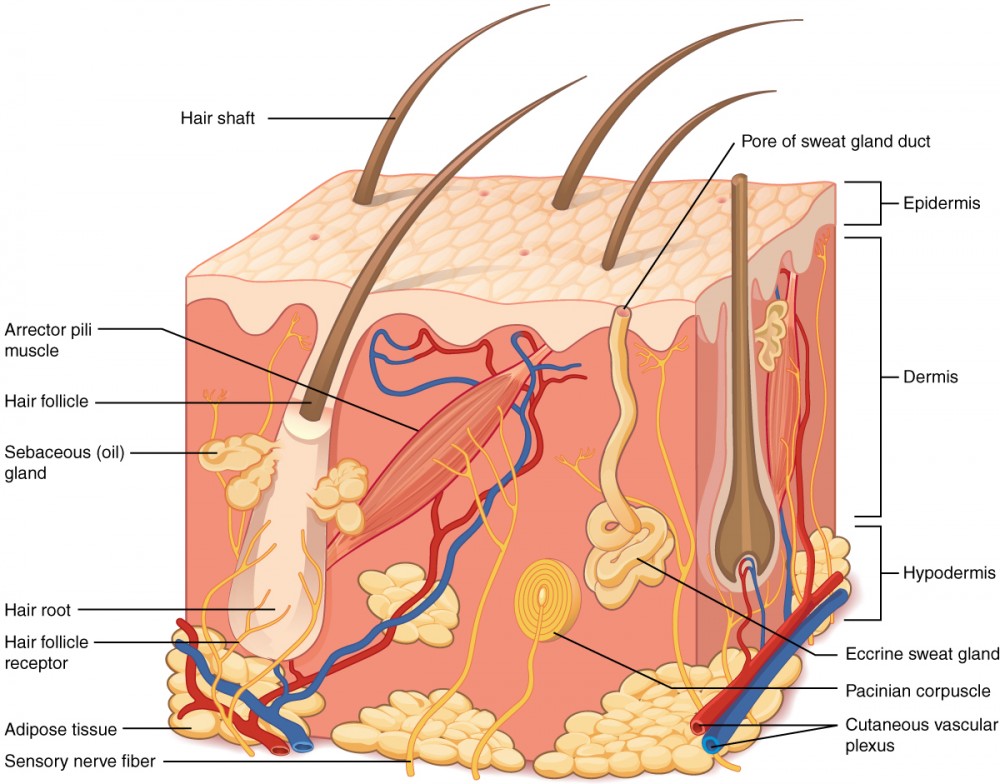
Beyond 2-nonenal, multiple physiological shifts alter how older skin smells and functions. Both eccrine and apocrine sweat glands become less active. Reduced sweating means fewer natural flushing cycles, so odorants are not washed away as effectively. This allows bacterial metabolites to build up between baths.
Slower Skin Cell Turnover
Older skin sheds dead cells more slowly. This allows oxidized sebum and 2-nonenal to accumulate on the surface. Without regular exfoliation, these compounds linger and intensify over time.
Skin Microbiome Shifts
The bacteria living on skin change with age. Older skin hosts different strains of Staphylococcus, Corynebacterium, and Propionibacterium, which metabolize sweat and sebum into volatile compounds. These microbial byproducts can contribute to musty or mildew-like odors.
How Medications and Health Conditions Affect Smell

While 2-nonenal is natural, certain health conditions and drugs can worsen or mimic old person smell. A sudden, strong, or unusual body odor, especially fruity, foul, or ammonia-like, should prompt medical evaluation. It may signal undiagnosed illness.
Medical Conditions With Distinct Odors
Several conditions produce characteristic odors that may be mistaken for or intensify age-related body odor. Diabetes can cause a fruity or acetone-like smell due to ketoacidosis. Kidney failure produces a urine-like or ammonia smell from urea buildup in sweat. Liver disease causes a sweet, musty, mousy odor called fetor hepaticus. Parkinson’s disease is linked to increased sebum production and a characteristic musky odor.
Medications That Alter Body Odor
Many older adults take multiple medications that affect scent. Antibiotics like metronidazole can cause metallic or foul breath and sweat. Opioids lead to dry mouth and reduced hygiene. Anticholinergics reduce sweating, causing bacterial buildup. Levodopa for Parkinson’s is metabolized into smelly compounds. SSRIs and antipsychotics alter sweating and metabolism. Diuretics increase perspiration or change sweat composition.
Environmental Factors That Create “Old Person Smell”
Sometimes old person smell is not body odor at all but a mix of household scents and mental associations. People often confuse these environmental odors with personal scent. Furniture polish or wax, mothballs or camphor, air fresheners or potpourri, medicinal smells from pills and ointments, and cooking odors can all become cognitively linked to aging.
Ageism Shapes Smell Perception
Smell is deeply tied to emotion and memory. Studies show that when people believe a scent comes from an older adult, they are more likely to rate it as unpleasant, even if it is identical to a younger person’s odor. This cognitive bias reflects societal attitudes toward aging, not objective stench.
Practical Ways to Manage Age-Related Odor
While 2-nonenal is inevitable, its impact can be minimized with smart hygiene and lifestyle choices. Regular bathing with mild, moisturizing cleansers helps remove oxidized lipids and bacteria. Use pH-balanced, non-drying soaps to preserve the skin’s natural barrier. Focus on high-sebum areas like the back, chest, underarms, groin, behind the ears, and skin folds.
Effective Cleansing Techniques
Oil-based cleansers may dissolve lipid-soluble 2-nonenal more effectively than water-based ones. Exfoliation promotes faster skin cell turnover, reducing buildup of oxidized sebum. Physical exfoliants like sugar or salt scrubs with olive oil work well. Use washcloths or dry brushes for mechanical exfoliation. Chemical exfoliants like mild AHAs can also help if tolerated.
Targeted Skincare Products
Standard deodorants target ammonia or sulfur compounds, but 2-nonenal requires specific solutions. Persimmon tannins bind to 2-nonenal and help wash it away. Green tea extract neutralizes free radicals, reducing future oxidation. Products using these ingredients are among the few scientifically designed to target age-related odor.
Clothing and Laundry Tips
Fabrics trap 2-nonenal due to its lipid-soluble nature. Choose natural fibers like cotton, linen, or wool instead of polyester or nylon. Natural fibers breathe better and release odors more easily.
Effective Laundry Practices
Use enzyme-based detergents with protease, lipase, and amylase to break down proteins, fats, and carbohydrates in sweat and sebum. Avoid low-cost detergents that leave residue. Add white vinegar to the rinse cycle to neutralize odors. Sun-dry clothes when possible because UV light degrades 2-nonenal and disinfects fabric. Cyclodextrin-based sprays can trap and encapsulate odor molecules.
Supporting Elderly Hygiene With Dignity
Many older adults struggle with self-care due to physical or cognitive limitations. Arthritis or limited mobility makes reaching difficult. Balance issues increase fall risk in showers. Fatigue reduces motivation for thorough cleaning.
Practical Support Solutions
Install shower chairs, grab bars, and handheld showerheads. Use long-handled sponges or brushes. Schedule baths during peak energy times. Establish consistent routines for those with cognitive decline. Offer gentle, non-judgmental reminders. Use pleasant-scented, easy-to-use products to encourage compliance.
Final Thoughts on Understanding Elderly Body Odor
The term old person smell often carries shame, but it is a normal part of aging, like graying hair or wrinkles. The smell is not a hygiene failure. It is biologically universal and can be managed respectfully. Teach families and caregivers that the scent is mild, musty, and less offensive than younger adults’ odor, yet often misunderstood. Everyone ages, and everyone will experience these changes. Understanding the science removes stigma and empowers better care for ourselves and our loved ones.
Frequently Asked Questions About Elderly Body Odor
What is the main cause of elderly body odor?
The primary cause is 2-nonenal, a compound formed by the oxidative breakdown of skin oils (sebum). It starts appearing around age 40 and increases significantly in people over 60, who can have up to six times more 2-nonenal than younger individuals.
Is old person smell a sign of poor hygiene?
No. While bathing and cleanliness can help manage it, old person smell is a natural biological phenomenon. It occurs due to chemical changes in aging skin, not because an older adult is unclean.
Can older adults smell their own body odor?
Most cannot. Age-related decline in smell sensitivity, called presbyosmia, means many elderly individuals are unaware of their own odor. This sensory gap often leads to delayed hygiene responses.
Are there medical conditions that cause similar odors?
Yes. Diabetes can cause a fruity smell, kidney failure produces a urine-like odor, liver disease creates a sweet musty scent, and Parkinson’s is linked to a musky odor. Sudden odor changes should prompt medical evaluation.
What products actually work against 2-nonenal?
Products containing persimmon tannins and green tea extract are specifically designed to target 2-nonenal. Standard deodorants often fail because they target different compounds. Enzyme-based laundry detergents and cyclodextrin fabric sprays can also help.
Why do some cultures view aging scent differently?
In Japan, the phenomenon is formally acknowledged as kaishu, meaning “the smell of gaining years.” This cultural acceptance reflects a more respectful view of natural aging changes rather than stigmatizing them.