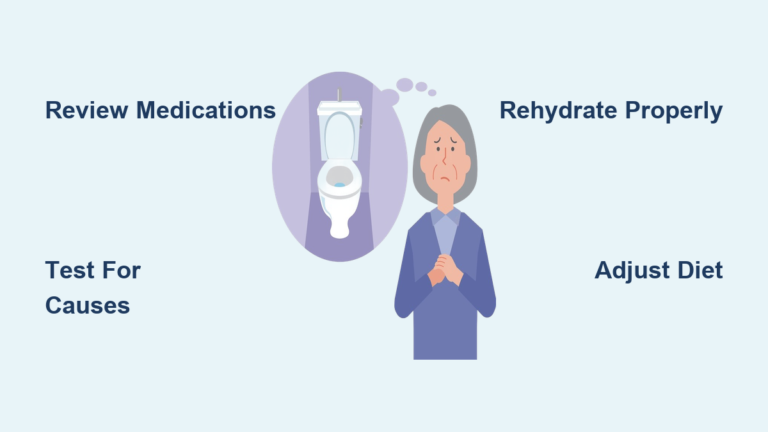
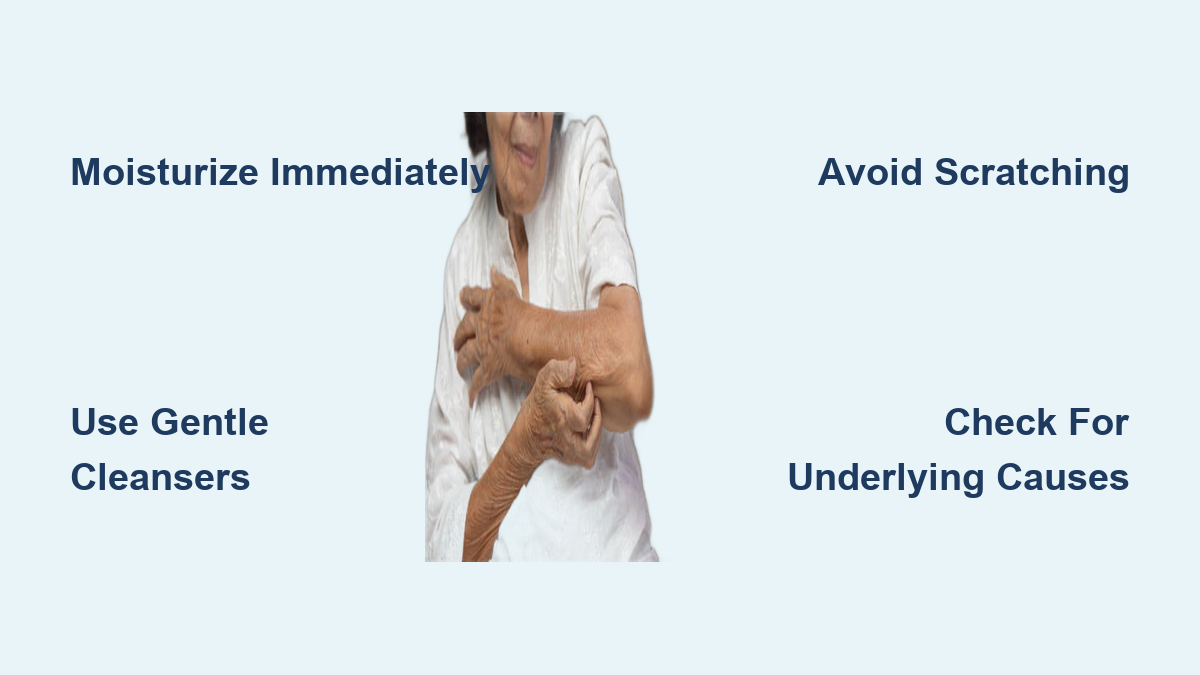
Itchy skin in the elderly is more than just an annoyance. It affects up to 70% of older adults, disrupting sleep, causing anxiety, and leading to skin infections from scratching. The causes range from simple dry skin to serious conditions like kidney disease or medication side effects. This guide walks you through proven strategies to identify what’s causing the itch, restore skin health, and break the itch-scratch cycle for good.
You’ll learn exactly how to moisturize correctly, which products to use and avoid, when to treat underlying health conditions, and when to see a doctor for persistent problems.
Why Elderly Skin Itches: Understanding the Root Causes

Age changes skin in ways that make itching almost inevitable. Understanding these changes helps you target the right solutions.
How Aging Affects Skin
As skin ages, it loses its ability to retain moisture and fight off damage. The epidermis thins, oil glands shrink, and the skin barrier breaks down. These changes mean dryness, cracking, and irritation become constant problems. Extrinsic aging from sun exposure, smoking, and poor nutrition makes this worse. The result is itchy skin that seems to have no obvious rash.
Common Causes of Itch in Older Adults
The most frequent cause is xerosis, or extremely dry skin, which affects nearly all elderly individuals. Beyond dryness, itch can stem from eczema, psoriasis, fungal infections, or scabies. Systemic diseases like kidney failure, liver problems, thyroid disorders, and blood cancers also trigger widespread itching. Neurological conditions causing nerve damage lead to burning or tingling sensations. Many common medications including opioids, statins, and blood pressure drugs list itching as a side effect.
Fix Dry Skin Fast: Daily Skincare That Works
Dry skin ranks as the number one cause of itching in older adults. These daily habits restore moisture and protect the skin barrier.
Shorten Bath Time
Limit showers or baths to five to ten minutes using lukewarm water. Hot water strips away essential oils that keep skin supple. Use a timer to avoid over-bathing, then pat skin dry gently with a soft towel. Never rub aggressively, as this damages fragile skin.
Use Gentle, pH-Balanced Cleansers
Switch from regular soap to non-soap, fragrance-free cleansers like Cetaphil, CeraVe, or Eucerin. These maintain the skin’s natural acidic pH around 5.5, preventing irritation. Avoid products containing sodium lauryl sulfate, which damages the skin barrier. Aqueous cream should only be used as a wash-off product, never as a leave-on moisturizer.
Apply Moisturizer Within Minutes
Within three minutes of bathing, apply a thick emollient to lock in moisture. Use downward strokes and don’t rub completely. Leave a protective layer on the skin. Focus on prone areas like shins, elbows, hands, and lower back. For best results, apply twice daily and use 400 to 500 grams per week.
Best Moisturizers for Elderly Skin
Several types work particularly well for aging skin. Ten percent urea cream draws water into the skin and softens rough patches. Ceramide-based creams rebuild the skin’s natural lipid barrier. Petroleum jelly works as an occlusive for very dry areas or overnight use. Shea butter and lanolin-based formulas replenish missing fats. Choose based on skin needs and personal preference.
Cool Itchy Skin Quickly: Fast-Acting Relief Methods
When itching strikes suddenly, these methods provide rapid relief without prescription medications.
Try Menthol or Camphor Products
Menthol at 0.5 to 3% activates cold receptors in the skin, producing a cooling sensation that distracts from itch. Camphor acts as a counter-irritant, reducing nerve sensitivity. Products like Sarna Lotion or Aveeno Anti-Itch Concentrate combine both ingredients for fast relief. Both are safe for daily use on intact skin. Avoid applying near eyes or mucous membranes.
Use Pramoxine for Localized Itching
Pramoxine 1% is a non-steroidal topical anesthetic that blocks nerve signals. It’s especially effective for sensitive areas like the scalp, genitals, or arms. Found in creams like Pramosone and Itch X, it provides relief without the risks associated with steroids.
Apply Cold Compresses
For sudden flare-ups, wrap ice in a cloth or use a cold, damp towel. Apply for five to ten minutes to numb the area and reduce inflammation. Never apply ice directly to skin, as this causes tissue damage.
Treat Underlying Skin Conditions
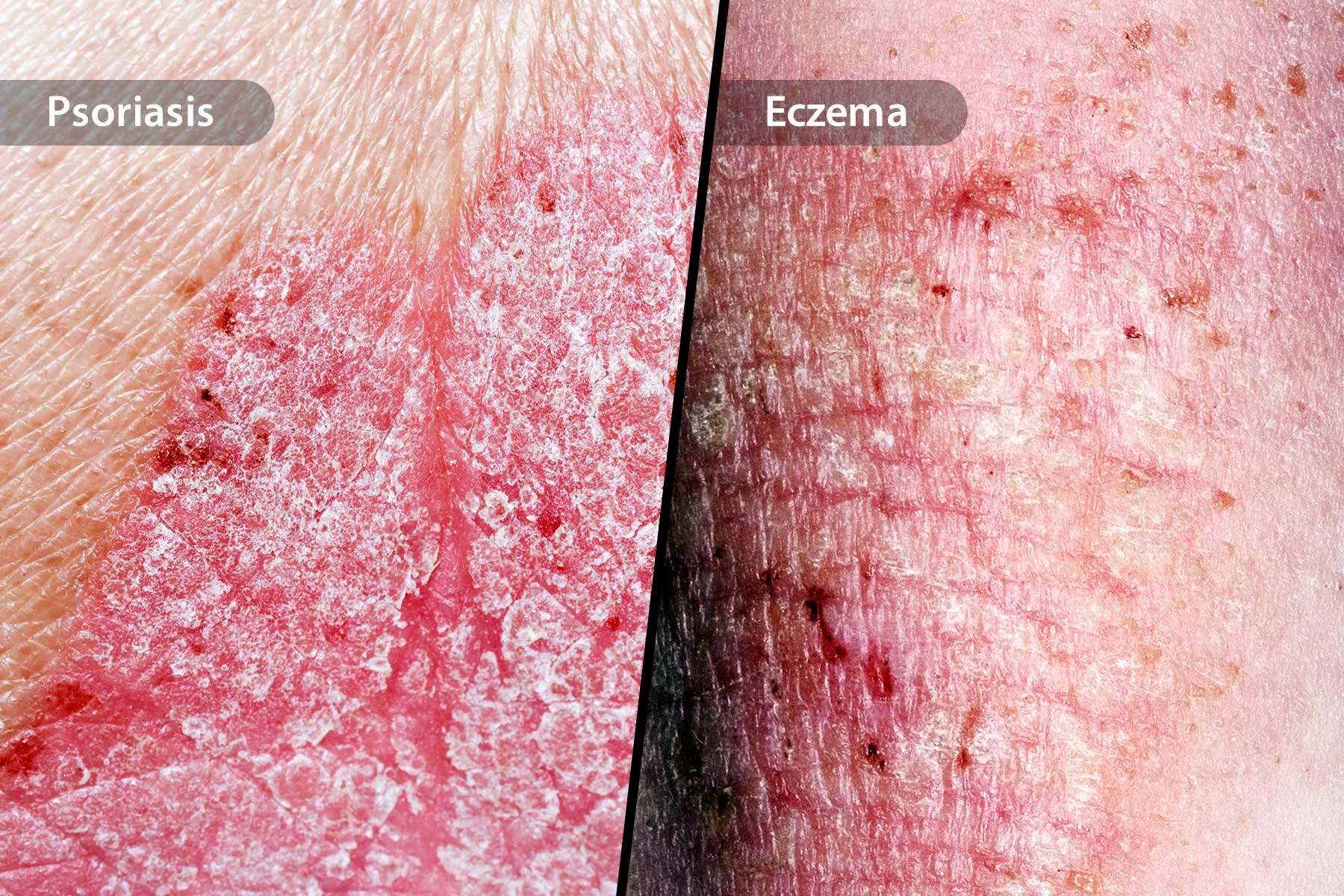
Persistent itch often signals a specific skin disorder. Identifying and treating the root cause brings lasting relief.
Recognize Common Rash Patterns
Psoriasis shows raised, red plaques with silvery scales, typically on elbows, knees, or scalp. Nummular eczema appears as coin-shaped, itchy patches on limbs. Seborrheic dermatitis causes flaky, greasy patches on the face, ears, or chest. Lichen simplex chronicus creates thickened, leathery skin from chronic scratching, often on arms or legs.
Diagnose Scabies Promptly
Intense nighttime itching with small bumps or burrows between fingers, wrists, or genitals suggests scabies. This mite infestation spreads easily in care homes. Confirm with skin scraping. Treatment involves permethrin 5% cream applied head-to-toe at night, washed off after eight to fourteen hours. All close contacts must be treated simultaneously.
Manage Fungal Infections
Itchy, scaly feet, especially between toes, may indicate athlete’s foot. Risk increases with diabetes or poor circulation. Treat with over-the-counter antifungals like clotrimazole or terbinafine for two to four weeks. Keep feet dry and change socks daily. Check nails for onychomycosis, which causes thick, yellow nails and may require oral medication.
Rule Out Systemic Health Problems

When itching is widespread and has no obvious rash, internal disease may be the culprit. These conditions often cause itch before other symptoms appear.
Check for Kidney or Liver Disease
Up to 50% of dialysis patients suffer from uremic pruritus. It’s generalized, worse at night, and linked to dry skin and high phosphate levels. Liver or bile duct disease causes itch often worse on palms and soles, with no rash. Watch for accompanying symptoms like jaundice, dark urine, or pale stools. Essential tests include liver function tests, kidney function tests, and bilirubin measurements.
Screen for Thyroid and Blood Disorders
Hypothyroidism causes dry, coarse skin along with fatigue and cold intolerance. Iron deficiency may trigger itching along with fatigue and brittle nails. Polycythemia vera causes itch after warm showers, called aquagenic pruritus. Lymphoma sometimes causes generalized, treatment-resistant itch that appears before diagnosis. Recommended labs include TSH, ferritin, complete blood count, and glucose or HbA1c.
Avoid Things That Make Itch Worse
Daily habits and environmental factors can silently worsen itching. Small changes make a big difference.
Choose Soft, Breathable Fabrics
Wear 100% cotton or bamboo clothing, which irritates skin less than other materials. Avoid wool and synthetic fabrics like polyester, which trap heat and cause friction. Use cotton bed sheets and pajamas to reduce nighttime irritation.
Use a Humidifier in Winter
Indoor heating dries the air, stripping moisture from skin. Run a cool-mist humidifier in bedrooms, especially during winter months. Aim for 40 to 60% humidity. Clean the unit weekly to prevent mold growth.
Keep Nails Short and Wear Night Gloves
Long nails increase skin damage from scratching. Keep nails short and filed smooth. For nighttime protection, wear cotton gloves to prevent unconscious scratching. Caregivers should regularly check for skin tears, which are common on hands and shins.
Safe Topical Treatments for Elderly Skin
:format(webp))
Not all creams help. Some common products actually worsen dryness. Choose wisely based on skin condition.
Choose the Right Steroid
For inflamed, red, itchy skin from eczema or dermatitis, use hydrocortisone 1% for up to two weeks. Apply a thin layer once or twice daily. Use ten times more moisturizer than steroid to avoid overuse. Avoid long-term use on thin skin like the face or groin.
Try Non-Steroid Alternatives
Tacrolimus 0.1% or pimecrolimus 1% works well for face, genitals, or sensitive areas. These carry no risk of thinning skin but may cause brief burning. Capsaicin 0.025 to 0.075% depletes substance P in nerves. Use it for neuropathic itch like post-herpetic neuralgia. Apply three to four times daily and expect initial stinging.
Skip These Harmful Products
Aqueous cream contains sodium lauryl sulfate, which damages the skin barrier. Use it only as a wash, not a leave-on product. Calamine lotion dries skin further due to alcohol and phenol content. Topical antihistamines like Benadryl cream have low effectiveness and high allergy risk.
When Oral Medications Help Stubborn Itch
When topical care isn’t enough, medications targeting internal itch pathways can help.
Use Antihistamines Carefully for Sleep
First-generation antihistamines like hydroxyzine or diphenhydramine help only if itch is allergic or histamine-driven. Their main benefit is sedation, which aids sleep. However, they carry significant risks in older adults, including confusion, falls, and constipation. Use them sparingly. Second-generation options like cetirizine are safer but less effective for non-allergic itch.
Try Mirtazapine for Nocturnal Itch
Mirtazapine at 7.5 to 15 milligrams at bedtime boosts norepinephrine and serotonin, reducing itch and improving sleep. It’s effective for kidney, liver, or cancer-related pruritus. Start with the lowest dose, as higher doses increase sedation.
Consider Gabapentin for Nerve-Related Itch
For burning, tingling, or nerve-related itch, gabapentin at 100 to 300 milligrams nightly can help. Dose increases slowly based on response. Common side effects include dizziness and drowsiness. Adjust the dose for patients with kidney impairment.
Prevent Skin Tears and Infections
Scratching leads to open wounds, especially in fragile elderly skin. Prevention and early care are critical.
Protect Vulnerable Skin Areas
Pad sharp furniture edges. Use dimeticone 5% barrier cream on arms and legs. Ensure good lighting to reduce accidental trauma. Keep skin well-hydrated, as malnutrition increases tear risk.
Care for Skin Tears Properly
If a tear occurs, clean gently with saline or water. Reposition flaps with a moistened swab. Cover with a non-adherent dressing like foam or hydrocolloid. Avoid sutures, which can tear fragile tissue. Watch for infection signs like redness, warmth, or pus. For high-risk patients, doctors may prescribe oral flucloxacillin.
When to See a Doctor
Most cases improve with consistent skincare, but some require professional evaluation.
Seek Immediate Care If
Skin that is red, warm, swollen, or oozing indicates infection. Sudden, severe, spreading itch also warrants urgent care. Watch for confusion, fever, or rapid decline in condition.
Schedule a Dermatology Visit If
Itch lasting more than six weeks despite home care needs evaluation. Itch with no visible rash may have neuropathic or psychogenic causes. Unusual, blistering, or painful rashes require expert assessment. Systemic symptoms like weight loss, night sweats, or fatigue accompanying itch need investigation. You may need skin biopsy, blood work, or phototherapy.
Frequently Asked Questions About Stopping Itchy Skin in Elderly
Why does itchy skin get worse at night in elderly people?
Nighttime itching worsens due to several factors. Body temperature rises slightly during sleep, which can trigger itch receptors. Reduced distractions mean the sensation feels stronger. Conditions like scabies specifically worsen at night. Additionally, circadian rhythms affect hormone levels that influence inflammation and itch perception.
Can poor nutrition cause itchy skin in elderly individuals?
Yes, malnutrition significantly contributes to itchy skin. Protein deficiency impairs skin repair. Lack of essential fatty acids weakens the skin barrier. Deficiencies in vitamins A, C, E, and B complex reduce skin health. Zinc deficiency slows wound healing. Ensure elderly individuals get adequate nutrition through varied diets or supplements.
Are natural oils good for treating dry, itchy skin in elderly?
Not all natural oils help. Olive oil actually damages the skin barrier and worsens dryness. Coconut oil provides some moisturizing but isn’t as effective as specialized emollients. Better options include sunflower oil and oat extract. Choose products specifically formulated for elderly skin rather than assuming natural equals better.
How often should I apply moisturizer to elderly skin?
Apply moisturizer at least twice daily for best results. The ideal times are immediately after bathing and before bed. For extremely dry skin, apply more frequently throughout the day. Consistent daily use matters more than the specific brand. Aim for 400 to 500 grams per week for full-body coverage.
Can stress make elderly skin itching worse?
Stress significantly worsens itching through multiple pathways. It increases inflammation in the body. Stress disrupts sleep, making itch feel more intense. It can trigger or worsen conditions like eczema. Psychological scratching becomes more common during stressful periods. Managing stress through relaxation techniques, social connection, and appropriate support improves overall itch control.
Key Takeaways for Stopping Itchy Skin in Elderly
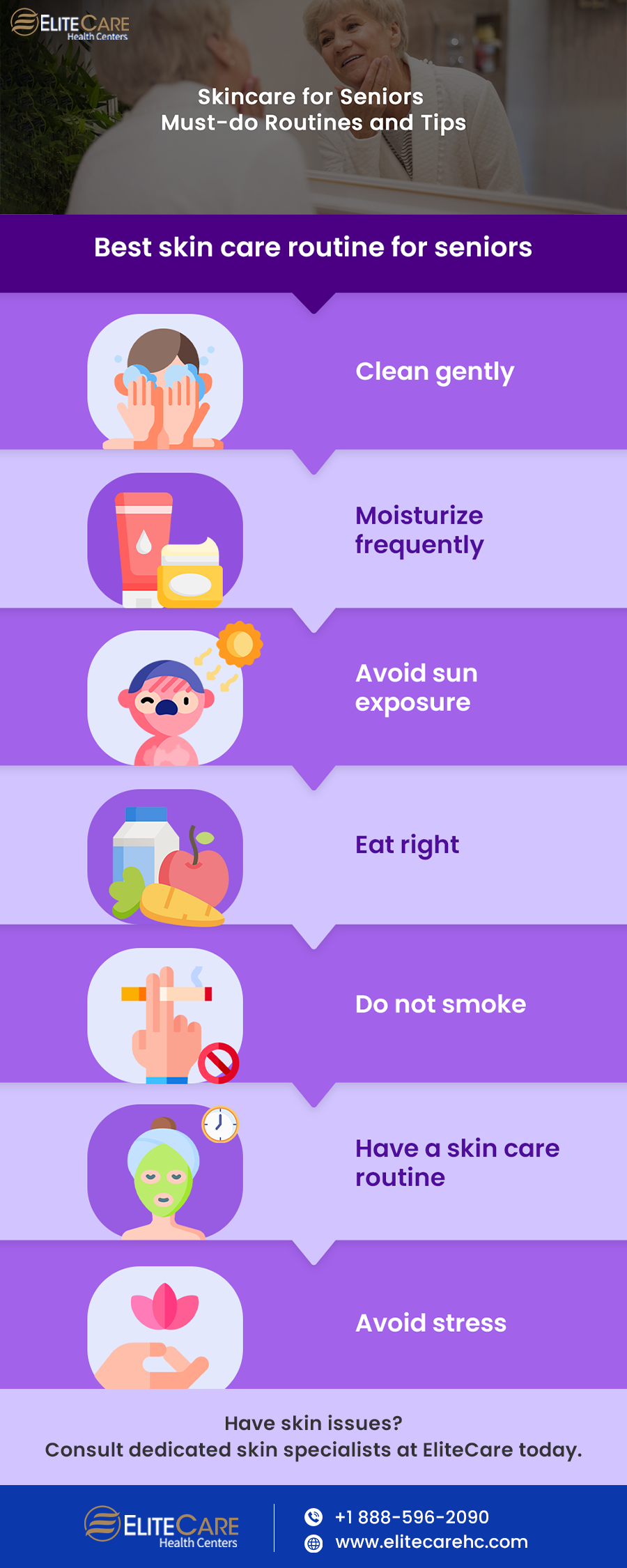
Stopping itchy skin in elderly individuals requires a multi-pronged approach. First, address dry skin through proper bathing habits, gentle cleansers, and immediate moisturization with effective emollients. Second, identify and treat any underlying skin conditions like eczema or fungal infections. Third, rule out systemic causes through medical evaluation when itching is widespread or persistent. Fourth, avoid triggers like harsh fabrics, dry air, and scratching that worsen the problem. Fifth, use appropriate topical treatments like menthol for quick relief and steroids sparingly for inflammation. Sixth, seek professional help for stubborn cases that don’t respond to home care.
With consistent daily moisturizing, gentle cleansing, and trigger avoidance, most elderly individuals experience significant improvement. The itch-scratch cycle can be broken, leading to better sleep, improved mood, and healthier skin. Start with the basics today and consult healthcare providers when needed for persistent or severe symptoms.