Imagine being unable to carry your groceries, rise from a chair without help, or walk up a flight of stairs without exhaustion. For many seniors, this is not hypothetical. It is daily life. As we age, the body undergoes a silent but powerful transformation. Muscle mass declines, bones weaken, and mobility falters. This natural process, known as sarcopenia, begins as early as age 30 and accelerates after 60, setting the stage for falls, fractures, chronic disease, and loss of independence.
But there is powerful good news. Strength training can stop and even reverse much of this decline. Unlike walking or cardio alone, resistance exercise directly targets the root causes of age-related physical deterioration. It rebuilds muscle, strengthens bones, improves balance, and enhances metabolic and brain health. Research shows that even adults in their 80s and 90s can gain significant strength, mobility, and confidence through consistent, safe resistance training.
Stop Sarcopenia: Rebuild Lost Muscle
Muscle loss is not just about looking weaker. It is about becoming functionally weaker. After age 30, adults lose 3% to 5% of muscle mass per decade, and that rate doubles after 60. This decline directly impacts your ability to stand, walk, lift, and live independently.
Strength Training Reverses Muscle Loss
Contrary to outdated myths, muscle tissue remains highly responsive to resistance training at any age. A landmark study found that nursing home residents with an average age of 87 gained dramatic strength and mobility after just 10 weeks of high-intensity resistance training. Some who used walkers switched to canes.
Strength training works by stimulating muscle protein synthesis, increasing muscle fiber size, and enhancing neuromuscular coordination. Even small increases in muscle mass lead to big functional improvements, like standing up faster or climbing stairs with ease.
Functional Gains Happen Fast
You do not need to bulk up to benefit. Strength gains often appear before visible muscle growth. Within 8 to 12 weeks, most seniors see improved gait speed, better grip strength, and easier chair rises. These changes mean more independence and less reliance on others.
Prevent Fractures: Strengthen Bones
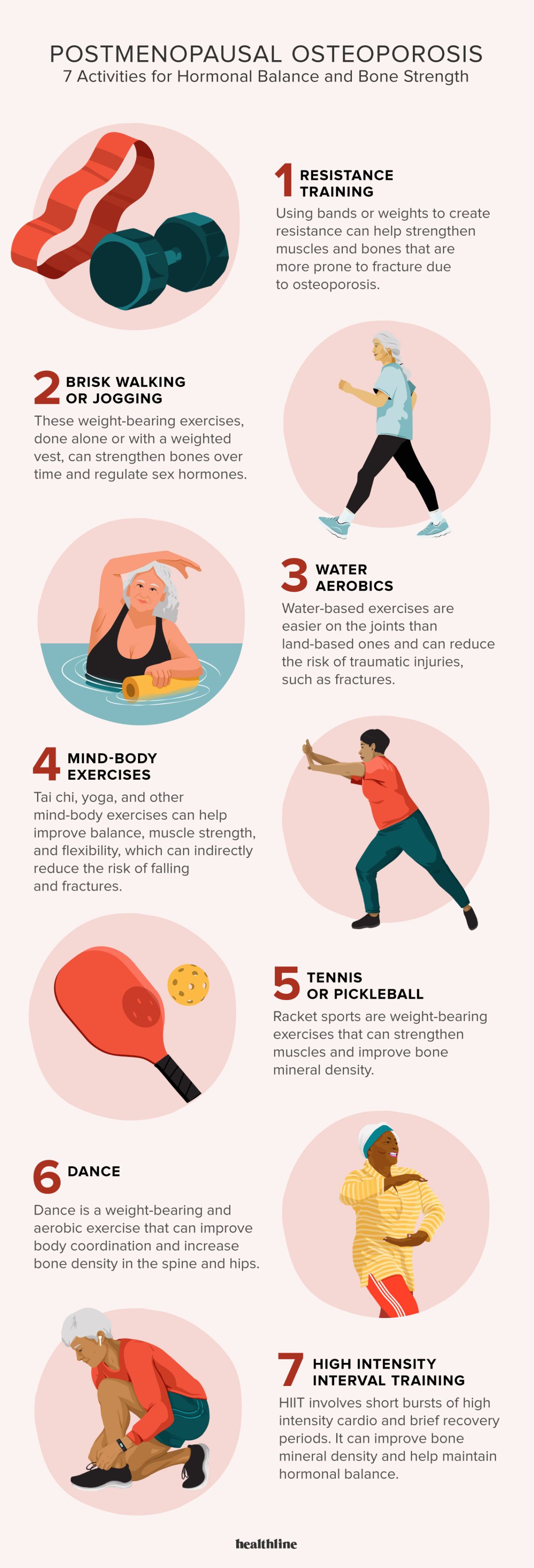
Bone loss is a silent threat. After 50, bone mineral density declines faster than it regenerates. Women lose up to 20% of BMD in the first 7 years after menopause, drastically increasing fracture risk. Hip fractures are especially dangerous. Twenty-four percent of seniors die within a year of a hip break. But strength training can change that.
Resistance Builds Bone Density
When muscles pull on bones during lifting, it triggers osteoblasts, cells that build new bone. Over time, this increases bone mineral density, particularly in the spine and hips.
Two key approaches work best. High-intensity resistance training uses 70 to 85% of max effort for 6 to 8 reps. Low-intensity with high reps uses 12 to 15 repetitions with lighter weights. High-intensity training is most effective for bone health, especially when using explosive lifts and slow lowers, a technique that maximizes bone-stimulating force.
Reduce Osteoporosis Risk
For those with osteopenia or osteoporosis, strength training is a frontline defense. Combined with calcium and vitamin D, it can slow or halt bone loss, reduce fracture risk, and improve posture and spinal support. Always consult a doctor first, but rest assured. When done safely, resistance training protects bones. It does not harm them.
Prevent Falls: Boost Balance and Stability
Falls are the leading cause of injury and death in seniors. Each year, 1 in 4 adults over 65 falls, yet most do not report it. Fear of falling leads to inactivity, which worsens muscle and bone loss. This creates a dangerous cycle. Strength training breaks it.
Stronger Muscles Equal Better Balance
Powerful legs and core muscles improve postural control, reaction time, and proprioception, which is body awareness. Exercises like sit-to-stands, step-ups, and heel raises mimic real-life movements, making daily tasks safer.
Combine Strength Plus Balance for Maximum Protection
Programs that mix resistance training with balance drills, such as single-leg stands and heel-to-toe walking, reduce fall risk by up to 40%. The key is consistency. Just 2 to 3 sessions per week deliver results. Pro tip: Start with chair support and progress gradually. Confidence grows with strength.
Manage Chronic Conditions Naturally
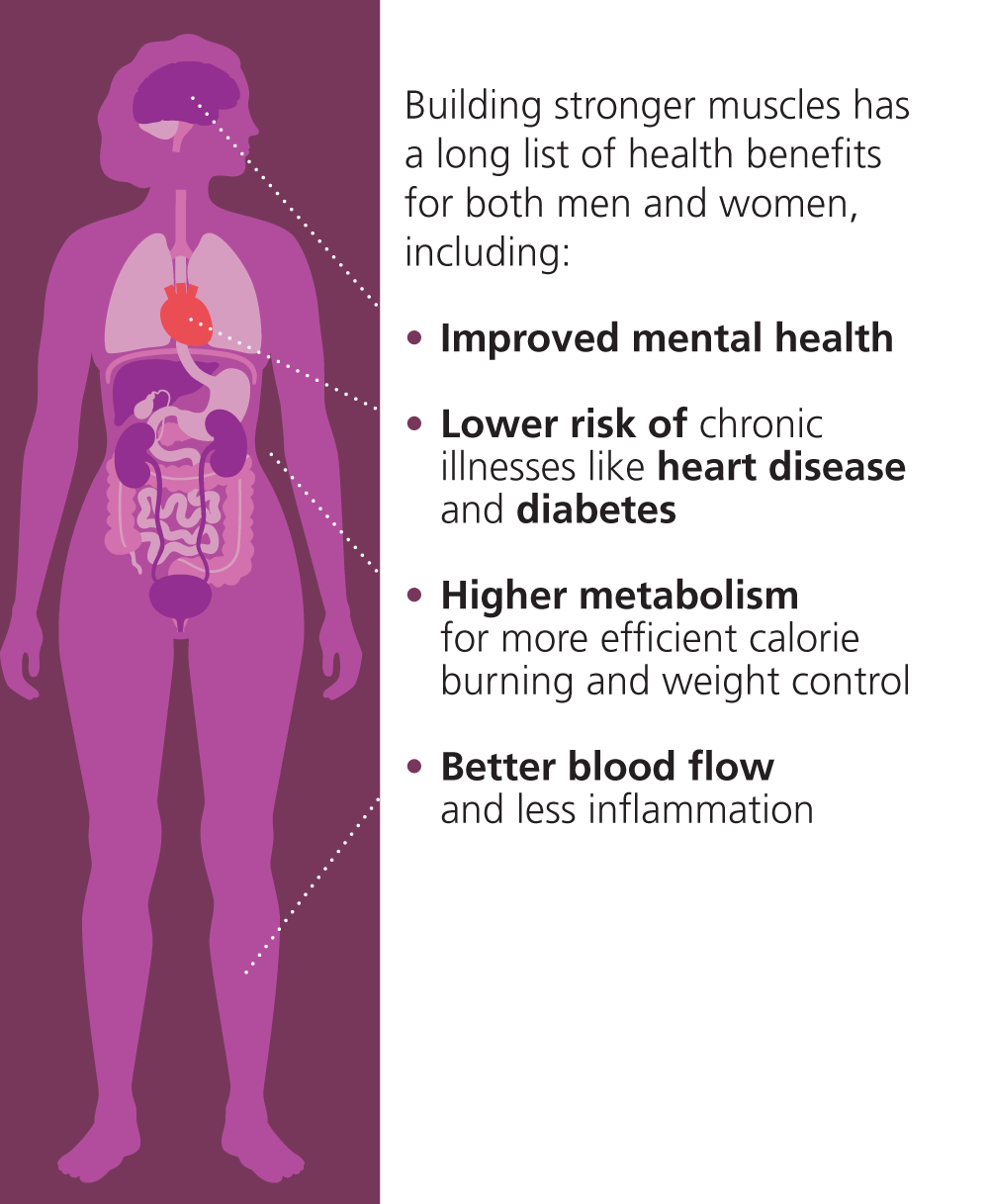
Strength training is not just about muscles and bones. It is medicine. It actively improves or prevents major age-related diseases.
Control Blood Sugar and Diabetes
Muscle is metabolically active, burning 6 to 7 kcal per day per pound at rest. More muscle means a higher resting metabolic rate and better insulin sensitivity. For seniors with type 2 diabetes or prediabetes, resistance training improves glucose uptake, reduces insulin resistance, and helps manage weight. The American Diabetes Association recommends 2 or more strength sessions per week, as important as medication.
Lower Blood Pressure and Improve Heart Health
While cardio gets credit for heart health, strength training also helps. It reduces systolic and diastolic blood pressure, improves lipid profiles by raising HDL and lowering triglycerides, and enhances vascular function. Combined with aerobic exercise, it slashes cardiovascular disease risk.
Protect Brain Health and Mood
Aging does not have to mean mental decline. Strength training boosts brain function and emotional well-being.
Sharper Mind, Better Memory
Resistance exercise increases brain-derived neurotrophic factor, a protein that supports brain plasticity. Studies link regular training to improvements in executive function, memory, and processing speed. Even seniors with mild cognitive impairment show stabilization or improvement.
Fight Depression and Anxiety
Exercise releases endorphins, but strength training adds a unique benefit. Increased self-efficacy builds confidence. Lifting a heavier weight or doing an extra rep creates tangible proof of capability. Group classes add social engagement, reducing loneliness and isolation, which are key factors in mental health.
Start Safely: Guidelines for Seniors
You do not need a gym or heavy weights to begin. But safety is critical, especially with health conditions.
Get Medical Clearance First
Always consult your doctor before starting, especially if you have heart disease, osteoporosis, diabetes, joint replacements, or chronic pain. Your physician may recommend supervised programs or refer you to a physical therapist.
Master Form Before Adding Weight
Focus on controlled, full-range movements. Exhale on effort when lifting. Keep your spine neutral. Avoid jerking or holding your breath. Poor form increases injury risk. Proper technique builds strength safely.
Watch for Warning Signs
Normal muscle soreness 24 to 48 hours after exercise is expected. Stop and consult a professional if you experience sharp or joint pain, dizziness or chest discomfort, shortness of breath, or prolonged fatigue.
Best Exercises for Older Adults
Choose movements that mimic daily life. These build functional strength safely.
Functional Strength Moves
- Chair squats practice standing up and sitting down
- Wall push-ups build upper body strength without strain
- Heel raises strengthen calves and improve balance
- Seated leg extensions target quadriceps for stair climbing
- Banded rows improve posture and back strength
- Farmer carries boost grip and core stability
Core and Balance Work
- Planks modified on knees or against a wall
- Pelvic tilts
- Standing on one leg using a chair for support
Do each exercise 2 to 3 times per week for best results.
Build a Routine You Can Stick To
Consistency beats intensity. Start simple, progress slowly.
Sample Beginner Routine
Warm up for 5 to 10 minutes with marching in place, arm circles, and gentle stretches. The workout includes chair squats for 2 sets of 10 to 12 reps, wall push-ups for 2 sets of 10 reps, seated leg extensions for 2 sets of 12 reps per leg, heel raises for 2 sets of 15 reps, banded rows for 2 sets of 10 to 12 reps, and single-leg balance for 20 to 30 seconds per side. Cool down for 5 to 10 minutes by stretching hamstrings, calves, chest, and shoulders. No equipment? Use water bottles or resistance bands. Progress by adding reps, sets, or resistance.
Overcome Common Barriers
Many seniors avoid strength training due to myths or fear. Let us debunk them.
I Am Too Old to Start
It is never too late. People over 90 have gained strength and mobility. The oldest participant in a major study was 101.
I Will Get Hurt
When done correctly, strength training is safer than inactivity. Low-impact options like resistance bands and aquatic training are joint-friendly and effective.
Cardio Is More Important
Cardio helps the heart, but only strength training rebuilds muscle, bone, and metabolic health. You need both.
Accessible Ways to Begin
You do not need a personal trainer or expensive equipment. Many free or low-cost options exist.
Try These Programs
- SilverSneakers offers free gym access, classes, and online workouts with many Medicare Advantage plans
- YMCA or senior centers provide low-cost strength and balance classes
- Home-based training uses resistance bands, bodyweight, or light dumbbells
Many programs offer beginner-friendly, chair-based routines, perfect for starting safely.
Final Takeaway: Strength Is Independence
Strength training is not about looking like a bodybuilder. It is about living stronger, longer, and more independently. Every rep builds resilience against falls, disease, and disability. The science is clear. Just 2 to 3 sessions per week can transform your health. You will gain muscle, protect bones, improve balance, manage chronic conditions, and feel more confident.
It is never too late to start. Every muscle matters. Every rep counts. Talk to your doctor, pick a safe starting point, and take that first step. Your future self will thank you.
Frequently Asked Questions About Strength Training for Seniors
At What Age Should Seniors Start Strength Training?
It is never too late. Research shows adults in their 80s and 90s can build significant strength. Even beginning at 70 or 80 provides substantial benefits for muscle mass, bone density, and mobility.
How Often Should Seniors Do Strength Training?
Aim for 2 to 3 non-consecutive days per week. This allows adequate recovery between sessions while building consistent strength. Even one session per week shows benefits.
Can Strength Training Help With Arthritis?
Yes. Clinical trials confirm resistance training reduces pain and improves physical function in individuals with osteoarthritis. It does not worsen the condition. Stronger muscles surrounding joints reduce mechanical stress and improve stability.
Is It Safe for Seniors With Osteoporosis?
Yes, when done safely. Consult your doctor first. Strength training stimulates osteoblast activity and increases bone mineral density. Focus on controlled movements and avoid excessive spinal flexion. Proper technique protects bones rather than harms them.
Do I Need Equipment to Start?
No. Bodyweight exercises like chair squats, wall push-ups, and seated leg extensions work effectively. Resistance bands, water bottles, or light household items add progressive challenge. Many community programs offer free or low-cost options.
How Long Before Seeing Results?
Functional improvements often appear within 8 to 12 weeks. Grip strength, gait speed, and chair rise times improve first. Visible muscle changes take longer, but strength gains happen quickly with consistent training.