
Losing weight after 60 is not about crash diets or intense workouts. It is about making smart, sustainable changes that support long-term health and independence. With over 40% of adults aged 60 and older living with obesity, weight management in later life has become a critical health priority. Excess weight increases the risk of type 2 diabetes, heart disease, joint pain, and even cognitive decline. The good news is that even a modest 5–10% reduction in body weight can dramatically improve mobility, energy, and overall well-being.
The key is approaching weight loss differently as you age. Metabolism slows, muscle mass declines, and medications can complicate progress. That is why effective weight loss for seniors focuses not on speed, but on preserving muscle, improving function, and building healthy habits under medical guidance. This guide provides science-backed strategies in clear, actionable steps so you or your loved one can lose weight safely and sustainably.
Track Progress Beyond the Scale
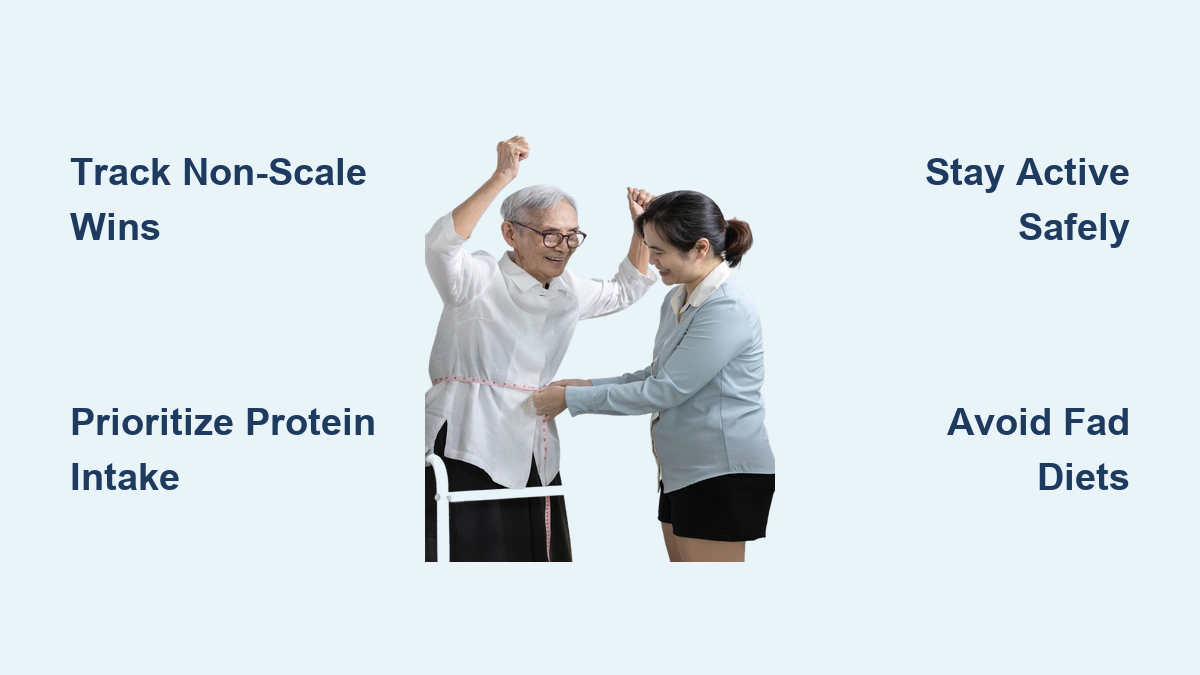
Relying only on the scale can be misleading for seniors. Due to sarcopenic obesity, where muscle is lost while fat increases, someone may lose inches and feel stronger while seeing little change on the scale. Instead, track these non-scale victories to measure real progress.
Monitor improvements in daily activities like climbing stairs, walking longer distances, or carrying groceries. Notice reductions in joint pain during everyday tasks. Pay attention to better balance and reduced fall risk, which are critical for maintaining independence. Track changes in clothing fit, as looser clothes often indicate progress even when weight remains stable.
Use these practical measurement tools to assess your journey. Measure waist circumference monthly, aiming for under 40 inches for men and under 35 inches for women. A 2-inch reduction in waist size significantly lowers visceral fat and cardiovascular risk. Consider grip strength tests, as stronger grip strength predicts better mobility and lower mortality risk in older adults.
Set Realistic Weight Loss Goals
Aim for a gradual loss of 1 to 2 pounds per week, or 1 to 2 pounds per month if frailty or health conditions are present. Rapid weight loss in seniors increases the risk of muscle wasting, nutrient deficiencies, dizziness, fatigue, and slowed metabolism. These complications can undermine your health goals rather than support them.
Focus on small, consistent changes that add up over time without overwhelming your routine. Start with walking 10 minutes daily or adding protein to breakfast. These manageable adjustments build momentum and create lasting habits. Remember that slow progress is still progress, and sustainability matters more than speed.
Avoid comparing your journey to younger adults or even to other seniors. Your body has unique needs and limitations. Work with your healthcare provider to set goals that are challenging yet achievable given your health status, medications, and physical capabilities.
Optimize Nutrition With Adequate Protein

Muscle preservation is critical during weight loss, making protein your most important nutrient. Older adults need 1.0 to 1.5 grams of protein per kilogram of body weight daily, nearly double the standard recommendation for younger adults. For a 150-pound person, that translates to 68 to 102 grams of protein per day.
Spread protein across your meals to maximize muscle synthesis. Aim for 20 to 30 grams per meal, with each main meal containing a protein source. This approach is more effective than consuming most protein in a single evening meal.
Include these high-protein foods in your grocery shopping. Eggs and hard-boiled eggs make convenient breakfast options. Greek yogurt and cottage cheese provide protein with calcium. Canned tuna, salmon, or pre-cooked rotisserie chicken offer quick protein solutions. Plant-based options like tofu, lentils, and beans work well for vegetarians. Protein powders like whey, pea, or soy can be blended into smoothies or mixed into oatmeal for extra protein without changing taste.
Pro Tip: Add a scoop of protein powder to oatmeal or blend cottage cheese into mashed potatoes for additional protein without altering flavor.
Choose Nutrient-Dense, Low-Calorie Foods
Seniors need fewer calories but more nutrients than younger adults. Focus your eating on foods that provide maximum nutrition per bite while keeping calorie intake manageable.
Prioritize these food categories. High-fiber vegetables like broccoli, spinach, zucchini, and carrots fill you up without excess calories. Water-rich produce such as cucumbers, tomatoes, melons, and celery support hydration while providing vitamins. Lean proteins including skinless poultry, fish, eggs, and legumes maintain muscle mass. Healthy fats in moderation from avocados, nuts, and olive oil support brain health. Whole grains like oats, quinoa, and brown rice provide sustained energy and fiber.
Limit or avoid these empty-calorie foods. Sugary drinks and fruit juices provide calories without nutrition. White bread, pastries, and refined snacks cause blood sugar spikes. Fried foods and processed meats contribute to inflammation and heart disease. High-sodium canned soups and frozen meals often contain hidden calories and excess salt.
Follow Evidence-Based Eating Patterns
Research supports several eating patterns for seniors looking to lose weight and improve health. The Mediterranean Diet emphasizes olive oil, fish, vegetables, nuts, and whole grains. Studies link this pattern to longer life and lower dementia risk. The DASH Diet was designed specifically to lower blood pressure while providing balanced nutrition. It is rich in fruits, vegetables, low-fat dairy, and lean protein. The MIND Diet combines Mediterranean and DASH principles with brain-boosting foods like berries and leafy greens, supporting cognitive health as you age.
Avoid fad diets like juice cleanses or extreme low-carb plans. These approaches lack essential nutrients and can worsen frailty in older adults. They are also difficult to maintain long-term, leading to yo-yo dieting that harms metabolism.
Use Practical Eating Habits
Simple tweaks can reduce calorie intake without leaving you feeling hungry or deprived. These strategies work with your natural hunger signals rather than fighting them.
Drink a glass of water before meals to feel fuller and reduce overall food intake. Use smaller plates to naturally control portions without thinking about serving sizes. Eat slowly and chew thoroughly, as it takes about 20 minutes for fullness signals to reach your brain. Brush your teeth after dinner to psychologically signal the end of eating time. Keep cut-up vegetables visible in the fridge for easy, low-calorie snacking. Prep meals in advance to avoid relying on processed foods when you are tired or rushed. Track your food intake using apps like MyFitnessPal to identify hidden calories and eating patterns.
Never drop below 1,200 calories per day without medical supervision, as this risks malnutrition and can worsen health conditions common in older adults.
Stay Active With Safe, Consistent Exercise
Exercise supports weight loss while preserving muscle, improving balance, and enhancing overall health. However, seniors must approach physical activity thoughtfully to avoid injury.
Aim for 150 minutes per week of moderate-intensity aerobic activity. This can include brisk walking, water aerobics, stationary cycling, dancing, or elliptical training. Start with 10-minute sessions and gradually build up to 30 minutes, 5 days per week. Walking just 30 minutes daily can burn 100 to 150 calories while improving heart health.
You know you are at moderate intensity if you can talk but not sing during the activity. This simple test helps ensure you are working hard enough to benefit without overexerting yourself.
Build Muscle With Strength Training
Muscle burns more calories than fat, even at rest. Including strength training 2 days per week helps preserve muscle mass, boost metabolism, and maintain independence in daily activities.
Target all major muscle groups with these exercises. Chair squats strengthen legs and improve sit-to-stand mobility. Wall push-ups build upper body strength without floor pressure. Resistance band rows and presses work arms and back. Dumbbell curls and shoulder lifts maintain arm strength for carrying groceries. Step-ups or heel raises improve leg power and balance.
Perform 1 to 3 sets of 10 to 15 repetitions for each exercise. Rest at least 48 hours between sessions to allow muscle recovery. Using resistance bands is an affordable, portable option that is gentle on joints while providing effective resistance.
Pro Tip: Resistance bands are affordable, portable, and gentle on joints, making them ideal for seniors starting their strength training journey.
Improve Balance and Flexibility
Falls are a leading cause of injury in seniors, making balance training essential for safety and confidence. Regular balance exercises reduce fall risk and improve confidence during daily activities.
Incorporate these balance exercises into your routine. Tai chi has proven effectiveness for improving balance and reducing fall risk. Chair yoga or gentle stretching maintains flexibility without strain. Standing on one leg while holding a counter builds stability. Heel-to-toe walking improves coordination. Pilates strengthens core muscles that support balance.
Perform balance exercises at least 3 days per week, especially if you have experienced falls or feel unsteady. Even small improvements in balance significantly reduce injury risk and maintain independence.
Manage Age-Related Metabolic Changes
Resting metabolic rate drops 1 to 2% per year after age 50 due to muscle loss. This gradual decline means you burn fewer calories at rest even when eating the same foods, leading to what doctors call creeping obesity.
Combat metabolic slowdown through three key strategies. Eat enough protein to preserve muscle tissue. Do regular strength training to build and maintain muscle mass. Stay active throughout the day with light movement like standing, walking, or doing household chores.
Hormonal changes also affect weight management. Women after menopause experience lower estrogen, shifting fat to the abdominal area and increasing heart disease risk. Men experience declining testosterone, reducing muscle and increasing fat. Both scenarios benefit from strength training and proper nutrition.
Note: Hormone replacement therapy is not a weight loss solution. Consult your doctor before considering any hormone treatment.
Address Medications and Medical Conditions
Some common medications can cause weight gain or make weight loss more difficult. Insulin and sulfonylureas for diabetes, corticosteroids like prednisone, tricyclic antidepressants, antipsychotics, beta-blockers, and gabapentin may all contribute to weight gain.
Never stop or change medication on your own. Instead, talk to your doctor about alternatives or dosage adjustments that might support your weight loss goals without compromising your health conditions.
Certain medical conditions can also hinder weight loss. Hypothyroidism slows metabolism. Sleep apnea disrupts sleep and hormones that control hunger. Chronic pain limits physical activity. Depression affects motivation and appetite. Get tested for these conditions if you are struggling despite maintaining healthy habits.
Hydrate Adequately and Sleep Well
Older adults often feel less thirsty, leading to dehydration that can mimic hunger and slow metabolism. Proper hydration supports weight loss by reducing false hunger cues and aiding digestion.
Aim for 64 ounces or 8 cups of fluids daily, primarily from water. Herbal teas, broth-based soups, and water-rich fruits and vegetables also contribute to hydration. However, those with heart failure or kidney disease may need fluid limits, so check with your doctor about your specific needs.
Poor sleep disrupts ghrelin and leptin, the hormones that control hunger and fullness. This imbalance increases appetite, especially for carbohydrates and high-calorie foods. Aim for 7 to 9 hours of sleep nightly to support weight loss and overall health.
Improve sleep by going to bed and waking at the same time daily. Avoid screens 1 hour before bed. Limit caffeine after noon. Create a calm bedtime routine that signals your body it is time to rest.
Seek Professional Medical Support
Before starting any weight loss plan, see your doctor to check for conditions causing weight gain, review medications, rule out unintended weight loss, and get personalized advice tailored to your health status.
A registered dietitian nutritionist can create a meal plan that fits your specific health needs, ensures you are getting enough protein and vitamins, and helps manage conditions like diabetes, kidney disease, or heart failure. Medicare covers behavioral counseling for obesity if your BMI is 30 or higher, providing up to 22 visits in a year at no cost.
For significant obesity with health complications, ask your doctor about advanced options. GLP-1 agonists like semaglutide or tirzepatide are prescription injectables that reduce appetite and can produce 10 to 20% weight loss. Bariatric surgery may be appropriate for BMI of 40 or higher, or 35 or higher with related health conditions. These options require monitoring for side effects and are not first-line treatments.
Avoid Common Weight Loss Mistakes
Many seniors undermine their weight loss efforts without realizing it. Avoiding these mistakes can accelerate your progress.
Do not skip protein. Cutting calories without enough protein leads to muscle loss rather than fat loss. This slows metabolism and increases frailty risk. Add a protein source to every meal and snack.
Do not over-restrict calories. Severe calorie cuts cause fatigue, dizziness, weakened immunity, and muscle loss. Stick to a 250 to 500 calorie deficit per day, which is enough to lose weight safely without compromising nutrition.
Do not ignore strength training. Cardio alone will not preserve muscle. Combine aerobic exercise with resistance training to maintain strength and independence.
Do not fall for fad diets. Juice cleanses, detoxes, and extreme low-carb plans lack essential nutrients and are unsustainable. Focus on balanced, real foods that you can enjoy for life.
Build Sustainable Healthy Habits
Successful weight loss in older adults requires habits you can maintain long-term, not just during a short-term diet.
Try the 85/15 rule. Aim to eat healthy 85% of the time, allowing flexibility for treats and special occasions. Perfection is not required. Progress matters more than perfection.
Practice mindful eating by sitting at a table rather than in front of the TV. Chew slowly and savor each bite. Stop eating when you feel 80% full, not stuffed. Recognize emotional eating triggers and find non-food ways to cope with emotions.
Time-restricted eating using the 16:8 method, eating within an 8-hour window, may improve insulin sensitivity. However, if you take insulin or diabetes medications, consult your doctor first due to risk of low blood sugar.
Monitor Progress and Adjust Accordingly
Track these measurements weekly to assess effectiveness. Weigh yourself on the same day, using the same scale. Measure waist circumference monthly. Log food intake using a journal or app. Record physical activity including steps and workout details. Note energy levels, mood, and mobility changes.
Make adjustments when needed. If weight stalls for 4 or more weeks, try increasing activity or tweaking portions. If you feel weak or dizzy, increase protein or calories. If joint pain worsens, modify exercises to reduce impact.
Frequently Asked Questions About Elderly Weight Loss
Is it safe for seniors to try to lose weight?
Yes, losing weight is safe and beneficial for most older adults when done properly. Even modest weight loss of 5 to 10% can improve mobility, reduce joint pain, and lower risk of chronic diseases like diabetes and heart disease. Always consult your doctor before starting a weight loss plan to ensure it is appropriate for your health status.
How much protein do elderly people need to lose weight?
Older adults need 1.0 to 1.5 grams of protein per kilogram of body weight daily to preserve muscle during weight loss. For a 150-pound person, this means 68 to 102 grams of protein per day, spread across meals with 20 to 30 grams per meal for optimal muscle synthesis.
What is the best exercise for seniors trying to lose weight?
A combination of aerobic exercise, strength training, and balance exercises works best. Aim for 150 minutes of moderate aerobic activity per week, plus strength training 2 days per week targeting all major muscle groups. Balance exercises 3 or more days per week reduce fall risk.
Can older adults lose weight without exercise?
While diet modifications can produce weight loss, exercise is crucial for preserving muscle mass, maintaining metabolism, and supporting overall health in seniors. Combining proper nutrition with appropriate physical activity produces the best results for long-term health and independence.
How long does it take for an elderly person to lose weight safely?
A safe rate is 1 to 2 pounds per week, or 1 to 2 pounds per month for those with health concerns. This gradual approach preserves muscle, supports metabolism, and reduces risk of nutrient deficiencies. Sustainable weight loss takes time, but the health benefits are worth the patience.
Key Takeaways for Senior Weight Loss Success

Weight loss after 60 is not only possible but profoundly impactful for your health and independence. Small, consistent changes like adding protein to every meal, walking daily, and strength training twice per week can collectively reverse age-related weight gain and improve how you feel.
Focus on health improvements beyond the scale. Track waist circumference, energy levels, mobility, and strength gains. These non-scale victories often matter more than the number on the scale for overall well-being.
Work with healthcare professionals to create a safe, effective plan. Your doctor can review medications, check for underlying conditions, and ensure your weight loss approach does not conflict with your health needs. Registered dietitians and physical therapists provide specialized support that makes success more achievable.
Remember that progress, not perfection, is the key. Every healthy choice contributes to a healthier, more vibrant later life. It is never too late to start improving your health through sustainable weight management.