
Watching an older loved one push away their plate can feel helpless and heartbreaking. Reduced appetite in seniors is incredibly common, but it is never something to simply accept. Behind that refusal often lies treatable causes like medication side effects, dental pain, depression, or simply food that has lost its appeal. The good news? Most causes are manageable with the right approach. This guide walks you through proven strategies to encourage eating in elderly individuals, from identifying hidden medical issues to making meals more appealing, comfortable, and social. You will learn exactly what to do when appetite declines, what foods work best, and when it is time to call in professional support.
Identify Why Appetite Declines

Before you can fix the problem, you need to understand what is causing it. Poor appetite in seniors is almost always a symptom of something else, not a lack of hunger itself. Pinpointing the root cause is the most important first step you can take.
Medical Conditions Affecting Hunger
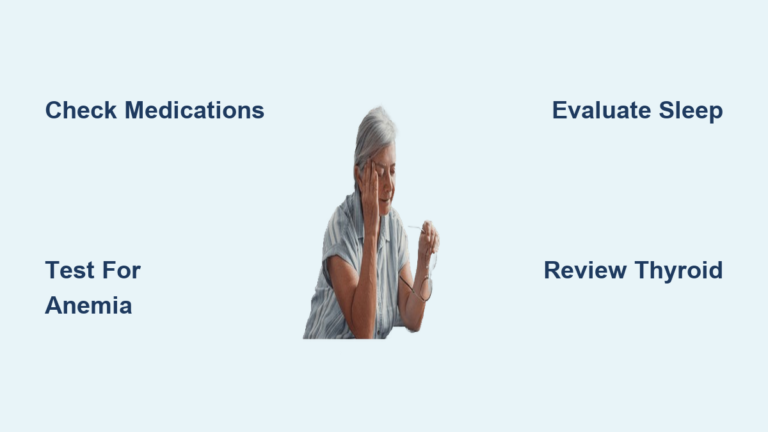
Several chronic health issues directly suppress appetite or make eating uncomfortable. Diabetes can cause nausea and alter taste perception. Heart and kidney disease often lead to early fullness from fluid retention. Cancer and its treatments frequently cause fatigue and taste changes. Gastrointestinal problems like acid reflux or constipation create discomfort that makes eating feel like a chore. Thyroid disorders either slow metabolism too much or cause digestive upset. Request a full medical review if appetite loss is sudden or persistent.
Medications That Reduce Appetite
Many common prescriptions dull hunger or alter how food tastes. Antidepressants, antipsychotics, diuretics, antibiotics, and cardiac medications are frequent culprits. Side effects include nausea, dry mouth, metallic taste, and altered smell. Ask the pharmacist or GP to review current medications. A simple switch to an alternative drug can sometimes restore lost interest in food entirely.
Dental and Swallowing Problems
Painful chewing or difficulty swallowing often goes unreported by seniors who do not want to complain. Watch for slow chewing, food pocketing, or coughing during meals. Poorly fitting dentures, tooth decay, gum disease, and dry mouth all make eating uncomfortable. A swallowing evaluation with a speech-language pathologist can identify dysphagia and recommend safe texture modifications.
How Dementia Affects Eating
Brain changes in dementia disrupt eating in specific ways. Your loved one may forget to eat entirely, not recognize food as something to eat, or struggle with utensils due to motor skill decline. Environmental factors like patterned tablecloths can look confusing or frightening. In dementia, simplifying everything matters more than perfecting the menu.
Make Food More Appealing
Taste and smell naturally diminish after age 60, so food that seems perfectly seasoned to you may taste bland to an older adult. Boosting flavor without relying on salt can revive interest in meals significantly.
Use Herbs and Bold Seasonings
Fresh herbs and spices stimulate aging taste buds far better than salt alone. Garlic and onion add savory depth to any dish. Curry powder and chili flakes wake up dull flavors. Cinnamon and nutmeg transform ordinary oatmeal. Rosemary, thyme, and basil brighten meats and vegetables. Simmer herbs into soups and sauces so the flavor penetrates soft foods completely.
Counteract Metallic Taste
Certain medications make meat taste like metal. Switch to alternative proteins like eggs, cheese, tofu, beans, or fish. Marinate chicken or beef in citrus juice or vinegar before cooking to improve palatability. Keeping pre-marinated, ready-to-cook protein options in the freezer makes mealtime easier.
Adjust Food Texture
Many seniors avoid eating not because they are uninterested, but because chewing and swallowing has become difficult or painful. Adapting texture can mean the difference between refusal and satisfaction.
Serve Soft, Nutrient-Dense Foods
Choose foods that require minimal chewing but deliver maximum nutrition. Scrambled eggs with cheese provide protein and calories. Mashed potatoes with butter are easy to eat and comforting. Oatmeal with honey and banana offers fiber and energy. Cottage cheese, Greek yogurt, pureed soups, steamed vegetables, and ground chicken all fit this category perfectly.
Cut Food Into Bite-Sized Pieces
Reducing food size makes eating less effortful and safer. Dice meats, fruits, and vegetables into small cubes. Use a food processor for uniform chopping. Offer finger foods like cheese cubes, avocado slices, or soft meatballs that require no utensils at all.
Serve Finger Foods for Independence
When utensils become frustrating or difficult to manage, finger foods restore a sense of control and dignity. Self-feedable options encourage eating without the stress of struggling with forks and spoons.
Best Finger Food Options
Try chicken nuggets, fish sticks, small sandwiches cut into squares, steamed broccoli florets, orange segments, grapes halved for safety, crackers with peanut butter or hummus, banana slices, and string cheese. Adding dipping sauces like ranch, yogurt, or guacamole increases calorie intake while making eating more enjoyable.
Create a Calm Dining Environment

A chaotic or confusing environment overwhelms seniors and especially those with dementia. Mealtimes should feel safe, not stressful.
Simplify the Table Setting
Use plain white plates without patterns. Choose dark plates for light-colored food or light plates for dark food to create contrast. Avoid patterned tablecloths that can look like bugs or holes to someone with vision or cognitive issues. Serve one dish at a time to prevent feeling overwhelmed. A black tray on a white table increases visibility dramatically for visually impaired seniors.
Minimize Distractions
Turn off the television and radio. Close cabinet doors to reduce visual clutter. Limit conversation during meals if the person struggles to focus. Allow 45 to 60 minutes for eating. Rushing creates stress and actually reduces food intake.
Eat Together Whenever Possible
Eating is fundamentally a social activity, and isolation kills appetite faster than anything else. Shared meals increase food consumption by as much as 30 percent.
Make Mealtimes Social
Join your loved one for breakfast, lunch, or dinner whenever you can. Invite family for weekly dinner dates. Schedule video calls during meals with distant relatives. Visit a café or restaurant for a change of scenery. Even silent companionship helps. Just being present at the table can prompt someone to eat who would otherwise refuse.
Use Meal Delivery With Check-Ins
Programs like Meals on Wheels deliver hot, balanced meals directly to the home. The drivers also perform brief wellness checks, providing daily social interaction and peace of mind for families. Contact local senior centers or United Way by dialing 211 to find programs in your area.
Support Independence and Dignity
Nothing diminishes motivation faster than feeling helpless or controlled. Supporting self-feeding, even when it gets messy, preserves dignity and often improves intake.
Adapt Utensils and Dishware
Use plates with raised rims to help push food onto utensils. Place non-slip mats under plates to prevent sliding. Try large-grip or weighted utensils for arthritis or tremors. Offer spill-proof cups with straws. Do not take over feeding unless it is absolutely necessary. Doing everything for someone removes their motivation to try.
Guide Without Taking Over
If coordination is poor, use hand-over-hand assistance. Place your hand over theirs to guide the spoon or fork while letting them do the actual work. Praise effort generously. The goal is promoting autonomy, not creating dependence.
Establish a Routine
The body responds to predictability. Consistent meal times help regulate natural hunger signals even when appetite is low.
Offer Small, Frequent Meals
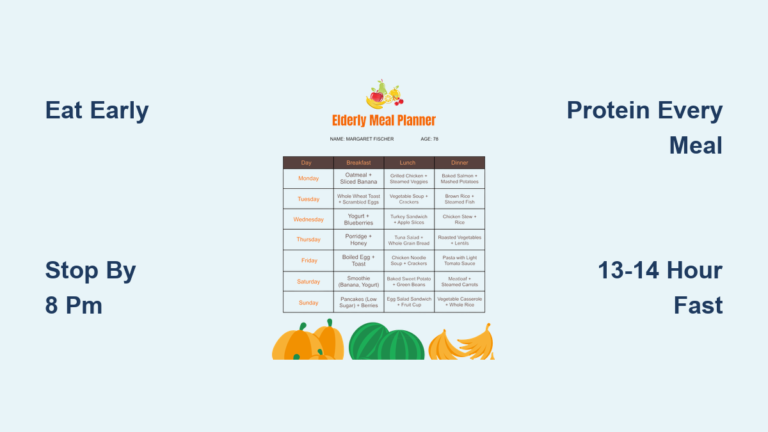
Large meals feel overwhelming to seniors with reduced appetites. Five to six small meals or snacks throughout the day work better than three big ones. Serve the most nutritious foods when appetite peaks, which is often breakfast or mid-morning. Prep and freeze individual portions of soups, stews, or casseroles for easy reheating.
Use Visual Reminders
Post a meal schedule on the refrigerator. Set phone alarms for snack times. Use a timer to prompt when it is time to eat. Label meals in advance: “Lunch — Chicken Soup + Crackers.” Simple cues help when memory is unreliable.
Increase Calories and Protein
Seniors actually need more protein per pound than younger adults to prevent muscle loss. Focus on nutrient density, not volume.
Add Calories Without Bulk
Stir butter, olive oil, or cream into mashed potatoes, rice, or vegetables. Mix powdered milk into soups, oatmeal, or scrambled eggs. Add honey or maple syrup to yogurt or cereal. Use full-fat dairy unless medically restricted. These additions boost calories in small portions without requiring more food intake.
Prioritize Protein at Every Meal
Serve eggs, Greek yogurt, cottage cheese, ground chicken or turkey, fish, beans, tofu, or nut butters at each meal. Adding a scoop of protein powder to smoothies or oatmeal helps when approved by a doctor. Muscle maintenance is critical for preventing frailty and falls.
Promote Hydration
Dehydration is common in seniors and often mimics or worsens appetite loss. Many older adults do not feel thirsty, so you must offer fluids regularly.
Offer Fluids Frequently
Keep water within reach at all times. Use cups with lids and bendable straws. Fill glasses only halfway to prevent spills. Offer herbal teas, broths, or flavored water. Aim for six to eight glasses daily unless restricted by a medical condition.
Include Hydrating Foods
Boost fluid intake through food. Watermelon, oranges, grapes, soups, broths, yogurt, and smoothies all contribute. Popsicles and frozen fruit work well too. Dark urine, dry mouth, or dizziness signal dehydration that needs immediate attention.
Encourage Light Physical Activity
Movement stimulates appetite naturally. Even small amounts of activity before meals can make a significant difference.
Try Daily Movement
A 10 to 15 minute walk around the block, chair yoga, stretching, or light gardening all help. Twenty to 30 minutes total per day is enough to boost hunger significantly. Exercise before meals, not after, to maximize the appetite effect.
Involve Them in Food Choices
Control increases cooperation. Letting your loved one make decisions about what to eat often yields better results than dictating meals.
Let Them Choose Their Meals
Offer simple choices: “Would you like eggs or oatmeal?” Serve favorite childhood dishes like mac and cheese or pancakes. Bring nostalgic foods like tuna casserole or apple pie. It is okay if they eat the same thing every day. Consistency encourages intake far better than forcing variety.
Bring Their Favorite Treats
Use preferred foods as anchors. Saying “I brought your favorite peanut butter sandwich” can prompt a bite when nothing else works. If it is safe to eat, let them enjoy it, even if it is not perfectly healthy.
Use Supplements When Needed
When food intake remains insufficient, supplements can bridge the gap between what is eaten and what is needed.
Choose High-Calorie, High-Protein Options
Ensure, Boost, Orgain, and similar shakes provide concentrated nutrition. Diabetic-friendly versions exist for those with blood sugar concerns. Offer supplements between meals, not before, so they do not reduce appetite for solid food.
Know When Supplements Help
Supplements are appropriate when weight loss is occurring, meals are consistently refused, or recovery from illness is slow. They complement real food rather than replace it. Use under medical guidance for best results.
Seek Professional Help
Some situations require expert intervention. Do not wait too long to bring in professional support.
See a Doctor for Red Flags
Act quickly if you notice unintentional weight loss of 5 percent of body weight in six to 12 months, persistent refusal to eat, choking or gagging while eating, sudden confusion or fatigue, or signs of dehydration or dental pain. Request a full medical review including blood work and medication audit.
Work With Specialists
A registered dietitian can create personalized meal plans. A speech therapist addresses swallowing impairment. A dentist solves denture fit and oral pain issues. A mental health provider treats depression or anxiety. Many services are covered under Medicare with a proper referral.
Monitor Progress and Prevent Decline
Tracking simple metrics helps you catch problems early and adjust strategies before crisis occurs.
Track Food and Weight Weekly
Keep a simple log of what was eaten, mood during meals, and any choking or discomfort. Weigh the person weekly at the same time on the same scale. A five-pound drop in a month requires medical review. Watch for fatigue, confusion, and slow wound healing, which signal malnutrition.
Prevent Muscle Loss
Serve protein at every meal. Add calorie boosters to foods. Encourage light resistance exercises like resistance bands. Sarcopenia, or muscle wasting, begins quickly in seniors who are not eating enough. Early intervention prevents irreversible decline.
Frequently Asked Questions About Getting Elderly to Eat
Why do older adults lose interest in eating?
Appetite loss in seniors usually stems from multiple factors combined. Medication side effects, dental problems, reduced taste and smell, chronic illnesses, depression, and isolation all contribute. Identifying the specific causes is essential for effective intervention.
What are the best foods for seniors who refuse to eat?
Focus on soft, nutrient-dense options that require minimal chewing. Scrambled eggs, mashed potatoes, oatmeal, Greek yogurt, pureed soups, ground meats, and high-protein smoothies work well. Add butter, cheese, and healthy fats to increase calories without increasing volume.
How can I encourage an elderly person with dementia to eat?
Simplify everything. Use plain plates without patterns. Serve one food at a time. Offer finger foods for independence. Reduce distractions. Eat together to provide social modeling. Keep mealtimes calm and predictable. Do not pressure or rush.
When should I worry about an elderly person not eating?
Seek medical help if weight loss exceeds 5 percent of body weight in six months, refusal persists for more than a few days, there is choking or coughing while eating, or sudden confusion or fatigue appears. Early professional intervention prevents serious complications.
How do I get an elderly person to drink more fluids?
Offer small amounts frequently throughout the day. Use cups with lids and straws. Serve hydrating foods like soup, fruit, and yogurt. Set regular reminders. Flavored water, herbal teas, and broths add variety. Avoid caffeine if it causes restlessness or bathroom urgency.
Are nutritional supplements necessary for seniors who do not eat?
Supplements help when food intake remains consistently insufficient despite other efforts. High-protein shakes like Ensure or Boost can bridge the gap. They should complement, not replace, whole foods. Use under medical guidance to ensure appropriate selection and dosing.
Key Takeaways for Getting Elderly to Eat
Getting an elderly person to eat requires addressing multiple fronts simultaneously. Start by identifying underlying causes like medication effects, dental pain, or depression. Then make food appealing through bold seasonings and attractive presentation. Adapt texture to match chewing ability, and prioritize protein and calories in small, manageable portions. Create a calm, social dining environment that supports independence rather than taking over. Track weight and food intake weekly, and do not hesitate to involve doctors and specialists when home strategies are not enough. With patience, creativity, and consistent effort, most seniors can maintain adequate nutrition and dignity.