Shuffling feet in older adults is a red flag, not a normal part of aging. When an elderly person drags their feet while walking, it signals underlying weakness, neurological changes, joint stiffness, or fear of falling. This gait pattern dramatically increases fall risk, reduces independence, and can trigger a downward spiral in physical health. The good news: shuffling can often be prevented or reversed with targeted interventions.
This guide breaks down proven strategies to stop shuffling before it leads to falls or loss of mobility. You will learn how to identify root causes, strengthen key muscles, retrain walking patterns, and create a safer home environment.
Identify the Root Cause of Shuffling

Before fixing shuffling, you must understand what is causing it. Different triggers require different solutions. A proper diagnosis ensures you target the right problem.
Rule Out Neurological Conditions
Shuffling is often linked to brain and nerve disorders that affect motor control. Medical evaluation is essential when neurological causes are suspected.
Parkinson Disease Signs
Parkinson disease causes a distinctive gait pattern known as festination. Watch for these specific symptoms:
- Small, quick, shuffling steps that accelerate unintentionally
- Stooped posture with reduced arm swing
- Difficulty starting or stopping movement
- Freezing episodes when walking through tight spaces
A neurologist can confirm diagnosis through clinical examination and imaging. However, shuffling does not automatically mean Parkinson disease. Many other conditions cause similar patterns.
Stroke or Hemiparesis
One-sided weakness from stroke creates asymmetric gait patterns. Look for these indicators:
- Dragging one foot, especially during swing phase
- Foot drop on the affected side
- Reduced balance on the weaker side
Sudden onset of shuffling requires immediate medical evaluation.
Peripheral Neuropathy
Nerve damage, often from diabetes, impairs sensation and coordination. Key signs include:
- Numbness or tingling in feet
- Poor proprioception, meaning reduced awareness of foot position
- Flat-footed, cautious walking to feel the ground
Nerve conduction studies can confirm this diagnosis.
Assess Muscle Weakness and Joint Stiffness
Age-related muscle loss and joint pain are common but fixable causes. Identifying specific weak areas guides exercise selection.
Key Weak Muscles That Cause Shuffling
Certain muscles directly impact walking quality when they weaken:
- Tibialis anterior: Cannot lift the foot, causing foot drop
- Glutes: Weak push-off shortens stride length
- Calf muscles: Poor propulsion creates slow, dragging steps
- Hip flexors: Cannot lift knee high enough, leading to toe scraping
A physical therapist can identify which muscles or joints are limiting movement through targeted assessment.
Arthritis Impact on Gait
Joint pain fundamentally changes how people walk. Arthritis causes:
- Protective short steps to minimize joint stress
- Limited ankle dorsiflexion and hip extension
- Reduced overall mobility
Managing arthritis pain often improves gait automatically.
Check for Medication Side Effects
Many common medications impair balance and coordination. Reviewing prescriptions may reveal easily fixable causes.
High-Risk Medications
These drug classes commonly cause gait problems:
- Benzodiazepines like lorazepam cause drowsiness and poor coordination
- Antihypertensives lead to dizziness from low blood pressure
- Antipsychotics may induce parkinsonism
- Metoclopramide can cause tremors and rigidity
Schedule a medication review with a doctor or pharmacist. Reducing or replacing these drugs often improves gait within weeks.
Address Fear of Falling
Psychological factors can mimic physical ones. Fear itself creates shuffling patterns.
How Fear Changes Gait
After a fall or near-fall, people adapt their walking in ways that paradoxically increase danger:
- Shorter steps to feel more stable
- Reduced foot lift to stay grounded
- Hunched posture to lower center of gravity
These protective changes actually reduce agility and recovery ability. Addressing fear through confidence-building exercises and education breaks this cycle.
Strengthen Key Muscles to Improve Gait
Targeted exercises rebuild the strength needed for safe, efficient walking. Consistent practice produces measurable results.
Fix Foot Drop with Tibialis Anterior Training
Weakness in the front shin muscle causes toes to drag during walking. Building this muscle improves foot clearance dramatically.
Tib Raise (Wall or Seated)
This exercise strengthens the muscle that lifts your foot:
- Stand with your back against a wall, heels 18 inches from the wall
- Bend your knees slightly and pull your toes toward your shins
- Focus on tightening the front of your lower leg
- Perform 15 to 30 repetitions in 2 to 3 sets
- Practice twice daily for best results
Progress by moving farther from the wall or adding resistance bands. Most people notice improved foot clearance within seven days.
Boost Hip Extension for Longer Strides
Weak glutes shorten stride and reduce push-off power. Restoring hip extension reverses these problems.
Hip Flexor Toe Slide
This movement stretches tight hip flexors while activating glutes:
- Face a wall and place your hands on it for support
- Step one foot back, keeping toes on the floor
- Slide your back foot forward while bending your front knee
- Squeeze your glutes throughout the entire movement
- Perform 10 to 15 repetitions per leg, 2 to 3 times daily
The stretching action combined with muscle activation produces faster results than either approach alone.
Hip Swings (Skateboard Drill)
This dynamic movement improves hip mobility and coordination:
- Hold onto a wall for balance and stand on one leg
- Swing your other leg forward and backward like pushing a skateboard
- Keep your torso upright throughout the movement
- Perform 10 swings per leg, 3 times daily
The rhythmic motion activates muscles differently than static exercises, building functional strength.
Increase Calf Power for Stronger Push-Off
Weak calves lead to flat, shuffling steps that lack propulsion. Building calf strength restores natural push-off.
Explosive Calf Raise
This exercise targets fast-twitch muscle fibers needed for propulsion:
- Warm up with one minute of slow heel raises
- Rise onto your toes as fast as possible
- Lower slowly over four seconds
- Perform 10 repetitions, 3 times daily
The explosive upward motion combined with controlled lowering builds both power and control.
Retrain Walking Patterns
Gait is a learned behavior. Even flawed patterns can be retrained with conscious practice.
Use the Heel, Toe, Bend Cue
A simple verbal prompt corrects foot mechanics during walking. This cueing method shows remarkable results.
Step-by-Step Cueing
Practice this three-part cue with every step:
- Heel: Strike the ground with your heel first
- Toe: Roll through to push off with your toes
- Bend: Consciously bend your knee during swing phase
Apply this cue during every step, especially when starting to walk. Users report 90% showing improved gait within days.
Practice Heel-Toe Walking
This drill builds balance and proper foot sequence simultaneously:
- Hold onto a counter or walker for support
- Step forward with your heel, shifting weight onto that foot
- Push off through your toes as you swing the other leg forward
- Alternate legs in a straight line
- Perform 10 steps per leg, daily
The controlled practice rewires neural pathways that govern walking. Bonus benefits include improved tandem balance.
Try Backward and Sideways Walking
These directions activate underused muscles and improve agility:
- Backward walking strengthens quadriceps and improves posture
- Sidestepping builds hip abductor strength for lateral stability
Start with support and practice 10 steps in each direction. These movements challenge muscles in ways forward walking does not.
Improve Balance and Core Stability
Strong balance prevents falls and supports confident walking. Both elements require dedicated training.
Single-Leg Stands
This exercise builds confidence in weight shifting:
- Hold a chair for support and lift one foot off the ground
- Hold the position for 30 seconds
- Switch legs and repeat
- Progress by closing your eyes or standing on foam
The goal is building trust in your ability to balance on one leg, which is essential during walking.
Balance Board or Foam Pad Training
Unstable surfaces sharpen proprioception and foot awareness:
- Stand on a foam pad or wobble board
- Maintain balance for 1 to 2 minutes
- Practice 3 times per week
This training teaches your body to make rapid corrections, improving real-world stability.
Core Strengthening Exercises
A strong core supports upright posture throughout walking:
- Seated marches: Lift knees while sitting to activate hip flexors and core
- Pelvic tilts: Lie on your back and flatten your lower back into the floor
- Modified planks: On knees, hold your body straight for 10 to 20 seconds
Perform these exercises daily for 5 to 10 minutes. Core strength directly impacts walking endurance and posture.
Use Assistive Devices and Orthotics

Tools can provide support and correct biomechanical flaws when used appropriately.
Ankle-Foot Orthosis for Foot Drop
An AFO holds your ankle at 90 degrees, preventing toe dragging:
- Best for stroke, neuropathy, or nerve conditions
- Available as custom-molded or off-the-shelf options
- Can be rigid or hinged depending on needs
Must be fitted by a physical therapist or orthotist for proper function.
Canes and Walkers
Proper selection and fitting matter more than device type:
- Cane: Best for mild instability, use on the strong side
- Walker: Provides wider base for moderate balance issues
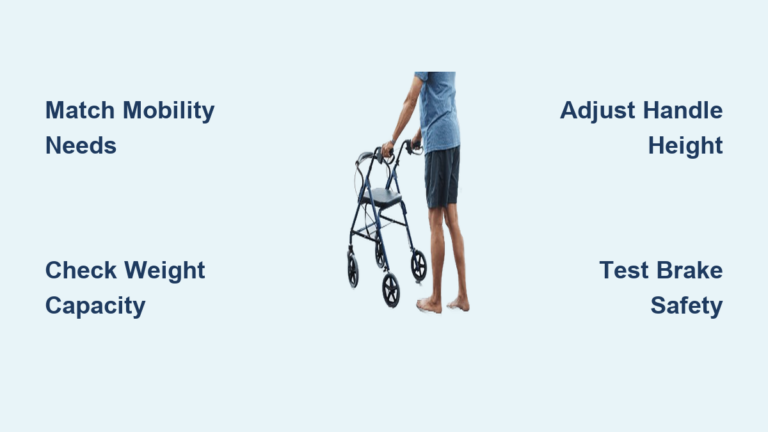
- Rollator: Wheeled walker with seat ideal for longer walks
Ensure proper height and receive training to avoid dependency. Improper use creates new problems.
Modify Home Environment for Safety
A safer home reduces fear and encourages confident walking. Small changes produce big results.
Remove Fall Hazards
Eliminate common tripping sources:
- Take up loose rugs or secure them with non-slip pads
- Clear clutter and cords from all walking paths
- Install night lights in hallways and bathrooms
These changes remove anxiety triggers that cause shuffling.
Improve Lighting and Contrast
Visibility directly impacts walking confidence:
- Use bright, even lighting throughout the home
- Add contrasting tape on stair edges
- Paint door frames a different color than walls
Better visibility encourages normal foot lift rather than cautious dragging.
Install Grab Bars and Handrails
Physical support promotes confidence:
- Bathroom: Place near toilet and in shower
- Stairs: Install on both sides, securely anchored
These supports reduce fear without encouraging dependency.
Wear Proper Footwear
The right shoes make a measurable difference in walking quality.
Shoe Features to Look For
Select shoes with these characteristics:
- Firm heel counter that does not collapse when squeezed
- Non-slip rubber soles, never leather
- Low heel under one inch
- Secure fit with laces or Velcro
- Wide base for stability
Shoes to Avoid
Certain footwear causes problems:
- Backless slippers
- Worn-out soles with reduced traction
- Smooth or hard bottoms that slide
Replace shoes every 6 to 12 months or 500 miles of walking. Worn shoes undermine all your other efforts.
Manage Underlying Medical Conditions
Treating root health issues stops shuffling at the source. Medical management complements physical approaches.
Parkinson Disease Management
When neurological disease causes shuffling:
- Medications like levodopa improve motor function
- Daily physical therapy is essential
- High-intensity exercise specifically improves gait
Working with a neurologist ensures optimal treatment.
Diabetes and Neuropathy
Controlling nerve damage requires:
- Blood sugar management to prevent further damage
- Daily foot inspection for cuts or sores
- Proper socks and footwear
Podiatrist visits help maintain foot health.
Arthritis Pain Relief
Reducing joint pain improves mobility:
- Medications like NSAIDs or topical creams
- Low-impact exercise like swimming or cycling
- Assistive devices to reduce joint strain
Pain management enables more effective exercise.
Join Proactive Exercise Programs
Structured programs boost consistency and results. Community support matters.
Recommended Programs
These resources provide guided exercise:
- Bold Health offers online balance and strength classes designed for seniors
- PBS Quick Fit with Cassy provides free TV workouts focusing on foot agility
- Local senior centers often have fall prevention or balance programs
Aim for 3 to 5 sessions per week. Improved confidence and fewer near-falls are typical outcomes.
When to See a Doctor
Do not wait if shuffling is new or worsening. Some causes require immediate attention.
Seek Evaluation If You Notice
These symptoms demand professional assessment:
- Sudden onset of shuffling
- One-sided weakness or numbness
- Tremors, stiffness, or freezing episodes
- Frequent tripping or near-falls
- Cognitive changes or confusion
Specialists Who Can Help
These professionals address different aspects:
- Neurologist evaluates Parkinson and stroke
- Physical therapist provides gait analysis and exercise plans
- Geriatrician manages overall aging care
- Podiatrist addresses foot structure and orthotics
A comprehensive evaluation ensures nothing is missed.
Key Takeaways for Preventing Elderly Shuffling
Shuffling feet is not inevitable. It is a warning sign that can be reversed with the right approach.
The most effective strategy combines daily strength exercises targeting the tibialis anterior, calves, and hip muscles with conscious gait retraining using cues like heel-toe walking. Balance and core work provides the stability foundation that supports confident walking, while proper footwear and home safety modifications remove environmental barriers.
Medical evaluation remains essential to rule out neurological conditions, manage medications, and treat underlying health issues. Consistency matters more than intensity. Just 10 to 15 minutes daily produces measurable improvements within weeks.
The goal is not simply to stop shuffling. It is to restore independence, reduce fall risk, and help every elderly person walk with confidence again.
Frequently Asked Questions About Preventing Elderly Shuffling
What causes shuffling feet in elderly individuals?
Shuffling stems from multiple causes including muscle weakness in the legs, neurological conditions like Parkinson disease, foot drop from nerve damage, arthritis pain, medication side effects, and fear of falling after previous falls. Identifying the specific cause guides treatment.
Can shuffling be reversed in older adults?
Yes, shuffling can often be reversed. Research shows 90% of people practicing targeted exercises show improved gait within days to weeks. Daily strength training, gait retraining, and addressing underlying causes produce the best results.
What exercises stop shuffling?
Key exercises include tibialis anterior raises to fix foot drop, calf raises for push-off power, hip flexor stretches and glute activation for stride length, and balance training for stability. Consistency matters more than intensity.
Does shuffling mean Parkinson disease?
No, shuffling does not automatically mean Parkinson disease. While shuffling is a hallmark of Parkinson, many other conditions cause similar patterns. A neurologist can determine the actual cause through examination and testing.
When should I worry about shuffling gait?
Worry if shuffling starts suddenly, worsens progressively, accompanies other symptoms like tremor or numbness, or results in frequent falls. These situations require medical evaluation to identify underlying causes.
How long does it take to improve shuffling gait?
Initial improvements in foot clearance often appear within seven days. Noticeable increases in stride length and stability typically develop within 2 to 4 weeks. Sustained correction requires 6 to 8 weeks of consistent practice.