
Bathing a senior citizen is more than a hygiene task. It is an intimate act of care that impacts physical health, emotional dignity, and overall well-being. For caregivers, whether family members or professionals, knowing how to bathe a senior safely, efficiently, and with compassion is essential. As mobility declines, skin becomes fragile, and cognitive conditions emerge, traditional bathing routines must adapt. The right approach reduces fall risk, prevents infections, and preserves the senior’s sense of autonomy.
Yet many caregivers struggle with resistance, safety concerns, or uncertainty about frequency and technique. This guide provides clear, actionable steps based on clinical best practices. You will learn how to prepare the bathroom safely, choose the right bathing method, clean sensitive areas properly, handle resistance with empathy, and maintain dignity every step of the way.
Prepare the Bathroom for Safety
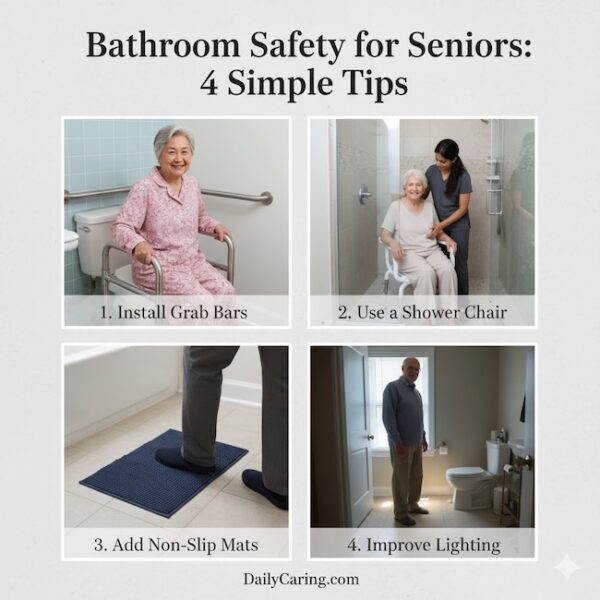
A safe bathing environment prevents falls and reduces anxiety for both senior and caregiver. Most bathroom injuries occur on wet surfaces, especially during transfers in and out of the tub or shower. Proactive modifications and preparation are critical.
Install Essential Safety Equipment
Fit the bathroom with non-slip and support features. You need grab bars near the toilet, tub, and shower. Ensure they are wall-anchored, not suction-based, as suction bars can detach. Place non-slip mats inside and outside the tub or shower. Add a shower chair or bench for seated bathing. A handheld showerhead provides better control, and an adjustable transfer bench helps with tub entry.
Visual cue: Test grab bars by applying firm pressure. Loose or wobbly bars are dangerous and must be re-installed.
Control Temperature and Lighting
Seniors are sensitive to cold and heat. Keep the room warm between 75 and 80 degrees Fahrenheit before starting. Use a space heater kept safely away from water. Close windows and doors. Turn on bright, even lighting and add night lights to prevent disorientation.
Test water temperature before bathing. Never exceed 105 degrees Fahrenheit. Use the back of your hand or wrist to check. This mimics older skin sensitivity better than a thermometer.
Gather Supplies Before Starting
Have everything within reach to avoid leaving the senior unattended. You need four or more washcloths and three or more towels. Gather mild, fragrance-free soap and shampoo. Stock no-rinse body wash for spot cleaning or bed baths. Have unscented, hypoallergenic lotion ready. Include clean clothes and incontinence products. Keep a waterproof pad for bed baths and a long-handled sponge or brush.
Pro tip: Use the senior is preferred products when possible. Familiar scents and textures reduce resistance.
Choose the Right Bathing Method
The best method depends on mobility, cognitive status, and personal preference. Never assume one size fits all. Flexibility ensures safety and cooperation.
Showering with a Chair
This method works best for seniors who can sit but not stand for long periods.
- Warm the bathroom and test water temperature.
- Help the senior sit on the shower chair.
- Wet the body gradually using a handheld sprayer.
- Wash from cleanest areas (face, neck) to dirtiest (feet, genitals).
- Rinse thoroughly.
- Dry completely, especially skin folds.
- Apply lotion immediately.
- Help dress and return to warmth.
Warning: Never leave the senior unattended, even if they insist they are fine.
Tub Bath with Transfer Bench
This option suits seniors who prefer baths but need help entering.
- Fill the tub with 4 to 6 inches of warm water.
- Position the transfer bench over the tub edge.
- Help the senior sit on the bench, swing legs into the water, then slide down.
- Wash while maintaining privacy with a lap towel.
- Reverse the process to exit. Dry thoroughly.
Expert note: A bath lift can automate entry and exit for those with severe mobility issues.
Bed Bath (Sponge Bath)
This method is best for bed-bound or severely limited seniors.
- Close curtains and door for privacy.
- Raise the bed to caregiver waist height to prevent back strain.
- Place a waterproof pad under the hips.
- Expose only one area at a time to avoid chilling.
- Use two basins. One holds warm soapy water, the other for rinsing.
- Wash in order. Start with the face, then neck, arms, and hands. Move to chest and abdomen, then legs and feet. Clean the back last by rolling the senior side to side. Finish with genitals.
- Use a fresh washcloth for the perineal area.
- Dry each section immediately.
- Apply lotion.
- Dress in clean clothes.
Pro tip: Use no-rinse cleansers to reduce water use and cleanup time.
Use No-Rinse Bathing Products
These are ideal for quick cleanings or when water access is limited.
Options include no-rinse body wash, shampoo caps, and foam or spray cleansers. To use, massage the product directly into skin or hair. Wipe off excess with a dry towel. No rinsing is needed. These products are safe for daily use.
Benefit: No-rinse products reduce bathing time and physical strain for both parties.
Clean Private Areas Properly

Perineal care is crucial for infection prevention, especially with incontinence. Incorrect cleaning leads to urinary tract infections, rashes, and skin breakdown.
When to Clean
Clean private areas after every incontinence episode. Also clean during daily spot cleaning and at full bath time.
How to Wipe Correctly
Always wipe from front to back (urethra to anus) to prevent bacteria transfer. Use alcohol-free, fragrance-free wipes or damp washcloths. Avoid toilet paper. It can irritate skin and leave residue.
Technique by Gender
For women, gently spread the labia. Clean inner folds with downward strokes. Rinse or wipe thoroughly and dry completely.
For men, retract the foreskin if present. Clean the glans and under the foreskin. Replace the foreskin after cleaning.
Warning: Never force retraction. It can cause pain or injury.
Prevent Rashes and Sores
Apply barrier cream (such as Desitin or zinc oxide) after cleaning. Change incontinence products at least twice daily. Let skin air-dry when possible.
User insight: One caregiver reported using Desitin ointment and within a day the rash cleared up completely.
Promote Dignity and Independence
Preserving autonomy reduces resistance and boosts emotional well-being. Even small choices make a big difference.
Offer Meaningful Choices
Ask questions like would you like to bathe in the morning or afternoon. Inquire whether they want to wash their arms themselves. Ask which soap they would like to use. Let them do what they can. Holding a washcloth, wiping arms, or rinsing hair builds confidence.
Maintain Privacy and Respect
Use a modesty towel over the lap during showers. Cover the body during bed baths. Avoid staring or appearing uncomfortable. Use calm, respectful language.
Pro tip: Allow your loved one some level of privacy when cleaning private areas by providing a towel to keep on their lap.
Communicate with Empathy
Maintain eye contact. Speak in a calm, reassuring tone. Use humor only if appropriate and welcomed. Never argue. Redirect if they resist.
Expert note: If she is at all capable, give her a shot of some of the perineal cleanser and have her wash herself.
Handle Resistance with Compassion
Refusal is common but rarely personal. It often stems from fear, confusion, or past trauma.
Common Reasons for Refusal
Seniors may refuse due to fear of falling. Cold room or water temperature can be a factor. Embarrassment about their body or dependence causes resistance. Cognitive confusion from dementia plays a role. Loss of control and discomfort with the caregiver gender are also common.
Strategies to Reduce Resistance
Listen first. Ask what worries them about bathing. Explain benefits such as a warm shower helping aches feel better. Stick to a routine with the same time, place, and caregiver. Compromise by washing hair one day and body the next. Use distraction by playing favorite music or talking about happy memories. Involve trusted figures like a doctor or close friend to suggest bathing.
Reminder: Stay calm and try to be patient. Accept that your parent might only bathe once or twice a week.
Adapt for Cognitive Conditions
Dementia, Alzheimer, and other cognitive impairments require special approaches.
For Dementia Patients
Use simple, direct language. Say time for a shower rather than let us get you clean. Avoid arguments. Redirect if they resist. Maintain routine with the same time, same products, same caregiver. Ensure warmth and safety to reduce anxiety. Use familiar items like the same soap, towel, or robe.
Real-world example: One caregiver shared that their mother has Alzheimer and lives in a memory care facility. She will not let them bathe her, so the caregiver does it at home.
For Depression
Poor hygiene may signal depression, not laziness. Approach with compassion, not criticism. Consult a doctor. Medication or therapy may help.
Alert: A decline in personal hygiene can indicate senior depression.
Use Assistive Equipment Wisely
The right tools improve safety, reduce caregiver strain, and support independence.
Mobility Aids
A shower chair enables seated showers. A transfer bench allows safe tub entry. A bath lift is a motorized seat that lowers into the tub. Height-adjustable chairs reduce back injury risk for caregivers.
Lifting Systems
Bath hoists and overhead tracking systems with slings provide support. Bath boards allow partial immersion. Bathy trolleys enable full-body baths without transfer.
Self-Care Tools
A long-handled sponge or brush reaches the back. A bath visor keeps soap out of eyes. A plastic apron protects clothing during assistance.
Pro tip: Test equipment in advance. Never introduce new tools during a stressful bath.
Prevent Skin Damage and Infections
Aging skin is thin, dry, and prone to tears. Over-bathing worsens these issues.
Bathing Frequency Guidelines
Full bath or shower two to three times per week is sufficient. Daily full baths are not recommended. They strip natural oils. Perform daily spot cleaning on the face, hands, underarms, skin folds, and perineal area.
Insight: One caregiver noted that once a week is fine if you do a thorough shower, but use wipes in between. Otherwise, she will break out with rashes.
Choose Skin-Safe Products
Use fragrance-free, pH-balanced soaps. Apply hypoallergenic lotions after every bath. Try no-rinse cleansers for sensitive skin. Use barrier creams for incontinence care.
Warning: Test wipes on your own skin first. Many hypoallergenic brands still sting.
Dry and Moisturize Thoroughly
Pat skin dry. Never rub. Focus on skin folds under the breasts, abdomen, and behind knees. Apply lotion immediately to lock in moisture.
Know When to Get Professional Help
Caregiving is demanding. Do not wait until you are overwhelmed.
Hire Help If
Hire professional help when you are physically unable to assist with transfers. Seek help when the senior has severe dementia or aggression. Get assistance if falls or injuries occur during bathing. Consider help if you feel emotionally drained or resentful. Get professional care if skin infections or rashes persist.
Solution: Many families find success handling day-to-day washing themselves while having a professional home care aide visit a couple of times per week for more thorough bathing.
Final Tips for Caregiver Well-Being
You cannot pour from an empty cup. Caring for yourself ensures you can keep caring for your loved one.
Practical Tips
Use humor when appropriate. It eases tension. Keep clean clothes ready to avoid battles. Try the switcheroo technique. Replace soiled underwear when not looking. Test products on yourself first.
Emotional Support
Join caregiver groups or online forums. Seek respite care for short breaks. Normalize the awkwardness. It is awkward in the beginning. Then you get used to it.
Final reminder: Imagine how you would want a loved one to be treated in such a personal, intimate activity.
Frequently Asked Questions About Bathing a Senior Citizen
How often should I bathe an elderly person?
Full baths or showers two to three times per week are sufficient for most seniors. Perform daily spot cleaning on high-risk areas including the face, hands, underarms, skin folds, and perineal region. Daily full bathing is not recommended as it strips natural oils from aging skin.
What is the safest water temperature for bathing a senior?
Never exceed 105 degrees Fahrenheit (40 degrees Celsius). Test water temperature using the back of your hand or wrist. This method better mimics older skin sensitivity than a thermometer. Seniors are more sensitive to heat and can easily be burned.
How do I bathe a senior who refuses to cooperate?
Start by listening to understand their concerns. Explain the benefits of bathing. Create a routine with the same time and caregiver. Offer choices to preserve autonomy. Use distraction with music or conversation. Involve trusted figures like doctors if resistance continues. Stay calm and patient.
What should I do if the senior has dementia?
Use simple, direct language. Avoid arguments. Redirect if they resist. Maintain consistent routine with the same time, products, and caregiver. Ensure the bathroom is warm and safe. Use familiar items. Consider bathing when the senior is most calm.
How do I clean private areas without causing infection?
Always wipe from front to back (urethra to anus) to prevent bacteria transfer. Use alcohol-free, fragrance-free wipes or damp washcloths. Avoid toilet paper as it irritates skin. Clean after every incontinence episode. Apply barrier cream to protect skin.
When should I consider hiring professional help?
Consider professional help if you cannot safely assist with transfers. Hire help if the senior has severe dementia or becomes aggressive. Get assistance if falls or injuries occur. Seek professional care if you feel emotionally overwhelmed or burned out. Professional aides bring training and equipment that improve safety.
Key Takeaways for Bathing a Senior Citizen
Bathing a senior citizen safely and respectfully requires preparation, empathy, and the right techniques. Prioritize bathroom safety by installing grab bars, non-slip mats, and maintaining warm temperatures between 75 and 80 degrees. Choose the bathing method based on mobility: shower chairs for those who can sit, transfer benches for tub baths, and sponge baths for bed-bound seniors. Clean private areas using front-to-back technique and barrier creams to prevent infections.
Preserve dignity by offering choices, allowing self-washing where possible, and using modesty towels. Handle resistance with patience by listening to concerns, explaining benefits, and maintaining routines. Adapt approaches for cognitive conditions like dementia by using simple language and consistent schedules. Use assistive equipment like shower chairs and bath lifts to improve safety and reduce caregiver strain.
Remember that full bathing two to three times per week is sufficient. Daily spot cleaning maintains hygiene without damaging fragile skin. Finally, prioritize your own well-being as a caregiver. Seek professional help when needed and join support groups to prevent burnout. With the right tools, techniques, and mindset, you can transform bathing from a challenging task into a moment of trust and comfort for your loved one.