
As people age, their immune system naturally weakens—a process called immunosenescence—making older adults more vulnerable to infections like flu, pneumonia, and respiratory viruses including COVID-19. The CDC reports that adults over 65 face higher risks of hospitalization and death from infectious diseases due to this decline. But while aging affects immunity, it doesn’t mean the immune system cannot be supported.
You can significantly strengthen immune resilience in seniors through science-backed strategies. Instead of chasing quick fixes or unproven supplements, focus on consistent, integrated habits that improve overall health. From targeted vaccinations and balanced nutrition to sleep, movement, and stress control, every choice impacts immune function.
This guide reveals the most effective, research-proven ways to increase immune system strength in elderly individuals without hype or myths. You will learn how to optimize diet, enhance vaccine response, support gut health, manage chronic conditions, and avoid common pitfalls that weaken defenses.
Get Senior-Specific Vaccinations for Maximum Protection
Vaccinations are the strongest medical tool to counteract age-related immune decline. Even with reduced antibody responses in older adults, vaccines dramatically lower the risk of severe illness, hospitalization, and death.
Choose High-Dose or Adjuvanted Flu Vaccines
Standard flu shots often underperform in seniors due to weakened immune responses. Instead, use enhanced options designed for 65 plus.
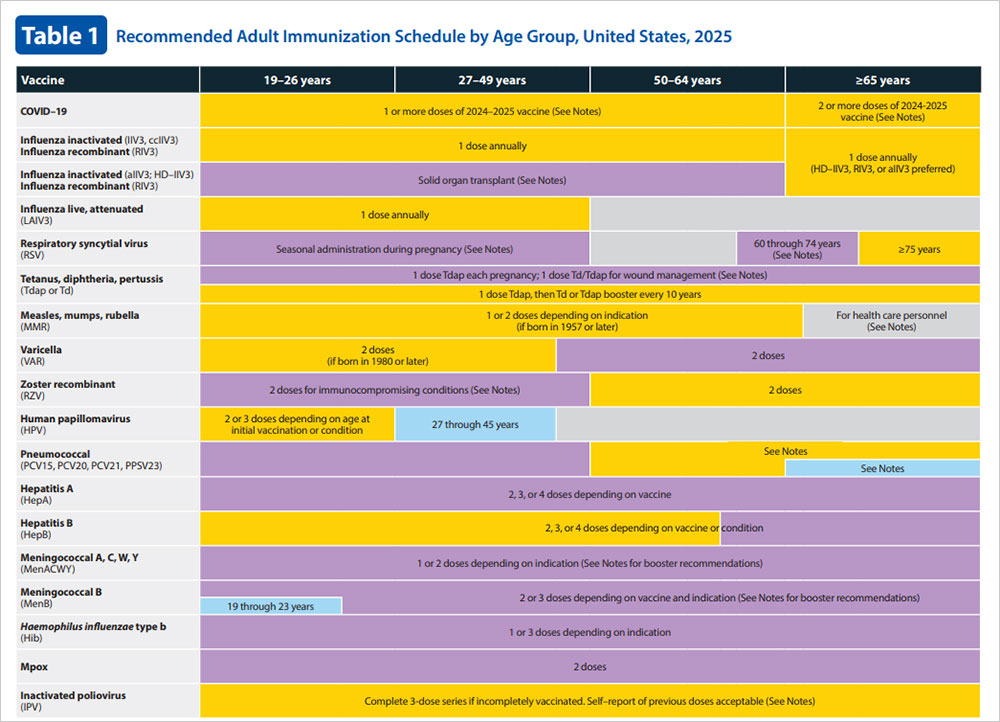
Fluzone High-Dose Quadrivalent contains four times the antigen, leading to stronger protection. Studies show 24 percent fewer flu cases than standard vaccines. Fluad Quadrivalent includes an adjuvant that boosts immune activation, especially helpful for frail or immunocompromised seniors.
Both are preferred over regular flu shots for older adults unless contraindicated.
Get Pneumococcal Vaccines to Prevent Pneumonia
Pneumonia is a leading cause of infection-related death in seniors. Protect against Streptococcus pneumoniae with either PCV20 given alone, or PCV15 followed by PPSV23 at least one year later.
One dose of either series is recommended for all adults 65 and older.
Stay Current on Shingles and COVID-19 Vaccines
Shingles can cause severe nerve pain in seniors. Shingrix offers over 90 percent protection with two doses given two to six months apart. Recommended for all adults 50 plus even if previously had shingles.
Updated mRNA COVID-19 boosters reduce severe disease and death. Seniors, especially those with heart, lung, or metabolic conditions, should get annual or recommended boosters.
Add RSV and Tdap Protection
Respiratory syncytial virus can be dangerous in older adults. Two vaccines are approved for adults 60 plus, offering 60 to 80 percent protection against lower respiratory disease.
One Tdap booster every 10 years prevents whooping cough, which spreads easily and can be severe in older adults.
Eat Immune-Supportive Foods Daily

Nutrition is foundational to immune health. Many seniors suffer from hidden hunger, adequate calories but poor micronutrient intake, due to appetite loss, dental issues, or medication side effects.
Prioritize These Key Immune-Boosting Nutrients
Vitamin C boosts neutrophil function and antioxidant defense. Find it in bell peppers, citrus, strawberries, and broccoli.
Vitamin D regulates immune responses and reduces inflammation. Get it from fatty fish, fortified milk, and sunlight.
Zinc is critical for T-cell development and signaling. Sources include oysters, beef, pumpkin seeds, and legumes.
Vitamin E protects immune cells from oxidative damage. Find it in almonds, sunflower seeds, and spinach.
Selenium supports antiviral defenses. Brazil nuts, tuna, and whole grains provide this mineral.
B6 and folate are needed for immune cell production. Poultry, bananas, leafy greens, and beans are good sources.
Avoid megadoses. Excess iron, zinc, or vitamin A can be toxic and impair immunity.
Follow a Mediterranean-Style Diet
This eating pattern is linked to lower inflammation and better immune regulation. Eat five or more servings of fruits and vegetables daily, whole grains like oats and quinoa, legumes for fiber and protein, healthy fats from olive oil and avocados, and fatty fish two to three times per week.
Limit red meat and processed foods.
Research shows a diverse gut microbiome, fed by plant-rich diets, improves pathogen detection and immune balance.
Support Gut Health to Strengthen Immunity
About 70 to 80 percent of immune tissue lies in the gut. A balanced gut microbiome trains the immune system to fight threats without overreacting.
Feed Good Bacteria with Prebiotics
Prebiotics are fibers that nourish beneficial gut microbes. Eat garlic, onions, leeks, asparagus, bananas, and oats.
Aim for 25 to 30 grams of fiber per day to fuel short-chain fatty acid production, which reduces inflammation and strengthens gut lining.
Add Probiotic-Rich Foods
Introduce live beneficial bacteria through fermented foods like yogurt with live cultures, kefir, sauerkraut, kimchi, miso, and kombucha.
Probiotic supplements may pose infection risks in severely immunocompromised seniors. Use only under medical guidance.
Test and Supplement Key Nutrients
While whole foods should come first, some seniors need supplements due to poor intake or absorption.
Test Vitamin D Before Supplementing
Deficiency is common, especially in winter or with limited sun exposure. A meta-analysis of 11,000 people found vitamin D supplements reduce respiratory infections, particularly in deficient individuals.
Typical dose is 800 to 1000 IU per day for maintenance. Higher doses require doctor supervision.
Use Zinc and Multivitamins Wisely
Zinc may shorten cold duration but do not exceed 40 milligrams per day long-term, as it can cause copper deficiency and nerve damage.
A basic multivitamin may help seniors with limited food variety, but it is not a substitute for real food.
Blood tests should guide supplementation. Skip the hype around echinacea, elderberry, and astragalus, which lack strong evidence for preventing infections in humans.
Move Regularly to Enhance Immune Surveillance
Physical activity is one of the most powerful tools to slow immune aging.
How Exercise Improves Immunity
Exercise increases circulation of natural killer cells, T-cells, and neutrophils. It reduces chronic inflammation and improves vaccine response in seniors.
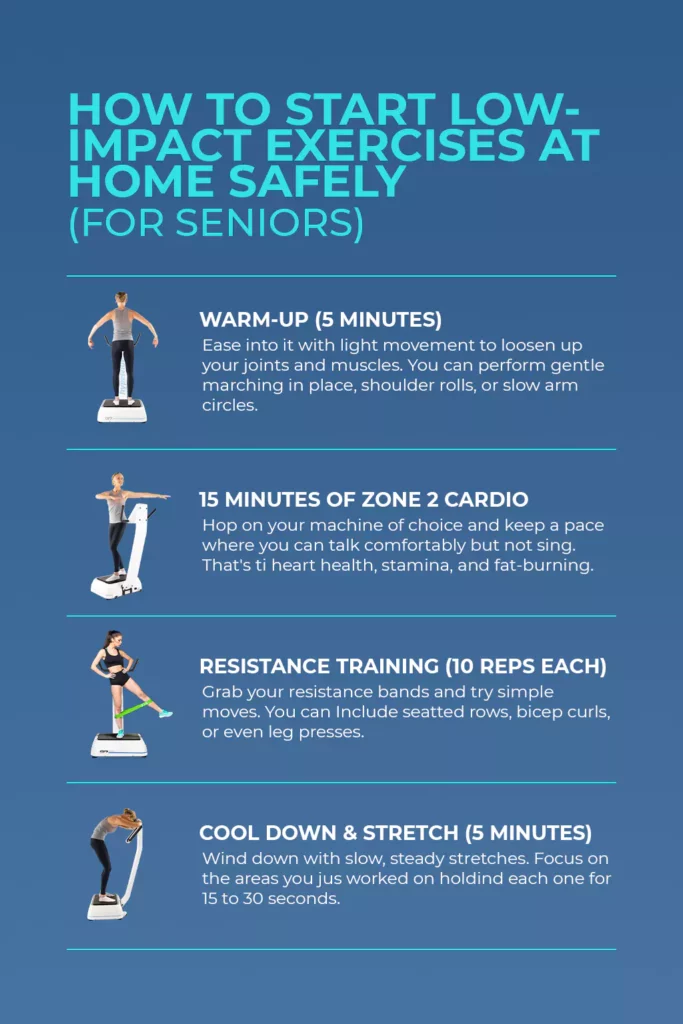
Follow CDC guidelines of 150 minutes per week of moderate aerobic activity like brisk walking or swimming, two days per week of muscle-strengthening, and three or more days of balance training.
Even 10-minute walks add up. Build gradually.
Adapt Exercise for Mobility Limits
Seniors with arthritis, frailty, or joint pain can still benefit from chair yoga, water aerobics, seated resistance exercises, or walking with a cane.
Active older adults get fewer infections and recover faster than sedentary peers.
Prioritize Quality Sleep for Immune Repair
Sleep is when the immune system repairs, produces cytokines, and forms memory responses.
Why Sleep Matters for Immunity
Deep sleep triggers release of key infection-fighting cytokines. It enhances T-cell function and vaccine response. Chronic poor sleep lowers lymphocyte counts and increases infection risk.
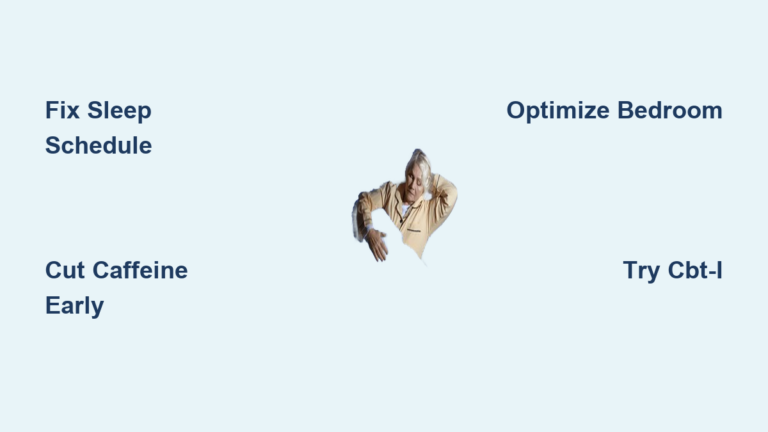
Improve sleep hygiene by setting a consistent bedtime and wake time, avoiding screens one hour before bed, skipping caffeine after noon, limiting alcohol, keeping the bedroom cool and dark, and establishing a bedtime routine.
Poor sleep reduces flu vaccine effectiveness, making good rest a part of immune defense.
For persistent insomnia, CBT-I is first-line treatment, more effective and safer than sleep medications.
Manage Stress to Lower Cortisol
Chronic stress suppresses immunity through prolonged cortisol release.
How Stress Weakens Immunity
Cortisol reduces lymphocyte production, lowers antibody and cytokine output, and impairs macrophage and neutrophil function. It increases risk of infections and reactivates latent viruses like shingles.
Effective Stress-Reduction Techniques
Practice mindfulness meditation for 10 minutes daily to lower cortisol. Try deep breathing, yoga, tai chi, time in nature, or creative activities.
Stay socially connected. Loneliness increases inflammation and early mortality risk. Regular contact supports emotional and immune health.
Quit Smoking to Restore Lung Immunity
Smoking damages nearly every part of the immune system.
Proven Quitting Strategies
Use nicotine replacement therapy like patches or gum. Try prescription medications like varenicline or bupropion. Combine behavioral counseling with medication for the best results.
Immune and lung function improve within weeks of quitting, even after decades of smoking.
Limit Alcohol to Protect Immune Cells
Heavy drinking weakens immunity and increases infection risk.
Safe Limits for Seniors
Women should max at one drink per day. Men should max at two drinks per day.
One drink equals 12 ounces of beer, 5 ounces of wine, or 1.5 ounces of spirits.
Alcohol interacts dangerously with many senior medications like blood thinners and antidepressants. Some should avoid it entirely.
Stay Hydrated to Maintain Mucosal Defenses
Dehydration is common in seniors due to reduced thirst sensation and diuretic medications.
Daily Fluid Goals
Aim for eight to nine glasses or 64 to 72 ounces per day. Sources include water, herbal tea, broth, milk, and water-rich fruits like melon and oranges.
Carry a water bottle and drink with meals to build the habit.
Practice Hand Hygiene to Block Germs
Simple hygiene prevents pathogen exposure, the first line of defense.
Handwashing That Works
Wash with soap and water for at least 20 seconds. Key times include after using the bathroom, before eating, after coughing or sneezing, and after being in public spaces.
Use alcohol-based hand sanitizer with 60 percent or more alcohol when soap is not available.
Be extra vigilant from October to March during cold and flu season.
Control Chronic Conditions That Weaken Immunity
Unmanaged diseases increase inflammation and weaken immune responses.
Essential Medical Monitoring
Get annual blood tests including CBC, HbA1c, and vitamin levels. Review vaccinations and medications regularly.
Diabetes, heart disease, kidney disease, and liver disease all impair immune function when uncontrolled.
Work with healthcare providers to monitor and manage these conditions proactively.
Frequently Asked Questions About Boosting Immune System in Elderly
What is the most effective way to strengthen an elderly person’s immune system?
The most effective approach combines multiple strategies. Vaccinations provide foundational protection against preventable diseases. Pair this with a Mediterranean-style diet rich in fruits, vegetables, and lean protein. Add regular moderate exercise, 7 to 8 hours of sleep nightly, and stress management. No single intervention works as well as this integrated approach.
Does vitamin D really help elderly immune function?
Yes, vitamin D plays a crucial role in immune regulation. Deficiency is common in seniors, especially during winter. Studies show supplementation reduces respiratory infections in people with low vitamin D levels. Get tested first, then supplement with 800 to 1000 IU daily unless directed otherwise by your doctor.
How much sleep do seniors need for a healthy immune system?
Seniors need 7 to 8 hours of quality sleep per night. Poor sleep reduces vaccine effectiveness and lowers infection-fighting immune cells. Address sleep disorders like sleep apnea, and practice good sleep hygiene including consistent bedtimes and avoiding screens before bed.
Can exercise really improve immune function in older adults?
Absolutely. Regular physical activity increases circulation of infection-fighting cells, reduces chronic inflammation, and improves vaccine response. Even light exercise like walking or chair yoga provides benefits. Aim for 150 minutes per week of moderate activity when possible.
Are supplements necessary for elderly immune health?
Supplements are only necessary when blood tests reveal deficiencies. Whole foods should always come first. Vitamin D supplementation is often needed in seniors with limited sun exposure. Avoid high-dose supplements marketed as immune boosters, as they lack evidence and can cause harm.
Key Takeaways for Strengthening Elderly Immune Systems
You cannot stop aging, but you can actively support your immune system with smart, sustainable choices. The pillars of immune strength in later life are vaccinations, nutrition, movement, sleep, and stress control.
Focus on getting senior-specific vaccines including high-dose flu, pneumococcal, shingles, and updated COVID boosters. Eat a Mediterranean-style diet rich in plants, healthy fats, and lean protein while avoiding megadoses of supplements.
Move your body every day, even briefly. Prioritize 7 to 8 hours of sleep and manage stress through mindfulness or social connection. Quit smoking, limit alcohol, stay hydrated, and practice good hand hygiene.
Work with your doctor to monitor chronic conditions and check nutrient levels. Caregivers play an essential role in supporting these habits.
Start now. Even small changes, like a daily walk or adding vegetables to meals, build resilience over time. Your immune system responds to consistent, evidence-based care.