Low blood pressure in the elderly—especially when it causes dizziness, fainting, or fatigue—is more than just a minor inconvenience. A reading below 90/60 mmHg may signal hypotension, a condition that increases fall risk, reduces organ perfusion, and can lead to serious complications like shock. While high blood pressure often grabs attention, low blood pressure in older adults requires just as much care. The good news? With simple, evidence-based steps, you can safely and effectively raise blood pressure.
This guide walks you through immediate actions, long-term strategies, dietary fixes, and medical considerations. Whether you’re managing your own blood pressure or caring for a loved one, these practical solutions can help prevent symptoms and improve daily function.
Act Fast: Immediate Steps to Raise Blood Pressure

When an elderly person feels dizzy, lightheaded, or near-fainting, quick action can prevent a fall and restore circulation within minutes.
Lie Down or Sit with Legs Up
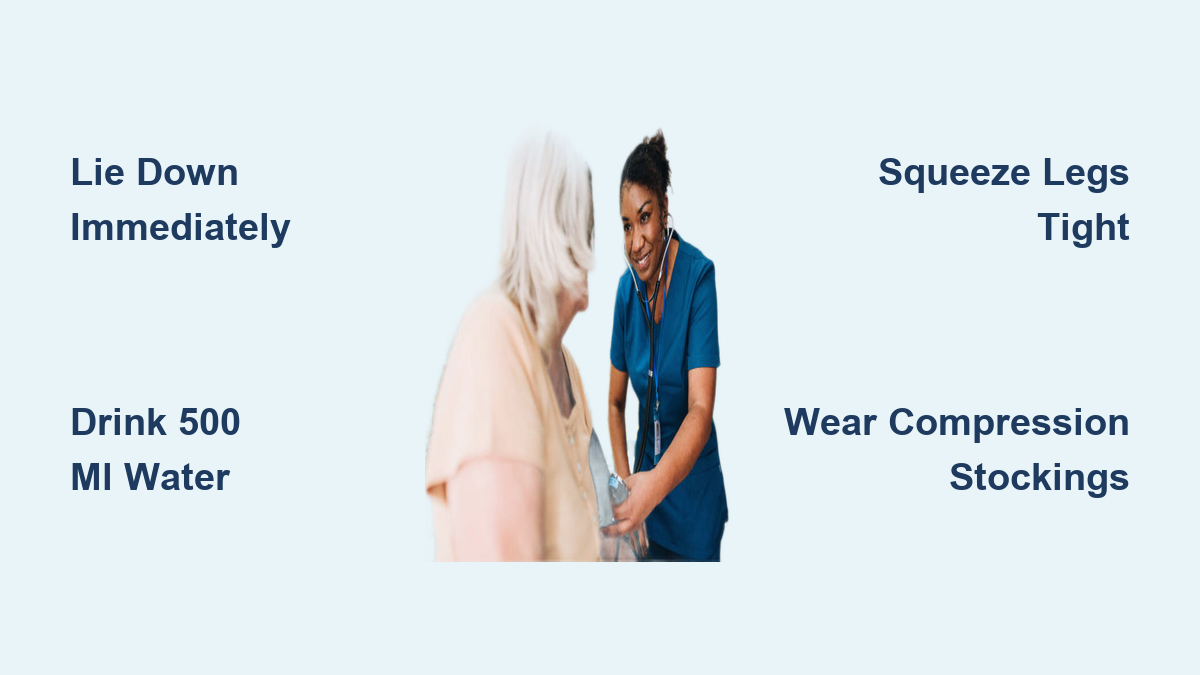
The fastest way to boost blood flow to the brain is to lie flat. Gravity no longer pulls blood downward, so pressure rises quickly. If lying down is not possible, sit and elevate the legs above heart level. Even crossing the legs while seated helps improve venous return.
Fainting can be the body’s reset mechanism to restore blood flow. If dizziness strikes, lie down before losing consciousness to avoid injury from falling.
Use Physical Counter-Maneuvers
Simple muscle contractions can raise systolic blood pressure by 20 to 40 mmHg in under a minute.
These maneuvers work best for orthostatic hypotension, which is the sudden drop that occurs when standing up.
• Leg and glute squeeze: Cross legs tightly and contract thigh, buttock, and abdominal muscles for 15 to 30 seconds.
• Hand grip: Squeeze a stress ball or make a tight fist and hold.
• Arm tension: Interlock fingers and try to pull hands apart.
Drink Water Immediately
Dehydration is a top cause of low blood pressure in seniors. Drinking 500 mL of cool water can raise blood pressure within 5 to 10 minutes, with effects lasting up to an hour.
Cool water is preferred over warm water because warm fluids can worsen vasodilation. Cool water triggers a reflex that increases vascular resistance.
Cool the Body
Heat expands blood vessels, worsening hypotension. Move to a cooler room, remove layers, or apply a cool cloth to the neck or wrists. Combine cooling with hydration for best results.
Calm the Nervous System
Emotional stress, pain, or fear can trigger situational syncope. Slow, deep breathing at 6 breaths per minute helps stabilize heart rate and blood pressure.
Try this technique: inhale for 4 seconds, exhale for 6 seconds. Repeat for 2 to 3 minutes.
When to Seek Emergency Help
Not all low blood pressure is harmless. Call 911 or emergency services if unconsciousness occurs, chest pain or shortness of breath appears, skin is cold clammy or pale, or pulse is rapid and weak which are signs of shock. Symptoms that are sudden or worsening also require immediate medical attention.
Recurrent episodes need medical evaluation to rule out heart, neurological, or endocrine causes.
Prevent Dips: Long-Term Lifestyle Adjustments
Avoiding triggers and building healthy habits can prevent blood pressure drops before they start.
Rise Slowly from Bed
Orthostatic hypotension affects up to 30% of older adults. Prevent it with a simple routine. First, stretch in bed for 30 seconds. Second, sit on the edge of the bed for 1 to 2 minutes. Third, stand slowly and pause before walking.
Dangle legs off the bed before standing. This helps blood adjust to gravity more smoothly.
Sleep with Head Elevated
Use a wedge pillow or bed risers to elevate the head 6 to 10 inches. This reduces nighttime blood pooling and improves morning stability.
Studies show this position enhances orthostatic tolerance and reduces nighttime urination linked to fluid shifts.
Stay Active Throughout the Day
Sedentary behavior leads to blood pooling in the legs. Combat it with 10-minute walks 3 to 4 times daily. Stand during phone calls or TV ads. Use under-desk pedal exercisers or standing desks.
Even light movement improves vascular tone and circulation.
Avoid Triggers
Skip hot showers, saunas, and prolonged standing. Wear loose clothing in warm weather. Heat causes vasodilation, making low blood pressure worse.
Hot tubs and steam rooms are especially risky for seniors with hypotension.
Eat to Raise Blood Pressure: Smart Dietary Fixes
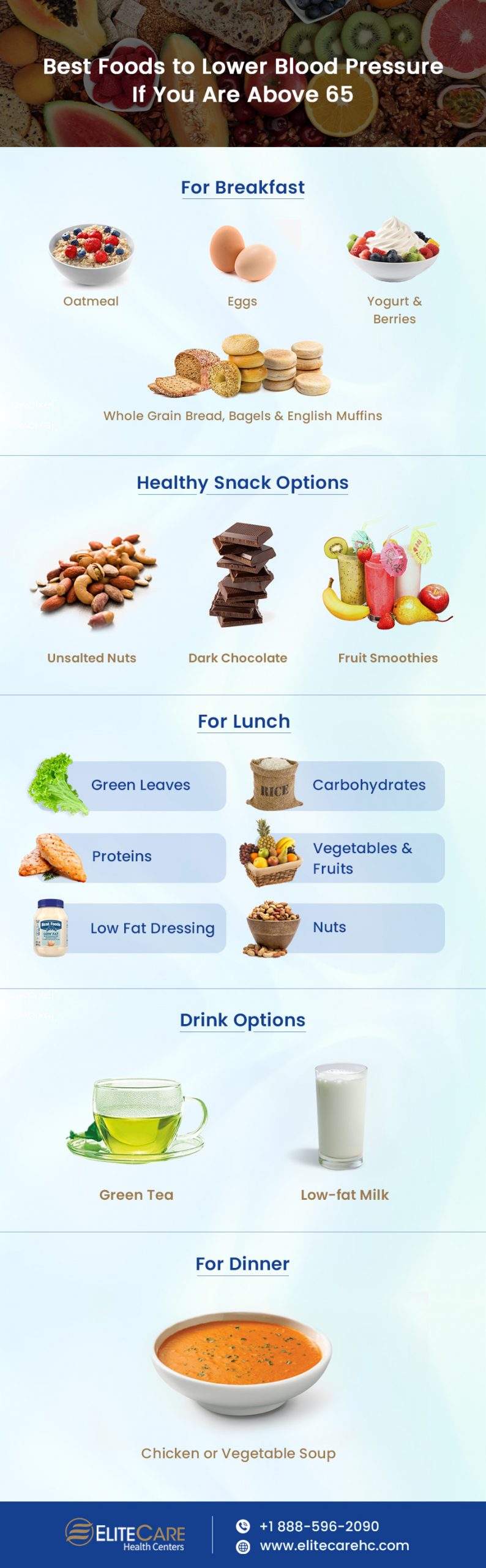
Food and drink directly influence blood volume and vessel tone. The right choices can make a measurable difference.
Drink More Fluids Daily
Aim for 6 to 8 glasses of water per day, which equals 1.5 to 2 liters. Increase intake in hot weather or when ill.
Those with heart failure or kidney disease may have fluid limits. Always consult a doctor before increasing intake.
Add Salt to Your Diet
Sodium pulls water into the bloodstream, increasing blood volume and pressure. This is one of the most effective non-drug strategies, but only if safe for your health.
High-sodium healthy foods include olives, smoked salmon or sardines, cottage cheese, canned beans rinsed to reduce excess salt, and broth-based soups.
Never add salt without medical approval if you have heart, kidney, or liver disease.
Cut Back on Alcohol
Alcohol is a vasodilator and diuretic. It lowers blood pressure and dehydrates. Even one drink can trigger dizziness in sensitive seniors.
Limit to one drink per day or avoid entirely. Always pair alcohol with water.
Eat Smaller, Frequent Meals
Large meals especially carb-heavy ones cause postprandial hypotension, which is a dangerous drop in pressure after eating.
Eat 4 to 6 small meals daily. Avoid oversized portions. Wait 30 to 60 minutes before standing after eating.
This reduces digestive blood flow demands and keeps pressure stable.
Choose Whole Grains Over Refined Carbs
White bread, pasta, and sugary desserts cause rapid insulin spikes, followed by blood pressure drops.
Better choices include brown rice, quinoa, oats, and lentils. Fiber-rich carbs digest slowly, preventing sharp insulin and blood pressure swings.
Boost B12 and Folate Intake
Deficiencies in vitamin B12 or folate cause anemia, which lowers blood pressure.
B12-rich foods include eggs, chicken, salmon, and low-fat dairy. Folate-rich foods include spinach, broccoli, lentils, and asparagus.
Seniors, vegetarians, and those on metformin or proton pump inhibitors often need supplements. Ask your doctor for testing.
Use Compression to Improve Circulation
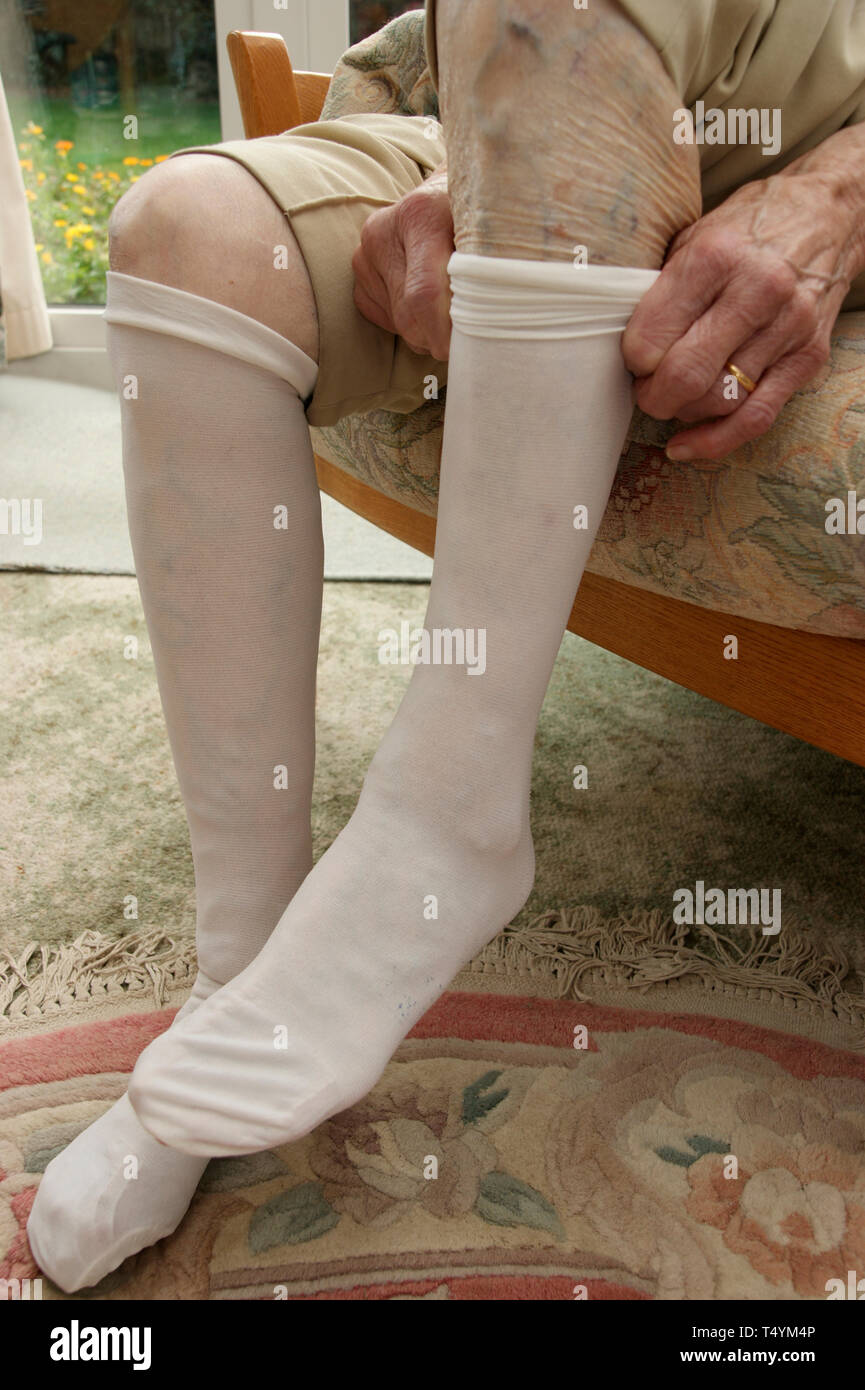
Compression garments help blood return to the heart, especially when standing.
Wear Compression Stockings
Knee-high or thigh-high stockings with 20 to 30 mmHg pressure reduce leg vein pooling and raise blood pressure by 5 to 15 mmHg.
Put compression stockings on first thing in the morning before getting out of bed. Ensure proper fit because too tight can block circulation. Replace every 3 to 6 months.
People with peripheral artery disease or severe neuropathy should avoid compression stockings.
Consider Abdominal Binders
For severe orthostatic hypotension, an abdominal binder adds extra support, reducing blood pooling in the gut and lower body.
These require fitting and medical guidance.
Try Caffeine for Short-Term Relief
A cup of coffee or strong tea can temporarily raise blood pressure by 5 to 15 mmHg.
Caffeine blocks adenosine receptors, causing vasoconstriction and a slight increase in heart rate.
Effects last 30 minutes to a few hours. Regular users develop tolerance. Caffeine can cause insomnia, anxiety, or arrhythmias.
Use occasionally when symptoms flare, not as a daily fix.
Review Medications with Your Doctor
Many common drugs lower blood pressure as a side effect. A medication review can uncover hidden causes.
Common Hypotension-Causing Medications
Diuretics such as furosemide and hydrochlorothiazide reduce blood volume. Beta-blockers such as metoprolol and atenolol slow heart rate and lower output. Alpha-blockers such as doxazosin and terazosin cause vasodilation. Antidepressants such as amitriptyline and nortriptyline affect autonomic nerves. Parkinson drugs such as levodopa dilate blood vessels. Nitrates such as nitroglycerin dilate veins and arteries.
Keep a medication list including supplements. Ask your doctor if any of these could be causing low blood pressure. Discuss timing changes such as taking diuretics earlier in the day. Never stop or adjust doses without medical advice.
Taking 5 or more medications increases hypotension risk. Simplify when possible.
Monitor and Seek Professional Help
Regular tracking helps identify patterns and measure progress.
Check Blood Pressure at Home
Use a validated upper-arm monitor. Record readings at different times: morning before meds, after meals, after standing, and before bed.
Look for trends, especially drops after eating or standing.
When to See a Doctor
Seek help if frequent dizziness occurs, near-falls or actual falls happen, fainting spells occur, unexplained fatigue persists, or blurry vision or confusion appears.
Your doctor may order blood tests such as CBC, B12, folate, and electrolytes. They may perform tilt-table testing, adjust medications, or refer to a cardiologist or neurologist.
Key Takeaways for Raising Blood Pressure in Elderly

Low blood pressure in seniors responds well to a combination of lifestyle changes and medical oversight. The fastest immediate solutions include lying down, drinking 500 mL of water, and using physical counter-maneuvers such as leg squeezing. These can raise blood pressure within minutes and prevent falls during dizzy spells.
For long-term management, focus on gradual position changes when rising from bed, sleeping with the head elevated, and wearing compression stockings. Dietary strategies such as increasing fluid intake, adding salt under medical supervision, eating smaller meals, and ensuring adequate B12 and folate intake can stabilize blood pressure throughout the day.
Always review medications with your doctor because many common prescriptions contribute to hypotension. Monitor blood pressure regularly at home and seek professional help for recurrent symptoms. With the right approach, most elderly individuals can reduce dizziness, prevent dangerous falls, and maintain active healthy lives.
Frequently Asked Questions About Increasing Blood Pressure in Elderly
What is considered dangerously low blood pressure in seniors?
A blood pressure reading below 90/60 mmHg is classified as hypotension. However, the danger depends on symptoms rather than numbers alone. A sudden drop of 20 mmHg can be dangerous even if the resulting value stays above 90 mmHg, especially in seniors with pre-existing high blood pressure.
How quickly can I raise blood pressure at home?
Drinking 500 mL of water can raise blood pressure within 5 to 10 minutes. Physical counter-maneuvers such as leg squeezing work within 15 to 30 seconds. Lying down immediately stops gravity’s effect on blood flow and raises pressure within minutes.
Should elderly people add more salt to their diet?
Adding salt can be effective but only under medical supervision. Sodium increases fluid retention and blood volume, which raises blood pressure. However, this can be dangerous for those with heart, kidney, or liver disease. Always consult a doctor first.
Are compression stockings safe for all seniors?
Compression stockings are safe for most people but should be avoided by those with peripheral artery disease or severe neuropathy. Proper fitting is essential because stockings that are too tight can block circulation. Put them on in the morning before getting out of bed.
When should I call a doctor for low blood pressure?
Call emergency services if fainting occurs, chest pain or shortness of breath appears, skin becomes cold and clammy, or signs of shock develop. See your doctor for recurrent dizziness, frequent falls, persistent fatigue, or blurry vision.