
You’re not imagining it—your parents, grandparents, or even you may now wake up at 4 or 5 a.m., whether you like it or not. This shift isn’t laziness or poor habits. It’s a real, science-backed change tied to aging. The primary reason seniors wake up so early lies in biological clock shifts, hormonal changes, and age-related health factors that alter sleep patterns. While some early rising is normal, consistently waking too soon, especially if you can’t fall back asleep, can signal deeper issues like insomnia, sleep apnea, or circadian misalignment. In this guide, you’ll learn the exact causes behind early waking in older adults, how to tell if it’s a problem, and proven strategies to improve sleep timing and quality.
Circadian Rhythm Shifts in Aging
As we age, the body’s internal clock naturally advances, a condition known as Advanced Sleep Phase Syndrome (ASPS). This means older adults feel sleepy earlier in the evening and wake up earlier in the morning, even if they don’t want to.
What Is Advanced Sleep Phase Syndrome?
ASPS causes a premature sleep-wake cycle where seniors may fall asleep by 8 or 9 p.m. and wake up between 4 and 6 a.m. Though total sleep time may still be adequate, the timing no longer matches daily life. This shift happens because the suprachiasmatic nucleus (SCN)—the brain’s master clock—becomes less responsive to light and time cues with age. As a result, melatonin, the sleep hormone, is released earlier, triggering early drowsiness and early awakening.
Why the Clock Advances
Neural pathways that process zeitgebers (environmental time signals like light, meals, and activity) weaken over time. Reduced exposure to bright light, less physical activity, and fewer social routines further blur the brain’s sense of day and night. Without strong cues, the circadian rhythm drifts forward, making early rising almost automatic.
How Vision Changes Affect Sleep Timing

The brain relies on light to stay in sync with the 24-hour day. But aging eyes transmit less light to the brain, making circadian rhythms harder to regulate.
Cataracts and Lens Yellowing
Over 50% of adults over 80 have cataracts, which cloud the eye’s lens and reduce light reaching the retina. Even without cataracts, the lens yellows and pupils shrink with age, cutting light input by up to 70%. This makes the brain think it’s darker outside than it is, triggering early melatonin release and earlier sleep and wake times.
Fix: Use Bright Light Strategically
To delay early sleep onset, increase light exposure in the late afternoon and evening. Take a walk outside before sunset. Use bright indoor lighting (3,000 to 5,000 lux). Try a 10,000-lux light therapy box for 30 minutes in the late afternoon. Studies show cataract surgery can restore normal sleep patterns by improving light signaling to the brain.
Hormonal Changes That Disrupt Sleep
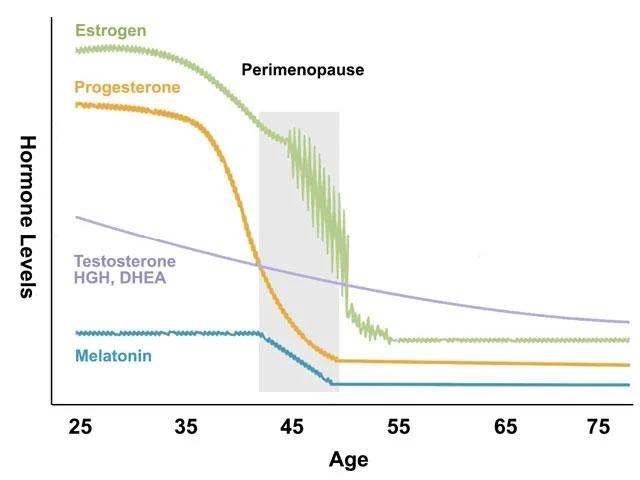
Hormone levels change dramatically with age, directly affecting sleep timing, quality, and continuity.
Melatonin Decline
The pineal gland produces less melatonin as we age. Not only is there less of it, but the evening surge happens earlier. This leads to early sleepiness and early waking. Lower melatonin also increases nighttime awakenings and reduces sleep depth.
Cortisol and Early Wake-Ups
Cortisol, the wakefulness hormone, normally peaks in the morning. But in some seniors, levels rise too early or stay elevated at night, causing abrupt awakenings. Chronic stress, poor sleep, or medical conditions can worsen this imbalance.
menopause and Nighttime Disruptions
For women, menopause and perimenopause (which can last up to 14 years) cause sharp drops in estrogen and progesterone. This leads to hot flashes and night sweats, common causes of sudden awakenings. These symptoms can persist for years, disrupting sleep even after menopause ends.
Testosterone and Growth Hormone Loss
Both testosterone and growth hormone decline with age. Since these hormones support deep, restorative sleep, lower levels mean less slow-wave sleep and more fragmented rest.
Sleep Architecture Changes in Older Adults

Sleep isn’t just about duration. It’s about quality. Older adults spend less time in the most restorative stages.
Less Deep and REM Sleep
Seniors spend more time in light sleep (Stages 1 and 2) and less in deep (Stage 3) and REM sleep. Light sleep is easily disrupted by noise, pain, or the urge to urinate. Because older adults are more aware of brief awakenings, they often feel their sleep is poor, even if total hours are okay.
Abrupt Transitions to Wakefulness
The shift from sleep to wakefulness becomes sharper and more sudden with age. Instead of gradually waking, many seniors go from asleep to fully alert in seconds, often before sunrise.
Health Conditions That Cause Early Waking
Many chronic illnesses common in older adults directly interfere with sleep continuity.
Dementia and Alzheimer’s Disease
These conditions severely disrupt circadian rhythms. People may wake up confused, agitated, or disoriented in the early hours, a phenomenon known as sundowning. Cognitive decline impairs the brain’s ability to maintain a stable sleep-wake cycle.
Chronic Pain and Arthritis
Joint pain, neuropathy, or back issues make it hard to stay asleep. Even minor discomfort can trigger full awakenings that are difficult to reverse.
Heart and Lung Conditions
Heart failure can cause nocturnal breathlessness. COPD may lead to nighttime hypoxia. Both increase wake-ups, especially in the early morning hours.
GERD and Nighttime Heartburn
Lying flat after eating can trigger acid reflux. Symptoms often worsen at night, jolting seniors awake with chest pain or coughing.
Medications That Trigger Early Awakening
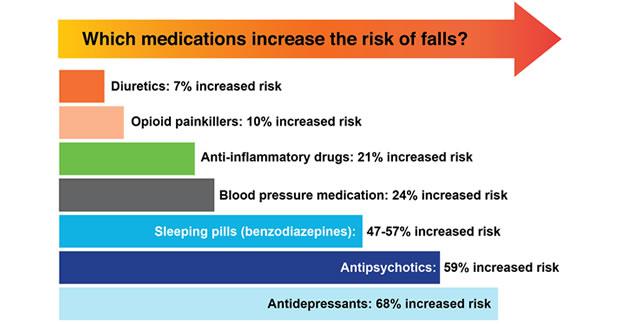
Over 40% of adults over 65 take five or more medications daily, many of which disrupt sleep.
Common Sleep-Disrupting Drugs
Beta-blockers (like metoprolol) suppress melatonin and cause insomnia. Diuretics increase nighttime urination, especially if taken late in the day. Corticosteroids promote alertness and delay sleep. SSRIs and other antidepressants can cause early morning awakening. Stimulants (for ADHD or narcolepsy) are obvious disruptors but sometimes prescribed off-label.
What to Do
Review all medications with your doctor. Ask if any can be taken earlier in the day. Ask about non-sedating alternatives. Ask if the dose is appropriate. Even small timing changes can improve sleep.
Sleep Disorders in Older Adults
Several sleep disorders become more common with age and contribute to early or fragmented waking.
Insomnia in Seniors
Affects 30% to 50% of older adults. It includes trouble falling asleep, waking up too early, and inability to return to sleep. Causes include anxiety, stress, medical conditions, or poor sleep hygiene. Cognitive Behavioral Therapy for Insomnia (CBT-I) is the gold standard treatment, more effective than sleep pills.
Sleep Apnea: A Hidden Culprit
Obstructive and central sleep apnea are 1.7 times more common in adults over 60. It causes breathing pauses during sleep, micro-awakenings (often unnoticed), nighttime urination, morning headaches, and daytime fatigue. Snoring is common but not always present, especially in central sleep apnea. A sleep study can diagnose it.
Restless Legs Syndrome
Restless Legs Syndrome causes uncomfortable leg sensations and an urge to move, worsening in the evening. It delays sleep onset and fragments rest. Iron deficiency, kidney disease, or medications can trigger it.
Lifestyle Factors That Weaken Sleep Patterns
Retirement, reduced activity, and social isolation all weaken circadian signals.
Loss of Daily Structure
Without work schedules or family routines, time cues fade. This weakens circadian entrainment, making early bedtimes and wake times self-reinforcing.
Reduced Physical and Social Activity
Less movement means lower sleep pressure, the body’s drive to sleep. Fewer social interactions reduce mental stimulation and emotional regulation, both of which support healthy sleep.
Limited Daylight Exposure
Spending more time indoors cuts exposure to natural light, the strongest circadian regulator. This accelerates the shift to early waking.
When Early Waking Becomes a Problem
Waking up early isn’t always bad. But it becomes concerning when it leads to chronic sleep deprivation or daytime impairment.
Red Flags to Watch For
Watch for waking up too early and can’t fall back asleep. Watch for excessive daytime sleepiness. Watch for memory problems or brain fog. Watch for irritability, anxiety, or depression. Watch for frequent nighttime awakenings. Watch for snoring, gasping, or breathing pauses during sleep. If these last more than 2 to 3 weeks, see a doctor. Untreated sleep issues increase risks for falls, heart disease, and cognitive decline.
How to Delay Early Morning Awakening
You can’t stop aging, but you can influence your sleep patterns.
Stick to a Fixed Wake Time
Get up at the same time every day, even on weekends. This strengthens your circadian rhythm. Avoid napping after 3 p.m. to build sleep pressure.
Maximize Morning and Evening Light
In the morning, get 20 to 30 minutes of sunlight or bright indoor light to anchor your clock. In the evening, use bright light 1 to 2 hours before sunset to delay melatonin and push back sleep. Avoid dim lighting in the late afternoon.
Create a Wind-Down Routine
Do calming activities 60 minutes before bed. Read (use a bright e-reader to stay alert if needed). Practice gentle yoga or stretching. Try meditation or deep breathing. Avoid stressful conversations or screen use in bed.
Use Screens Wisely
Unlike younger adults, seniors with early sleep onset may benefit from evening screen time. Bright tablets or TVs can suppress melatonin and delay sleep. Just turn them off 30 minutes before bed.
Optimize Your Sleep Environment
Keep the room cool (60 to 67°F). Use blackout curtains to block early morning light. Add white noise to mask disturbances. Ensure a supportive mattress and pillows.
Limit Sleep-Disrupting Substances
No caffeine after noon (including tea, soda, chocolate). Avoid alcohol (it may help you fall asleep but disrupts second-half sleep). Limit fluids 2 hours before bed to reduce nighttime urination. Don’t eat large meals late (can trigger GERD).
Stay Active During the Day
Daily exercise like walking, swimming, or tai chi improves sleep quality and circadian regulation. Finish moderate-to-vigorous activity at least 3 hours before bedtime.
Treat Underlying Health Issues
Manage chronic pain with appropriate therapy. Control heart failure, COPD, or diabetes. Treat GERD with diet changes or medication. Screen for depression and anxiety.
Consider Melatonin (With Caution)
Low-dose melatonin (0.5 to 3 mg) at night may help realign the clock. But use only under medical supervision, especially if you have dementia or are on blood thinners.
See a Sleep Specialist If Needed
If self-help isn’t working, consult a sleep medicine doctor. They may recommend a sleep study to check for apnea or Restless Legs Syndrome. They may recommend CBT-I for chronic insomnia. They may recommend medication adjustments.
Tips for Caregivers Supporting Seniors
If you’re caring for an older adult with early waking, there are specific ways you can help.
Maintain a Consistent Routine
Help them go to bed and wake up at the same time every day. Routine is a powerful circadian anchor.
Encourage Daytime Activity
Promote walks, social visits, and light exercise. Outdoor time is especially helpful for light exposure.
Watch for Warning Signs
Monitor for snoring or breathing pauses. Monitor for mood changes. Monitor for confusion or memory loss. Monitor for frequent nighttime bathroom trips.
Support Nighttime Safety
Install nightlights. Clear floor paths. Ensure easy bathroom access to reduce fall risk.
Care for Yourself
Caregiver fatigue is real. If sleep disruption is affecting you, consider respite care or in-home help.
Key Takeaways for Better Sleep in Later Life
Waking up early is a natural part of aging for many seniors, driven by circadian shifts, hormonal changes, health conditions, and lifestyle factors. While it’s often not a problem if sleep is restful and sufficient, early rising becomes concerning when it leads to sleep loss or daytime dysfunction. The good news is that most causes can be managed. By optimizing light, routine, activity, and medical care, older adults can improve sleep timing, reduce awakenings, and enjoy better quality rest. Understanding why seniors wake up so early is the first step toward healthier, more restful aging.
Frequently Asked Questions About Seniors Waking Up Early
Is waking up early a sign of a serious health problem?
Not necessarily. Early waking is often a normal part of aging due to circadian rhythm shifts. However, if it’s accompanied by excessive daytime sleepiness, memory problems, mood changes, or frequent nighttime awakenings, it may indicate an underlying issue like sleep apnea, insomnia, or a medical condition that warrants medical attention.
How many hours of sleep do seniors actually need?
Seniors still need seven or more hours of quality sleep per night, consistent with general adult sleep recommendations. However, fragmented sleep and earlier bedtimes mean many older adults don’t get continuous rest, leading to perceived sleep deprivation even when total hours seem adequate.
Can melatonin supplements help seniors sleep better?
Low-dose melatonin (0.5 to 3 mg) taken 1 to 2 hours before desired bedtime can help reset the circadian clock, especially for Advanced Sleep Phase Syndrome. However, it should be used only under medical supervision, particularly if the person has dementia or takes multiple medications.
Does retirement cause sleep changes?
Yes. Retirement often means loss of structured schedules, reduced physical activity, and less social interaction—all of which weaken circadian signals. Without strong time cues, the body drifts toward earlier sleep and wake times, reinforcing the cycle of early rising.
When should I talk to a doctor about early waking?
If early waking persists for more than 2 to 3 weeks and is accompanied by daytime fatigue, cognitive changes, mood disturbances, snoring, or breathing pauses during sleep, consult a healthcare provider. Untreated sleep issues can increase risks for falls, heart disease, and cognitive decline.