
Yes—seniors should eat eggs. In fact, for older adults aiming to maintain strength, sharp thinking, and long-term health, eggs are one of the most powerful, affordable, and accessible foods available. As aging increases nutritional needs while often reducing appetite and digestive efficiency, nutrient-dense foods like eggs become essential. Packed with high-quality protein, brain-boosting choline, vision-protecting lutein, and immune-supporting vitamin D, eggs help combat common age-related challenges like muscle loss, cognitive decline, and frailty.
This guide breaks down the science-backed reasons why seniors should embrace eggs, how many to eat, the best ways to prepare them, and who should adjust intake. You will learn exactly how eggs support healthy aging and how to use them strategically for energy, independence, and longevity.
Cognitive Protection with Egg Nutrients
Eggs contain several nutrients directly linked to brain health, all in a highly absorbable form. The yolk is particularly valuable because its fat content enhances absorption of fat-soluble brain-boosting compounds.
Slows Memory Decline Over Time
A 2021 study tracking 470 adults over 50 found that those who ate 0.5 to 1.5 eggs per week experienced significantly slower memory decline compared to those who rarely ate eggs. The benefits became more apparent by ages 70 and 80, suggesting long-term brain protection from regular egg intake. While eating more than two eggs weekly did not add extra cognitive benefit in this study, consistent moderate consumption helped preserve mental sharpness.
Key Brain-Boosting Nutrients in Eggs
Eggs deliver several nutrients directly linked to brain health. These include choline for memory and learning, lutein and zeaxanthin for processing speed and executive function, vitamin B12 for nerve health, and DHA for brain cell structure. The yolk is essential because the fat content enhances absorption of these fat-soluble nutrients.
Muscle Maintenance and Sarcopenia Prevention

After age 60, muscle mass declines rapidly, a condition called sarcopenia. This weakens strength, increases fall risk, and reduces independence. Eggs are one of the most effective dietary tools to slow this decline.
Fight Age-Related Muscle Loss
Each large egg provides 6 grams of complete protein with all nine essential amino acids, including leucine, the key trigger for muscle protein synthesis. Older adults need more leucine to activate muscle repair due to anabolic resistance, and eggs deliver it efficiently. Two eggs at breakfast provide 12 to 13 grams of high-quality protein, up to 22 percent of a senior’s daily protein needs.
Optimize Daily Protein Distribution
Research shows spreading protein intake evenly across meals maximizes muscle maintenance. Most seniors eat little protein at breakfast and too much at dinner. Eggs are ideal for boosting morning protein through soft scrambled eggs, egg muffins with veggies, or omelets with cheese or avocado.
Heart Health and Longevity Benefits

A major study of 8,756 adults over 70 found that those who ate 1 to 6 eggs per week had a 29 percent lower risk of dying from heart disease and reduced all-cause mortality. The benefits were strongest when eggs were part of a healthy diet rich in vegetables, whole grains, and good fats.
Updated Guidelines Support Egg Eating
Major health organizations now endorse eggs for seniors. The British Heart Foundation states there is no recommended limit on egg intake with a balanced diet. The National Heart Foundation of Australia sets no daily restriction for healthy individuals. The American Heart Association supports up to two eggs per day in a heart-healthy pattern.
Special Cases: Diabetes and High Cholesterol
Seniors with type 2 diabetes, high LDL, or existing heart disease should limit intake to seven eggs per week. Some studies suggest a potential risk with daily consumption in diabetics, though evidence is mixed. When prepared without processed meats or unhealthy fats, moderate egg intake remains safe and beneficial.
Nutrient Density for Aging Bodies
One egg delivers 13 essential nutrients in just 70 to 80 calories, making it one of the most nutrient-dense foods available. As nutrient absorption drops and dietary intake often shrinks with age, eggs help fill critical gaps.
Fill Common Nutritional Gaps
Eggs help address common senior deficiencies in vitamin D, providing 55 percent of Adequate Intake from two eggs. They supply 12 to 33 percent of the RDI for vitamin B12, essential for nerve function. Eggs provide about 50 percent of the AI for choline for women and 35 percent for men, as 90 percent of Americans do not get enough. Selenium provides 41 to 68 percent of RDI, supporting immune defense.
Eye Health and Macular Protection
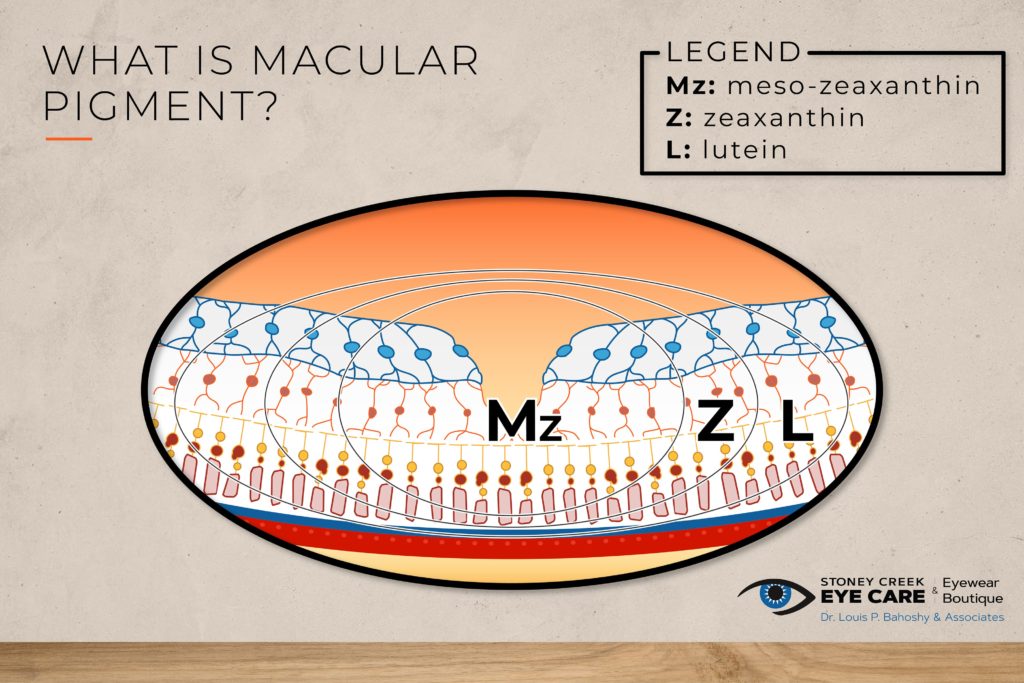
Age-related macular degeneration is a leading cause of blindness in seniors. Eggs help protect vision through multiple mechanisms.
Reduce Risk of Vision Loss
Eggs contain lutein and zeaxanthin that filter harmful blue light and neutralize free radicals in the retina. DHA supports retinal structure and may ease dry eye symptoms. Vitamin A is essential for night vision and corneal health. Eggs are more effective than spinach or kale at delivering lutein because the fat in yolks boosts absorption.
Immune Support Through Vitamin D
Vitamin D is crucial for immune function, especially in seniors who are more vulnerable to respiratory illnesses. Deficiency is linked to higher infection risk and more severe outcomes from illnesses.
Strengthen Defenses Against Infections
Two eggs provide about 440 IU of vitamin D, meeting 55 percent of the AI for older adults. This makes eggs a rare food source of this vital nutrient, especially valuable in winter or for those with limited sun exposure. Pairing eggs with mushrooms or fatty fish further boosts vitamin D intake.
Weight Management and Appetite Control
Over 60 percent of older adults are overweight or obese, increasing risks for diabetes, joint disease, and cancer. Eggs support healthy weight management through hormonal regulation.
Stay Full, Eat Less
Studies show that seniors who eat an egg-based breakfast feel fuller and consume fewer calories over 24 hours than those who eat carbs like toast or cereal. Eggs reduce hunger hormones and increase satiety hormones, making them ideal for sustainable weight management without sacrificing nutrition.
Practical Advantages for Older Adults
Eggs are uniquely suited to the challenges of aging. They offer low cost per nutrient compared to meat or supplements, are quick to cook for those with low energy or mobility issues, have a soft texture safe for dental issues or swallowing difficulties, and are culturally familiar across diets.
Safe Handling and Storage
Older adults are more vulnerable to food poisoning. Following safety rules is essential.
Prevent Foodborne Illness
Cook eggs thoroughly until yolks and whites are firm, avoiding runny or raw preparations. Use pasteurized eggs for recipes like smoothies. Store eggs in the fridge in the original carton away from the door. Use within four to five weeks of purchase and discard cracked or dirty eggs.
Best Cooking Methods and Pairings
How you cook and pair eggs matters for maximizing benefits and minimizing risks.
Choose Gentle Cooking Techniques
Soft scrambling, poaching, and soft-boiling preserve nutrients best. Avoid overcooking or browning, which creates oxidized cholesterol linked to inflammation. Low-heat frying is also a good option.
Never Skip the Yolk
The yolk contains most of the nutrients including choline, lutein, vitamin D, omega-3s, iron, and selenium. For most seniors, dietary cholesterol from yolks does not raise blood cholesterol. Skipping the yolk means missing the most powerful part of the egg.
Use Healthy Cooking Fats
Best options include extra virgin olive oil, avocado oil, and grass-fed ghee. Avoid corn, soybean, or vegetable oils high in inflammatory omega-6 fats.
Avoid Processed Meat Pairings
Skip bacon, sausage, and ham, which add excess sodium, nitrates, and saturated fats. These can raise blood pressure and impair circulation. Best pairings include spinach, kale, tomatoes, avocado, berries, whole grains, and fermented foods.
Promote Dietary Variety
Even healthy foods should be part of a varied diet. A 2018 Japanese study linked low dietary diversity to constipation, nutrient gaps, and lipid imbalances.
Rotate Foods, Boost Benefits
Keep eggs as a base but change the sides. Add chia or flax seeds, sauté mushrooms and peppers, serve with mixed greens or legumes. This ensures broader nutrient intake and reduces risk of overexposure to any single food.
Alternatives for Egg-Free Seniors
For those avoiding eggs due to allergy or preference, consider nutrient-rich alternatives.
Nutrient-Rich Protein Options
Grass-fed beef liver provides the highest natural source of B12, vitamin A, iron, zinc, and choline, with more bioavailable leucine than eggs. Other smart substitutes include fatty fish for omega-3s and vitamin D, Greek yogurt or kefir for protein and probiotics, legumes and lentils for fiber and plant protein, and tofu and tempeh for complete plant protein.
Recommended Intake for Seniors
| Group | Recommended Weekly Intake |
|---|---|
| Healthy seniors | 1 to 6 eggs per week, up to 2 per day |
| Diabetics or heart disease | Up to 7 eggs per week |
| All seniors | Eat eggs as part of a balanced, varied diet |
Current data shows only 17.9 percent of Australians over 71 eat eggs daily, far below optimal levels given their proven benefits.
Key Takeaways for Senior Egg Consumption
Eggs are more than breakfast, they are a strategic superfood for aging well. With science on their side, seniors should not only eat eggs but consider increasing intake as part of a balanced, vibrant diet. From boosting brainpower to building muscle and defending immunity, eggs offer a simple, powerful way to support independence and quality of life in later years.
The most important points to remember are that moderate egg consumption provides proven benefits for cognitive function, muscle maintenance, heart health, and immune support. Always consume the yolk for maximum nutrient density, use healthy cooking methods like soft scrambling or poaching, and pair eggs with vegetables and whole grains while avoiding processed meats. For most seniors, one to six eggs per week is optimal, with up to seven eggs per week being safe for those with diabetes or heart disease.
Frequently Asked Questions About Senior Egg Consumption
How many eggs can a senior safely eat per week?
Healthy seniors can safely eat 1 to 6 eggs per week, with up to 2 eggs per day being acceptable. Seniors with type 2 diabetes, high LDL cholesterol, or existing heart disease should limit intake to 7 eggs per week.
Do eggs raise cholesterol levels in older adults?
For most people, dietary cholesterol from eggs has minimal impact on blood LDL cholesterol levels. The liver compensates by reducing endogenous cholesterol production. Saturated and trans fats are the main drivers of heart disease risk, not egg cholesterol.
Are egg whites better than whole eggs for seniors?
No, seniors should eat whole eggs including the yolk. The yolk contains most of the nutrients including choline, lutein, vitamin D, omega-3s, iron, and selenium. The fat content in the yolk also enhances absorption of these fat-soluble nutrients.
What is the best way to cook eggs for seniors?
Gentle cooking methods preserve nutrients best. Soft scrambling, poaching, and soft-boiling are optimal. Avoid overcooking or browning, which can create oxidized cholesterol linked to inflammation. Use healthy fats like extra virgin olive oil or avocado oil for frying.
Can eggs help prevent cognitive decline in seniors?
Yes, research shows that seniors who eat 0.5 to 1.5 eggs per week experience significantly slower memory decline compared to non-consumers. Eggs provide choline, lutein, vitamin B12, and DHA, all linked to better brain function and reduced dementia risk.
What are the best egg pairings for senior health?
Pair eggs with leafy greens, tomatoes, avocado, berries, and whole grains. Avoid processed meats like bacon and sausage. Adding fermented foods like kimchi or sauerkraut boosts gut health. These combinations enhance fiber, antioxidant, and phytonutrient intake.