

Many older adults believe that poor sleep is just part of aging, but this is a dangerous myth. While sleep patterns naturally shift after 60, chronic insomnia, frequent awakenings, and daytime fatigue are not normal and should never be accepted as inevitable. The truth is, 7 to 9 hours of quality sleep remains essential for health, brain function, and longevity at any age. This guide provides actionable, science-backed strategies to help seniors sleep deeper, wake less, and feel more alert during the day.
Fix Your Sleep Schedule First
A consistent wake-up and bedtime is the most powerful tool for regulating sleep in older adults. As circadian rhythms shift with age, often causing earlier drowsiness and wake times, irregular schedules can deepen the problem, leading to fragmented nights and excessive daytime napping.
Set a Daily Wake-Up Time
Choose a fixed time to rise each morning, even on weekends, and stick to it. This anchors your internal clock and helps your brain release melatonin at the right time each evening.
Use an alarm if needed, and expose yourself to bright light within 30 minutes of waking to reinforce the signal. Here is what to do:
- Use an alarm clock or phone alarm for consistency
- Open curtains immediately or use a light therapy box
- Get outdoor sunlight when possible
Pro Tip: Avoid sleeping in after a bad night. Extra time in bed reduces sleep pressure and makes it harder to fall asleep the next night.
Go to Bed Only When Sleepy
Going to bed too early because you think you should can backfire. If you are not sleepy, you may lie awake, reinforcing anxiety about sleep. Instead, delay bedtime until you feel drowsy, perhaps 9:00 PM instead of 8:00 PM. Over time, a consistent wake-up time will naturally shift your bedtime earlier.
Stop Disruptive Habits That Harm Sleep
Many daily routines sabotage sleep without obvious warning. Older adults are especially sensitive to caffeine, alcohol, and screen light, and small changes here can yield big results.
Cut Caffeine by Early Afternoon
Caffeine sensitivity increases with age due to slower metabolism. Even a morning coffee can linger in your system for 6 to 8 hours. Avoid caffeine after 12:00 to 2:00 PM, including coffee, tea, soda, and chocolate. If you are a heavy user, taper gradually to avoid headaches.
Eliminate Alcohol Before Bed
Though alcohol may make you feel drowsy, it disrupts deep sleep and REM cycles, leading to fragmented rest and early awakenings. It also increases nighttime urination. Avoid alcohol 3 to 4 hours before bed, especially if you wake up frequently.
Ban Screens 60 Minutes Before Sleep
Phones, tablets, and TVs emit blue light that suppresses melatonin. Even brief exposure can delay sleep onset by 30 minutes or more. Stop all screen use at least 60 minutes before bed. Use night mode if essential, but better yet, switch to reading a physical book or listening to calming music.
Optimize Your Bedroom for Deep Sleep

Your sleep environment should signal safety, comfort, and darkness. A bedroom that is too warm, noisy, or cluttered can prevent restful sleep even when you are exhausted.
Keep It Cool and Dark
Set room temperature between 60 and 70°F. A cooler room supports the natural drop in body temperature that promotes sleep. Use blackout curtains or a sleep mask to block light, which inhibits melatonin.
Visual cue: If you can see your hand in front of your face, the room is not dark enough.
Silence or Mask Noise
Sudden sounds like a creaking floor or barking dog can wake older adults more easily. Use a white noise machine, fan, or earplugs to create a consistent sound buffer. Avoid TVs or radios as sleep aids, as they disrupt sleep cycles.
Upgrade Your Bed for Comfort
Invest in a supportive mattress and pillows. Consider medium-firm mattresses for back or joint pain, adjustable beds for acid reflux or sleep apnea, and pillows that align the neck to prevent stiffness. Avoid using the bed for reading, watching TV, or worrying. Train your brain: bed equals sleep.
Move More to Sleep Better
Physical activity is one of the most effective, underused sleep aids for seniors. Just 30 minutes of daily walking can reduce insomnia, improve sleep efficiency, and boost mood.
Choose Gentle, Daily Movement
Aim for moderate activity most days, such as brisk walking, swimming, tai chi, or chair yoga. Even 10 minutes of daily walking improves sleep quality over time. The key is consistency, not intensity.
Time Exercise Right
Finish vigorous activity at least 3 hours before bedtime. Exercise raises core body temperature and alertness, which can delay sleep if done too late. However, gentle stretching or light yoga before bed can promote relaxation.
Bonus: Outdoor daytime activity increases exposure to natural light, reinforcing circadian rhythm.
End Naps That Ruin Nighttime Sleep
Daytime napping is common among older adults, but it often comes at a cost: reduced sleep drive at night. If you nap too long or too late, you may struggle to fall asleep or stay asleep.
Limit Naps to 30 Minutes or Less
If you must nap, keep it short, no more than 20 to 30 minutes, and finish by 2:00 to 3:00 PM. This minimizes interference with nighttime sleep while still offering a cognitive boost.
Try Eliminating Naps to Reset Sleep Drive
If you are having trouble sleeping at night, try eliminating naps for 1 to 2 weeks to reset your sleep drive. This may feel difficult initially, but it often leads to deeper, more restorative nighttime sleep.
Use Relaxation Techniques to Quiet the Mind
Anxiety, racing thoughts, and physical tension are common barriers to sleep in older adults. Relaxation practices can reduce pre-sleep arousal and improve sleep onset.
Try Progressive Muscle Relaxation
Lie down and slowly tense, then relax, each muscle group from toes to forehead. This reduces physical tension and distracts from worry. Practice for 10 to 15 minutes before bed.
Practice Diaphragmatic Breathing
Breathe deeply into your belly, not your chest. Inhale for 4 seconds, hold for 2, exhale for 6. Repeat for 5 to 10 minutes. This activates the parasympathetic nervous system, calming the body.
Try Mindfulness or Guided Imagery
Focus on a calming word like peace or one, or visualize a peaceful scene like a beach or forest. Apps or recordings can guide you. Studies show mindfulness reduces insomnia symptoms in older adults.
Treat Common Sleep Disorders Early
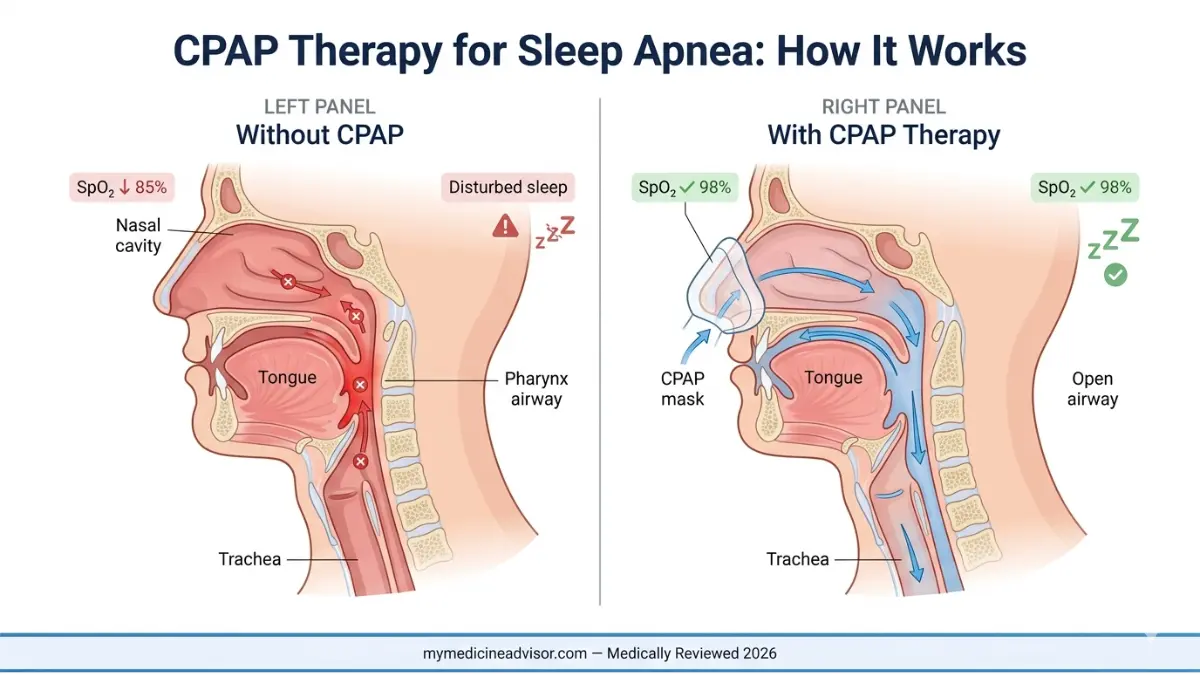
Many sleep problems in seniors are caused by treatable medical conditions. Ignoring symptoms like snoring, leg discomfort, or daytime fatigue can worsen health over time.
Recognize Sleep Apnea Signs
Obstructive sleep apnea is underdiagnosed but dangerous. Key signs include loud chronic snoring, gasping or choking at night, daytime sleepiness despite adequate time in bed, and witnessed breathing pauses. Untreated OSA increases risks of stroke, heart disease, and dementia. Diagnosis requires polysomnography, done at home or in a lab.
Treatment options include CPAP machines, weight loss, positional therapy, and avoiding alcohol.
Identify Restless Legs Syndrome
RLS causes an irresistible urge to move the legs, often with tingling or crawling sensations. Symptoms worsen at rest and in the evening. Common triggers include iron deficiency, kidney disease, Parkinson disease, and certain medications like antidepressants and antipsychotics.
Management includes checking ferritin levels and supplementing if low, avoiding caffeine and alcohol, using relaxation techniques, and consulting a doctor for medication options.
Adjust Diet and Fluids to Prevent Night Waking
What you eat and drink, especially in the evening, can make or break your sleep. Poor food choices contribute to indigestion, acid reflux, and nocturia.
Avoid Late, Heavy Meals
Finish eating at least 3 hours before bed. Large or spicy meals can cause heartburn or discomfort. Opt for light, easily digestible snacks if hungry, such as banana with peanut butter, warm milk or chamomile tea, or whole-grain crackers with cheese.
Reduce Evening Fluid Intake
To minimize trips to the bathroom, limit fluids 2 to 3 hours before bedtime. Avoid caffeine and alcohol, which are diuretics. Take diuretic medications earlier in the day if possible, but always consult your doctor first.
Note: Nocturia is common but not normal. Causes include BPH, diabetes, or medication side effects. Discuss with your doctor.
Try Cognitive Behavioral Therapy for Insomnia
CBT-I is the gold standard for treating chronic insomnia in older adults. Unlike sleep pills, it produces long-lasting results without side effects.
What CBT-I Includes
CBT-I includes sleep restriction, which limits time in bed to match actual sleep time to increase sleep efficiency. It includes stimulus control, which uses bed only for sleep and intimacy. If not asleep in 15 to 20 minutes, get up and do something quiet until sleepy. It also includes cognitive restructuring to challenge unhelpful thoughts, relaxation training, and sleep hygiene education.
Access: CBT-I is available through therapists, online programs, or primary care clinics.
Use Supplements Wisely and With Caution

Some older adults find mild benefit from natural sleep aids, but evidence varies and risks exist, especially with drug interactions.
Melatonin Works Best for Circadian Shifts
Melatonin, 1 to 3 mg, may help seniors with advanced sleep phase syndrome. Take it 30 to 60 minutes before desired bedtime.
Warning: Supplements are not FDA-regulated. Quality and dosage vary. Always consult your doctor before use.
Other Common Options
Chamomile tea offers a mild calming effect and is safe for most people. Tart cherry juice is a natural melatonin source that may improve sleep duration. Valerian root has mixed evidence and may cause drowsiness or interact with medications. Passionflower is traditionally used for anxiety with limited data.
Avoid OTC sleep aids with diphenhydramine, such as Benadryl or Tylenol PM. These anticholinergic drugs increase risks of confusion, falls, and dementia in older adults.
Know When to See a Doctor
Persistent sleep problems are not something to tough out. If poor sleep lasts more than 3 to 4 weeks or affects daily life, it is time to seek help.
See a Doctor If You Have
Difficulty falling or staying asleep most nights, excessive daytime sleepiness, snoring, gasping, or breathing pauses, leg movements or discomfort at night, or memory issues, mood changes, or frequent falls.
Review Your Medications
Many common drugs disrupt sleep. Diuretics cause nocturia, beta-blockers cause vivid dreams, corticosteroids cause alertness, and SSRIs may trigger RLS. Ask your doctor, could any of my medications be affecting my sleep? Adjusting timing or switching drugs may help.
Follow a Nightly Routine to Signal Sleep
A consistent pre-sleep ritual signals your body that it is time to wind down. Over time, this routine becomes a powerful sleep cue.
Build Your Own Routine
Create a routine that works for your schedule. Finish eating and drinking except small sips of water by 8:00 PM. Take medications if not stimulating by 8:30 PM. Do gentle stretching or breathing exercises by 9:00 PM. Take a warm bath or shower by 9:15 PM. Read a physical book or listen to soft music by 9:45 PM. Brush teeth and dim lights by 10:00 PM. Get into bed only when sleepy by 10:15 PM.
Key: Keep the routine calm, screen-free, and consistent, even on weekends.
Frequently Asked Questions About Improving Sleep for Elderly
How many hours of sleep do older adults actually need?
Older adults need 7 to 9 hours of sleep per night, the same as younger adults. The common belief that sleep need decreases with age is a myth. Only sleep quality and depth may change, not the quantity required for optimal health.
Why do older adults wake up so early in the morning?
This is called advanced sleep phase syndrome. As circadian rhythms shift with age, melatonin releases earlier in the evening, causing earlier drowsiness and wake times. This is normal but can be managed with consistent bedtimes and exposure to bright light in the evening.
Are sleeping pills safe for elderly individuals?
Most sleeping pills carry significant risks for older adults, including confusion, falls, dependence, and increased dementia risk. OTC sleep aids containing diphenhydramine should be avoided entirely. CBT-I is the recommended first-line treatment instead.
Can exercise really help older adults sleep better?
Yes. Even 10 minutes of daily walking can improve sleep quality over time. Exercise reduces insomnia, lowers stress, improves mood, and enhances sleep efficiency. Just finish vigorous activity at least 3 hours before bedtime.
What is the best treatment for insomnia in older adults?
Cognitive behavioral therapy for insomnia, also known as CBT-I, is the gold standard treatment. It is as effective as medication but produces longer-lasting results with no side effects. It addresses sleep habits, thought patterns, and relaxation techniques.
When should I worry about snoring in older adults?
Chronic snoring may signal obstructive sleep apnea, a serious condition linked to heart disease, stroke, and dementia. If snoring is loud, chronic, or accompanied by gasping or daytime sleepiness, seek evaluation from a sleep specialist.
Key Takeaways for Better Sleep at Any Age
Improving sleep in older adults is entirely possible with the right strategies. Focus on consistency by maintaining the same bedtime and wake-up time daily, even on weekends. Optimize your environment by keeping the bedroom cool, dark, and quiet, and reserve the bed only for sleep and intimacy. Prioritize movement by engaging in at least 30 minutes of moderate activity most days, finishing vigorous exercise at least 3 hours before bed. Address habits by avoiding caffeine after noon, eliminating alcohol before bed, and stopping screen use at least 60 minutes before sleep. Seek professional help when sleep problems persist beyond 3 to 4 weeks or affect daily functioning. Treat sleep as a vital sign of health, because it is. With small, sustainable steps, better sleep is within reach at any age.