
Lorazepam is frequently prescribed to older adults despite widespread guidelines warning against benzodiazepine use in this population. While all benzodiazepines carry risks especially in the elderly, lorazepam is often considered the preferred option when use is unavoidable. This is not because it is safe, but because its pharmacokinetic profile makes it less dangerous than alternatives in older patients with age-related changes in metabolism, cognition, and mobility.
This article explains why lorazepam is the go-to benzodiazepine in older adults, backed by pharmacokinetic evidence and clinical guidelines. You will learn when lorazepam may be justified, how it compares to other benzodiazepines, what serious risks still exist, and practical strategies for minimizing harm.
Pharmacokinetic Reasons Lorazepam Is Preferred in Elderly
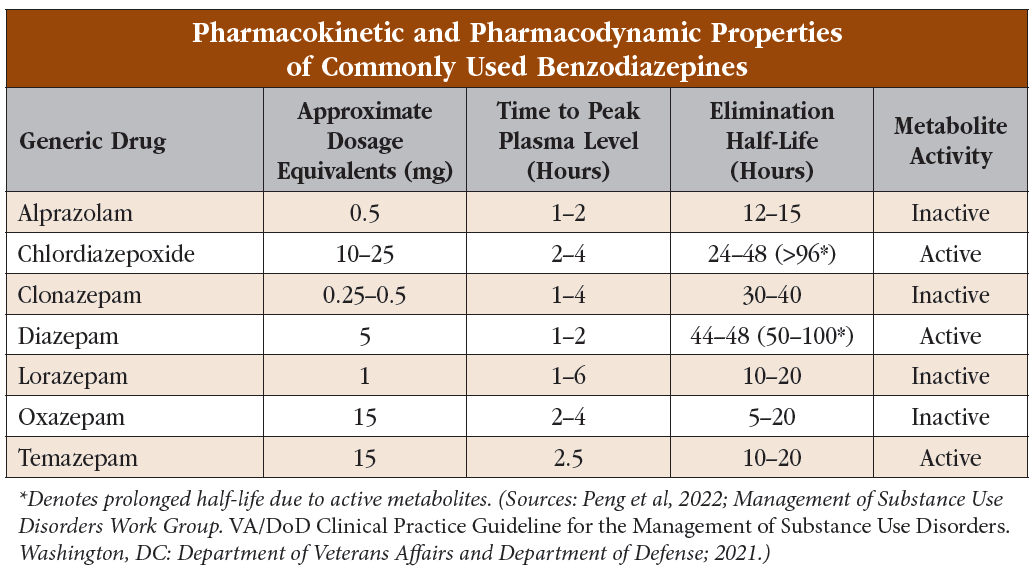
Lorazepam offers several pharmacological advantages that make it the safer choice among benzodiazepines for older adults. These properties reduce the risk of drug accumulation and prolonged impairment, which are key concerns in elderly patients.
Short to Intermediate Half-Life Reduces Accumulation Risk
Lorazepam has a half-life of 10 to 20 hours, placing it in the intermediate range. This duration offers a balance between effective symptom control and avoiding excessive buildup with repeated dosing.
Unlike long-acting agents such as diazepam with a half-life of 20 to 100 hours or flurazepam with 40 to 250 hours, lorazepam clears from the body more predictably. In elderly patients, even slight prolongation of drug action can lead to next-day sedation, mental fog, and unsteadiness. The intermediate half-life reduces the chance of residual effects that impair driving, balance, or cognitive performance the following day.
No Active Metabolites Prevents Prolonged Effects
One of lorazepam is most important advantages is that it produces no active metabolites. After administration, lorazepam is metabolized directly in the liver via glucuronidation and excreted by the kidneys as inactive compounds.
In contrast, diazepam, clorazepate, and chlordiazepoxide are converted into desmethyldiazepam, an active metabolite with a half-life exceeding 100 hours. This leads to weeks of lingering central nervous system depression. Elderly patients, especially those with impaired organ function, are at high risk of accumulating these metabolites, resulting in prolonged sedation, confusion, and increased fall risk.
Glucuronidation Pathway Avoids Drug Interactions
Lorazepam is metabolized via glucuronidation, not the cytochrome P450 enzyme system. This metabolic pathway is less affected by age-related decline and is not easily inhibited or induced by common medications.
Drugs like alprazolam, triazolam, and clonazepam rely on CYP3A4, making them prone to dangerous drug interactions in patients taking antidepressants, antifungals, macrolide antibiotics, or anticonvulsants. Lorazepam independence from CYP pathways means fewer interactions, greater predictability, and safer use in polypharmacy scenarios common in older adults.
The LOT Rule for Safer Benzodiazepine Selection
The LOT mnemonic identifies the safest benzodiazepines for older and renally impaired patients. These agents share critical features including no active metabolites, intermediate or short half-lives, hepatic metabolism via glucuronidation, and lower risk of accumulation.
The three agents in the LOT rule are:
• Lorazepam
• Oxazepam
• Temazepam
Among them, lorazepam is often preferred due to its rapid onset within 15 to 30 minutes and higher potency, making it more effective for acute symptoms like panic or agitation. Oxazepam, while equally safe, acts more slowly, sometimes taking up to 60 minutes, and requires more frequent dosing, complicating use in frail or cognitively impaired patients.
Clinical Situations Where Lorazepam Is Used in Older Adults
Lorazepam is not a first-line treatment for most conditions in elderly patients, but certain clinical scenarios justify its use under careful supervision.
Acute Anxiety and Panic Attacks
Lorazepam provides rapid relief within 30 minutes for acute anxiety episodes. It is most strongly indicated for panic disorder in older adults, with expert consensus supporting short-term use.
For generalized anxiety or phobias, it may be used temporarily while initiating non-drug treatments like cognitive behavioral therapy. Doses as low as 0.25 to 0.5 milligrams are often effective, minimizing side effects. However, long-term use is discouraged due to risks of dependence and cognitive decline.
Alcohol Withdrawal Management
Lorazepam is a first-line agent for alcohol withdrawal in elderly patients. Its predictable metabolism and lack of active metabolites make it safer than diazepam, especially in those with liver impairment.
It effectively prevents or treats withdrawal symptoms like tremors, agitation, and seizures. Dosing is typically 1 to 2 milligrams every 6 to 8 hours, adjusted based on symptom severity using protocols like the Clinical Institute Withdrawal Assessment. In older adults, lower initial doses and close monitoring are essential to avoid oversedation.
Catatonia and REM Sleep Behavior Disorder
Lorazepam is the gold standard treatment for catatonia, often administered at 1 to 2 milligrams intravenously or orally to test for response. A positive response improved movement, speech, and responsiveness confirms the diagnosis.
In elderly patients with catatonia due to medical, psychiatric, or neurodegenerative causes, lorazepam can be life-saving. It is also used off-label for REM sleep behavior disorder, where low doses of 0.5 to 1 milligram at bedtime reduces nocturnal movements and injuries.
Palliative and Hospice Care
In end-of-life settings, lorazepam may be used for terminal restlessness, dyspnea, or agitation. It helps ease suffering in patients with advanced dementia, cancer, or organ failure. Low doses of 0.25 to 0.5 milligrams can be given as needed for acute distress.
However, caution is warranted. A 2025 study of 139,103 nursing home residents with Alzheimer disease found that starting benzodiazepines during hospice care increased 180-day mortality by 41 percent. This suggests even short-term use may carry significant risks in frail populations.
Major Risks of Lorazepam in Elderly Patients
Despite its relative advantages, lorazepam carries substantial risks in older adults that must be carefully weighed against benefits.
Cognitive Decline and Dementia Risk
Lorazepam impairs multiple cognitive domains including memory, attention, psychomotor speed, and executive function. Effects are dose-dependent and may persist after discontinuation.
A large French-Canadian study found a 32 percent increased risk of Alzheimer disease with 3 to 6 months of use and an 84 percent increased risk with use exceeding 6 months. Risk rose with cumulative dose. A 2024 cross-sectional study linked benzodiazepine use to dose-dependent dementia risk, drowsiness, and functional dependence.
However, some studies show conflicting results, possibly due to confounding by indication where anxiety may be an early sign of dementia. While causality remains debated, the association is strong enough to warrant extreme caution.
Falls, Fractures, and Driving Impairment
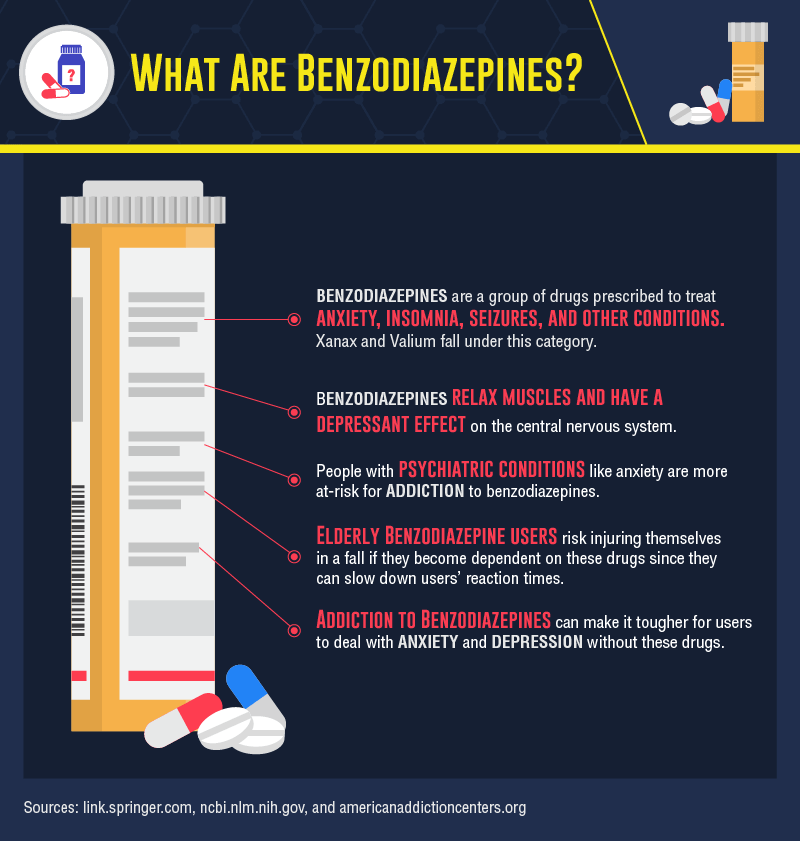
Benzodiazepines increase fall risk by 50 to 80 percent in older adults. Lorazepam contributes through drowsiness, dizziness, ataxia, and postural instability.
Hip fractures are a major consequence, often leading to hospitalization, loss of independence, or death. A study by Dr. David Carr found that 35 percent of drivers aged 65 and older on sedatives failed a road test, primarily due to delayed reaction time and poor judgment. Even low doses can impair motor function, especially when combined with opioids, antipsychotics, or alcohol.
Delirium and Paradoxical Reactions
Lorazepam can trigger or worsen delirium in elderly patients, particularly those with dementia. Symptoms include confusion, disorientation, hallucinations, and fluctuating alertness.
Paradoxical reactions such as agitation, aggression, disinhibition, or restlessness may occur, especially in patients with Lewy body or vascular dementia. These effects can mimic or exacerbate behavioral symptoms, leading to misdiagnosis and inappropriate treatment escalation.
Respiratory Depression With Opioids
Lorazepam suppresses respiratory drive, posing serious risks in patients with COPD, sleep apnea, heart failure, or advanced age. When combined with opioids, the risk of fatal respiratory depression skyrockets.
Benzodiazepines are involved in approximately 80 percent of opioid-related deaths. The combination increases overdose risk 2- to 4-fold, even at low doses. This interaction is so dangerous that the FDA requires a black box warning. Elderly patients on opioids for chronic pain should avoid lorazepam unless absolutely necessary.
Dependence and Withdrawal Challenges
Physical dependence can develop after just 2 to 4 weeks of daily use. Withdrawal symptoms include rebound anxiety, insomnia, tremors, and seizures.
Tapering must be slow and gradual, typically 5 to 10 percent dose reduction per month. The Ashton Manual recommends switching to diazepam for tapering due to its long half-life, but this is not advised in the elderly because of active metabolite accumulation. Instead, direct tapering of lorazepam or use of adjuncts like propranolol or pregabalin is safer in older adults.
Comparing Lorazepam to Other Benzodiazepines

Understanding how lorazepam stacks up against other options helps explain why it is preferred when benzodiazepines cannot be avoided.
| Benzodiazepine | Half-Life | Active Metabolites | CYP Metabolism | Risk Level |
|---|---|---|---|---|
| Lorazepam | 10-20 h | No | No | Moderate |
| Oxazepam | 4-15 h | No | No | Low |
| Temazepam | 8-20 h | No | No | Moderate |
| Diazepam | 20-100 h | Yes | Yes | High |
| Alprazolam | 6-12 h | Minimal | Yes | High |
| Clonazepam | 18-50 h | No | Yes | High |
| Flurazepam | 40-250 h | Yes | Yes | Very High |
Expert consensus supports lorazepam over alternatives. Dr. Aiken from the Clinical Geropsychopharmacology Research Group states that lorazepam is preferred because it does not linger or build up metabolites. The 2019 Beers Criteria list all benzodiazepines as potentially inappropriate, but lorazepam, oxazepam, and temazepam are less harmful than long-acting agents.
Safer Alternatives to Lorazepam
The goal should be avoiding benzodiazepines altogether whenever possible, not simply choosing the safest one.
First-Line Non-Drug Treatments
Cognitive behavioral therapy is the gold standard for anxiety and insomnia. CBT for anxiety is effective for panic, phobias, and generalized anxiety. CBT-I, or cognitive behavioral therapy for insomnia, is the first-line treatment that improves sleep onset and maintenance without side effects. Available apps include CBT-I Coach, which is free, and Somryst, which is FDA-cleared and costs $120.
Lifestyle interventions also help significantly. Regular physical activity, daytime engagement through programs like dementia day centers, and sleep hygiene practices like consistent bedtimes and limited naps all contribute to better outcomes without medication.
Safer Medication Options
When drugs are needed, several alternatives have better safety profiles than lorazepam. Ramelteon at 8 milligrams per night is a melatonin receptor agonist that is safe with no abuse risk. Suvorexant at 10 to 20 milligrams or Lemborexant at 5 to 10 milligrams are orexin antagonists effective for insomnia with minimal next-day sedation. Low-dose doxepin at 3 to 6 milligrams is approved for sleep with minimal anticholinergic effects at low dose. Melatonin at 1 to 3 milligrams offers mild benefit and is safer than benzodiazepines.
Tapering Aids and Adjuncts
Evidence supports using certain medications to ease benzodiazepine withdrawal. Propranolol at 60 to 120 milligrams daily reduces tremors and palpitations during withdrawal. Pregabalin at 200 to 400 milligrams nightly has anxiolytic properties and helps tapering but may cause dizziness. Trazodone at 75 to 400 milligrams daily is a sedating antidepressant used for sleep. Silexan at 160 milligrams nightly is an over-the-counter lavender oil extract effective for anxiety with an effect size of 0.87.
Proven Deprescribing Tools
The Tannenbaum brochure titled You May Be At Risk: You Are Taking a Sedative-Hypnotic has been tested in clinical trials. It resulted in 62 percent of patients discussing stopping with their provider and 27 percent successfully discontinuing benzodiazepines. The brochure includes a visual taper schedule, safety warnings, and non-drug alternatives.
Special Caution for Dementia Patients
Lorazepam is strongly discouraged in patients with Alzheimer disease, Lewy body dementia, or vascular dementia. It worsens confusion, memory, and fall risk. It can cause paradoxical disinhibition leading to aggression, agitation, or paranoia. It may mimic delirium, making diagnosis difficult.
One patient case illustrates these dangers. After starting lorazepam, the patient experienced daytime sedation, irritability, medication mismanagement with both double-dosing and missed doses, and false accusations of theft. These symptoms improved only after tapering the medication.
It is impossible to assess true cognition in a patient taking benzodiazepines. Sedation masks underlying mental status. Best practice is to taper lorazepam under geriatric supervision before diagnosing dementia or starting new psychotropic medications. A drug holiday can reveal whether symptoms are due to the disease or the medication.
Key Takeaways for Lorazepam Use in Elderly
Lorazepam is preferred in elderly patients not because it is safe, but because it is less risky than other benzodiazepines. Its lack of active metabolites, intermediate half-life, and glucuronidation pathway make it the least bad option when a benzodiazepine must be used.
However, the real goal is avoiding benzodiazepines altogether. Use lorazepam only for short-term or acute indications such as panic, withdrawal, or catatonia. Start with the lowest dose possible, typically 0.25 to 0.5 milligrams. Avoid scheduled dosing and use as-needed only. Never use lorazepam as first-line for dementia-related agitation. Deprescribe using structured tools like the Tannenbaum brochure. Prefer non-drug treatments like CBT and CBT-I alongside lifestyle interventions.
Lorazepam may be the safest benzodiazepine in older adults, but the safest choice is no benzodiazepine at all.
Frequently Asked Questions About Lorazepam in Elderly
Why is lorazepam preferred over other benzodiazepines in elderly patients?
Lorazepam is preferred because it has no active metabolites, an intermediate half-life of 10 to 20 hours, and is metabolized via glucuronidation rather than cytochrome P450 enzymes. These properties reduce the risk of drug accumulation, prolonged sedation, and dangerous drug interactions that are especially problematic in older adults with declining organ function.
What is the LOT rule for benzodiazepines in elderly?
The LOT rule identifies the three safest benzodiazepines for elderly and renally impaired patients: Lorazepam, Oxazepam, and Temazepam. These agents share key features including no active metabolites, short to intermediate half-lives, metabolism via glucuronidation, and lower risk of accumulation compared to other benzodiazepines.
What are the main risks of lorazepam in older adults?
The main risks include cognitive decline and possible dementia risk with long-term use, increased fall and fracture risk due to sedation and impaired coordination, delirium especially in those with pre-existing cognitive impairment, respiratory depression especially when combined with opioids, and physical dependence that can develop within 2 to 4 weeks of daily use.
What is a safe alternative to lorazepam for sleep in elderly?
Cognitive behavioral therapy for insomnia, or CBT-I, is the first-line treatment for sleep problems in older adults and is safer than any benzodiazepine. Medication alternatives include ramelteon, suvorexant or lemborexant, low-dose doxepin, and melatonin. These have better safety profiles and no risk of dependence.
Can lorazepam be used safely in dementia patients?
Lorazepam is strongly discouraged in patients with any type of dementia. It worsens confusion, memory impairment, and agitation. It can cause paradoxical reactions including aggression and disinhibition. It also makes it impossible to properly assess cognitive status. Behavioral and environmental interventions should be prioritized over medication for dementia-related symptoms.
How should lorazepam be tapered in elderly patients?
Tapering should be gradual, typically reducing the dose by 5 to 10 percent per month. Unlike recommendations for younger adults, switching to diazepam for tapering is not advised in elderly patients due to active metabolite accumulation. Direct tapering of lorazepam or use of adjuncts like propranolol or pregabalin is safer. The Tannenbaum brochure provides a visual taper schedule that has proven effective in clinical trials.