If your elderly parent, grandparent, or loved one has been prescribed a benzodiazepine for anxiety or trouble sleeping, you are not alone. Nearly 9% of seniors receive these medications, and 31% of those prescriptions are classified as long-term use. However, these commonly prescribed drugs carry serious risks for older adults, including cognitive decline, falls, fractures, delirium, and even increased mortality.
This article explains exactly why benzodiazepines should be avoided in the elderly, the science behind their dangers, and what safer alternatives exist. You will learn about the specific risks, clinical guidelines, and evidence-based strategies for deprescribing.
High Prescribing Rates in Hospitalized Seniors
A large study of over 107,500 hospitalized adults aged 65 and older found that 13.5% were taking benzodiazepines at admission. Even among patients aged 89 and older, use remained high at 11.9%, showing no significant drop with advancing age. This persistent prescribing pattern is alarming given the heightened risks in this population.
Women are prescribed benzodiazepines at more than twice the rate of men. Specifically, 65.4% of users are women compared to 34.6% men, reflecting broader trends in psychotropic medication use among older adults.
Severe Cognitive Risks From Benzodiazepine Use
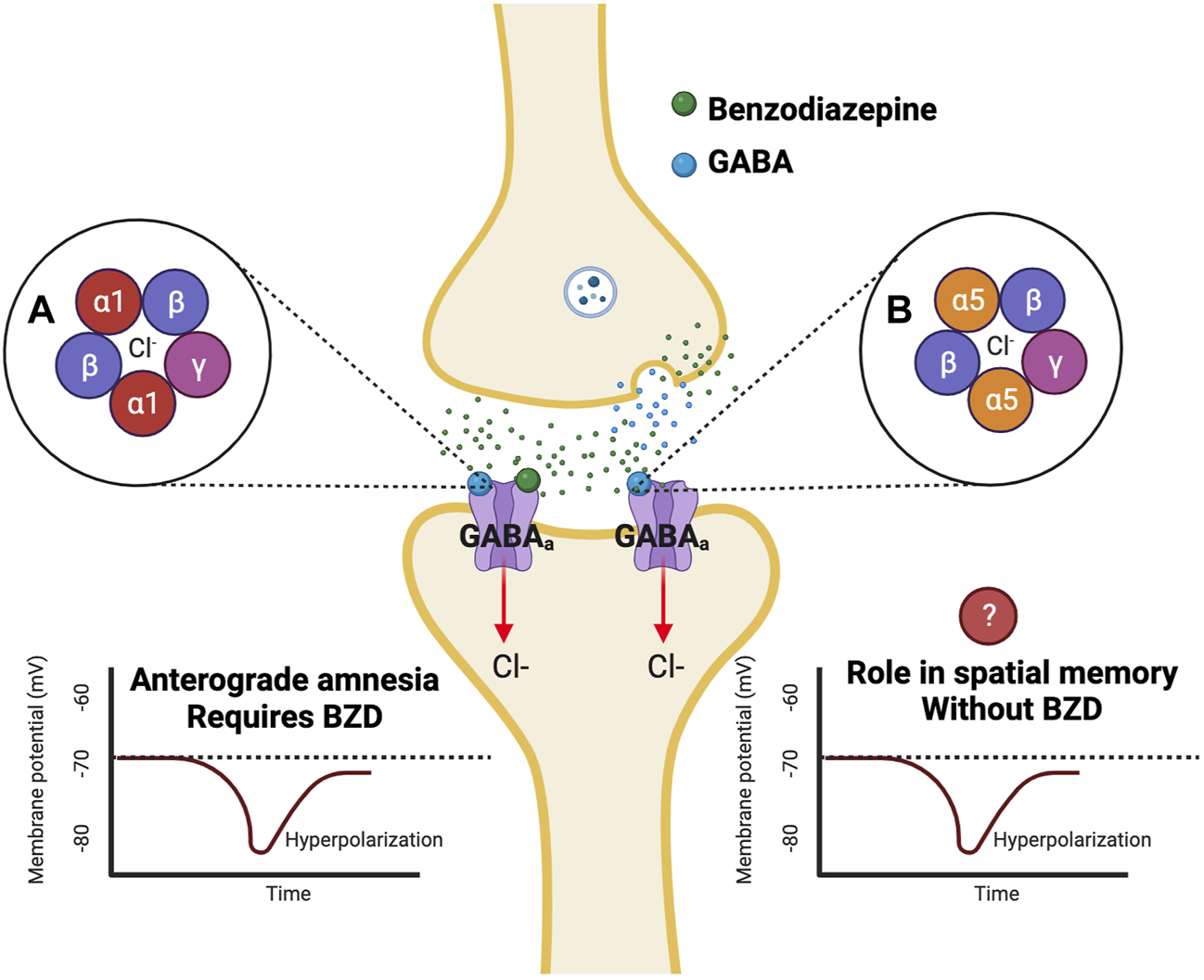
Benzodiazepines impair memory, attention, processing speed, and executive function even after short-term use. More concerning, long-term use is tied to a significantly higher risk of dementia and Alzheimer disease.
A major French-Canadian study found important associations between benzodiazepine use and cognitive decline:
- 32% increased risk of Alzheimer disease with 3-6 months of use
- 84% increased risk with use exceeding six months
- Risk increases with cumulative dose and duration
- Long-half-life benzodiazepines and use exceeding three years carry the greatest dementia risk
A 2023 umbrella review confirmed that all included meta-analyses reported positive associations between benzodiazepines and dementia. A 2024 study found no overall dementia link but showed significantly lower total brain volume in long-term users, suggesting structural brain damage.
Benzodiazepines can also trigger or worsen delirium, especially in hospitalized or post-surgical seniors. They cause psychomotor slowing, disorientation, and confusion, increasing the risk of complications, longer hospital stays, and death.
Fall and Fracture Dangers in Seniors
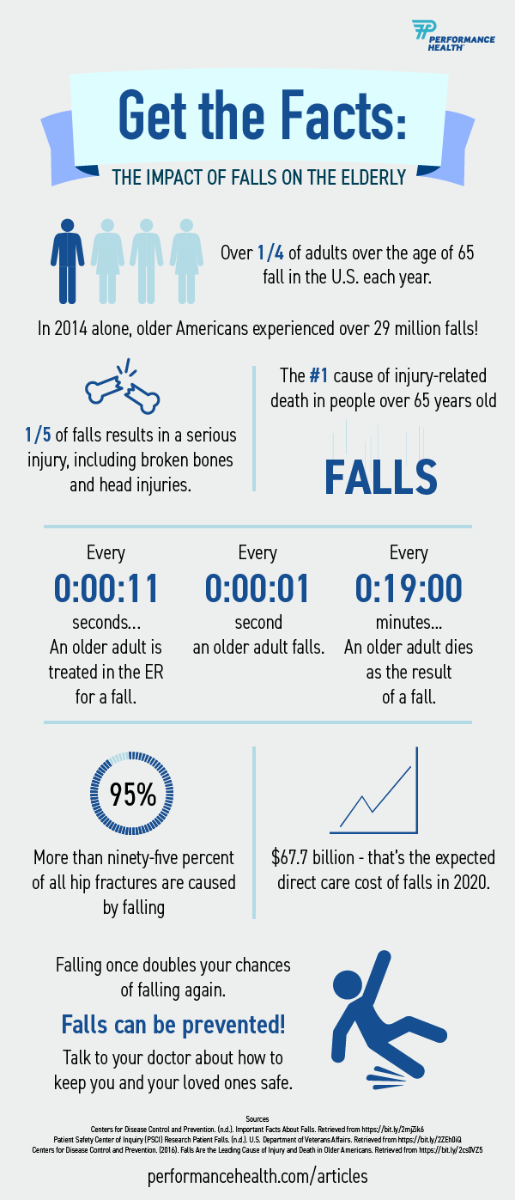
Sedation, dizziness, and impaired balance from benzodiazepines dramatically increase fall risk in older adults. Studies show a 50% to 80% higher chance of hip fracture, a life-altering event in seniors.
Hip fractures often lead to:
- Loss of independence
- Nursing home admission
- Increased mortality, with up to 20-24% dying within one year
- High healthcare costs and prolonged rehabilitation
Even low doses can impair gait and coordination. The risk is highest during the first few weeks of use, but it remains elevated with long-term therapy.
Driving Impairment and Accident Risk
A study of 198 cognitively intact seniors over age 65 with no cognitive impairment found that 35% received a marginal or failing score on an on-road driving test when using sedatives, including benzodiazepines.
Even without existing cognitive issues, benzodiazepines impair reaction time, judgment, coordination, and visual tracking. This puts older drivers and others at significant risk. Avoid prescribing benzodiazepines to seniors who still drive.
Increased Mortality Risk
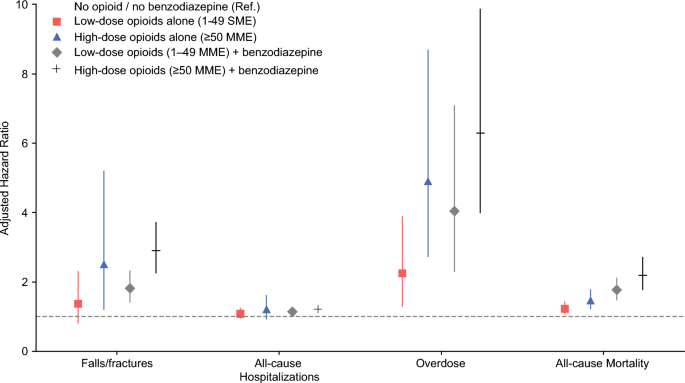
A 2025 national study of 139,103 nursing home residents with Alzheimer disease enrolled in hospice found that new benzodiazepine use was associated with a 41% higher risk of death within 180 days. For comparison, new antipsychotic use showed a 16% higher risk over the same period.
Hospital data also reveal concerning patterns for benzodiazepine users:
- Longer median hospital stays: 4.0 vs. 3.0 days
- Higher median total hospital charges: $34,689 vs. $34,080
- Greater likelihood of ICU admission: 12.5% vs. 11.6%
While crude in-hospital death rates were slightly lower in users, this difference disappeared after adjusting for age and gender, proving no protective benefit.
Rapid Physical Dependence Development
Physical dependence on benzodiazepines can develop after just 2-4 weeks of daily use, even at therapeutic doses. The FDA defines this as a physiological adaptation that causes withdrawal symptoms if the drug is stopped abruptly.
Older adults are more vulnerable due to:
- Slower liver and kidney function
- Increased body fat that prolongs drug effect
- Greater sensitivity to central nervous system depression
Dependence is not addiction, but it is medically serious and makes discontinuation difficult.
Tapering Must Be Extremely Slow
Stopping benzodiazepines in seniors requires a 5-10% dose reduction per month or slower. For some, tapering may take months or years.
Key challenges include interdose withdrawal with short-acting drugs like alprazolam and accumulation of active metabolites with long-acting drugs like diazepam. Diazepam, often used in tapering via the Ashton Manual, has metabolites that can build up in older adults, increasing sedation and fall risk.
Protracted Withdrawal and Long-Term Disability
Some seniors experience protracted withdrawal syndrome with symptoms lasting months or years:
- Anxiety and insomnia
- Brain fog and cognitive dysfunction
- Neuropathic pain
- Autonomic instability
In severe cases, patients become completely bedridden. The late Dr. Heather Ashton, a leading expert, noted that while many improve after stopping, others suffer long-term disability that may outlast their life expectancy. Informed consent is essential before attempting to stop.
Age-Related Metabolism Changes
Older adults process drugs differently than younger people. Reduced liver function leads to slower breakdown of long-acting benzodiazepines. Increased body fat prolongs the half-life of fat-soluble drugs. Reduced kidney function slows removal of metabolites.
This leads to drug accumulation, prolonged sedation, and greater side effects, even at low doses.
Safer Choices: The LOT Rule
Benzodiazepines metabolized via glucuronidation are safer in seniors. Remember the acronym LOT:
- Lorazepam (Ativan)
- Oxazepam (Serax)
- Temazepam (Restoril)
These avoid oxidative liver pathways that decline with age. However, even LOT drugs carry risks with long-term use and should be limited to short durations under one month when absolutely necessary.
Ineffective for Common Elderly Conditions
Benzodiazepines are not recommended for insomnia in older adults. They lose effectiveness after one month as tolerance develops quickly, leading to dose escalation and dependence.
Better alternatives include cognitive behavioral therapy for insomnia (CBT-I) as the first-line solution, sleep hygiene practices like consistent bedtime and caffeine avoidance, and low-dose melatonin for safer, modest benefit.
For agitation and delirium in dementia, benzodiazepines are not first-line treatment. They worsen confusion and increase fall risk. Preferred approaches include non-drug strategies like reducing noise and improving lighting, ensuring sensory aids like glasses and hearing aids are available, and using low-dose antipsychotics only if necessary with proper monitoring.
Psychiatric and Behavioral Dangers
Seniors on benzodiazepines face a fourfold higher risk of suicide compared to non-users. Among psychotropic drugs, benzodiazepines have the strongest link to suicidality, even more than SSRIs with FDA black box warnings.
Contributing factors include disinhibition, depression worsening, impulsivity, and access to lethal means. Screen for suicide risk before prescribing, especially in isolated or depressed older adults.
Benzodiazepines can also cause paradoxical aggression and violence. Monitor for uncharacteristic anger, verbal or physical outbursts, and emotional lability. If these occur, discontinue the drug immediately.
Clinical Guidelines Recommend Avoidance
The American Geriatrics Society Beers Criteria (2019) lists benzodiazepines as potentially inappropriate medications in older adults due to increased central nervous system sensitivity, prolonged drug effects, high fall and fracture risk, cognitive decline, and dependence and withdrawal dangers. They should be avoided as first-line treatment for anxiety, insomnia, or agitation.
The Screening Tool of Older Person Prescriptions (STOPP) advises against benzodiazepine use for insomnia, agitation, or delirium unless absolutely necessary with clear indication, close monitoring, and a deprescribing plan.
Safe Deprescribing Strategies
Abrupt discontinuation causes withdrawal and distress. Instead, use a structured, patient-centered approach with these key steps:
- Provide psychoeducation explaining risks and benefits
- Use shared decision-making involving patient and family
- Set clear goals like improving alertness and reducing falls
- Start extremely slow with 5-10% monthly dose reduction
- Use long-acting agents carefully, avoiding diazam in frail elderly
- Monitor weekly through phone, in-person, or virtual visits
- Adjust as needed, pausing or slowing taper if withdrawal occurs
For anxiety, safer alternatives include SSRIs like sertraline or escitalopram, SNRIs, and cognitive behavioral therapy. For insomnia, use CBT-I, melatonin, and sleep hygiene improvements.
Proven programs like EMPOWER, which use educational intervention with written materials and pharmacist support, have shown success in doubling discontinuation rates. The Maudsley Deprescribing Guidelines offer evidence-based tapering protocols for older adults.
Success depends on patience, support, and persistence, not just willpower.
Frequently Asked Questions About Benzodiazepines in the Elderly
Why are benzodiazepines dangerous for seniors over 65?
Benzodiazepines pose heightened risks in older adults due to increased sensitivity to central nervous system effects, slower drug metabolism leading to accumulation, and elevated chances of cognitive impairment, falls, fractures, delirium, and mortality. Clinical guidelines like the Beers Criteria specifically recommend avoiding these medications in seniors.
What is the link between benzodiazepines and dementia?
Research demonstrates that benzodiazepine use correlates with substantially higher dementia risk, with studies showing a 32% increase from 3-6 months of use escalating to 84% with use beyond six months. Long-term use and higher cumulative doses are associated with the greatest risk, and neuroimaging studies reveal reduced brain volume in long-term users.
Can elderly patients safely stop taking benzodiazepines?
Yes, with proper support and gradual tapering, most elderly patients can successfully discontinue benzodiazepines. The process requires extremely slow taper: 5-10% dose reduction per month or slower, along with frequent monitoring and alternative treatments like CBT for anxiety or CBT-I for insomnia. Programs like EMPOWER have demonstrated success through patient education and pharmacist support.
What are safer alternatives to benzodiazepines for seniors?
For anxiety, safer options include SSRIs, SNRIs, and cognitive behavioral therapy. For insomnia, cognitive behavioral therapy for insomnia (CBT-I), improved sleep hygiene, and low-dose melatonin are preferred. Non-drug approaches should always be attempted first before considering any medication.
How long does it take to taper off benzodiazepines in elderly patients?
Tapering may require months or even years due to the need for extremely gradual dose reductions of 5-10% per month or slower to minimize withdrawal symptoms. The duration depends on the original dose, how long the patient has been taking the medication, and individual response to dose reductions.
Do all benzodiazepines carry the same risks in elderly patients?
No. Benzodiazepines metabolized through glucuronidation (lorazepam, oxazepam, temazepam) are considered relatively safer since they avoid oxidative liver pathways that decline with age. However, even these safer options carry risks with long-term use and should be limited to short durations under one month when absolutely necessary.
Key Takeaways for Avoiding Benzodiazepines in Seniors
Benzodiazepines present serious, well-documented dangers for older adults including cognitive decline, dementia, delirium, falls, fractures, driving accidents, and increased mortality. Despite these risks, prescribing remains widespread, with 13.5% of hospitalized seniors using these medications.
Clinical guidelines including the Beers Criteria and STOPP criteria explicitly recommend avoiding benzodiazepines as first-line treatment in elderly patients. When use is unavoidable, it should be short-term under one month, at the lowest effective dose, using safer agents like lorazepam, oxazepam, or temazepam, and accompanied by informed consent and a structured deprescribing plan.
Safer, evidence-based alternatives exist for both anxiety and insomnia, and with proper education and support, most elderly patients can successfully taper off benzodiazepines to improve their cognition, safety, and quality of life.