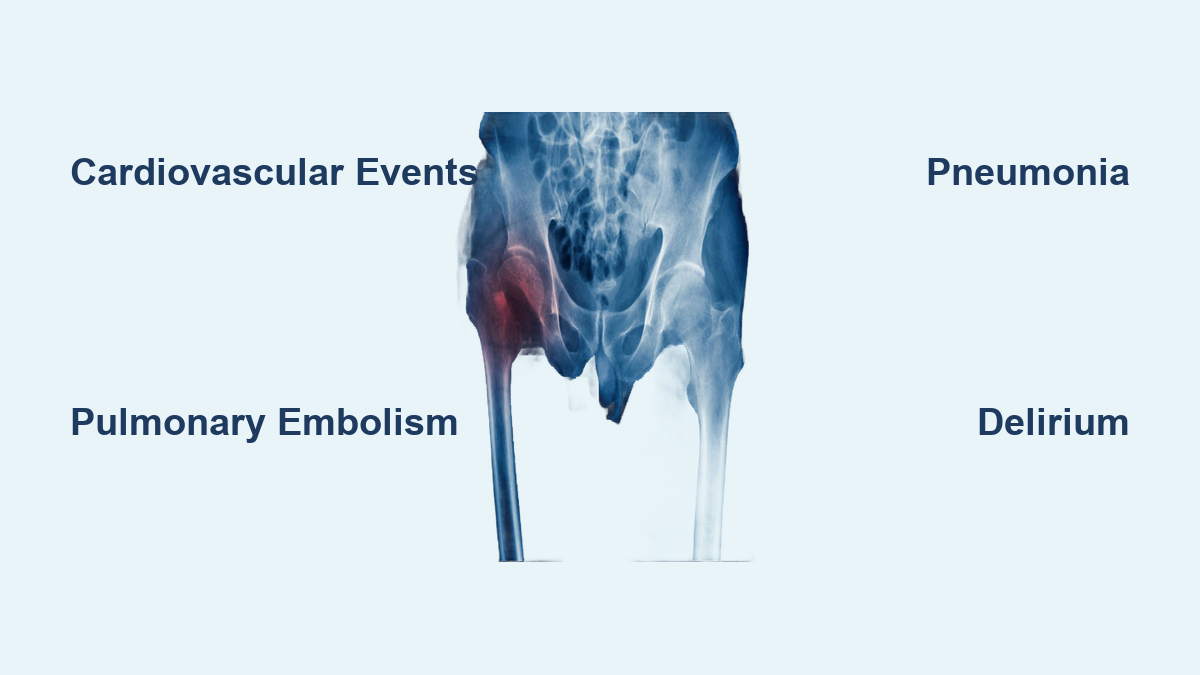
A hip fracture in an older adult is far more than a broken bone. It triggers a cascade of life-threatening complications that the aging body often cannot survive. One in three adults over 50 dies within a year of a hip fracture, and mortality risk remains elevated for up to a decade. This alarming death rate stems from a perfect storm: weakened bones, reduced physiological reserve, and multiple chronic conditions that turn a single fall into a medical emergency. Understanding why hip fractures are so deadly in the elderly is critical for families, caregivers, and healthcare providers alike.
This article breaks down the real reasons behind high death rates after hip fracture, from immediate surgical complications to long-term functional decline. You’ll learn what increases risk, which complications prove deadliest, and what interventions can improve survival.
Mortality Rates After Hip Fracture
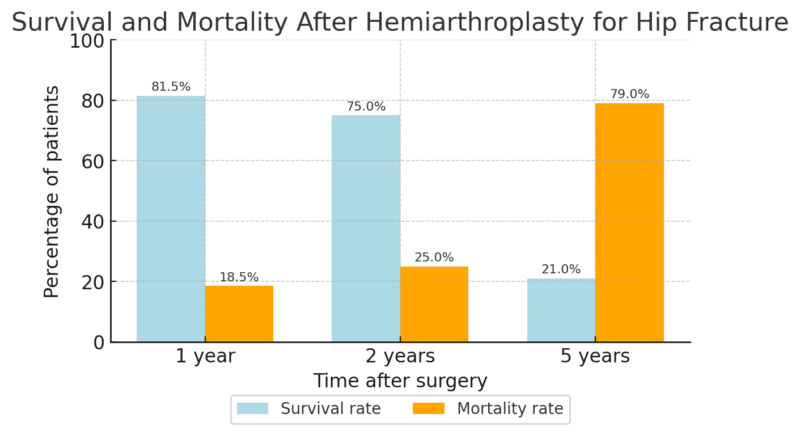
Hip fractures carry a shockingly high death toll in older adults. The risk isn’t limited to the operating room. It extends for months and even years after the injury.
One-Year Death Rate Reaches 27–33%
Studies consistently show that 27% to 33% of older adults die within one year of a hip fracture. In a Finnish population study, the 1-year mortality was 27.3%, rising to 79% by nine years post-fracture. Even more alarming, the risk of death is 5 to 8 times higher in the first three months compared to peers without fractures. This isn’t a short-term spike. It reflects a long-term decline in health and resilience that persists for up to a decade.
How Mortality Increases Over Time
| Time After Fracture | Mortality Rate |
|---|---|
| 30 days | 10.5% |
| 6 months | 21.5% |
| 1 year | 27.3% |
| 3 years | 48.8% |
| 7 years | 73.6% |
The danger doesn’t end after initial recovery. Even those who survive face a 3 times higher risk of death from any cause compared to age-matched individuals. This sustained risk shows that a hip fracture isn’t just an injury. It’s a marker of underlying fragility that persists long after the bone heals.
Immediate Causes of Death (First 30 Days)

The first month after a hip fracture is the most dangerous period. Most early deaths stem from acute complications of surgery, immobility, and pre-existing medical conditions.
Cardiovascular Events: The Leading Killer
In the first 30 days, cardiovascular events are the primary causes of death. The stress of trauma, blood loss, anesthesia, and fluid shifts can trigger heart attacks, acute heart failure, strokes, and dangerous arrhythmias. Patients with pre-existing heart disease are especially vulnerable. The body’s response to injury increases inflammation and blood clotting, raising the risk of clots and cardiac events.
Pulmonary Embolism: A Silent Killer
Pulmonary embolism is a major cause of sudden death after hip fracture. Immobility following the fracture leads to deep vein thrombosis in the legs, which can break loose and travel to the lungs. Without early anticoagulation, pulmonary embolism can be fatal within hours. Blood thinners and compression devices are critical for prevention.
Pneumonia from Immobility and Aspiration
Bacterial and aspiration pneumonia are common due to reduced lung expansion from lying in bed, weak cough reflex, and swallowing difficulties especially in dementia patients. Hospital-acquired pneumonia is a frequent complication, particularly in those unable to sit up or clear secretions. Early mobilization and breathing exercises are essential for prevention.
Acute Kidney Injury and Sepsis
Acute kidney injury can result from dehydration, low blood pressure, or harmful medications. Sepsis may arise from surgical site infections, urinary tract infections from catheters, or pressure ulcers. Both conditions worsen outcomes significantly and increase mortality risk substantially.
Long-Term Causes of Death (1–12+ Months)
After the first month, the cause of death shifts from acute complications to chronic decline and loss of function that proves equally deadly.
Heart Disease Remains the Top Killer
Even beyond 30 days, circulatory diseases cause 44% of all deaths after hip fracture. Chronic conditions like heart failure and coronary artery disease decompensate under the strain of recovery. The physiological stress of surgery and immobility can accelerate heart failure, especially in those with pre-existing damage.
Respiratory Diseases and Persistent Decline
Respiratory diseases account for 13% of deaths, with men at 2.17 times higher risk than women. Persistent bed rest leads to collapsed lung segments, chronic bronchial secretions, and recurrent infections. Patients with COPD or smoking history are especially vulnerable to respiratory failure.
Dementia and Cognitive Decline Accelerate
Hip fractures often unmask or worsen dementia. 15.7% of deaths are linked to Alzheimer’s or dementia, and up to 50% of patients develop delirium after surgery. Delirium leads to poor rehabilitation participation, longer hospital stays, higher complication rates, and increased mortality. The stress of hospitalization, pain, and medication changes can trigger lasting cognitive decline.
Cancer Risk Increases After Fracture
9.2% of deaths are due to cancer, with men facing a 2.15 times higher risk. Possible reasons include shared risk factors like smoking and frailty, delayed cancer diagnosis during recovery, and immune suppression from surgery and stress. The fracture may be the first sign of undiagnosed malignancy.
Malnutrition and Cachexia Set In
Many elderly patients enter surgery malnourished. Afterward, poor appetite, swallowing issues, and inflammation lead to muscle wasting and cachexia. This weakens the immune system, slows healing, and increases infection risk, creating a devastating downward spiral.
Why Men Face Higher Mortality Risk

Despite being younger at the time of fracture, men have a 55% higher mortality risk than women. This disparity demands explanation.
Key Risk Disparities by Sex
| Cause of Death | Male Hazard Ratio |
|---|---|
| Respiratory disease | 2.17 |
| Cancer | 2.15 |
| Circulatory disease | 1.71 |
Men are more likely to die from heart disease, cancer, and lung conditions, even though they fracture hips at a younger average age of 79 compared to 82.7 in women.
Why Men Fare Worse Than Women
Men have higher rates of smoking and cardiovascular disease going into the fracture. They experience greater pre-fracture functional decline despite their younger age. Men have less physiologic reserve to withstand the stress of surgery. They show increased susceptibility to infections and sepsis. Biological differences in muscle recovery and immune response also play a role. Men are often less engaged in preventive care, leading to later diagnosis and treatment of osteoporosis and frailty.
Frailty and Comorbidities: The Hidden Killers
Most hip fracture patients aren’t just injured. They’re already medically fragile before the fall occurs.
Common Pre-Existing Conditions
Circulatory disease affects 62–70% of patients. Dementia or Alzheimer’s is present in up to 29%. Respiratory disease affects 17.5% of men and 7.7% of women. Cancer history is found in 16.5% of men and 7.1% of women. Diabetes, kidney disease, and malnutrition are also prevalent. These conditions increase fall risk, reduce surgical tolerance, and limit recovery potential.
How Frailty Increases Death Risk
Frailty, a state of reduced physiological reserve, makes patients less able to withstand stress. Sarcopenia, the loss of muscle mass, impairs mobility, balance, and healing. Frail patients experience higher infection rates, poor wound healing, longer hospital stays, and greater mortality. Frailty scores are strong predictors of survival after hip fracture.
Postoperative Complications That Turn Deadly
Surgery is often necessary, but it introduces new risks that can prove fatal.
Delirium: The Silent Crisis
Up to 50% of elderly hip fracture patients develop delirium, often due to pain, medications like sedatives and opioids, sensory deprivation, and sleep disruption. Delirium increases length of stay, reduces rehabilitation participation, and doubles mortality risk.
Pressure Ulcers and Sepsis
Prolonged bed rest leads to pressure sores, especially over the sacrum and heels. These can progress to bone infection or sepsis if untreated. Early mobilization and frequent repositioning are essential for prevention.
Urinary Tract Infections Escalate to Sepsis
Catheter use increases the risk of urinary tract infections, which can escalate to sepsis. Symptoms may be atypical in the elderly, with confusion or weakness instead of fever.
Immobility: The Downward Spiral
Lying in bed may seem safe, but for the elderly, it’s a fast track to decline and death.
Rapid Deconditioning Takes Hold
Within days, patients lose muscle mass and strength. This leads to joint stiffness, poor balance, increased fall risk upon standing, and worsening heart and lung function. Only 25–40% return to pre-fracture independence.
Loss of Independence and Institutionalization
Fifty percent of patients lose the ability to walk independently. Twenty-five percent require long-term care placement. Institutionalization is linked to higher mortality, social isolation, and reduced quality of life.
Delayed Surgery Increases Risk
Despite clinical guidelines, many patients wait more than 48 hours for surgery, which proves deadly.
Why Surgical Delays Happen
Delays occur due to the need for medical optimization for conditions like heart failure, anemia, and arrhythmias. Lack of geriatric expertise and hospital overcrowding also contribute.
Consequences of Waiting
Delays lead to higher pneumonia rates, more pressure sores, greater deconditioning, and increased 1-year mortality. Surgery within 24–48 hours reduces complications and death risk significantly.
Nutrition’s Role in Survival
Malnutrition is widespread among elderly hip fracture patients and is often overlooked despite its deadly impact.
Signs of Poor Nutritional Status
Weight loss, low albumin levels, and muscle wasting signal dangerous nutritional deficiency.
Impact on Recovery
Poor nutrition causes slower bone and wound healing, weaker immune systems, higher infection rates, and reduced ability to walk at 6 months. Protein supplementation combined with physical activity improves muscle mass and function.
Rehabilitation: The Make-or-Break Phase
Recovery takes 6–12 months, and rehabilitation quality determines whether patients live or die.
Early Mobilization Saves Lives
Starting physical therapy within 24 hours of surgery prevents pneumonia, reduces blood clots, preserves muscle strength, and lowers delirium risk.
Phases of Recovery
The hospital phase lasts 3–10 days and focuses on pain control, anticoagulation, delirium screening, and early walking with support. The rehabilitation phase lasts 2–6 weeks and includes gait training, balance exercises, and activities of daily living retraining. The long-term maintenance phase requires ongoing therapy, use of walkers or canes, and fall prevention strategies.
How to Improve Survival Rates
Evidence-based interventions can substantially reduce death rates after hip fracture.
Timely Surgery Within 48 Hours
Delaying surgery beyond two days increases complications. Fast-track protocols save lives.
Orthogeriatric Care Model
A multidisciplinary team including orthopedic surgeons, geriatricians, physical therapists, dietitians, and social workers improves outcomes, reduces complications, shortens hospital stays, and enhances recovery.
Aggressive Pain Control
Regional nerve blocks and multimodal analgesia reduce opioid use, lower delirium risk, and enable earlier movement.
Fall Prevention and Home Safety
Post-discharge steps include installing grab bars and handrails, removing throw rugs, improving lighting, using non-slip mats, and wearing proper footwear.
Bone Health After Fracture
Every hip fracture is a red flag for osteoporosis. Essential steps include getting a DEXA scan within 6 months, starting treatment with bisphosphonates, denosumab, or teriparatide for severe cases, and ensuring daily intake of 1,000–1,200 mg calcium and 800–1,000 IU vitamin D. Without treatment, 30% will suffer another fracture within 10 years.
Frequently Asked Questions About Why Elderly Die From Hip Fracture
Does hip fracture itself cause death?
The fracture rarely causes death directly. Instead, it triggers complications like pneumonia, heart attack, pulmonary embolism, and sepsis that prove fatal, especially in frail elderly patients with multiple chronic conditions.
Why is mortality so high even months after surgery?
Long-term mortality stems from chronic disease progression, persistent immobility, malnutrition, cognitive decline, and loss of independence. The fracture exposes underlying frailty that continues to compromise health even after surgical recovery.
Are some patients more at risk than others?
Yes. Patients with pre-existing heart disease, dementia, respiratory conditions, frailty, and malnutrition face the highest risk. Men generally have higher mortality than women despite younger age at fracture.
Can hip fracture survival be improved?
Absolutely. Timely surgery within 48 hours, early mobilization, multidisciplinary orthogeriatric care, aggressive pain management, and comprehensive rehabilitation significantly improve survival rates. Prevention through fall reduction and osteoporosis treatment remains the best strategy.
How long does recovery take after hip fracture?
Full recovery typically takes 6–12 months, though many patients never regain pre-fracture independence. Only 25–40% return to their previous functional level, and up to 50% lose the ability to walk independently.
What is the most effective prevention strategy?
Primary prevention focuses on strength and balance training, adequate calcium and vitamin D, medication review to reduce sedatives, vision and hearing checks, and home safety modifications. Secondary prevention after a first fracture includes osteoporosis treatment and fracture liaison services.
Key Takeaways for Preventing Death After Hip Fracture
A hip fracture in an older adult is not just a broken bone. It’s a medical emergency with life-or-death consequences. The high death rate stems from a cascade of complications: frailty, chronic disease, surgical stress, immobility, and inadequate rehabilitation. One in three elderly patients dies within a year, and men face even higher risks.
Survival improves dramatically with timely surgery within 48 hours, early mobilization, multidisciplinary orthogeriatric care, and aggressive bone health management. Prevention remains the best defense through fall reduction, strength training, and osteoporosis treatment.
A hip fracture should be treated not as an isolated injury but as a critical warning sign of systemic decline. With the right care, many lives can be saved. If you have an elderly loved one recovering from hip fracture, advocate for fast-track surgical protocols, early rehabilitation, and comprehensive discharge planning to maximize their chances of survival.