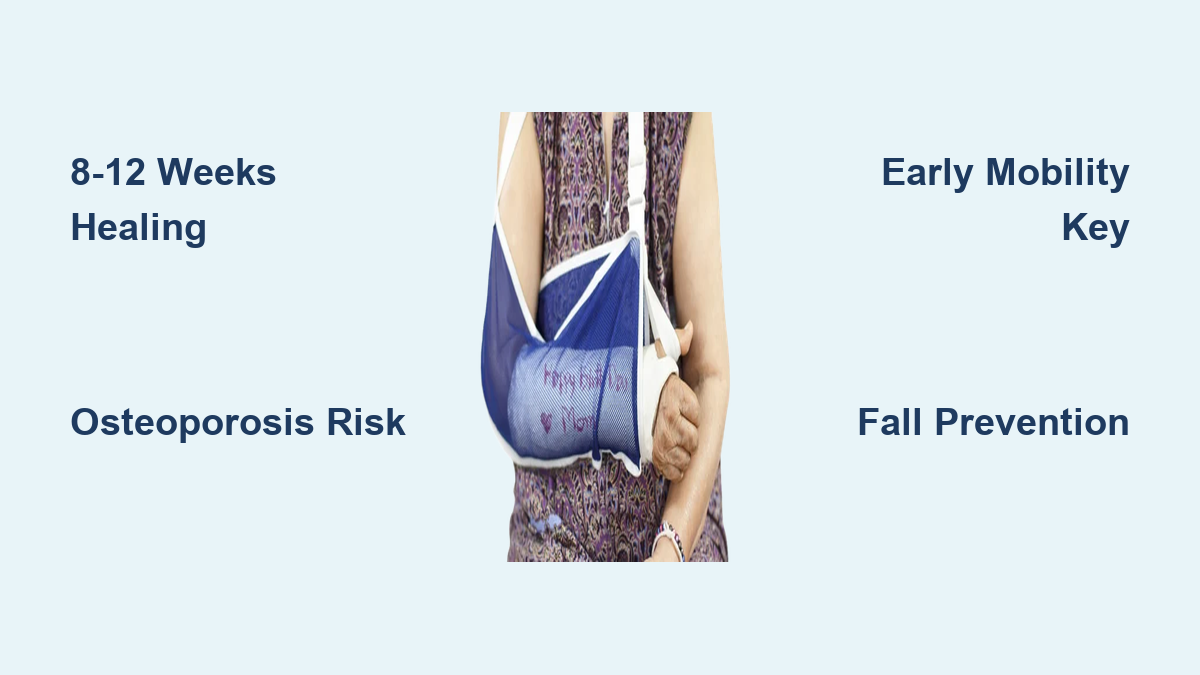
A broken arm in an elderly person is never just a simple fracture. Unlike younger adults, seniors face a significantly longer and more complex recovery due to age-related changes in bone health, circulation, and healing capacity. So how long to heal broken arm in elderly? On average, initial bone union takes 8 to 12 weeks, but full functional recovery can stretch from 3 to 6 months, and in some cases, up to 2 years. This extended timeline reflects not just the bone knitting back together, but the broader challenge of regaining strength, mobility, and independence after an injury that often reveals deeper health concerns like osteoporosis or fall risk.
This guide breaks down the exact healing timeline by fracture type, the key phases of bone repair, factors that delay recovery, treatment options, and essential strategies to maximize healing. Whether you are recovering yourself or caring for a loved one, understanding what to expect at each stage helps you navigate recovery with confidence and ensure no critical intervention is missed.
Healing Timeline by Fracture Type

Different arm fractures heal at different rates in elderly patients, depending on location, severity, and treatment approach. Understanding your specific fracture type sets realistic expectations for recovery.
Proximal Humerus Fracture Recovery
A break near the shoulder is one of the most common arm fractures in older adults. Healing typically takes 8 to 12 weeks, but full shoulder function may not return for 4 to 6 months.
• Non-displaced fractures: Treated with a sling and early range-of-motion exercises; healing in 8 to 10 weeks
• Displaced or comminuted fractures: Often requires surgery (ORIF or shoulder replacement); recovery may extend to 6 months
• Key risk: Frozen shoulder develops in up to 30% of cases, especially if movement is delayed
Pro Tip: Pendulum exercises should start within the first week if cleared by your doctor to prevent joint stiffness.
Distal Radius Fracture Healing
Also known as a Colles’ fracture, this wrist injury typically results from a fall on an outstretched hand. Most heal in 6 to 10 weeks with casting.
• Non-surgical cases: Cast removed at 6 to 8 weeks; physical therapy begins immediately
• Surgical fixation: Used for unstable or displaced fractures; allows earlier movement but does not speed biological healing
• Long-term issues: Up to 20% develop post-traumatic arthritis; grip strength may remain reduced
Mid-Shaft Humerus Fracture Duration
Fractures along the upper arm bone usually heal without surgery unless nerves are involved.
• Average healing time: 10 to 16 weeks
• Treatment: Sling or brace; monitored with X-rays every 4 to 6 weeks
• Radial nerve injury risk: Occurs in 10 to 15% of cases; may cause wrist drop
Ulnar and Comminuted Fracture Recovery
Ulnar fractures often occur with radius breaks and require precise alignment for proper healing.
• Healing time: Similar to radius, 6 to 10 weeks with stable fixation
• Comminuted fractures (shattered bone): Require surgery; healing extends to 12 to 16 weeks due to poor bone quality in osteoporosis
Key Healing Phases in Older Adults
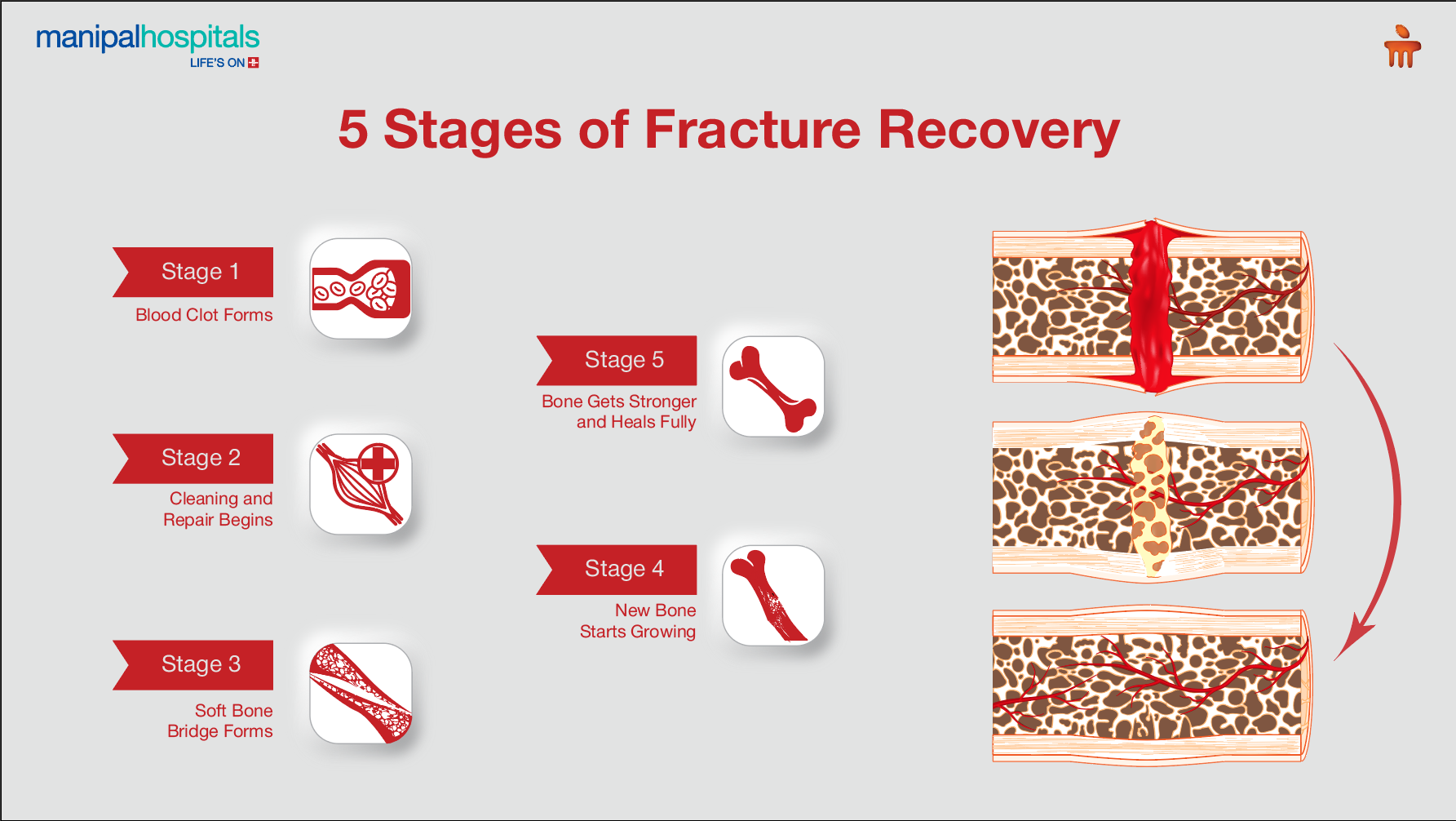
Bone repair follows a predictable biological process, but each phase is notably slower in elderly patients. Understanding these phases helps you track progress and recognize when healing is on track.
Inflammatory Stage (Days 1–7)
This immediate response kicks off healing. Blood clots form at the fracture site, delivering immune cells and growth factors that initiate repair.
• Signs: Swelling, bruising, warmth, and sharp pain
• In elderly: Response is weaker due to reduced circulation and immune function
• Critical action: Control swelling with elevation and ice; avoid NSAIDs that may interfere with early healing
Reparative Stage (Weeks 1–12)
The bone begins to rebuild with soft and then hard callus formation. This is when visible progress appears on X-rays.
Soft Callus Forms (Weeks 2–4)
• Fibrous and cartilage tissue bridges the fracture gap
• Visible on X-ray as early as week 3
• Slower in seniors due to reduced stem cell activity
Hard Callus Develops (Weeks 4–12)
• Woven bone replaces soft callus, providing stability
• Radiographic union typically seen by week 8 to 12
• Elderly patients may show delayed mineralization due to low osteoblast activity
Remodeling Stage (Months to Years)
The final phase reshapes the bone into its original form and strength.
• Duration: Up to 2 to 3 years
• In elderly: Remodeling is incomplete; bone may never regain full pre-fracture strength
• Mechanical loading through controlled movement is essential to stimulate proper bone reshaping
Expert Note: Healing is not done when the cast comes off. The bone is still fragile and needs gradual stress to become strong again.
Factors That Delay Healing
Multiple factors can extend recovery time or lead to complications in elderly patients. Being aware of these helps you address modifiable risks.
Age-Related Bone Changes
• Osteoporosis: Affects 50% of women over 50; bones are brittle and heal slower
• Thinner periosteum: The outer bone layer contains fewer stem cells and blood vessels
• Reduced osteoblast function: Bone-forming cells decline after age 50
Chronic Health Conditions
• Diabetes: Delays healing by 20 to 40% due to poor circulation and collagen issues
• Kidney disease: Disrupts calcium and vitamin D metabolism
• Rheumatoid arthritis: Chronic inflammation interferes with repair; steroids weaken bone
• Heart disease: Poor perfusion reduces nutrient delivery to the fracture site
Lifestyle Risks
• Smoking: Cuts blood flow to bones; doubles nonunion risk
• Alcohol use: Impairs liver function and nutrient absorption
• Poor nutrition: Low protein, calcium, or vitamin D intake slows healing
• Sedentary habits: Lead to muscle loss and joint stiffness
Medications That Interfere
• Corticosteroids (e.g., prednisone): Reduce bone formation
• Long-term NSAIDs: May suppress callus formation
• Proton pump inhibitors: Linked to reduced calcium absorption
Treatment Options and Impact on Healing
The treatment your doctor chooses affects recovery speed and functional outcomes. Understanding your options helps you make informed decisions.
Non-Surgical Management
Used for non-displaced or stable fractures that can heal with external support.
Immobilization Devices
• Cast or splint: Worn 6 to 8 weeks for wrist fractures
• Sling or brace: For humeral fractures; duration 4 to 6 weeks
• Follow-up X-rays: At 1, 6, and 12 weeks to monitor alignment
Pain Control
• Acetaminophen preferred over NSAIDs
• Short-term opioids only for severe pain
• Topical lidocaine for localized discomfort
Warning: Prolonged opioid use increases fall risk. Use cautiously in elderly patients.
Surgical Interventions
Required for displaced, comminuted, or open fractures where alignment cannot be maintained otherwise.
ORIF (Open Reduction and Internal Fixation)
• Plates, screws, or pins stabilize the bone
• Allows earlier mobilization but does not speed biological healing
• Risk of implant failure in osteoporotic bone
Intramedullary Nailing
• Rod inserted into the humerus shaft
• Used for mid-shaft fractures
• Provides strong internal support
Shoulder Arthroplasty
• Hemiarthroplasty or reverse total shoulder replacement for severe proximal humerus breaks
• No biological healing of native bone, but faster functional recovery
• Ideal for patients with poor bone quality
Myth: Surgery makes the bone heal faster.
Truth: Surgery stabilizes the fracture, but healing still takes 8 to 12 weeks.
Rehabilitation and Physical Therapy
Functional recovery lags behind bone healing, especially in older adults. Structured rehabilitation is essential for returning to daily activities.
Early Mobility Exercises
Start as soon as medically safe, even during immobilization.
• Finger pumps: Prevent stiffness and improve circulation
• Pendulum swings: Gently move the shoulder to avoid frozen joint
• Wrist rolls: Maintain mobility if not casted
Visual cue: Fingers should stay pink and warm. If they turn blue or numb, contact your doctor immediately.
Post-Cast or Post-Surgery Therapy
Begins at 6 to 8 weeks, depending on healing progress.
Weeks 6–8: Active-Assisted Motion
• Use unaffected hand to gently move injured arm
• Begin light isometric exercises (muscle tightening without movement)
Weeks 8–12: Strengthening Phase
• Add resistance bands or light weights
• Focus on rotator cuff and forearm muscles
• Practice functional tasks: reaching, lifting, dressing
Months 3–12: Full Recovery Training
• Restore full range of motion and strength
• Balance and coordination drills to prevent future falls
• Gradual return to daily activities
Outcome: Most seniors regain 80 to 90% of pre-injury function within 6 months.
Common Complications in Seniors
Elderly patients face higher risks of setbacks during recovery. Knowing these helps you act quickly if problems arise.
Healing Delays and Failures
• Delayed union: Healing takes longer than 4 months
• Nonunion: Bone fails to heal; occurs in 5 to 10% of elderly fractures
• Malunion: Bone heals crooked; may cause pain or arthritis
Joint and Nerve Issues
• Frozen shoulder: Affects 30% of proximal humerus cases
• Radial nerve injury: Causes wrist drop; may recover over 3 to 6 months
• Post-traumatic arthritis: Common after wrist fractures
Systemic Risks
• Loss of independence: 25% require home care or assisted living
• Secondary fractures: 20 to 25% risk within one year
• Depression and anxiety: Linked to pain and immobility
• 1-year mortality: 8 to 15% after proximal humerus fracture
Alarming Fact: Fractures cause more hospitalizations in women over 55 than heart attacks, stroke, and breast cancer combined.
Monitoring Healing Progress
Regular check-ins ensure recovery stays on track and catch problems early.
X-Ray Assessment Schedule
• Baseline: At diagnosis
• 1 to 2 weeks: Confirm alignment after reduction
• Every 4 to 6 weeks: Monitor callus formation
• Healing signs: Callus bridging, reduced gap, stable fragments
Warning Signs to Watch For
• Increasing pain after initial improvement
• Motion at fracture site (grinding or shifting)
• Cold, pale, or blue fingers (vascular issue)
• Fever or pus (infection, especially post-surgery)
• Cast damage or skin sores under brace
Action Step: Report any red flags to your doctor immediately.
Nutrition for Faster Healing
Proper diet fuels bone repair and muscle recovery. Nutrition is a modifiable factor that significantly impacts healing success.
Essential Nutrients
• Protein: 1.0 to 1.2 g/kg body weight per day; supports tissue repair
• Calcium: 1,200 mg per day for women over 50; 1,000 mg per day for men over 70
• Vitamin D: 800 to 1,000 IU per day; critical for calcium absorption
• Vitamin C: Needed for collagen formation; found in citrus, peppers, broccoli
• Magnesium and zinc: Support enzyme function in bone metabolism
Meal Tips for Seniors
• Add Greek yogurt, cheese, and fortified milk for calcium
• Include lean meats, eggs, or legumes for protein
• Take vitamin D supplement if housebound or limited sun exposure
Pro Tip: Malnutrition is common in elderly patients. Ask for a dietitian consult during recovery.
Fall and Fracture Prevention
A broken arm is a teachable moment. This is your chance to prevent future injuries and protect long-term independence.
Home Safety Upgrades
• Remove loose rugs and electrical cords
• Install grab bars in bathroom and handrails on stairs
• Use non-slip mats in shower and kitchen
• Improve lighting, especially at night
Exercise for Stability
• Tai chi: Proven to reduce fall risk by 30%
• Chair-based strength training: Builds arm and leg muscles
• Balance drills: Standing on one foot, heel-to-toe walk
Bone Health Screening
• DEXA scan: Recommended after any fragility fracture
• Osteoporosis treatment: Start within 6 months of fracture
– Bisphosphonates (e.g., alendronate)
– Denosumab or teriparatide for severe cases
• Reduces future fracture risk by 30 to 70%
Critical Gap: Over 80% of fracture patients never receive osteoporosis treatment. Do not let this be you.
Recovery Expectations and Prognosis
Knowing what to expect helps you set realistic goals and stay motivated throughout recovery.
Healing Milestones
• Week 2 to 4: Soft callus visible on X-ray
• Week 6 to 8: Cast removed; therapy starts
• Week 8 to 12: Bone united; light activity resumes
• Month 3 to 6: Functional recovery with therapy
• Year 1 to 2: Full strength possible but not guaranteed
Long-Term Outlook
• Most patients regain daily function within 6 months
• 20 to 30% have lasting weakness or pain
• Chronic pain syndromes (e.g., CRPS) affect 5 to 10%
• Secondary fractures remain a major risk without intervention
Frequently Asked Questions About Healing a Broken Arm in Elderly
How long does it take for a broken arm to heal in elderly patients?
Initial bone union typically takes 8 to 12 weeks in elderly patients, compared to 6 to 8 weeks in younger adults. However, full functional recovery including strength and range of motion often requires 3 to 6 months of physical therapy, and complete remodeling can take up to 2 years.
What factors slow down bone healing in older adults?
Several factors delay healing in the elderly. Osteoporosis reduces bone quality and healing capacity. Chronic conditions like diabetes can delay healing by 20 to 40%. Smoking doubles the risk of nonunion. Poor nutrition, especially low calcium, vitamin D, and protein intake, significantly impairs bone repair. Certain medications including corticosteroids also interfere with healing.
Can elderly patients regain full function after a broken arm?
Most elderly patients regain 80 to 90% of their pre-injury function within 6 months with proper rehabilitation. However, 20 to 30% may experience persistent weakness, pain, or reduced range of motion. Success depends on fracture severity, overall health, adherence to therapy, and whether underlying osteoporosis is treated.
When should I seek medical attention during recovery?
Contact your doctor immediately if you notice increasing pain after initial improvement, motion or grinding at the fracture site, cold or blue fingers indicating vascular compromise, fever or drainage suggesting infection, or cast damage causing skin breakdown. These could indicate complications requiring prompt intervention.
Does surgery speed up healing of a broken arm in elderly patients?
No, surgery does not speed up biological healing. Surgical procedures like ORIF provide mechanical stability that allows earlier mobilization, but the bone still requires 8 to 12 weeks to heal. The common myth that surgery makes bones heal faster is false. Healing is governed by biological processes that cannot be rushed.
How can I prevent future fractures after recovering from a broken arm?
Start by getting a DEXA scan to assess bone density. If osteoporosis is diagnosed, begin treatment within 6 months of your fracture. Make home safety modifications: remove rugs, install grab bars, improve lighting. Engage in balance and strength training like tai chi. Ensure adequate calcium, vitamin D, and protein intake. These steps reduce your risk of another fracture by 30 to 70%.
Key Takeaways for Healing a Broken Arm in Elderly
A broken arm in an elderly person is not a minor injury. It is a medical red flag that signals underlying skeletal vulnerability and increased risk of future fractures, disability, and mortality. Healing takes 8 to 12 weeks for initial bone union, but full functional recovery requires 3 to 6 months of dedicated physical therapy and can take up to 2 years for complete remodeling.
The most critical steps you can take are proactive. First, ensure osteoporosis evaluation and treatment after any fragility fracture. Second, commit to early mobilization and structured rehabilitation to prevent joint stiffness and muscle atrophy. Third, optimize nutrition with adequate protein, calcium, and vitamin D. Fourth, address lifestyle factors like smoking cessation and limiting alcohol. Finally, implement fall prevention strategies in the home to reduce the risk of another fracture.
Without comprehensive post-fracture care, the cycle of fractures and declining independence continues. Treat this injury as the wake-up call it is. Act now to protect long-term health and mobility.